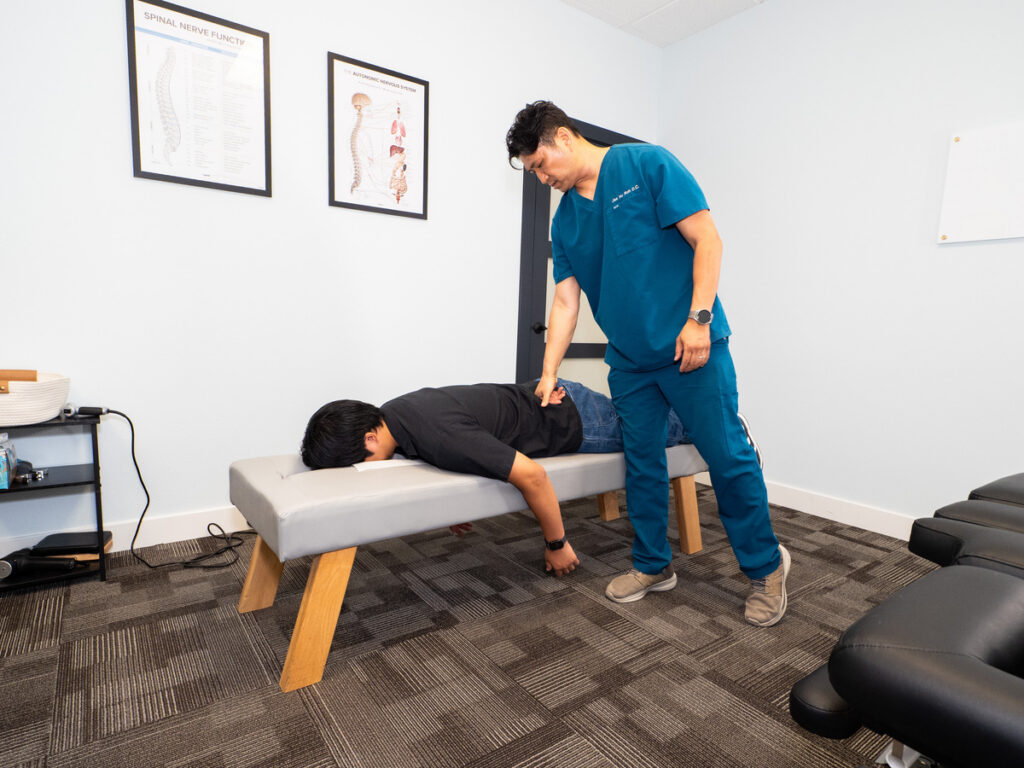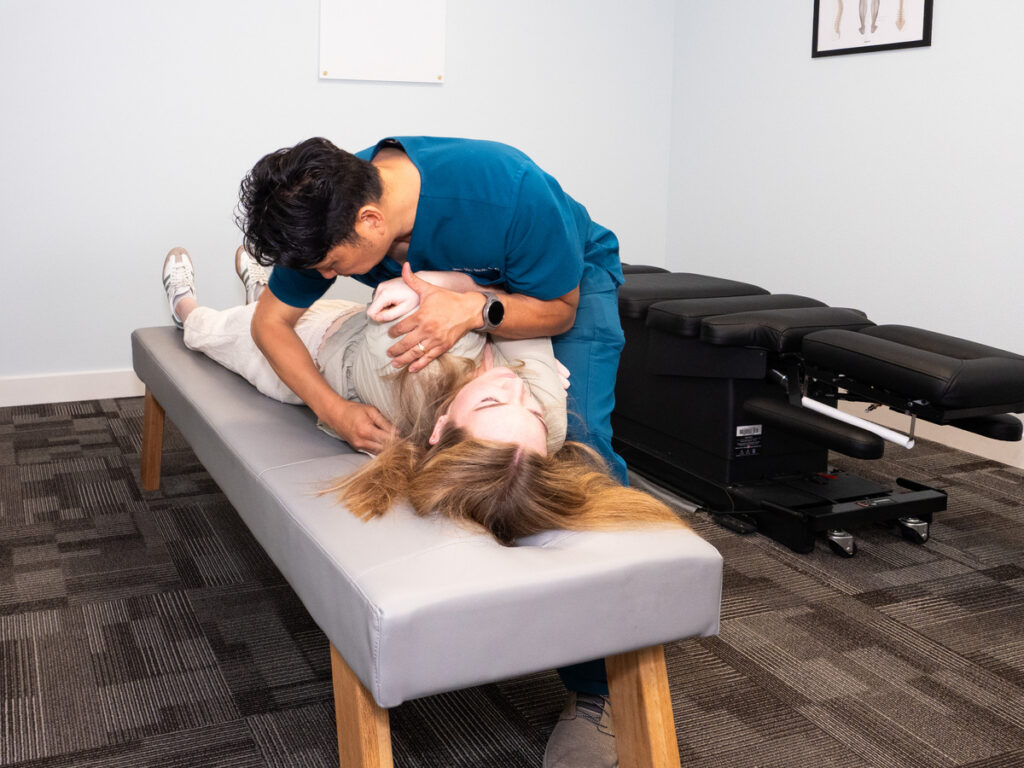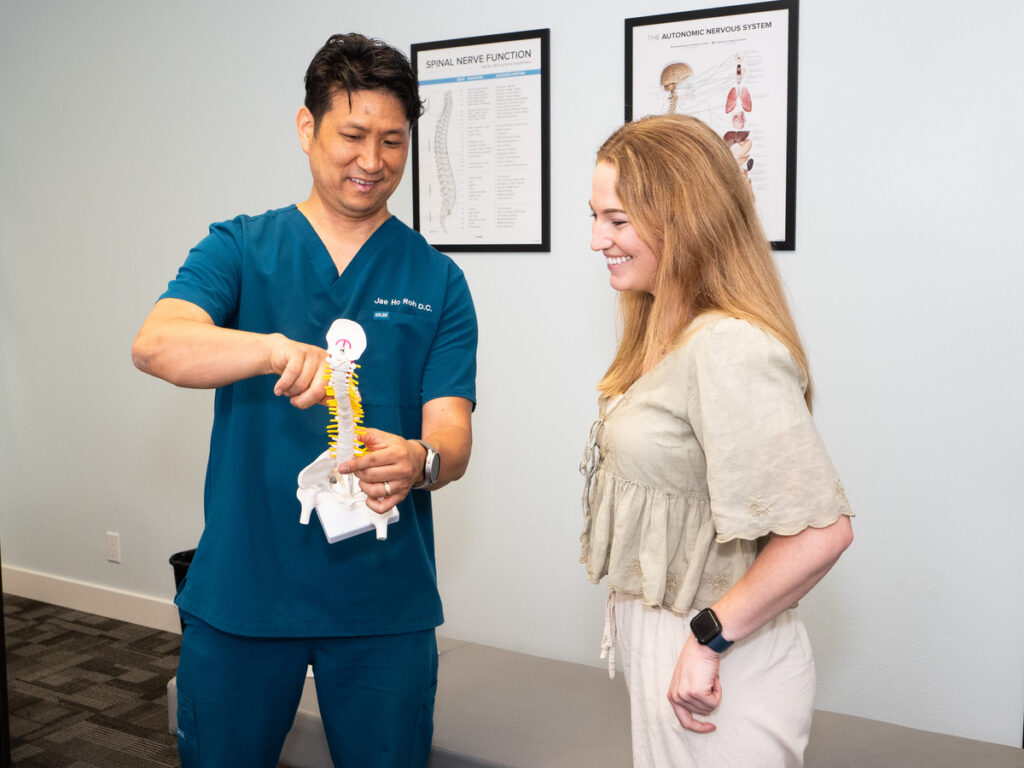

As a local chiropractor dedicated to your wellness, I want to highlight an often-overlooked aspect of health: spinal health. Many people don't realize how crucial the spine is to our overall physical stability and functionality. When you think about your well-being, consider how the spine supports not just your posture but also your mental clarity and emotional balance.
Incorporating chiropractic care into your routine can be a game-changer. By addressing spinal alignment and function, we can help alleviate discomfort and improve your body's overall performance. Additionally, I encourage targeted exercises and mindful lifestyle choices that complement chiropractic adjustments.
Understanding the interconnectedness of these elements can truly transform your wellness journey. Imagine the benefits of prioritizing spinal health in your holistic approach—improved energy levels, better mood, and enhanced physical capabilities. Let's work together to explore how chiropractic care can support your path to optimal health!
Importance of Spinal Health
As a local chiropractor, I want to emphasize how vital spinal health is to your overall wellness. Your spine is more than just a physical structure; it plays a crucial role in your daily life and influences your overall well-being. Many people don't realize that a healthy spine is essential for movement, balance, and maintaining good posture. When spinal health is overlooked, it can lead to discomfort and a variety of issues, including chronic pain and limited mobility, which can significantly affect your quality of life.
Taking care of your spine isn't just about avoiding pain; it can also elevate your energy levels, improve your mood, and even enhance your immune function. When your spine is properly aligned and functioning optimally, your body can communicate more effectively, which supports your overall health. You may notice that simple activities, like walking or exercising, become easier and more enjoyable when your spine is in good condition.
Furthermore, spinal health is intricately linked to mental clarity. Physical manifestations of stress and anxiety often affect the spine, leading to tension and discomfort. By prioritizing your spinal health, you can relieve this tension and cultivate a more relaxed state of mind.
Incorporating spinal care into your wellness routine can be straightforward—regular stretching, practicing good posture, and seeking professional chiropractic care when necessary can make a significant difference.
Ultimately, investing in your spinal health is truly an investment in your overall wellness. By giving your spine the attention it deserves, you're setting the foundation for a healthier and happier life. So, I encourage you to take that first step today—your spine will thank you!
Understanding the Spine's Structure
As your local chiropractor, I want to help you understand the importance of spinal health and the remarkable structure of your spine.
The vertebrae, which are the building blocks of your spine, play a crucial role in not just supporting your body but also safeguarding the vital nerves that run through them. This complex system is essential for your overall wellness, influencing everything from your ability to move freely to the proper functioning of your nervous system.
By taking care of your spine, you can enhance your health and well-being naturally.
Let's explore how we can work together to support your spinal health and overall vitality.
Spine Anatomy Overview
As a local chiropractor, I want to take a moment to explain the importance of your spine and how it relates to your overall health and well-being. Often referred to as the backbone, the spine is an essential structure that provides not only support but also flexibility for your body.
It's made up of 33 individual bones called vertebrae, which are stacked in a column and organized into five distinct regions: cervical, thoracic, lumbar, sacral, and coccygeal.
Starting with the cervical spine, which is located in your neck, there are seven vertebrae that play a crucial role in supporting your head and allowing for an impressive range of motion.
Just below the cervical region is the thoracic spine, consisting of twelve vertebrae that help anchor your ribcage and protect vital organs within your chest.
Moving down, we come to the lumbar spine, which is composed of five larger vertebrae. This area bears a significant portion of your body's weight and is essential for activities like lifting and bending. Proper function in this region is vital for maintaining your mobility and reducing discomfort.
At the base of your spine, you'll find the sacrum, made up of five fused vertebrae that connect your spine to your pelvis. This connection is important for stable movement and balance.
Lastly, the coccyx, or tailbone, consists of four fused vertebrae and serves as an attachment point for various muscles and ligaments that support your pelvic floor.
Understanding the anatomy of your spine is foundational for appreciating how spinal health can influence your overall wellness and mobility.
As a chiropractor, my goal is to help you maintain a healthy spine, which in turn can lead to improved function and a better quality of life.
If you have any questions about how chiropractic care can support your spinal health, don't hesitate to ask!
Function of Vertebrae
As a local chiropractor, I want to help you understand the importance of your spine and how your vertebrae play a crucial role in your daily life. Your spine is made up of 33 individual vertebrae that are stacked together, forming a flexible column that supports your entire body. Each vertebra has its own specific function, not only providing structure but also protecting the spinal cord.
The vertebrae are organized into five sections: cervical, thoracic, lumbar, sacral, and coccygeal. This organization is essential for allowing a wide range of motion and stability. For example, the cervical vertebrae in your neck enable you to turn your head and look around, while the lumbar vertebrae in your lower back are designed to support activities like bending and lifting.
Additionally, your vertebrae serve as important attachment points for muscles and ligaments, which help maintain good posture and enable movement. Between each vertebra, you'll find intervertebral discs that act as shock absorbers, cushioning your spine during daily activities and protecting it from injury.
By gaining a better understanding of how your vertebrae function, you can appreciate their vital role in maintaining balance, flexibility, and overall spinal health.
Prioritizing your spinal health is key to improving mobility and leading a more active lifestyle. This means you'll be able to enjoy your daily activities with greater ease and less discomfort.
As your chiropractor, I'm here to support you on this journey to better spinal health and natural healing.
Role in Nervous System
As your local chiropractor, I want to help you understand the vital connection between your spine and your nervous system, and how this relationship supports your overall health. Your spine serves as a protective casing for the spinal cord, a key part of your nervous system that carries signals between your brain and the rest of your body. Each vertebra plays a crucial role in safeguarding this pathway, allowing nerve impulses to travel smoothly and efficiently.
When your spine is properly aligned, it promotes optimal communication between your brain and the organs it controls. However, misalignments—often resulting from poor posture, stress, or injuries—can interfere with these signals, leading to pain and dysfunction. You may find that tension in your back or neck often coincides with feelings of stress or anxiety, underscoring the spine's significant role in your emotional health.
Additionally, the health of your spine directly impacts your autonomic nervous system, which manages essential bodily functions such as your heartbeat, digestion, and breathing. By prioritizing your spinal health through regular chiropractic adjustments and being mindful of your posture, you can enhance the overall function of your nervous system.
This holistic approach not only alleviates discomfort but also fosters overall wellness, enabling your body to respond more effectively to the challenges of daily life.
If you're curious about how chiropractic care can support your health journey, I'm here to guide you every step of the way. Let's work together to ensure your spine—and your nervous system—are functioning at their best!
Common Spinal Issues
As your local chiropractor, I want to emphasize how crucial your daily habits are for your spinal health. Many people don't realize that simple things like poor posture or spinal misalignment can lead to serious issues over time.
For instance, herniated discs can't only cause discomfort but also restrict your mobility, making everyday activities more challenging. Additionally, chronic pain stemming from spinal problems can significantly impact your overall quality of life.
It's important to understand these common spinal issues so you can take proactive steps toward maintaining a healthy lifestyle. Chiropractic care focuses on natural healing and can help address these concerns effectively.
Posture and Alignment
As a local chiropractor, I want to emphasize the vital role that posture and alignment play in your spinal health. Many people often overlook these factors, yet they're essential in preventing common spinal issues. When you slouch or hunch over, your spine endures unnecessary stress, which can lead to discomfort and even long-term damage. Maintaining proper alignment helps keep your spine in its natural curve, reducing strain on your muscles and ligaments.
You may not realize it, but your daily habits have a significant impact on your posture. Whether you're sitting at a desk, scrolling through your phone, or carrying heavy bags, being mindful of your alignment is crucial. I encourage you to make a conscious effort to sit up straight, keeping your shoulders back and your feet flat on the ground.
When standing, try to distribute your weight evenly across both feet.
In addition to being aware of your posture, integrating exercises that strengthen your core and back can support better alignment. Activities such as yoga or Pilates not only enhance flexibility but also promote your awareness of body mechanics.
By prioritizing good posture and alignment in your daily routine, you can help prevent issues like muscle tension, back pain, and even headaches.
Herniated Discs Explained
As a local chiropractor, I want to take a moment to shed light on a common condition that many people encounter—herniated discs. This spinal issue is often misunderstood and can lead to significant discomfort and challenges in daily mobility.
Essentially, a herniated disc occurs when the soft inner gel of a spinal disc pushes through a tear in the tougher outer layer. This can result from factors such as aging, injury, or repetitive strain, and it often leads to compression of nearby nerves, causing pain, numbness, or weakness in your arms or legs.
It's important to remember that herniated discs can affect anyone, regardless of age or fitness level. You may experience symptoms like pain radiating down your limbs or sudden weakness, making everyday tasks feel daunting. Recognizing these signs early is crucial, as it allows you to seek the right care and support.
In my practice, I often recommend a holistic approach to treating herniated discs, which may include chiropractic adjustments, physical therapy, and lifestyle modifications.
Strengthening your core muscles is vital for supporting your spine and preventing future issues. Additionally, I emphasize the importance of maintaining good posture and avoiding heavy lifting to minimize strain on your back.
By understanding herniated discs and taking proactive steps through natural healing methods, you can effectively manage your spinal health and improve your overall wellness.
If you have any questions or concerns about your spine or related symptoms, feel free to reach out. I'm here to help you on your journey to better health!
Chronic Pain Management
Chronic pain can often be linked to a variety of spinal issues, and as a local chiropractor, it's my goal to help you understand these conditions better, so you can take control of your health and recovery.
If you're experiencing persistent pain, it's crucial to explore the underlying causes. Here are some common spinal problems that might be contributing to your discomfort:
- Herniated Discs: This condition occurs when the soft cushion (intervertebral disc) between your vertebrae pushes out, which can put pressure on nearby nerves and result in pain. Chiropractic care can help relieve that pressure and promote healing.
- Spinal Stenosis: This involves a narrowing of the spinal canal, leading to increased pressure on the spinal cord and nerves. This can cause pain, numbness, or weakness. With the right adjustments, we can help alleviate this pressure and improve your overall mobility.
- Degenerative Disc Disease: Over time, the discs in your spine can wear down, which may lead to pain and reduced flexibility. Chiropractic adjustments can help restore some of that flexibility and alleviate discomfort.
- Scoliosis: An abnormal curvature of the spine can create uneven pressure on your back, resulting in chronic pain. Chiropractic techniques can assist in managing this condition and improve your spinal alignment.
Understanding these spinal issues is the first step towards effective pain management.
Rather than relying solely on medication, exploring chiropractic care can provide a natural approach to healing and help you regain a pain-free lifestyle.
Let's work together towards a healthier you!
Spinal Health and Posture
As your local chiropractor, I want to emphasize the importance of maintaining good posture for your spinal health and overall well-being. Proper alignment while sitting, standing, or moving is crucial as it helps reduce the strain on your spine and surrounding muscles. When your body is aligned correctly, you can alleviate discomfort and enhance your body's ability to function effectively.
Conversely, poor posture can lead to a range of issues, such as chronic pain, fatigue, and even digestive problems.
To improve your posture, I encourage you to become more mindful of your body's alignment throughout the day. Whether you're working at your desk, walking, or lifting objects, it's essential to pay attention to how you hold yourself. Keep your shoulders back and relaxed, align your head with your spine, and ensure your feet are shoulder-width apart when standing.
If you're sitting, choose a chair that supports your lower back, and make sure your knees are at a right angle.
Additionally, incorporating exercises that strengthen your core and back muscles can significantly support good posture. Activities like yoga and Pilates are great options, as they not only build strength but also enhance your awareness of your body's positioning.
Remember to take regular breaks if you're sitting for extended periods; this will help prevent stiffness and encourage better alignment.
Lastly, I encourage you to be proactive about your posture habits. If you catch yourself slouching or leaning forward, take a moment to realign. By prioritizing your spinal health through good posture, you won't only feel better physically but also experience increased energy and focus in your daily activities.
If you have any questions or need assistance in developing a personalized plan for maintaining good posture, feel free to reach out. Your health is our priority!
Integrative Therapies for Spinal Care
As your local chiropractor, I want to emphasize that good spinal health extends beyond just maintaining proper posture. It also benefits significantly from a variety of integrative therapies that complement traditional chiropractic care.
These therapies can greatly enhance your overall well-being and improve spinal function. By incorporating these methods into your daily routine, you can effectively address both immediate discomfort and promote long-term spinal health.
Here are four integrative therapies that I highly recommend considering:
1. Massage Therapy: Incorporating regular massages into your self-care routine can work wonders. They help alleviate muscle tension, improve blood circulation, and promote relaxation.
This therapy is particularly beneficial for relieving pain associated with spinal issues and can significantly enhance the effectiveness of your chiropractic adjustments.
2. Acupuncture: This ancient healing practice involves the insertion of thin needles into specific points on the body. Many of my patients have found that acupuncture helps reduce pain, improve mobility, and promote healing by stimulating the body's natural energy flow, making it a great complement to your chiropractic treatments.
3. Yoga: Engaging in yoga can be incredibly beneficial for your spinal health. It strengthens the muscles around your spine, improves flexibility, and enhances your posture.
Additionally, the mindfulness aspect of yoga helps to reduce stress, which can often lead to tension in the spine.
4. Physical Therapy: Working with a physical therapist can provide customized exercises designed to strengthen your back and core muscles.
Not only does this approach facilitate recovery, but it also plays a crucial role in preventing future injuries, ensuring your spine remains healthy and strong.
By integrating these therapies into your wellness plan, you can take significant strides towards achieving optimal spinal health.
If you have any questions or would like to discuss these options further, please feel free to reach out. Your journey to better health starts here!
Lifestyle Changes for a Healthy Spine
As a chiropractor, I often see patients who are seeking relief from spinal issues, but I want to emphasize that there are effective lifestyle changes you can adopt to support your spinal health long-term. One of the most impactful adjustments you can make is to improve your posture.
Whether you're sitting at a desk or standing in line, it's crucial to be mindful of how you hold your body. By keeping your back straight and your shoulders back, you can distribute weight evenly, which reduces strain on your spine and helps prevent discomfort.
Incorporating regular physical activity into your daily routine is another key element in maintaining a healthy spine. I recommend focusing on exercises that strengthen your core, such as yoga or pilates. A strong core provides vital support for your spine.
Even engaging in simple activities like walking or swimming can significantly boost your spinal health. Just remember to properly warm up and cool down to minimize the risk of injury.
Your nutrition also plays a critical role in spinal health. Aim to include anti-inflammatory foods in your diet, such as a variety of fruits, vegetables, and whole grains. These foods can help reduce inflammation around your spine and help you maintain a healthy weight, which is essential for reducing pressure on your back.
Don't overlook the importance of sleep as well. Ensure that you have a supportive mattress and pillow that help maintain a neutral spine position throughout the night. Quality sleep is essential for recovery and can alleviate discomfort.
Lastly, managing stress is vital for your spine's well-being. High stress levels can lead to muscle tension that negatively impacts your spine.
I encourage you to explore stress-relief techniques such as deep breathing, meditation, or simply spending time outdoors. By implementing these lifestyle changes, you can't only enhance your spinal health but also improve your overall well-being.
Creating a Balanced Wellness Plan
As your local chiropractor, I want to emphasize the importance of a holistic wellness plan that focuses on your spinal health. Your spine isn't just a support structure; it's integral to your overall well-being, influencing everything from your posture to your nerve function.
To help you prioritize spinal health in your wellness journey, I recommend considering these four essential elements:
1. Regular Exercise: Engage in exercises that specifically target your core and back muscles. Activities such as yoga, Pilates, or strength training can significantly improve your flexibility, stability, and posture—all crucial for maintaining a healthy spine.
I can guide you on specific exercises that are safe and effective for your individual needs.
2. Healthy Nutrition: What you eat greatly impacts your health, including your spine. A balanced diet rich in fruits, vegetables, whole grains, and lean proteins provides the nutrients your body needs.
Incorporate omega-3 fatty acids, found in fish and flaxseeds, as they can help reduce inflammation that may affect spinal health.
3. Proper Ergonomics: Many of us spend hours at a desk or lifting heavy items, which can take a toll on our spines. I encourage you to maintain proper posture and use ergonomic furniture that supports your spine.
Additionally, I can provide tips on safe lifting techniques to help you avoid unnecessary strain.
4. Regular Check-ups: Just as you schedule routine visits for your general health, it's essential to include chiropractic check-ups in your wellness plan. Regular spinal assessments can help identify potential issues before they become serious, ensuring that your spine remains healthy for years to come.
Remember, your spine is the foundation of your health. By integrating these elements into your wellness plan, you're taking proactive steps to support your overall well-being.
If you have any questions or need personalized advice, feel free to reach out to me!
Conclusion
As your local chiropractor, I want to emphasize the importance of incorporating spinal health into your holistic wellness plan. Many people may not realize that maintaining proper spinal alignment and posture is crucial for their overall well-being. Addressing these aspects not only helps alleviate chronic pain but also improves your functionality in daily activities.
Regular chiropractic assessments can play a key role in this process. During these sessions, we can identify any misalignments and develop tailored treatment plans that include targeted exercises and lifestyle modifications aimed at supporting your spine.
It's important to understand that a healthy spine can lead to more than just physical benefits. It also contributes to enhanced mental clarity and emotional balance, which are vital for living a fulfilling life. I encourage you to take these steps towards better spinal health, as they will pave the way for a healthier, more vibrant you. If you have any questions or are ready to start your journey, don't hesitate to reach out!