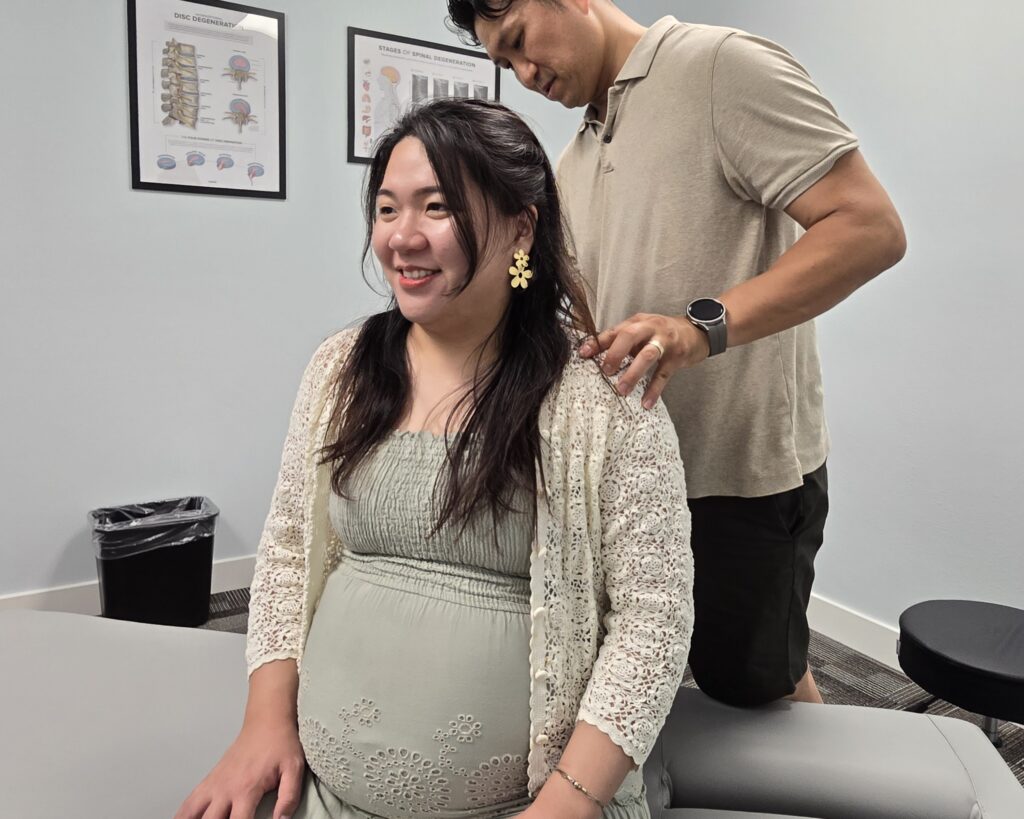

Back pain is a prevalent concern for many individuals, and as a local chiropractor, I’m here to share some valuable insights on preventing it through natural, proactive means. By adopting a few simple lifestyle changes, you can significantly lower your chances of experiencing discomfort and injury. It’s easier than you might think! Let’s delve into these seven essential adjustments that can pave the way for a healthier, pain-free life.
Firstly, maintaining good posture is crucial. Poor posture can lead to misalignments in your spine, which may contribute to back pain over time. Being mindful of how you sit, stand, and move can make a significant difference.
Incorporating regular exercise into your routine is another vital step. Strengthening your core muscles can provide better support for your spine, reducing the risk of pain. Activities like yoga or pilates can also improve flexibility and posture, which are essential for spinal health.
Additionally, paying attention to your lifting techniques can prevent unnecessary strain on your back. Always bend at your knees and keep the load close to your body when lifting heavy objects.
Don’t forget about your sleeping position! A supportive mattress and pillow that keeps your spine aligned can enhance your rest and contribute to a healthier back.
Lastly, regular chiropractic care can play a significant role in maintaining spinal health. By visiting a chiropractor, you can ensure that your spine is properly aligned, which helps prevent pain and promotes overall well-being.
Let’s work together to implement these changes and empower you to live a more comfortable, active life!
Maintain Good Posture
As a chiropractor, I want to emphasize the importance of maintaining good posture for your overall health and well-being, particularly in preventing back pain. You mightn’t be aware, but how you sit, stand, and move can significantly impact your spinal health.
When you slouch or adopt improper sitting habits, you place unnecessary strain on your spine and the surrounding muscles, which can lead to discomfort and pain.
To enhance your posture, I encourage you to become more aware of your body alignment throughout the day. When sitting, make sure to keep your shoulders back, your head aligned with your spine, and your feet flat on the floor.
If you spend long hours at a desk, it’s vital to adjust your chair and monitor height to avoid leaning forward, which can exacerbate poor posture.
When you’re standing, remember to distribute your weight evenly across both feet and engage your core muscles. Incorporating short breaks to stretch and reset your posture can be incredibly beneficial.
Good posture isn’t just confined to sitting or standing; it extends to how you move throughout your daily activities.
By consciously practicing these habits, you can’t only enhance your comfort but also significantly lower your risk of developing back pain.
As your chiropractor, I’m here to help guide you on this journey towards better posture and overall health, promoting a more natural and pain-free lifestyle.
Stay Active With Regular Exercise
As a local chiropractor, I want to emphasize how crucial regular exercise is for maintaining a healthy back.
Strengthening your core muscles is essential, as they provide support to your spine and help prevent injuries.
Additionally, incorporating flexibility and stretching routines into your daily activities can significantly improve your overall mobility and comfort.
By staying active, not only can you reduce pain, but you’ll also enhance your overall well-being.
Strengthening Core Muscles
As a local chiropractor, I want to emphasize the importance of strengthening your core muscles for preventing back pain. A strong core is vital because it provides support to your spine and enhances your posture.
When you engage in exercises that focus on your abdominal, back, and pelvic muscles, you build a stable foundation for your entire body.
I recommend incorporating activities such as planks, bridges, and abdominal crunches into your weekly routine. Aim to practice these exercises at least two to three times a week, paying close attention to your form and control.
As your core strength develops, you’ll likely experience improved balance and less strain on your back during your everyday activities.
Remember, consistency is crucial. By dedicating just a little time each week to strengthening your core, you’re taking an important step towards achieving a pain-free back and enhancing your overall health.
Natural healing, like chiropractic care, works best when combined with a strong, supportive core. Let’s work together to ensure your body is strong and resilient!
Flexibility and Stretching Routine
As a local chiropractor, I want to emphasize the importance of incorporating a flexibility and stretching routine into your weekly exercise regimen. This practice can significantly lower your risk of experiencing back pain. Regular stretching not only helps maintain your mobility but also enhances blood flow to your muscles and improves your overall posture.
It’s crucial to focus on key areas such as your hamstrings, hip flexors, and lower back, as these are often sources of tension and discomfort. Simple stretches like the cat-cow or child’s pose can greatly enhance your flexibility and relieve tension in these areas.
I recommend dedicating at least 10-15 minutes each day to stretching, especially after your workouts or whenever you feel tightness in your muscles. It’s important to listen to your body during this process—avoid pushing yourself too hard.
By consistently following this routine, you won’t only improve your flexibility but also support the health of your spine. This, in turn, can make your daily activities more enjoyable and free from pain.
Strengthen Core Muscles
As a local chiropractor, I want to emphasize the importance of having a strong core for your overall health and well-being. A robust core is crucial for maintaining proper posture and providing support to your spine, which can significantly lower your risk of experiencing back pain.
When your core muscles are well-developed, they work to stabilize your entire body, making everyday activities not only easier but also safer.
To build strength in your core, I recommend incorporating exercises such as planks, bridges, and abdominal crunches into your weekly routine. These targeted exercises engage the muscles in your abdomen, lower back, and pelvis, creating a solid foundation for your body.
I suggest aiming for at least two to three core-strengthening sessions each week. It’s important to start slowly, focusing on maintaining proper form rather than rushing through the movements. As you gain strength, you can gradually increase the number of repetitions or the duration of each hold.
Additionally, it’s vital to complement your core workouts with flexibility exercises to ensure a balanced fitness regimen.
By dedicating time to strengthen your core, you’re not just enhancing your stability; you’re also taking proactive steps to reduce your chances of experiencing back pain in the future.
Use Ergonomic Furniture
As a local chiropractor, I want to emphasize the importance of incorporating ergonomic furniture into your daily routine, especially if you find yourself sitting for extended periods.
The right furniture can significantly improve your comfort and posture, which is essential for maintaining overall spinal health and reducing the risk of pain and discomfort.
Here are three key ergonomic items that I recommend for my patients:
- Ergonomic Chair: It’s crucial to choose a chair that provides adequate support for your lower back. Look for one with adjustable height and armrests to ensure that you can maintain proper alignment while seated.
- Standing Desk: Consider using a desk that allows you to alternate between sitting and standing. This encourages movement throughout your day, which can help alleviate strain on your back and promote better circulation.
- Monitor Stand: Positioning your computer monitor at eye level is vital for preventing neck strain. A monitor stand can help you achieve this, allowing you to maintain a more upright posture and reducing the likelihood of discomfort.
By investing in these ergonomic items, you’re taking a proactive step towards improving your posture and overall well-being.
Practice Safe Lifting Techniques
As a local chiropractor, I want to share some important tips for lifting heavy items safely.
It’s crucial to bend at your knees rather than your waist when lifting. This technique helps protect your back and minimizes strain.
Additionally, keeping the load close to your body can further reduce the risk of injury.
By incorporating these simple yet effective methods into your daily routine, you can significantly lower the chances of experiencing back pain and other injuries.
Bend at Knees
As a local chiropractor, I often see patients suffering from back pain due to improper lifting techniques. One of the simplest yet most effective ways to protect your back is by bending at the knees when lifting heavy objects. This technique not only helps prevent injury but also engages your leg muscles, which are designed to handle the load much better than your back.
Let me share with you three essential steps to ensure you lift safely:
- Stand close to the object: Position yourself near the item you’re lifting, so you can grasp it without straining or overreaching.
- Bend your knees: Lower your body by bending at the knees while keeping your back straight and your chest lifted. This posture is crucial for maintaining spinal alignment.
- Lift with your legs: As you stand up, push through your heels and utilize your strong leg muscles to lift the object, rather than relying on your back.
By incorporating these steps into your lifting routine, you can significantly reduce your risk of injury and support your overall spinal health.
Keep Load Close
As a local chiropractor dedicated to your well-being, I want to share some important tips on how to protect your back while lifting. One of the most effective strategies is to keep the load close to your body. When you hold the weight nearer to your center of gravity, you can significantly reduce strain on your back and enhance your balance.
Before you lift, take a moment to evaluate the weight and size of the load. Planning your movements is crucial for a safe lift. Start by squatting down to the object, grip it firmly, and make sure to keep it close to your body as you lift.
As you stand up, engage your core muscles to support your spine, and remember to avoid twisting your body. Instead, pivot your feet to change direction.
If the load seems too heavy or awkward, please don’t hesitate to ask for assistance or utilize tools such as dollies or lifting straps.
By practicing these safe lifting techniques, you can help prevent injuries and maintain a healthy back, which is vital for your overall well-being.
Manage Stress Effectively
As a chiropractor, I often see the impact that stress can have on our bodies, particularly when it comes to back pain. High stress levels can lead to muscle tension, discomfort, and even exacerbate existing pain issues.
It’s crucial to incorporate effective stress management techniques into your daily routine to help alleviate tension and improve your overall well-being. Here are three strategies I recommend to my patients:
- Practice Mindfulness: Taking just a few minutes each day to focus on your breath or engage in meditation can significantly calm your mind. This practice not only helps reduce stress but also promotes relaxation in your muscles, which can be beneficial for your back.
- Get Active: Regular physical activity, such as walking, stretching, or yoga, is excellent for reducing stress hormones in your body. Exercise releases endorphins, which are natural mood lifters that also help to relax your muscles and relieve tension.
- Connect with Others: Don’t underestimate the power of social support. Spending quality time with friends or family, or simply talking about your feelings, can provide emotional relief and help you manage stress effectively. This connection can be vital in preventing stress from manifesting physically in your body.
By integrating these strategies into your lifestyle, you can help alleviate back pain and enhance your overall health and well-being.
Stay Hydrated and Maintain a Balanced Diet
As a local chiropractor, I want to emphasize how crucial it’s to stay hydrated and maintain a balanced diet for your overall health, particularly when it comes to preventing back pain.
Many people may not realize that water is vital for keeping your spinal discs hydrated. This hydration helps them absorb shock effectively and maintain proper alignment, which is essential for a healthy spine. I recommend aiming for at least eight glasses of water each day to support your body and alleviate discomfort.
In addition to hydration, a balanced diet plays a key role in your spinal health. Consuming a variety of fruits, vegetables, whole grains, lean proteins, and healthy fats provides your body with the essential nutrients needed to support muscle strength and flexibility.
Incorporating foods rich in omega-3 fatty acids, such as fish and walnuts, can help reduce inflammation, a common contributor to back pain.
Furthermore, maintaining a healthy weight through a nutritious diet can significantly lessen the strain on your spine. When you properly nourish your body, you’re not just boosting your energy levels; you’re also making a vital investment in your back health.