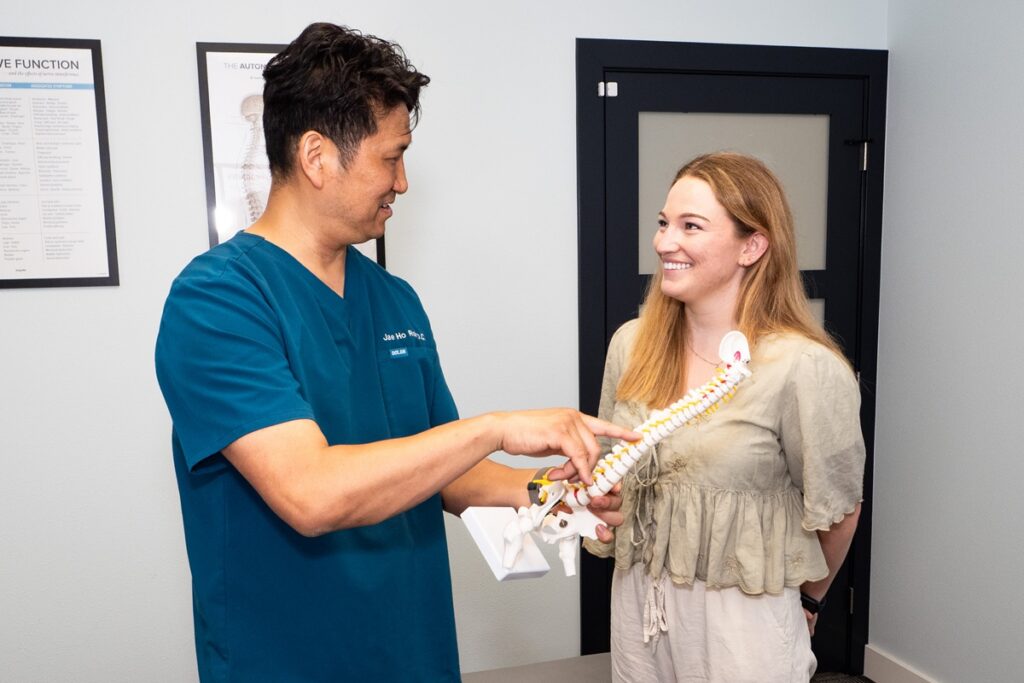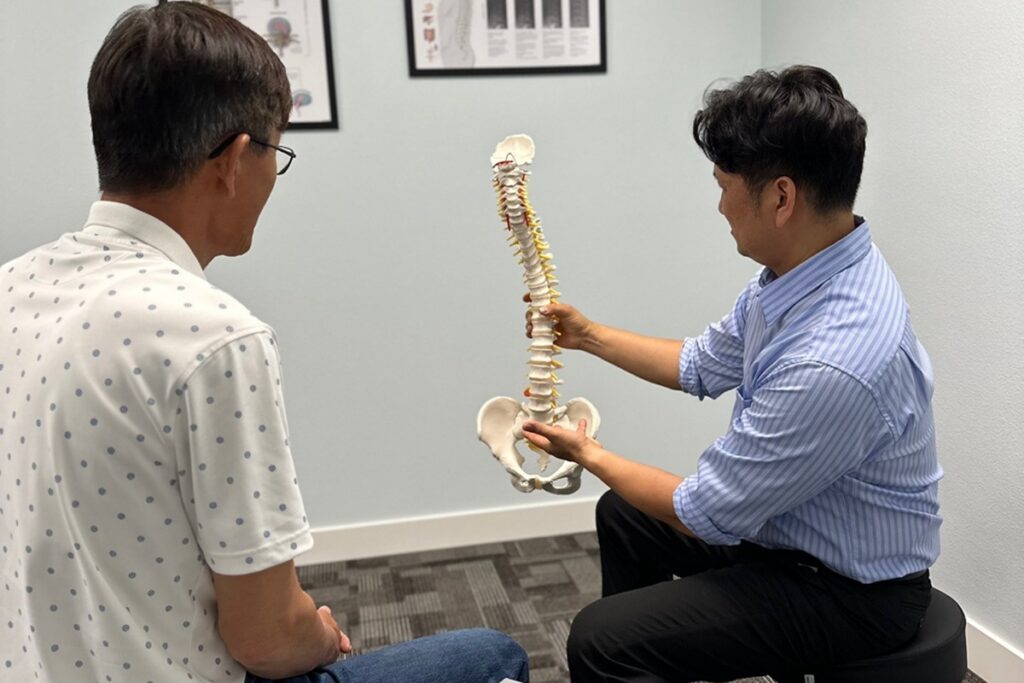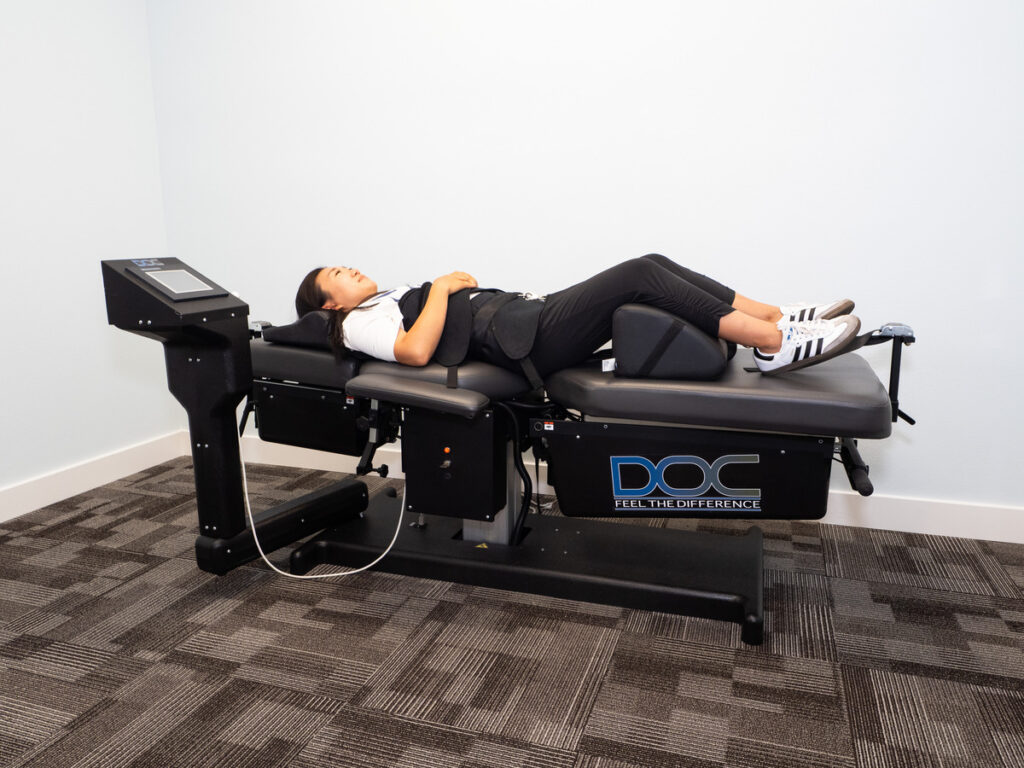

When you think about maximizing your athletic performance, you might not immediately consider chiropractic care. However, it plays a crucial role in keeping you at your best. As a local chiropractor, I want to emphasize how preventative care can enhance your athletic abilities. By focusing on proper alignment, nutrition, hydration, and effective recovery techniques, you can significantly reduce your risk of injuries and improve your overall well-being.
Incorporating regular chiropractic assessments into your routine can help identify any imbalances or issues before they become significant problems. A well-rounded support team, including a chiropractor, can make a significant difference in your performance. So, what specific strategies can you adopt to elevate your game? Let's explore how chiropractic care and natural healing can be your secret weapon in achieving peak athletic performance.
Importance of Preventative Care
As a local chiropractor, I want to emphasize the significance of preventative care in enhancing your overall health and athletic performance. Prioritizing your health is essential for achieving success in all your physical activities. This approach goes beyond the typical yearly checkup; it's about making regular, proactive choices to keep your body in optimal shape and ready for the demands of any athletic endeavor.
Nutrition, hydration, and recovery play crucial roles in this process. A well-balanced diet, abundant in essential nutrients, not only fuels your body but also aids in maintaining energy levels and supports muscle repair. Staying hydrated is key to enhancing your performance and preventing fatigue.
And let's not overlook the importance of adequate rest—proper recovery allows your muscles to heal and grow, enabling you to push your limits safely and effectively.
Incorporating injury prevention strategies into your routine is vital. This includes warming up before workouts and cooling down afterward, as well as listening to your body. If you notice something feels off, addressing it early with chiropractic care can prevent a more significant injury later on.
Regular chiropractic adjustments can help improve your range of motion, reduce pain, and enhance your overall performance. Additionally, I encourage you to engage in strength and flexibility training to build resilience, which can further reduce your likelihood of injury.
Open communication with your chiropractor can help tailor a wellness plan that meets your specific needs, ensuring you're always on the right path to success.
Remember, the dedication you invest in preventative care today can lead to remarkable achievements tomorrow. By taking these proactive steps, not only will you enhance your athletic performance, but you'll also prolong your ability to enjoy your passion for sports.
Embrace the journey of natural healing and let chiropractic care support you in reaching your goals.
Regular Physical Assessments
Regular physical assessments are crucial for monitoring your progress and establishing a strong foundation for your overall health and wellness.
As a chiropractor, I emphasize the importance of these assessments in identifying potential injury risks and customizing your care to fit your unique needs.
By taking baseline measurements, we can better understand your body's mechanics and limitations.
This proactive approach not only enhances your physical performance but also promotes safety and well-being throughout your athletic journey.
Embracing regular assessments can lead to more effective natural healing and help you maintain optimal health.
Importance of Baseline Measurements
Understanding the importance of baseline measurements is crucial, especially when it comes to your overall health and wellness. As a local chiropractor, I want to emphasize how regular physical assessments can significantly impact your athletic performance and well-being.
These measurements provide a clear picture of your current physical state, helping us track your progress and pinpoint areas that may need attention. By establishing your baseline, we can create a customized plan that enhances your strengths and addresses any weaknesses you might have.
This tailored approach not only improves your performance but also keeps you motivated as you witness tangible improvements over time. Regular assessments allow us to monitor changes in your strength, flexibility, endurance, and overall fitness levels.
By staying informed about these metrics, we can adjust your treatment and training as necessary, ensuring that you're always functioning at your best. Moreover, having these baseline measurements fosters a sense of accountability.
When you have concrete data to review, it becomes easier to stay committed to your health journey. Remember, achieving optimal athletic performance and overall wellness isn't just about hard work; it's also about employing smart strategies.
Identifying Injury Risks
As a local chiropractor, I want to emphasize the importance of being proactive about your physical health to prevent injuries that could hinder your athletic pursuits. Regular evaluations at our practice can help you understand your body's current state and identify any areas that may need attention.
During these assessments, we'll examine your flexibility, strength, and mobility to pinpoint any weaknesses that could lead to injuries. You might be surprised to learn that even small imbalances in your body can escalate into significant problems over time. For example, if you're experiencing tightness in your hamstrings, addressing it early with specific exercises can help prevent strains or tears.
Additionally, assessing your range of motion can uncover limitations that may affect your performance. It's also crucial to track your progress over time. Regular evaluations not only help us understand how your body responds to training but also empower you to make informed decisions about your routine.
If you find yourself frequently pushing through discomfort, it may be time to re-evaluate your training strategies. Integrating these evaluations into your routine not only supports your overall health but also enhances your athletic performance.
Tailored Training Programs
As a local chiropractor, I want to emphasize the importance of tailored training programs for enhancing your athletic performance and reducing the risk of injuries. Customizing your workouts to align with your specific needs, goals, and physical condition can significantly improve your strength, endurance, and overall skill levels.
Regular physical assessments are crucial in this journey. They help us monitor your progress and make necessary adjustments to your training. By integrating assessments into your routine, we can pinpoint any weaknesses or imbalances that may predispose you to injuries.
Factors such as flexibility, strength, and cardiovascular health are key areas to evaluate. Based on these insights, we can create a training program that includes targeted exercises to address your unique challenges.
It's also vital that your training program evolves as your fitness improves. By regularly reassessing your goals and progress, we can ensure that you remain challenged and motivated on your path to better health.
Whether you're an elite athlete or new to exercise, a personalized training program can provide you with a significant advantage, all while supporting your overall wellness through natural healing practices.
Nutrition for Peak Performance
As a local chiropractor dedicated to promoting holistic health, I want to emphasize the vital role that proper nutrition plays in achieving peak performance, not just for athletes, but for everyone looking to enhance their overall well-being. The food you consume directly influences your energy levels, recovery from daily activities, and your ability to engage in physical exercise.
Here are three essential components of nutrition that can benefit your health:
1. Macronutrients: It's important to maintain a balanced intake of carbohydrates, proteins, and fats. Carbohydrates are your body's primary energy source, especially for those engaging in physical activities. Proteins are crucial for repairing and building muscles, while healthy fats support hormone production and overall vitality.
I encourage you to focus on a diet rich in whole grains, lean proteins, healthy oils, and a variety of colorful fruits and vegetables to ensure you're nourishing your body effectively.
2. Timing: The timing of your meals can significantly affect your performance and recovery. Eating a balanced meal 2-3 hours before engaging in any physical activity can help ensure you have the necessary energy. Additionally, refueling your body with a mix of carbohydrates and protein after exercise is essential for optimal recovery and muscle repair, allowing you to feel your best and maintain an active lifestyle.
3. Micronutrients: Don't overlook the importance of vitamins and minerals. These micronutrients are essential for various bodily functions, such as energy production and muscle contraction. Ensuring adequate intake of iron, calcium, and vitamins B and D is crucial, as deficiencies can impede your physical performance and overall health.
To meet your micronutrient needs, incorporate a colorful array of fruits and vegetables into your meals.
By understanding and applying these nutritional principles, you can enhance your body's performance and support its natural healing processes, which is a core aspect of chiropractic care.
Let's work together to achieve a healthier, more vibrant life through proper nutrition and holistic wellness!
Hydration Strategies for Athletes
As a local chiropractor, I want to emphasize that nutrition is just one vital component of optimizing your health and athletic performance; hydration is equally important. Proper hydration not only supports your physical abilities but also sharpens your focus and aids in recovery.
When you're engaging in physical activities, losing sweat can lead to dehydration, which negatively impacts your overall performance. To address this, it's crucial to adopt effective hydration strategies.
Begin your day by drinking a glass of water—aim for at least 16-20 ounces as soon as you wake up. Throughout the day, make a habit of sipping water consistently instead of consuming large quantities at once. Keeping a water bottle nearby can serve as a helpful reminder to stay hydrated.
During your workouts, adjust your fluid intake based on how intense and lengthy your sessions are. For exercise lasting over an hour, consider using a sports drink that includes electrolytes to replenish what you've lost through sweat.
To assess your hydration levels, pay attention to the color of your urine; a pale yellow indicates good hydration, while darker shades suggest that you should drink more. If you're exercising in hot conditions, it's vital to increase your fluid intake to compensate for greater sweat loss.
After your workouts, rehydrate with either water or an electrolyte-rich beverage to support your recovery.
It's also important to note that you shouldn't wait until you feel thirsty to drink. Thirst can be a sign that your body is already experiencing dehydration.
Recovery Techniques and Their Benefits
As your local chiropractor, I want to emphasize the importance of recovery techniques in enhancing your athletic performance.
It's essential to understand that prioritizing recovery, including active recovery methods and quality sleep, can significantly improve your body's ability to recover after intense training sessions.
By incorporating these strategies into your routine, you not only support your physical health but also prepare yourself for better performance in your next workout or competition.
Active Recovery Methods
As a local chiropractor, I want to share some insights on how you can enhance your recovery and overall performance through active recovery methods. Many people aren't aware that active recovery involves engaging in low-intensity exercises that promote blood flow, reduce soreness, and speed up the healing process.
Instead of complete rest, these methods keep your body gently moving, which is essential for recovery.
Here are three effective active recovery strategies that I recommend:
- Light Jogging or Walking: Engaging in light jogging or walking can help maintain circulation without placing excessive strain on your muscles. Aim for about 20-30 minutes of this activity to promote movement and support your body's recovery.
- Yoga or Stretching: Incorporating gentle yoga or stretching into your routine can significantly improve flexibility and relieve muscle tension. Focus on poses and stretches that target tight areas, allowing your body to relax and recover more effectively.
- Foam Rolling: This self-myofascial release technique is highly beneficial for breaking down muscle knots and enhancing blood flow. Spend a few minutes using a foam roller on sore areas to aid in your recovery process.
By incorporating these active recovery methods into your routine, you'll not only feel better but also support your body's natural healing abilities.
If you have any questions or would like personalized advice on recovery strategies, feel free to reach out!
Importance of Sleep
As a local Chiropractor, I want to emphasize the vital role that sleep plays in your overall health, especially when it comes to athletic recovery and performance. During sleep, your body engages in essential processes such as repairing muscles, synthesizing proteins, and releasing hormones that are crucial for recovery. This restorative phase is key for maximizing your training efforts and ensuring that you can perform at your peak.
When you don't get enough sleep, you may experience decreased focus, slower reaction times, and a heightened risk of injuries. It's not uncommon to notice a decline in your endurance and strength when you're running on empty.
Prioritizing quality sleep isn't just about recovering from demanding workouts; it also significantly enhances your mental resilience and mood, which are important for overall wellness.
To help optimize your sleep, I recommend establishing a consistent sleep schedule, creating a calming bedtime routine, and minimizing screen time before you go to bed. Aim for 7-9 hours of quality sleep each night.
If you find yourself feeling tired during the day, consider incorporating power naps to recharge. Remember, good sleep is an integral part of a holistic approach to health and wellness, and it complements the benefits of chiropractic care and natural healing.
Injury Prevention Strategies
As a local chiropractor dedicated to promoting natural healing and wellness, I want to share some essential injury prevention strategies that can help you maintain peak athletic performance and overall health.
It's vital to take proactive measures to protect your body, ensuring you can train consistently and avoid injuries. Here are three key strategies to consider:
1. Warm-Up and Cool Down: Before engaging in any physical activity, it's important to begin with a proper warm-up. This process increases blood flow to your muscles and prepares your body for the upcoming demands.
Similarly, cooling down after your workout is crucial as it aids in muscle recovery and helps prevent stiffness.
2. Strength and Flexibility Training: Integrating strength training and flexibility exercises into your routine can have a significant impact on your overall performance.
By strengthening the muscles surrounding your joints, you enhance stability and support, which can help prevent injuries.
Additionally, flexibility exercises improve your range of motion, reducing the likelihood of strains and sprains.
3. Listen to Your Body: It's essential to be attuned to how your body feels during and after your workouts.
If you experience discomfort or pain, it's important not to ignore those signals. Instead of pushing through the pain, consider taking rest days to allow your body to recover.
Ignoring early signs of discomfort can lead to more serious injuries, so prioritizing your body's needs is key.
By incorporating these strategies into your routine, you can significantly reduce your risk of injury and enjoy a healthier, more active lifestyle.
If you have any questions or need guidance on how to implement these strategies effectively, don't hesitate to reach out. Your health and well-being are our top priorities!
Mental Health and Performance
As a local chiropractor, I want to emphasize the critical role mental resilience plays in enhancing not just athletic performance, but overall well-being. Many people think that physical strength is the only factor in success, but your mental state can significantly influence how you engage in daily activities, including sports and fitness.
To support your mental health, it's important to develop coping strategies that resonate with you. Techniques like mindfulness, which may include practices such as meditation or deep breathing exercises, can help you center your thoughts and alleviate anxiety. Regular emotional check-ins can improve your awareness of stressors that might be affecting your performance and daily life.
Creating a network of supportive friends, teammates, and coaches can also have a profound impact. Openly discussing your feelings in a nurturing environment can foster positivity and enhance your resilience. Remember, seeking guidance from mental health professionals is a sign of strength, especially if you're feeling overwhelmed. It's important to acknowledge when support is needed.
As a chiropractor, I also recognize the importance of balancing your physical training with adequate rest and recovery. Overtraining can lead to burnout, which can adversely affect both your mental state and physical performance. Incorporating recovery time into your routine is vital for both your body and mind to rejuvenate.
Moreover, setting realistic, attainable goals is essential. Unrealistic expectations can result in disappointment and added stress. Instead, focus on small, achievable milestones that celebrate your progress.
By prioritizing your mental health alongside your physical care, you can enhance your performance and truly enjoy your journey in life.
If you're interested in learning more about how chiropractic care and natural healing can support both your physical and mental health, feel free to reach out. Your well-being is worth investing in!
Benefits of Cross-Training
As a local chiropractor, I want to share how incorporating cross-training into your fitness routine can significantly enhance your athletic performance, while also supporting your overall mental and physical well-being.
Engaging in a variety of exercises not only builds your strength, endurance, and flexibility—key components for excelling in your primary sport—but also promotes a balanced approach to fitness that can help prevent injuries.
Here are three essential benefits of cross-training that I encourage my patients to consider:
- Injury Prevention: By diversifying your training routine, you can significantly reduce the repetitive strain on specific muscle groups. This balanced approach helps to mitigate the risk of injuries that often stem from overuse, allowing your body to recover and adapt more effectively.
- Enhanced Overall Fitness: Cross-training provides an opportunity to work on different aspects of your physical health. For instance, if you primarily run, incorporating swimming or cycling can't only improve your cardiovascular fitness but also give your legs a much-needed break, which can help maintain joint health and overall mobility.
- Mental Well-Being: Changing up your workouts can combat boredom and keep your fitness regimen exciting. Exploring new activities can reignite your passion for staying active, motivating you to push your limits and ultimately leading to improved performance in your primary sport.
As you think about your fitness journey, remember that cross-training is a valuable tool not just for enhancing performance, but also for promoting long-term health and injury prevention.
If you have any questions about how to safely integrate cross-training into your routine, feel free to reach out to my office for guidance.
Role of Sleep in Recovery
As a local chiropractor, I want to emphasize the vital role that sleep plays in your recovery process. It significantly impacts your performance and overall health, which is crucial for anyone looking to improve their physical well-being.
By prioritizing good sleep hygiene and ensuring you get adequate rest, you can boost your athletic capabilities and enhance your body's natural healing process.
Many people may not realize that sleep is just as important as exercise and nutrition when it comes to achieving optimal health. When you sleep well, your body has the opportunity to repair itself, reduce inflammation, and restore energy levels.
This can lead to better training outcomes and help prevent injuries.
I encourage you to consider how optimizing your sleep can contribute to your overall health journey. It's not just about the hours you spend in bed; it's about creating an environment and routine that supports restorative sleep.
Let's work together to explore ways to improve your sleep habits and, in turn, enhance your recovery and performance.
Importance of Sleep Hygiene
As a local chiropractor, I want to emphasize the critical role that rest plays in your overall health and recovery, especially for those engaged in physical activities.
Establishing good sleep hygiene is essential not just for getting enough hours of sleep, but for enhancing the quality of that sleep, which directly supports your recovery and performance.
Here are three valuable strategies to help you improve your sleep hygiene:
- Establish a Regular Sleep Schedule: Aim to go to bed and wake up at the same time every day, even on weekends. This consistency helps regulate your body's internal clock, leading to better sleep quality.
- Enhance Your Sleep Environment: Make your bedroom a sanctuary for sleep by ensuring it's dark, quiet, and cool. Consider using blackout curtains to block out light, earplugs to reduce noise, or a white noise machine to create a soothing atmosphere.
- Reduce Screen Exposure Before Bedtime: It's important to minimize your exposure to screens from phones, tablets, and computers at least an hour before you plan to sleep. The blue light emitted from these devices can disrupt your natural sleep cycle and make it harder to fall asleep.
By implementing these practices, you can significantly improve your sleep quality, which in turn supports your body's natural healing processes and overall wellness.
Sleep Duration Recommendations
Quality sleep is crucial for overall health and well-being, and it plays a significant role in your body's ability to recover and function optimally. As a chiropractor, I often emphasize the importance of understanding how much sleep you truly need to support your body's natural healing processes.
Most adults typically require between 7 to 9 hours of sleep each night, but individual needs can differ based on factors such as age, daily activity levels, and overall health. For the best recovery, especially if you're physically active or under stress, it's advisable to aim for the upper end of that sleep range. Sometimes, adding an extra hour or two can make a significant difference.
Pay close attention to how you feel after various sleep durations; waking up refreshed and energized is a good indicator that you're getting the right amount of rest.
Consistency is key when it comes to sleep. Establishing a regular bedtime and wake-up time can help stabilize your internal clock, leading to improved sleep quality.
Additionally, short naps of about 20-30 minutes can be beneficial—these can enhance your alertness and performance without leaving you feeling groggy.
Building a Support Team
As a local Chiropractor, I want to emphasize the importance of building a strong support team for your overall health and athletic performance. Surrounding yourself with the right professionals can significantly enhance your training, recovery, and overall well-being. Here's what you should consider:
1. Chiropractors: As a chiropractor, I focus on ensuring that your spine and nervous system are functioning optimally. Regular chiropractic adjustments can help improve your range of motion, reduce pain, and enhance your overall performance.
By aligning your body, I can help you train more effectively and safely, allowing you to reach your athletic goals.
2. Healthcare Professionals: It's crucial to have access to a well-rounded team of healthcare providers. In addition to chiropractic care, consider working with physical therapists, nutritionists, and sports medicine specialists.
These professionals can address any injuries, optimize your nutrition, and ensure your body is functioning at its best. Always feel free to reach out for support or advice when needed.
3. Training Partners: Don't underestimate the value of having workout buddies or a training group. They can boost your motivation and commitment, pushing you to give your best during workouts.
Plus, the camaraderie makes training more enjoyable. Sharing experiences with others can also lead to valuable insights and tips that can enhance your fitness journey.
Conclusion
As a local chiropractor, I want to help you unlock your full athletic potential through the power of preventative care. Many athletes, whether seasoned or just starting out, often overlook the importance of regular assessments. These evaluations can identify any underlying issues before they turn into significant problems, ensuring you stay on track for peak performance.
Nutrition and hydration are key components of your athletic routine, and I can guide you on how to optimize these for your body's specific needs. Additionally, incorporating effective recovery techniques into your regimen—such as chiropractic adjustments—can significantly enhance your body's ability to recover and perform at its best.
Building mental resilience is equally crucial, and I encourage my patients to stay focused and motivated. Cross-training is a valuable strategy that not only improves overall fitness but also helps prevent injuries by diversifying your workouts. And let's not forget the importance of quality sleep—rest is when your body heals and rejuvenates.
I also recommend surrounding yourself with a supportive team that understands your goals, including healthcare professionals who can offer tailored advice. By prioritizing these aspects of your health, you'll be well on your way to maximizing your athletic performance while staying injury-free. Let's work together to ensure you're in the best shape possible!