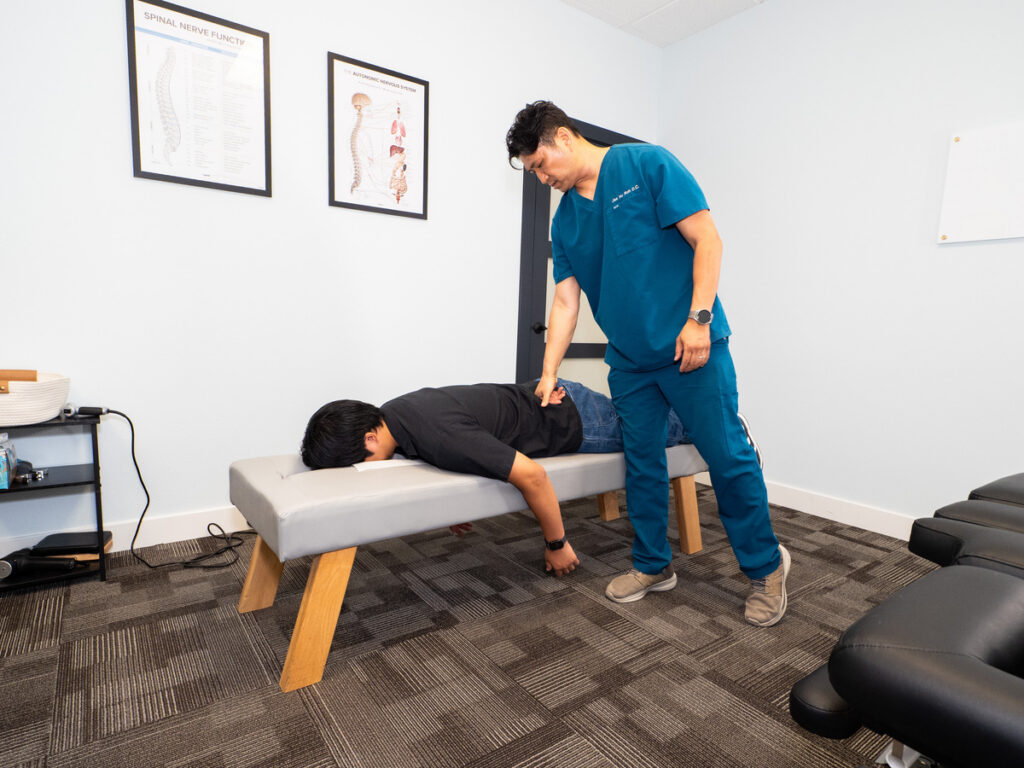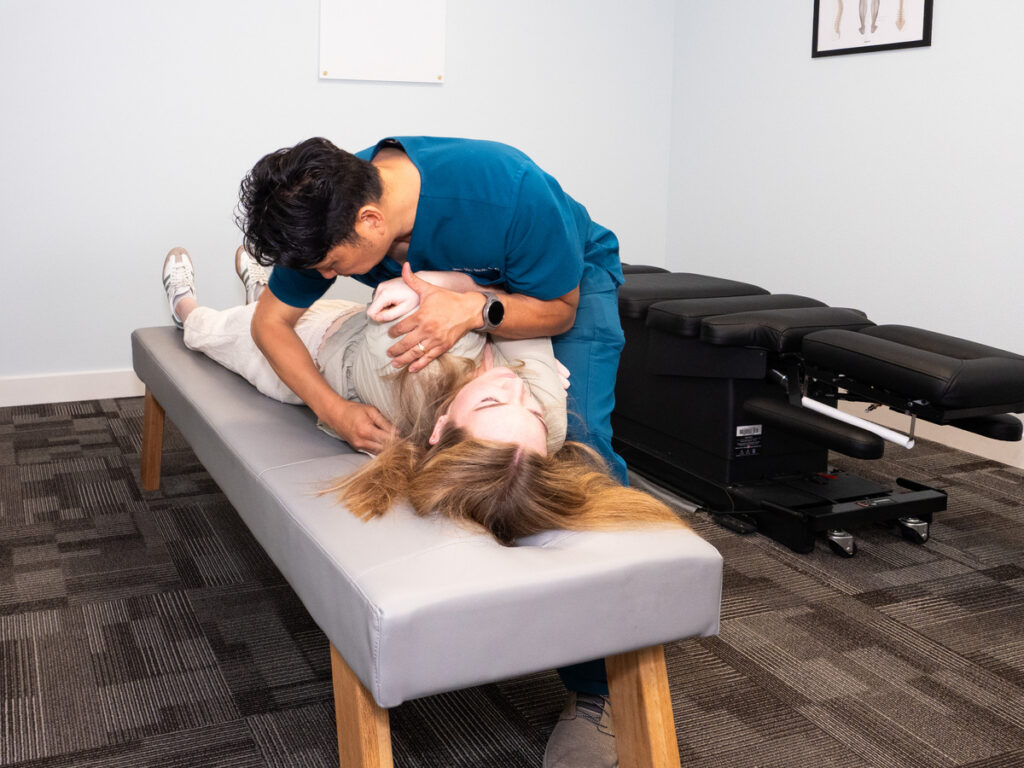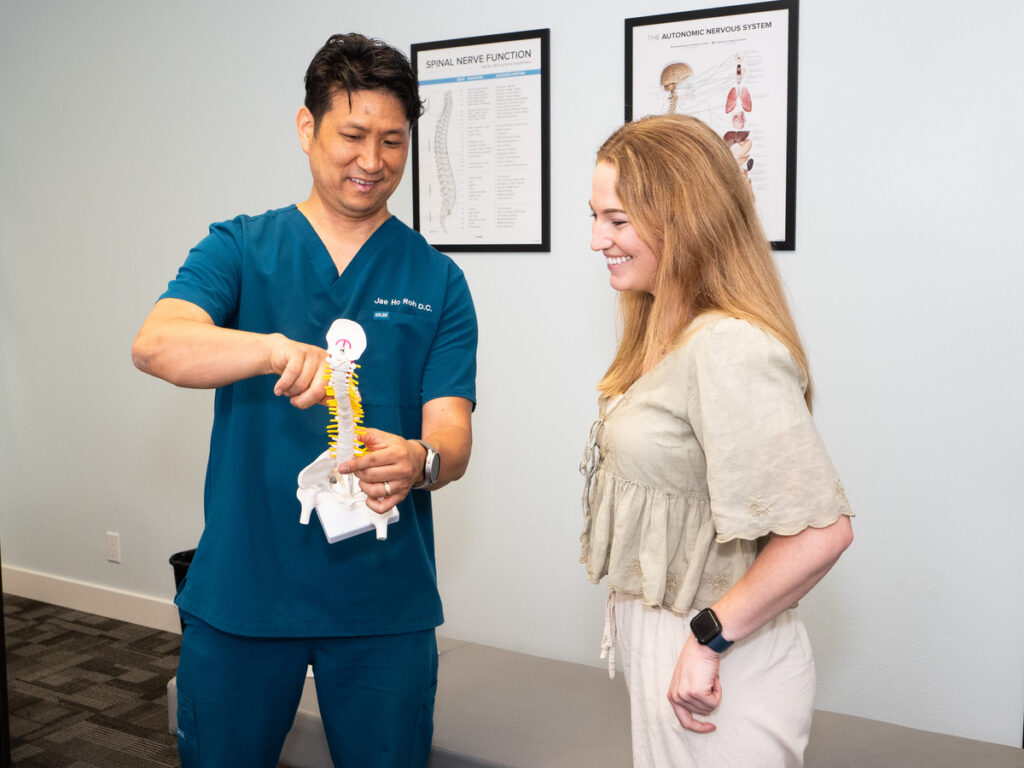

If you’re experiencing both neck pain and migraines, you’re likely aware of how incapacitating they can be. It’s crucial to recognize the connection between these two issues to find effective relief. As a chiropractor, I believe that chiropractic care is one of the best ways to address these concerns and promote overall wellness.
Chiropractic adjustments can help realign the spine, alleviate tension, and improve blood flow, which may significantly reduce both neck pain and migraine frequency. Here are some strategies you can implement at home to complement your chiropractic care and enhance your wellness journey:
- Posture Awareness: Maintaining good posture, whether you’re sitting at a desk or using your phone, can alleviate strain on your neck. Remember to keep your shoulders back and your head in line with your spine.
- Gentle Stretching: Incorporating gentle neck and shoulder stretches into your daily routine can help relieve tension. Simple movements like tilting your head from side to side or gently rolling your shoulders can make a difference.
- Hydration: Staying well-hydrated is key. Dehydration can trigger headaches, so aim to drink plenty of water throughout the day.
- Regular Chiropractic Visits: Regular adjustments can help maintain your spinal health and prevent the recurrence of neck pain and migraines. Your chiropractor will tailor a treatment plan to your specific needs, ensuring you receive the care that works best for you.
- Stress Management: Stress can contribute to both neck pain and migraines. Consider incorporating mindfulness practices such as deep breathing, yoga, or meditation into your routine to help manage stress levels.
- Sleep Hygiene: Ensure you’re getting adequate sleep in a comfortable position. Using a supportive pillow that maintains the natural curve of your neck can promote better sleep and reduce neck strain.
If you continue to struggle with neck pain and migraines, it’s important to consult with a chiropractor who can help address the root causes of your discomfort. Remember, taking a holistic approach to your health and wellness is the key to lasting relief. By focusing on natural healing methods, you can achieve optimal health without the need for invasive procedures or medications.
Key Takeaways
As a local chiropractor dedicated to helping you achieve optimal health, I want to provide you with effective solutions for neck pain that can also alleviate migraine symptoms. Here are some valuable tips to consider:
- Maintain Good Posture: Practicing proper posture is crucial in reducing neck strain. By keeping your spine aligned, you can minimize tension that may trigger migraines. Remember to sit up straight and keep your shoulders relaxed—this simple adjustment can make a big difference.
- Incorporate Gentle Neck Stretches: During your desk work, take regular breaks to perform gentle neck stretches. This helps to release muscle tightness and promotes relaxation. Simple movements like tilting your head side to side or gently rolling your neck can do wonders for relieving tension.
- Use Supportive Pillows: When it comes to sleep, having the right pillow is essential for maintaining proper neck alignment. A supportive pillow can help reduce discomfort and prevent migraines from developing overnight. Look for pillows designed specifically for neck support to enhance your sleep quality.
- Stay Hydrated: Hydration is key to overall health. By drinking plenty of water, you can help prevent dehydration-related neck pain and migraine symptoms. Aim to keep a water bottle handy throughout the day to stay on track.
- Consider Chiropractic Care: Chiropractic care is a natural and effective approach to addressing neck pain and migraines. Spinal adjustments performed by a skilled chiropractor can help realign your spine, relieve muscle tension, and promote relaxation. This holistic method not only targets your neck pain but can also contribute to long-term migraine relief.
By incorporating these tips into your daily routine and prioritizing chiropractic care, you can take significant steps toward achieving better health and wellness. Remember, you don’t have to manage neck pain and migraines alone—your chiropractor is here to help guide you on your journey to optimal health!
Understanding the Connection Between Neck Pain and Migraines
While many people think of migraines as purely head-related issues, it’s important to understand that neck pain often plays a significant role in their development. You might be surprised to learn how tension in your neck can contribute to the severity and frequency of your migraines. The muscles and nerves in your neck and head work together, so tightness or strain in the neck can easily trigger migraine symptoms.
Common causes of neck discomfort include poor posture, stress, or even sleeping in an awkward position. When your neck is in pain, your body may respond by tightening other muscles, leading to a cycle of discomfort. This is where chiropractic care can be incredibly beneficial. By addressing the underlying issues in your neck and spine, a chiropractor can help alleviate pain and tension, potentially reducing the intensity and frequency of your migraines.
Here are a few tips to help manage neck pain and, in turn, reduce migraine occurrences:
- Practice Good Posture: Keep your head aligned with your spine while sitting or standing. This can help reduce unnecessary strain on your neck.
- Stay Hydrated: Dehydration can contribute to both neck pain and migraines, so make sure you’re drinking plenty of water throughout the day.
- Take Breaks: If you spend long hours at a desk, take regular breaks to stretch your neck and shoulders. Simple movements can relieve tension.
- Sleep Smart: Ensure your pillow supports your neck properly. Ideally, your head should be aligned with your spine while you sleep to avoid strain.
- Consider Chiropractic Care: Regular visits to a chiropractor can help keep your spine aligned and reduce tension in your neck, which may lead to fewer migraines.
At-Home Remedies for Neck Pain Relief
If you’re experiencing neck pain, you’re certainly not alone. Many people face this issue, but the good news is that you can find relief through natural methods, including chiropractic care, which focuses on restoring proper alignment and function to your spine.
One effective approach is to apply a warm compress or heating pad to your neck for 15-20 minutes. This simple technique helps to relax tight muscles and improve blood circulation, promoting healing.
Alternatively, if you prefer, you can use an ice pack wrapped in a cloth for 10-15 minutes to reduce any inflammation and numb the area.
Incorporating gentle stretching into your daily routine can also be incredibly beneficial. Try tilting your head side to side and rotating it slowly to release tension.
Additionally, maintaining good posture while sitting and utilizing ergonomic furniture can significantly reduce strain on your neck and spine.
Staying hydrated is another key factor in preventing muscle pain, so be sure to drink plenty of water throughout the day.
While pain relief from over-the-counter medications is common, chiropractic care offers a natural, holistic approach to managing discomfort without the need for drugs or invasive procedures.
Consider visiting a chiropractor who can provide personalized treatment plans, including spinal adjustments and therapeutic exercises.
By prioritizing chiropractic care, you’ll be taking a proactive step towards achieving optimal health and wellness, ultimately finding lasting relief from your neck pain.
Physical Therapy Techniques for Migraine and Neck Pain
Chiropractic care can be a vital component in relieving both migraines and neck pain. By utilizing specific techniques, you can ease tension and enhance mobility naturally. Here are some effective chiropractic methods that can help you feel better:
| Technique | Benefits |
|---|---|
| Spinal Adjustments | Alleviates pain and improves nerve function |
| Soft Tissue Therapy | Reduces muscle tension and promotes relaxation |
| Therapeutic Exercises | Strengthens neck and shoulder muscles for better support |
| Posture Correction | Improves alignment to prevent strain and discomfort |
| Natural Modalities (e.g., heat) | Relaxes muscles and eases pain without medication |
Working with a qualified chiropractor can make a significant difference in your health and wellness journey. They will create a personalized treatment plan that focuses on your unique needs, helping you manage both migraines and neck discomfort effectively.
In addition to chiropractic adjustments, here are some general tips to enhance your well-being:
- Maintain Good Posture: Ensure your workstation is ergonomically designed to minimize strain on your neck and back.
- Stay Hydrated: Drinking plenty of water can help reduce headache frequency and intensity.
- Take Breaks: If you work at a desk, take regular breaks to stretch and move around to prevent stiffness.
- Practice Relaxation Techniques: Incorporate deep breathing or meditation into your daily routine to reduce stress, which can trigger migraines.
Lifestyle Changes to Reduce Neck Tension and Migraines
Making simple lifestyle changes can significantly help reduce neck tension and migraines, and chiropractic care can play a key role in this journey to better health. As a chiropractor, I often see how addressing posture and spinal alignment can lead to relief from pain and discomfort.
Start by evaluating your posture during daily activities. Ensure that your workstation is ergonomically designed; this means keeping your computer screen at eye level to prevent unnecessary strain on your neck. Regularly take breaks to stretch and move around, especially if you find yourself sitting for long periods. These small adjustments can help keep your spine aligned and alleviate tension.
Staying hydrated is also crucial. Drinking enough water can fend off dehydration, which is a common trigger for migraines. In addition, incorporating gentle exercises, such as yoga or tai chi, into your routine can enhance flexibility and strength in your neck and shoulders, further supporting your spinal health.
Consider your sleep habits as well. A supportive pillow can make a difference in maintaining proper neck alignment while you sleep. Pair this with a consistent sleep schedule to improve the quality of your rest. Quality sleep is essential for overall wellness and can help reduce the frequency of migraines.
Don’t forget about stress management. Mindfulness practices or deep breathing techniques can help alleviate tension in your body. Chiropractic care often includes education on stress reduction and relaxation techniques that complement your treatment, promoting a holistic approach to health.
When to Seek Professional Help for Neck Pain and Migraines
Recognizing when to seek professional help for neck pain and migraines is crucial for maintaining your overall well-being. Ignoring persistent symptoms can lead to more significant issues over time. As a chiropractor, I believe in addressing these concerns naturally and effectively. Here are some signs that should prompt you to seek chiropractic care:
- Chronic Pain: If your neck pain lasts longer than a few days or seems to get worse, it’s a good idea to consult a chiropractor. We can assess your spine and help relieve tension naturally.
- Severe Headaches: If you experience sudden, debilitating migraines that interfere with your daily activities, don’t wait. Chiropractic care can help identify the underlying causes of your headaches and offer relief.
- Numbness or Tingling: Experiencing numbness, tingling, or weakness in your arms or hands is a signal your body needs attention. A chiropractor can provide the care you need to restore proper function and alleviate discomfort.
- Accompanied Symptoms: If your neck pain comes with other symptoms like fever, unexplained weight loss, or vision changes, it’s important to seek professional care right away. While chiropractic care can greatly assist with pain relief, it’s wise to ensure there are no serious underlying conditions.
In addition to seeking professional help, there are general tips you can incorporate into your daily routine to support your neck and overall health:
- Posture Awareness: Maintain good posture, especially if you spend long hours at a desk. Regularly check your alignment and make adjustments when needed.
- Regular Movement: Take breaks to stretch and move throughout the day. Gentle neck stretches can reduce tension and improve flexibility.
- Stay Hydrated: Drinking plenty of water supports overall health and helps keep your muscles and joints functioning properly.
- Sleep Support: Ensure your sleeping position and pillow support your neck well to prevent stiffness and pain.
By addressing these symptoms early and incorporating healthy habits into your routine, you can enhance your well-being and improve your quality of life.
Conclusion
In summary, addressing neck pain is crucial for reducing migraine symptoms, and chiropractic care is one of the best natural solutions available. By focusing on maintaining good posture, staying well-hydrated, and incorporating gentle stretches into your daily routine, you can effectively alleviate tension in your neck and shoulders.
Consider visiting your local chiropractor, who can provide personalized adjustments and treatments tailored to your specific needs, helping to restore proper alignment and relieve pain. Investing in ergonomic furniture, such as supportive chairs and desks, can further enhance your comfort and support your spine throughout the day.
Additionally, maintaining a proper sleep position with supportive pillows is essential for your neck health. If you find that neck pain and migraines continue to linger, don’t hesitate to seek out professional chiropractic care. A chiropractor can help you identify the underlying issues and guide you towards a natural healing process that improves your overall quality of life.
Remember, the journey to optimal health is not just about treating symptoms—it’s about fostering a lifestyle that prioritizes wellness. Embrace these tips, and consider chiropractic care as a key partner in your journey to feeling your best!