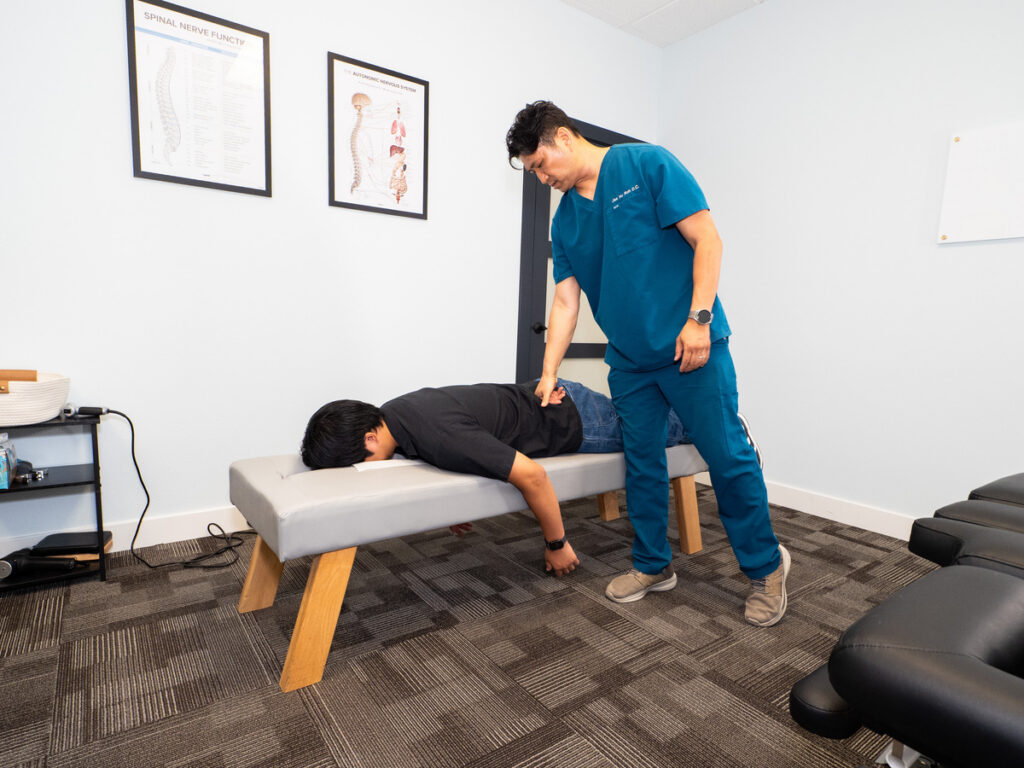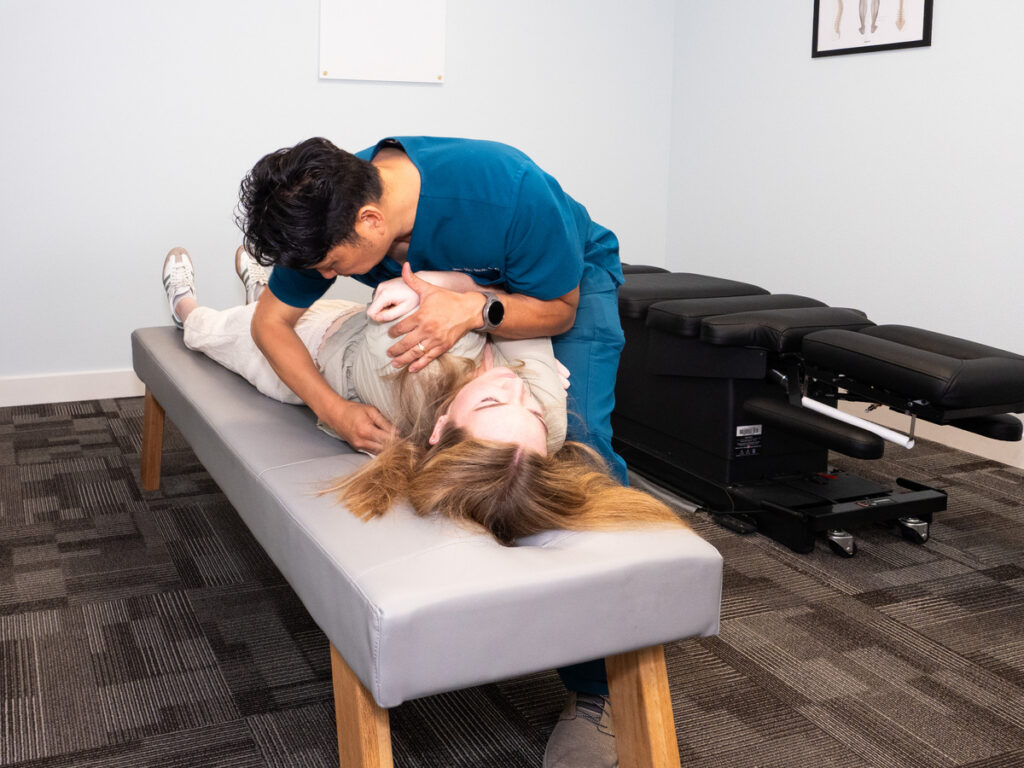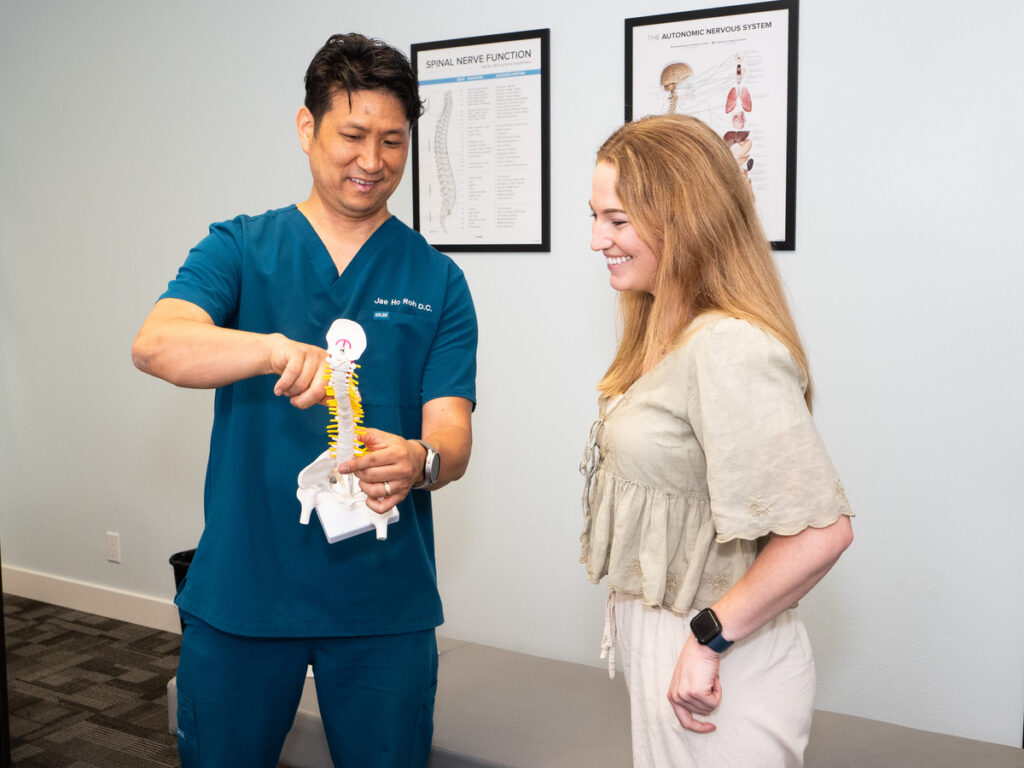

As a local chiropractor, I understand that many of you may be experiencing back pain, and I want to emphasize the importance of posture in alleviating that discomfort. You might not be aware of how your everyday habits can affect the health of your spine. By incorporating a few straightforward techniques into your daily routine, you can start to relieve your pain and enhance your overall well-being. If you’re wondering where to start, let’s dive into some effective strategies that can change how you sit, stand, and move throughout your day. Embracing these practices can lead to a healthier spine and a more comfortable life.
The Importance of Ergonomic Seating
As a local chiropractor, I want to emphasize the importance of proper seating, especially since many of you spend countless hours sitting each day.
Investing in ergonomic seating is crucial for preventing back pain and promoting overall spinal health. An ergonomic chair is specially designed to support the natural curve of your spine and encourage good posture.
When selecting a chair, ensure that it allows your feet to rest flat on the floor, with your knees forming a 90-degree angle. This positioning helps alleviate strain on your back and neck, which can contribute to discomfort over time.
It’s also essential to choose a chair equipped with adjustable lumbar support that aligns with the natural curvature of your lower back. Additionally, armrests should be positioned at a height that allows your shoulders to relax, further reducing tension in your upper body.
Remember, it’s not just about the chair; taking regular breaks to stand, stretch, and move around is vital. This practice promotes blood flow and keeps your muscles engaged, which is key for maintaining a healthy spine.
Investing in proper ergonomic seating is more than just a comfort choice; it’s a proactive measure for your long-term health and well-being. Your spine will thank you!
Correct Lifting Techniques
As a local chiropractor, I want to emphasize the importance of using proper lifting techniques to prevent back pain and injuries, even if you have an ergonomic chair. Protecting your spine is essential for your overall health.
Here are some guidelines to lift safely:
- Position yourself close to the object you’re about to lift. This minimizes the strain on your back and helps you maintain better control.
- Bend at your knees, not at your waist. By squatting down, you engage your strong leg muscles instead of overexerting your back, which is vital for avoiding injury.
- Keep your back straight and maintain a forward gaze. This posture helps to keep your spine aligned and can significantly reduce the risk of injury.
- Lift using your legs. When you begin to rise, push through your heels and use your leg muscles to lift the object smoothly. This technique will alleviate pressure on your back and promote better lifting habits.
By following these techniques, you can help protect your spine and maintain a healthy back, reducing the need for chiropractic intervention in the future.
Standing Posture for Spinal Health
As a local chiropractor, I want to emphasize the importance of maintaining proper standing posture for your spinal health. Your posture plays a pivotal role in how your body bears weight and aligns throughout the day. To promote optimal spinal health, I recommend standing tall with your feet shoulder-width apart, ensuring that your weight is evenly distributed on both feet.
It’s important to keep your knees slightly bent, avoiding a locked position to alleviate pressure on your joints. Engaging your core muscles is crucial in supporting your spine and maintaining an upright position. Aim to align your ears, shoulders, and hips in a straight line—this will help you avoid slumping or leaning forward.
Your shoulders should be relaxed and gently pulled back, while your head should sit level, not jutting forward. If you find yourself standing for extended periods, try shifting your weight from one foot to the other occasionally to combat fatigue.
Additionally, don’t underestimate the impact of proper footwear on your posture. Choosing supportive shoes can significantly contribute to maintaining balance and comfort throughout the day. By following these guidelines, you can enhance your spinal health and lower your risk of experiencing back pain.
Stretching and Strengthening Exercises
As a local chiropractor, I want to share some valuable insights on how incorporating a blend of stretching and strengthening exercises can significantly alleviate back pain and enhance your overall spinal health.
Many of my patients have found that by focusing on specific movements, they can improve flexibility, support their spine, and build essential core strength.
Here are four exercises I recommend considering:
- Cat-Cow Stretch: This dynamic movement is excellent for increasing flexibility in your spine, which can lead to better posture and less discomfort.
- Child’s Pose: This gentle stretch is particularly effective in relieving tension in your back and promoting relaxation, making it a wonderful addition to your routine.
- Plank: Engaging in planks not only strengthens your core but also stabilizes your spine, reducing strain and discomfort in your back.
- Bridges: This exercise targets your glutes and lower back muscles, providing vital support for your spine and helping to alleviate pain.
I encourage you to integrate these exercises into your daily routine.
Many of my patients report a noticeable improvement in their back pain and overall well-being after committing to these essential movements.
Mindfulness and Body Awareness
As a chiropractor, I often see patients struggling with back pain, and I want to share how mindfulness and body awareness can significantly enhance your healing journey. By tuning into your body, you can become more attuned to the tension and discomfort that may arise, allowing you to address issues before they worsen.
Mindfulness encourages you to be conscious of your posture and movements throughout your day-to-day activities. This awareness can help you identify habits that may be contributing to your back pain. I recommend starting with a daily practice focused on your breath. Taking just a few moments each day to center yourself can ground you and improve your awareness of your body’s positioning, whether you’re sitting at a desk or standing in line.
Pay attention to any tightness you feel in your back, shoulders, or neck. When you notice these areas of tension, take a moment to consciously relax them. This simple act can create a ripple effect, promoting better alignment and reducing pain over time.
Incorporating body awareness into your routine allows you to make real-time adjustments to your posture. If you catch yourself slouching or adopting an uncomfortable position, gently correct it.
As you practice this heightened awareness, you’ll likely find that your alignment improves, leading to less discomfort.
Embrace the principles of mindfulness, and you’ll empower yourself to take an active role in managing your back pain. Remember, chiropractic care works best when paired with a mindful approach to your body, helping you achieve long-lasting relief and improved well-being.