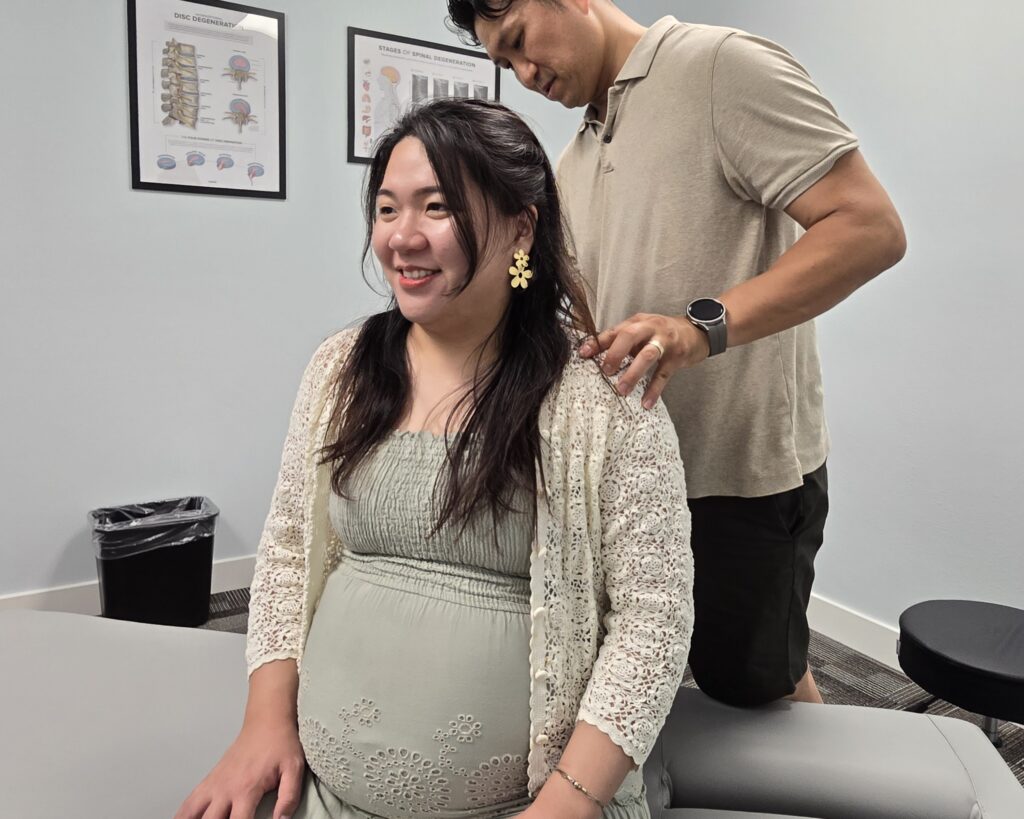

If you're experiencing ongoing back pain, I want you to know that you're not alone, and there are effective ways to find relief. As a local chiropractor, I often recommend incorporating proven techniques such as targeted stretching and core strengthening into your daily routine. These practices can significantly improve your back health over time.
Additionally, simple adjustments like using heat or cold therapy can provide immediate comfort and help alleviate pain. It's also crucial to understand the underlying causes of your discomfort. This is where chiropractic care comes into play. By assessing your spine and overall musculoskeletal health, we can identify specific issues that may be contributing to your pain.
It's equally important to know when to seek professional help. If you've tried self-care methods without improvement, don't hesitate to reach out. Together, we can explore personalized treatment options that not only address your symptoms but also promote long-term healing and wellness. If you're curious about which techniques might work best for you and how to implement them effectively, I'm here to guide you on your journey to better back health.
Understanding Back Pain
Understanding back pain is crucial for your overall health, and as a local chiropractor, I want to help you recognize its various causes and symptoms. Many people experience discomfort due to issues like muscle strain, improper lifting techniques, or even stress. These factors can lead to tension and pain, which is why it's essential to identify the triggers behind your discomfort.
Often, back pain can arise from overexertion or sitting for extended periods without proper posture. If you've been lifting heavy objects without the right form or spending hours at your desk, your back may be signaling that it needs some care.
The symptoms of back pain can vary significantly. You might notice a dull ache, sharp stabbing sensations, or stiffness that limits your movement. In some cases, the pain may radiate down your legs, which could indicate that nerves are involved. It's important to listen to your body and understand what these signs may mean.
Acute pain typically comes on suddenly and lasts less than six weeks, while chronic pain can persist for much longer and often requires a more thorough evaluation.
If you're experiencing persistent or worsening pain, I encourage you to consult with a healthcare professional, like myself. I can help diagnose the specific issues you're facing and suggest effective, natural treatment options tailored to your needs.
Ignoring these symptoms can lead to more significant problems in the future, so it's best to address them early on. By understanding the causes of back pain and recognizing its symptoms, you empower yourself to take action and seek relief.
Taking proactive steps now can greatly enhance your overall well-being and quality of life.
Importance of Proper Posture
As a local chiropractor, I want to emphasize the importance of maintaining proper posture for your overall health and well-being. Good posture isn't just about standing up straight; it's about aligning your body in a way that minimizes strain on your muscles and ligaments. When you sit, stand, or move with proper posture, you help distribute your weight evenly across your spine, which can significantly reduce discomfort and fatigue.
Many people are unaware that poor posture can lead to a variety of health issues beyond just back pain. Slouching or leaning forward can compress your spine, resulting in muscle imbalances that, over time, may contribute to chronic pain and limit your mobility. By being mindful of your posture, you can help prevent these problems and promote a healthier back.
I encourage you to pay attention to your posture throughout your daily activities, whether you're working at your desk or on the move. Keep your shoulders relaxed and your back straight. When seated, ensure your feet are flat on the floor and your knees are either at or below hip level. If you're standing, try to distribute your weight evenly on both feet and avoid locking your knees.
Consider investing in ergonomic furniture and tools that support good posture. A chair designed to promote a natural spinal curve and a desk at the correct height can make a meaningful impact on your comfort.
Remember, developing good posture habits takes time and practice, so don't feel discouraged if it seems challenging at first. With persistence, maintaining proper posture will become second nature, leading to less pain and a more active lifestyle.
As your chiropractor, I'm here to support you on this journey to better posture and overall health. Let's work together to promote wellness through natural healing and proper alignment.
Stretching and Flexibility Exercises
As a local chiropractor, I want to emphasize the importance of incorporating stretching and flexibility exercises into your daily routine to enhance your overall back health and mobility. These exercises play a crucial role in reducing muscle tension, increasing your range of motion, and promoting better posture. Additionally, they can help alleviate discomfort and prevent future pain, which is vital for maintaining a healthy spine.
Let's start with a gentle stretch that I recommend: the cat-cow pose. This exercise is excellent for warming up your spine and improving flexibility. To perform it, get on your hands and knees. As you inhale, arch your back and lift your head, and as you exhale, round your back and tuck your chin. Repeating this flow several times can help release built-up tension in your back.
Another effective stretch is the seated forward bend. Sit with your legs extended in front of you, reach towards your toes, and you'll feel a nice stretch in your lower back and hamstrings. Hold this position for 15-30 seconds, breathing deeply, and focus on relaxing your back muscles.
Don't overlook the child's pose either. This is a restorative pose where you kneel, sit back on your heels, and stretch your arms forward while lowering your torso. It's a wonderful way to elongate the spine and relax the back muscles.
I encourage you to integrate these stretches into your daily routine, especially after prolonged periods of sitting or standing. It's essential to listen to your body during these exercises—avoid pushing yourself too hard. Aim for a gentle pull rather than pain.
Strengthening Core Muscles
As a chiropractor, I want to emphasize the importance of a strong core for supporting your spine and preventing back pain. Many individuals may not realize that when your core muscles are robust, they play a crucial role in stabilizing your body. This stabilization allows you to maintain proper posture and significantly reduces strain on your back, which can help alleviate discomfort and prevent injuries.
You don't need to spend hours at the gym to strengthen your core. In fact, there are simple exercises that can yield significant results. Let's start with planks. To perform a plank, position yourself face down on the floor, resting on your forearms and toes. Keep your body straight from head to heels. Try to hold this position for 20-30 seconds, and as you build strength, gradually increase the duration. Planks are excellent for engaging multiple core muscles and boosting your overall stability.
Another effective exercise is the bridge. Lie on your back with your knees bent and feet flat on the floor. Raise your hips toward the ceiling while squeezing your glutes at the top of the movement. Hold for a few moments before lowering back down. This exercise not only strengthens your core but also benefits your lower back and glutes, which are essential for overall stability.
Pelvic tilts are also a fantastic addition to your routine. While lying on your back with your knees bent, gently flatten your lower back against the floor by tightening your abdominal muscles. Hold this position for a few seconds, then relax. This simple movement is excellent for enhancing both core strength and flexibility.
I encourage you to be consistent with these exercises. Aim to incorporate them into your routine two to three times a week. As you strengthen your core, you'll likely notice improvements in your posture, a reduction in back pain, and enhanced stability overall.
Heat and Cold Therapy
As a local chiropractor, I often see patients struggling with back pain, and I want to share how heat and cold therapy can make a significant difference in your recovery. These two methods are valuable tools in managing pain and encouraging healing, but they operate in unique ways, so it's essential to understand when to use each for optimal results.
Heat therapy is fantastic for relaxing tight muscles and enhancing blood flow. When you apply a warm compress or heating pad to your back, it can alleviate discomfort and support the healing process. I recommend using heat for about 15 to 20 minutes at a time. If you enjoy bathing, a warm bath can also provide soothing relief. Just ensure the temperature is comfortably warm and not too hot to prevent burns.
On the flip side, cold therapy is excellent for reducing inflammation and numbing sharp pain. Using ice packs or a bag of frozen vegetables wrapped in a towel can be beneficial when applied to the painful area for up to 20 minutes. Cold therapy is particularly effective in the first 48 hours after an injury or flare-up, as it helps minimize swelling and discomfort.
For the best results, consider alternating between heat and cold therapy. Start with cold to tackle inflammation, then switch to heat to relieve muscle tension. It's important to listen to your body; if one method feels more effective for you, follow that instinct.
Always remember to give your skin breaks between treatments to prevent irritation. By incorporating heat and cold therapy into your pain management regimen, you can experience significant relief and enhance your overall comfort.
If you have any questions or need further guidance, feel free to reach out during your next visit. Your path to better health and well-being is our priority!
Ergonomic Workspace Setup
As a local chiropractor, I want to emphasize the importance of creating an ergonomic workspace to prevent back pain and promote your overall health, especially if you find yourself sitting at a desk for extended periods.
One of the first steps is to choose a chair that provides proper lumbar support. Your lower back should fit snugly against the chair's backrest to maintain the natural curve of your spine. Adjust the chair height so that your feet are flat on the floor and your knees are at a 90-degree angle. If your chair doesn't allow for height adjustments, using a footrest can make a significant difference.
Next, let's talk about your desk and computer monitor. Ideally, your monitor should be positioned at eye level, about an arm's length away from you. The top of the screen should be at or slightly below eye level, which can help reduce neck strain—an all-too-common issue in our digital age.
If you primarily use a laptop, consider investing in a stand along with an external keyboard and mouse to create a more comfortable setup.
When it comes to your keyboard and mouse, it's crucial to keep them close enough so that you can keep your elbows close to your body and your wrists in a neutral position. Avoid reaching or twisting your arms while typing, as such positions can lead to discomfort and contribute to musculoskeletal issues.
I also recommend taking regular breaks—stand up, stretch, and walk around every 30 to 60 minutes. Not only does this help relieve tension, but it also encourages better circulation, which is vital for your overall health.
Lastly, maintaining good posture while sitting is essential. Keep your shoulders relaxed and your back straight.
Mindfulness and Relaxation Techniques
As a local chiropractor, I want to share with you how just five minutes of mindfulness each day can significantly aid in your journey toward back pain relief. Mindfulness is about focusing your mind and calming your body, which can help lower stress and tension—common contributors to back pain.
To get started, find a quiet space where you can sit comfortably. Close your eyes and take deep, intentional breaths. Inhale slowly through your nose, hold it for a moment, and then exhale gently through your mouth. This simple practice helps center your thoughts and brings awareness to your body, which is essential for understanding how you feel.
As you practice mindfulness, pay attention to any sensations in your back. It's important to acknowledge discomfort without judgment—just notice it and then shift your focus back to the rhythm of your breath. You might also try visualizing a warm light spreading through your back, soothing and relaxing the muscles. This imagery can enhance relaxation and help decrease your perception of pain.
In addition to mindfulness, I recommend incorporating relaxation techniques such as progressive muscle relaxation. This involves tensing and then relaxing different muscle groups, starting from your toes and working your way up to your head. This technique not only alleviates tension but also fosters a deeper connection between your mind and body, which is crucial for overall well-being.
Alternative Therapies
As a local chiropractor, I want to share the benefits of exploring alternative therapies as part of your back pain relief strategy. Many of my patients have found that approaches such as chiropractic care, acupuncture, and massage therapy can provide significant relief by addressing the underlying causes of pain rather than merely masking the symptoms.
Chiropractic care, in particular, is a highly effective method for treating back pain. It involves spinal manipulation to align your spine and enhance overall function. Regular adjustments not only help alleviate pain but also play a crucial role in preventing future issues.
If you're considering this route, I encourage you to seek out a qualified chiropractor who specializes in treating back pain. We're here to guide you through your journey to improved health and mobility.
In addition to chiropractic care, acupuncture is another option worth exploring. This method involves inserting thin needles into specific points on your body to stimulate energy flow and promote healing. Research has shown that acupuncture can effectively reduce pain and improve functionality for those dealing with chronic back pain.
If you're open to trying acupuncture, I can recommend licensed practitioners who work closely with my clinic.
Massage therapy is also an excellent complement to chiropractic treatment. It helps relieve muscle tension, enhances circulation, and promotes relaxation. A skilled massage therapist can focus on targeted areas of discomfort, providing both immediate relief and support for long-term recovery.
For optimal results, look for a therapist who specializes in therapeutic or deep tissue massage.
Lastly, you may want to consider incorporating herbal remedies and supplements, such as turmeric or ginger, which are known for their anti-inflammatory properties. However, I always advise consulting with a healthcare professional before starting any new treatments, especially if you're taking medication.
By integrating these alternative therapies into your overall back pain management plan, you can enhance your well-being and improve your quality of life.
I'm here to support you on this journey toward natural healing and recovery.
Over-the-Counter Pain Relief
As a local chiropractor, I often see patients struggling with back pain who mightn't be familiar with the benefits of chiropractic care and natural healing methods.
While over-the-counter pain relievers can provide quick relief, it's crucial to understand how to use them safely and effectively.
There are several common options available, such as ibuprofen and acetaminophen, but knowing the right dosages is essential to avoid potential side effects.
Remember, these medications can mask the pain, but they don't address the underlying issues.
Incorporating chiropractic care can be a great complement to these treatments. We focus on correcting spinal misalignments and improving overall function, which can lead to long-term relief.
Additionally, I can provide you with tips on how to enhance the effectiveness of your pain relief strategies, including exercises and lifestyle modifications that promote healing.
If you're struggling with back pain, consider exploring both over-the-counter options and chiropractic care for a holistic approach to your health.
Let's work together to find the best path to your recovery.
Common Pain Relievers
As a local chiropractor, I often encounter patients struggling with back pain, and I want to educate you about some common options for relief, including over-the-counter pain relievers.
Two of the most frequently used medications are nonsteroidal anti-inflammatory drugs (NSAIDs) and acetaminophen.
NSAIDs, such as ibuprofen and naproxen, can be quite helpful in reducing inflammation and alleviating pain, especially if your discomfort is due to muscle strain or injury. However, it's essential to remember that while these medications can provide quick relief, they aren't a long-term solution for managing back pain.
Acetaminophen is another option that can effectively relieve pain but doesn't address inflammation. If you find yourself sensitive to NSAIDs or have specific health issues, acetaminophen might be a better choice for you.
Understanding how these medications work can help you make informed decisions about your pain management. NSAIDs inhibit certain enzymes that contribute to inflammation, while acetaminophen mainly alters how your brain perceives pain. You may need to try both to determine which works best for your unique situation.
I encourage you to read medication labels carefully and be aware of potential side effects or interactions with other treatments you may be undergoing.
While these pain relievers can be effective, they're just one piece of the puzzle. Consulting with a healthcare professional, such as a chiropractor, can provide you with a comprehensive approach to managing your back pain, including natural healing methods that address the root causes of your discomfort.
Dosage and Safety Tips
As a local chiropractor, I want to help you understand the importance of safe and effective pain management, particularly when it comes to back pain. Many people turn to over-the-counter pain relief, such as non-steroidal anti-inflammatory drugs (NSAIDs) like ibuprofen and naproxen. While these medications can offer temporary relief, it's crucial to use them responsibly and in accordance with recommended dosages.
For example, adults can typically take ibuprofen every 6-8 hours, but it's important not to exceed 1,200 mg per day without consulting a healthcare professional. Naproxen is usually taken every 8-12 hours, with a maximum daily dose of 660 mg. Always take a moment to read the medication label for specific instructions.
If you have any pre-existing health conditions—such as kidney issues or gastrointestinal concerns—please discuss these with your healthcare provider before taking any medication. Additionally, be wary of mixing different pain relievers, as this can lead to unwanted side effects.
Staying hydrated is also important, as some pain medications can contribute to dehydration. Keep an eye out for any adverse reactions, such as stomach pain or dizziness; if you experience these, it's best to discontinue use and seek guidance.
While over-the-counter pain relief can be a helpful tool, remember that if your back pain persists for more than a few days or worsens, it's essential to consult with a healthcare professional.
As a chiropractor, I believe in addressing the root causes of pain through natural healing methods like spinal adjustments, exercises, and lifestyle changes. Together, we can find a holistic approach to managing your discomfort and improving your overall wellness.
When to Seek Professional Help
If you've been experiencing back pain for more than a few weeks, it may be time to consider reaching out for professional help, such as chiropractic care.
As a chiropractor, I want to emphasize the importance of listening to your body. If you notice any additional symptoms like numbness or weakness, these can indicate a more serious underlying issue that shouldn't be ignored.
Moreover, if your pain is affecting your ability to go about your daily activities, it's crucial to seek guidance from a healthcare provider who understands natural healing methods.
Chiropractic care focuses on restoring balance and function to your body, helping you manage pain effectively and improve your overall well-being.
Persistent Pain Duration
As a local chiropractor, I understand that back pain can be a frustrating and debilitating experience, especially when it lingers longer than you might expect. If you're dealing with persistent pain that lasts for more than a few weeks, it's crucial to take action.
While some discomfort may improve with rest and at-home care, chronic pain often indicates deeper issues that could benefit from professional assessment and treatment.
If your back pain is affecting your daily activities or diminishing your quality of life, I encourage you to seek help. Ignoring the pain can lead to more significant issues down the line. The sooner you address it, the better your chances of developing an effective treatment plan tailored to your needs.
If you notice that your pain is intensifying or radiating to other areas of your body, this is a clear signal to consult a healthcare professional like myself.
As a chiropractor, I can provide you with natural healing techniques and strategies to manage your pain effectively. This may include a thorough evaluation, spinal adjustments, and personalized exercise recommendations.
At our practice, we focus on treating the root causes of pain rather than just masking symptoms. Remember, your health is paramount, and it's always wise to err on the side of caution.
Listen to your body; if your back pain persists longer than it should, don't hesitate to reach out for support. Your comfort and well-being matter, and we're here to help you on your journey to recovery.
Accompanying Symptoms Assessment
As your local chiropractor, I want to help you understand the importance of paying attention to any accompanying symptoms that may arise with your back pain.
It's crucial to recognize these signs, as they can indicate a more serious issue that might require immediate attention.
If you find yourself experiencing numbness or tingling in your legs or feet, this could suggest that your nerves are involved. This is something we take seriously in chiropractic care, and it's advisable to seek professional guidance if you notice these symptoms.
Additionally, if your pain radiates down your legs, it may point towards conditions like sciatica, which is often related to nerve irritation.
It's also vital to be aware of any changes in bowel or bladder control. Symptoms such as difficulty urinating, incontinence, or loss of sensation in the genital area can indicate a serious condition called cauda equina syndrome. This is a medical emergency, and I urge you to seek help right away if you experience these issues.
Other serious symptoms to watch for include fever, unexplained weight loss, or persistent pain at night. These can be signs of infections or other underlying health concerns that require prompt attention.
Lastly, if you notice severe weakness in your legs or difficulty walking, please don't hesitate to reach out for professional help.
At our chiropractic practice, we focus on holistic approaches to healing and wellness. By addressing not just your back pain but any accompanying symptoms, we aim to support your overall health and well-being.
Impact on Daily Activities
Chronic back pain can significantly interfere with your daily activities, turning even the simplest tasks into daunting challenges. Many of my patients express difficulty getting out of bed in the morning, which can make it hard to tackle household chores or enjoy quality time with family and friends.
This ongoing discomfort not only affects your physical abilities but can also take a toll on your emotional well-being, leading to feelings of frustration and stress.
As a chiropractor, I often emphasize the importance of seeking professional help when back pain begins to disrupt your daily life. Here are some signs that indicate it might be time to consult a healthcare provider:
- If lifting everyday items causes you severe pain, it's a signal to seek assistance.
- If movements such as bending or twisting become extremely painful, don't hesitate to reach out for support.
- Changes in your mood or sleep patterns related to pain shouldn't be ignored.
- If you experience pain that radiates down your legs, along with numbness or tingling, it's crucial to get evaluated.
It's important to recognize these symptoms early! Addressing them promptly can help prevent your condition from worsening and empower you to take charge of your life again.
Conclusion
As a local chiropractor dedicated to helping you understand how to relieve back pain naturally, I want to share some proven techniques that can significantly improve your comfort and overall health. By prioritizing proper posture in your daily activities, you can alleviate unnecessary strain on your back. Regular stretching and core strengthening exercises are essential to support your spine and enhance your flexibility.
In addition, utilizing heat and cold therapy can provide immediate relief from discomfort. I also encourage the practice of mindfulness and relaxation techniques, which can help reduce stress and tension in your body. If you're open to it, exploring alternative therapies, such as chiropractic adjustments, can further aid in your recovery.
Should your pain persist despite these efforts, I urge you to seek personalized guidance from a healthcare professional. Remember, your journey to relief begins with a proactive approach to your well-being, and I'm here to support you every step of the way!