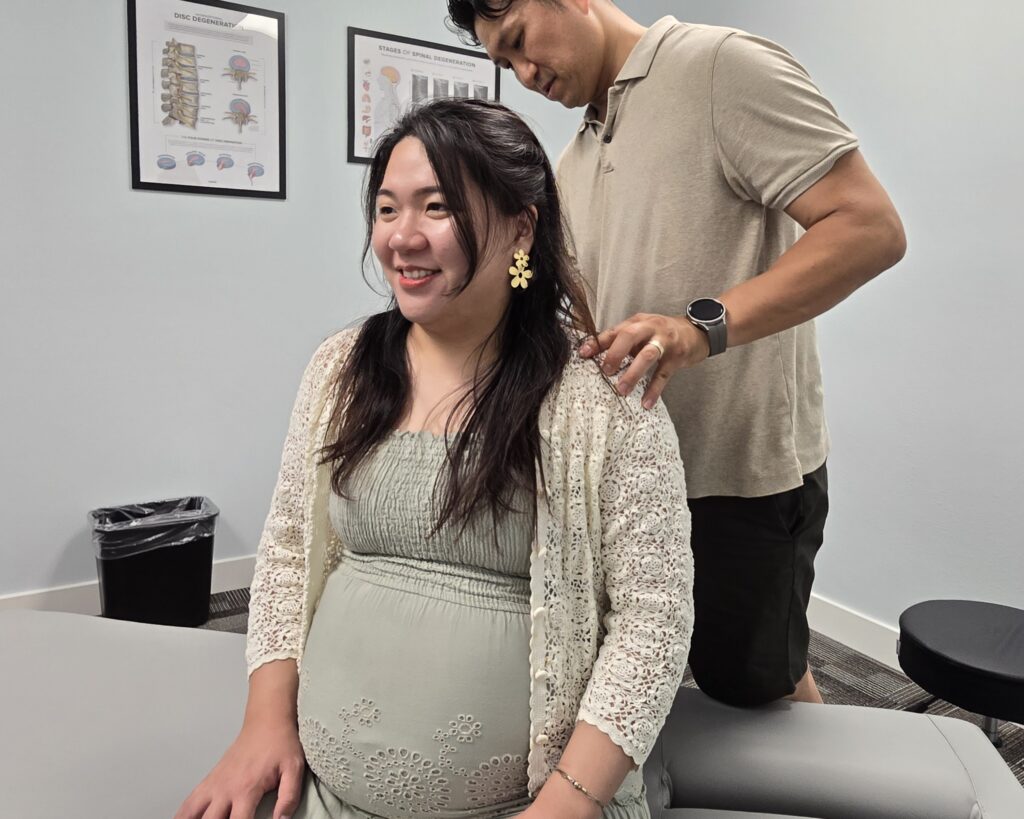

As a local chiropractor, I want to emphasize the importance of posture in relation to back pain relief. Many individuals may not realize that their everyday sitting and standing habits can significantly contribute to the discomfort they feel. By being aware of common postural mistakes, you can start to see how they affect your overall health and well-being.
So, what specific behaviors should you be mindful of? Let’s take a closer look at the signs that suggest your posture might be a key factor in your back issues. Understanding these connections can help you take proactive steps toward better spinal health and pain relief.
Understanding the Connection Between Posture and Back Pain
As a local chiropractor, I want to emphasize the crucial link between your posture and back health that many people may overlook. Did you know that when you maintain proper posture—whether sitting or standing—your spine naturally aligns itself? This alignment helps distribute weight evenly across your vertebrae, which significantly reduces strain on your muscles and ligaments, ultimately preventing discomfort and pain.
Conversely, habits like slouching or leaning forward can lead to muscle fatigue and chronic discomfort over time.
Good posture isn’t just about projecting confidence; it’s about supporting your body’s structural integrity. Being aware of your posture throughout the day—whether you’re working at a desk or walking—can make a remarkable difference in how you feel.
I often encourage my patients to strengthen their core muscles and practice proper alignment as part of their daily routines. By understanding and applying these concepts, you can take charge of your back health and enjoy your everyday activities free from pain.
Common Posture Mistakes That Contribute to Discomfort
As a local chiropractor, I’m here to help you understand how common posture mistakes can lead to discomfort and pain in your everyday life.
One of the most prevalent issues I see is slouching while sitting. This habit places unnecessary strain on your spine and muscles, which can result in chronic discomfort over time. If you find yourself leaning forward while working, it’s important to recognize that this can compress your discs and create tension in your back.
Another common issue is the way we use our phones and tablets. Holding these devices too low can cause you to hunch over, putting significant stress on your neck and upper back. It’s essential to support your devices properly to maintain a more neutral posture.
When it comes to standing, I often notice patients locking their knees, which can lead to stiffness and discomfort. Instead, I recommend keeping a slight bend in your knees and distributing your weight evenly across both feet.
Signs Your Posture May Be Causing Back Pain
As a local chiropractor dedicated to helping you achieve optimal health, it’s important to recognize how your posture might be contributing to back pain. If you frequently find yourself slouching or hunching your shoulders, this could be a significant indicator that something needs to change.
I encourage you to pay close attention to how long you’re sitting in one position; extended periods of sitting can put undue strain on your back.
You may also notice discomfort or tension in your upper or lower back after spending long hours at work or while using your phone. Experiencing fatigue or stiffness after standing for just a short time can also point to poor posture.
Additionally, if you find it difficult to maintain your balance or tend to lean to one side, it’s crucial to reassess your body alignment.
Listening to your body is vital. Persistent pain or discomfort is a clear signal that your posture may require adjustment.
By recognizing these signs and understanding their implications, you can take proactive steps toward improving your posture. This, in turn, can lead to significant relief from back pain and enhance your overall well-being.
I’m here to guide you on this journey toward better posture and natural healing.
The Benefits of Good Posture for Back Health
As a local chiropractor, I want to emphasize the importance of good posture, not just for how you look, but for your back health as well. When you maintain a straight sitting or standing position, you align your spine in a way that reduces strain on your back muscles and ligaments. This proper alignment distributes your body weight evenly, which can help prevent overuse injuries and alleviate pain.
Good posture also enhances circulation and oxygen flow throughout your body, leading to increased energy levels and improved concentration. When you’re more alert and focused, you’re less likely to slump or adopt positions that could lead to discomfort.
Moreover, if you’re already experiencing back pain, maintaining good posture can be a key factor in finding relief. It helps relieve pressure on your spinal discs and nerves, allowing your body to heal more effectively.
By incorporating healthy habits, such as using ergonomic furniture and being mindful of your body mechanics, you can significantly improve your back health and overall well-being. Remember, simply straightening up can be one of the easiest yet most powerful strategies for achieving a pain-free back.
If you have any questions or need personalized advice, feel free to reach out to me!
Assessing Your Posture: A Quick Self-Check
As your local chiropractor, I want to emphasize the importance of regularly assessing your posture for better back health.
Begin by standing up straight and checking your alignment; this simple act can reveal a lot about your spinal health.
Additionally, pay attention to your sitting habits throughout the day—how you sit can significantly impact your back.
By incorporating these self-checks into your routine, you can identify areas for improvement and take proactive steps to reduce back pain.
Stand Tall Assessment
As your local chiropractor, I want to emphasize the importance of good posture for your overall back health. It’s common for many individuals to overlook how their posture can impact their well-being.
To help you understand this better, I encourage you to perform a simple self-check. Stand with your feet shoulder-width apart and distribute your weight evenly across both feet. Ensure that your head is level, your shoulders are relaxed, and your chin is slightly tucked in.
Visualize a string gently pulling you upward from the top of your head. This will help align your ears over your shoulders and your shoulders over your hips. It’s essential to check that your lower back maintains its natural curve without excessive arching.
If you notice any tension or discomfort in your body, it may be a sign of poor posture habits that could benefit from correction.
Take a moment to adjust your stance, take a deep breath, and feel the difference this small change can make. By regularly practicing this Stand Tall Assessment, you can significantly improve your posture and potentially reduce back pain over time.
Sitting Habits Evaluation
As your local chiropractor, I want to emphasize the importance of your sitting habits for maintaining a healthy back. Many people overlook this aspect, but it plays a crucial role in your overall spinal health.
Let’s start with your chair height; it’s vital that your feet rest flat on the floor and your knees are aligned at hip level. This alignment helps to reduce stress on your spine.
Next, ensure that your back is well-supported—using a lumbar roll or cushion can make a significant difference in maintaining the natural curve of your lower back. Your shoulders should be relaxed, and your elbows need to stay close to your body, forming a 90-degree angle.
It’s essential to avoid slouching or leaning forward, as these positions can put undue strain on your spine.
If you’re working at a computer, make sure the screen is at eye level to minimize neck strain. This small adjustment can lead to big improvements in your comfort.
Lastly, remember to take breaks! Standing and stretching every hour can rejuvenate your body and reduce tension.
Tips for Improving Your Posture Throughout the Day
As a chiropractor, I want to share some valuable insights on how improving your posture throughout the day can significantly alleviate back pain and promote your overall health.
It’s important to be conscious of your alignment whether you’re sitting, standing, or walking. Make sure to keep your shoulders relaxed and your back straight, ensuring that your ears are aligned over your shoulders.
When you sit, choose a chair that provides adequate support for your lower back, and keep your feet flat on the ground. This simple adjustment can make a big difference in how your body feels throughout the day.
If you spend a lot of time at a desk, I encourage you to take regular breaks to stretch and move around. Setting a timer to remind yourself to change positions every 30 minutes can be a helpful strategy.
Additionally, when using your phone, try to bring it up to eye level to avoid straining your neck.
Another key factor in supporting good posture is strengthening your core muscles. Incorporating exercises such as planks and bridges into your routine can help stabilize your spine and improve your alignment.
Lastly, don’t overlook the importance of posture while you sleep; selecting a pillow that keeps your neck aligned with your spine is essential for restorative rest.
By making these adjustments and being mindful of your posture throughout the day, you can promote better spinal health and reduce discomfort.
The Role of Ergonomics in Posture and Pain Relief
As a local chiropractor, I want to emphasize the importance of understanding ergonomics for maintaining good posture and alleviating back pain. Making simple adjustments to your workspace and daily activities can significantly reduce the strain on your back and improve your overall well-being.
Let’s start with your chair. It’s crucial to choose one that provides adequate support for your lower back and allows your feet to rest flat on the floor. This simple change can make a big difference in how your back feels throughout the day.
Additionally, ensure that your computer screen is positioned at eye level; this will help prevent unnecessary neck strain. Keep your keyboard and mouse within easy reach to avoid overextending your arms.
When you’re sitting, pay attention to your posture. Keep your back straight and your shoulders relaxed. I also encourage you to incorporate regular breaks into your routine. Standing up, stretching, or taking a short walk can promote circulation and help reduce stiffness and discomfort.
If you find yourself spending long hours at a desk, you might want to consider a standing desk or an ergonomic chair designed to support natural spine alignment.
By making these adjustments, you’re not just improving your posture; you’re actively participating in your own health and wellness journey.
Taking the Quiz: Is Your Posture Affecting Your Back Pain?
As a local chiropractor, I often see patients who are unsure of how their posture might be impacting their back pain. If you’re experiencing discomfort, taking a simple quiz can be a valuable tool in uncovering the relationship between your daily habits and your symptoms. By answering questions about how you sit, stand, and sleep, you’ll start to see whether poor posture may be a factor in your pain.
Think about your everyday habits—do you often find yourself slouching or hunching over your devices? Or perhaps you notice that you lean to one side while sitting? These common postural patterns can place unnecessary strain on your back muscles, leading to discomfort over time.
The quiz I recommend will encourage you to reflect on these behaviors and help you identify any negative habits that may be contributing to your pain.
After completing the quiz, you’ll have a better understanding of how your posture could be influencing your back pain. Armed with this knowledge, you can take proactive steps to improve your posture, which may help alleviate your discomfort.