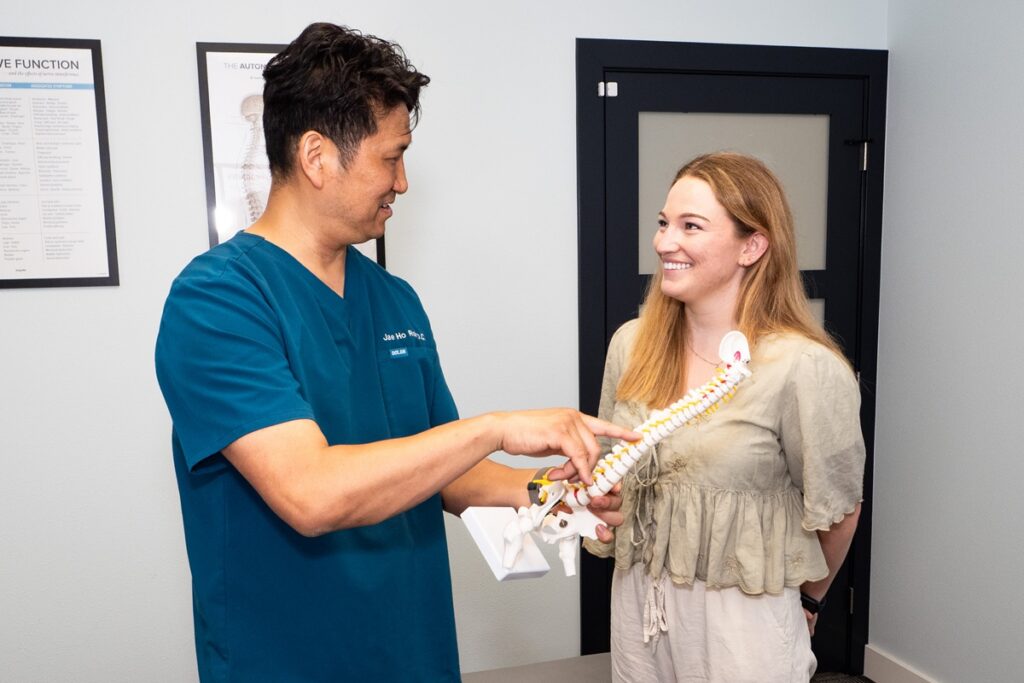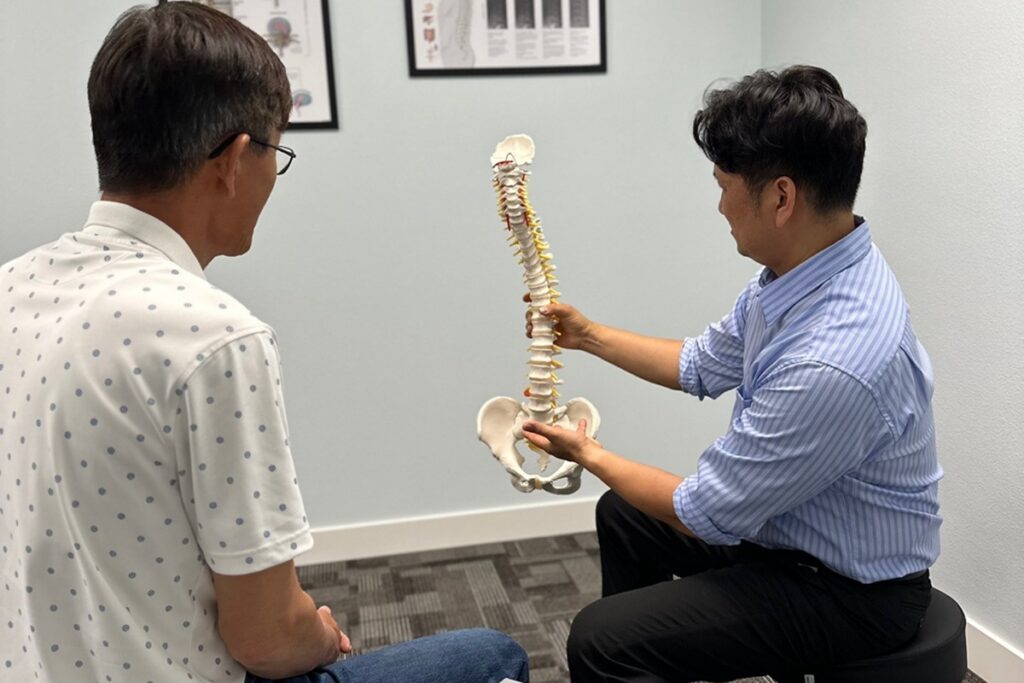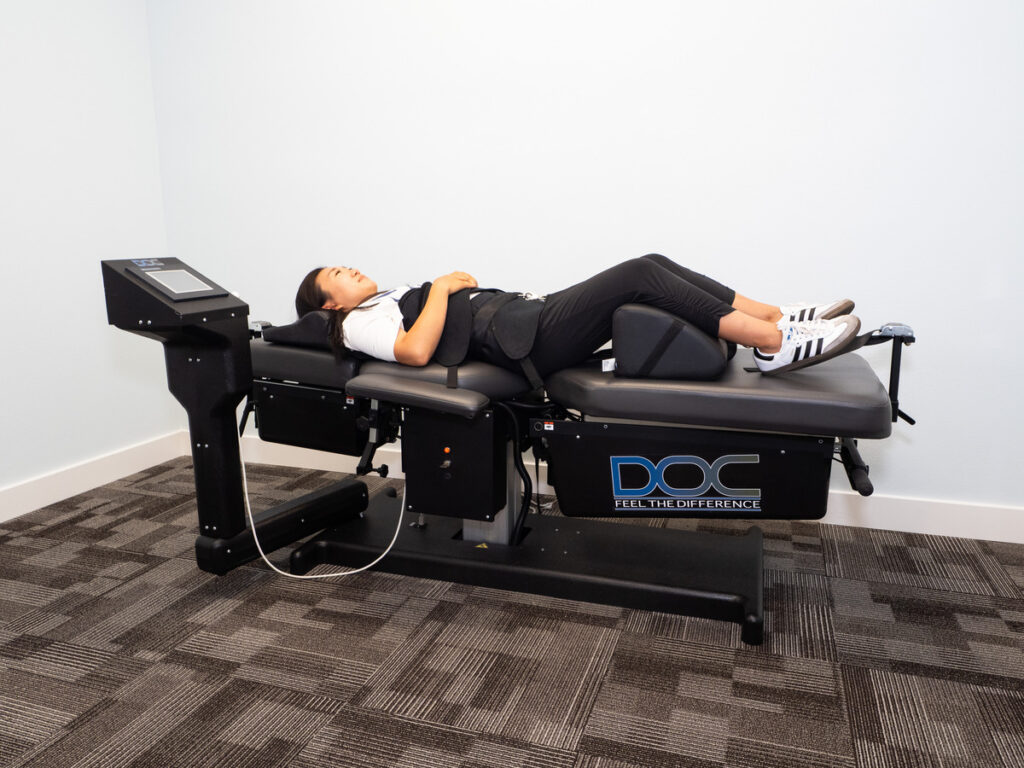

As a local chiropractor, I want to share some insights about back pain that many of my patients experience due to poor posture. If you’ve found yourself dealing with discomfort from slouching or sitting for extended periods, please know that you’re not alone. It’s a common issue, but the good news is that there are effective strategies to alleviate this pain.
In our practice, we focus on natural healing methods that can help restore your body’s balance. By making small adjustments to your daily habits and incorporating specific exercises, you can significantly improve your posture and reduce discomfort. I encourage you to consider how your daily activities may contribute to your pain and explore tailored solutions that we can discuss together.
If you’re curious about the best approaches to managing posture-related back pain, I invite you to schedule an appointment. Together, we can explore practical solutions that can lead to lasting relief and improve your overall well-being.
Understanding the Impact of Poor Posture
As a local chiropractor, I want to emphasize the importance of understanding how poor posture can significantly impact your overall health. Many of us spend long hours either sitting at desks or standing in one position, and this can lead to detrimental habits like slouching or leaning forward.
These postural issues place unnecessary strain on your spine and the surrounding muscles, which can result in discomfort or even chronic pain. This discomfort can make everyday activities feel burdensome.
Moreover, poor posture doesn’t just affect your physical body; it can also influence your mood and energy levels. You might find yourself feeling fatigued or irritable without even realizing that your body’s alignment is a key factor in how you feel throughout the day.
Over time, these poor habits can lead to misalignments that develop into more serious conditions, such as herniated discs or nerve compression.
By recognizing the effects of poor posture, you can start taking proactive steps toward improvement. As a chiropractor, I can guide you through natural healing methods and corrective exercises that can help alleviate pain and enhance your overall well-being.
Simple Adjustments for Better Posture
As a local Chiropractor, I want to share some simple yet effective adjustments that can greatly improve your posture and overall well-being.
It’s important to understand that good posture plays a vital role in how we feel and function every day. Here are four straightforward changes I recommend for my patients:
- Align Your Screen: Position your computer screen at eye level. This simple adjustment can prevent slouching and help you maintain a more natural spinal alignment while working.
- Feet on the Floor: When sitting, ensure your feet are flat on the ground. This not only stabilizes your lower back but also promotes better circulation and comfort.
- Shoulders Back: Remember to roll your shoulders back and down. This action opens up your chest and encourages proper spinal alignment, helping to relieve tension that can build up over time.
- Mind Your Weight: When standing, distribute your weight evenly between both feet. This practice reduces strain on your back and helps maintain balance, protecting your spine from unnecessary stress.
Incorporating these small changes into your daily routine can lead to significant improvements in your posture and overall health.
If you have any questions or would like to learn more about how chiropractic care can support your journey to better posture, don’t hesitate to reach out!
Exercises to Strengthen Posture
As a local chiropractor, I want to share some effective exercises that can significantly improve your posture and overall stability. By incorporating just a few targeted movements into your routine, you can enhance your body’s alignment and reduce discomfort.
Let’s start with planks. This exercise is fantastic for engaging your core and back muscles, which are crucial for maintaining proper posture. Aim to hold a plank for 20-30 seconds, and as your strength builds, you can gradually increase the duration.
Next, I recommend wall angels. To perform this exercise, stand with your back against a wall, with your arms positioned at a 90-degree angle. As you slide your arms up and down the wall, focus on keeping your back flat against the surface. This movement is beneficial for improving shoulder mobility and strengthening the muscles in your upper back.
Lastly, consider adding bridges to your routine. Lie on your back with your knees bent and feet flat on the floor. Lift your hips towards the ceiling while squeezing your glutes at the top. This exercise not only strengthens your lower back but also engages your core, further supporting your posture.
I suggest aiming to perform these exercises three times a week. With consistent practice, you’ll notice remarkable improvements in your posture, which can lead to reduced discomfort and enhanced overall well-being.
Ergonomic Solutions for Workspaces
As a local chiropractor dedicated to helping you achieve optimal health, I want to emphasize the importance of your workspace in supporting your posture and overall well-being.
After you’ve worked on strengthening your posture through targeted exercises, it’s crucial to ensure that your environment is conducive to maintaining those improvements. An ergonomic workspace can significantly reduce discomfort and prevent back pain.
Here are four key solutions I recommend for you to consider:
- Adjustable Desk: A height-adjustable desk is a fantastic investment. It allows you to alternate between sitting and standing throughout the day, which can promote better spinal alignment and reduce the strain on your back.
- Ergonomic Chair: Selecting an ergonomic chair is vital. Look for one that supports the natural curve of your spine and offers adjustable lumbar support. This can help maintain proper posture and reduce pressure on your back while you work.
- Monitor Position: The positioning of your monitor is essential for preventing neck strain. Ensure that your monitor is at eye level; ideally, the top of the screen should be at or slightly below eye level. This helps keep your neck in a neutral position.
- Keyboard and Mouse Placement: Proper placement of your keyboard and mouse can make a significant difference. They should be close to you and positioned at elbow height to help maintain a neutral wrist position, minimizing the risk of strain.
By making these adjustments to your workspace, you can greatly enhance your comfort and support your journey toward better health.
If you have any questions or need further guidance, I’m here to help!
Mindfulness and Techniques for Posture Awareness
As a local chiropractor, I want to emphasize that while you may be making great progress in strengthening your posture through various exercises, it’s just as crucial to maintain awareness of your posture throughout your daily activities.
Mindfulness techniques can significantly improve your ability to stay aware of your posture. A simple step you can take is to set reminders on your phone or place sticky notes in your workspace to prompt regular posture checks.
Incorporating deep breathing into your routine can greatly aid in relaxation and help realign your body. When you’re sitting, pay attention to engaging your core muscles and keeping your shoulders back.
Using visual aids, such as a mirror or a posture-monitoring app, can also help you stay mindful of your alignment.
I recommend taking short breaks throughout the day to stand, stretch, and reset your posture. During these breaks, visualize what good posture looks like and consciously adjust your body accordingly.
By consistently practicing these techniques, you’ll strengthen the connection between your mind and body, making it much easier to maintain a healthy posture throughout your day.