
If you’re dealing with chronic back pain, know that you’re not alone in this struggle. Many individuals face this challenge, and it can significantly affect your quality of life. As a chiropractor, I want to share with you some effective strategies to not only manage but also alleviate your discomfort.
Understanding the underlying causes of your pain is crucial, and there are natural healing methods that can help. By making simple yet impactful lifestyle adjustments, you can embark on a journey toward relief. Let’s discuss the steps you can take to regain control of your health and enhance your overall well-being through chiropractic care and holistic practices. Together, we can work towards a pain-free future.
Understanding Chronic Back Pain
As a local chiropractor, I want to shed light on chronic back pain and how it can significantly impact your daily activities. This discomfort can turn into an unwelcome companion, making even simple tasks—like bending down to tie your shoes or sitting through a movie—feel daunting. Many of my patients describe a constant need to shift positions in search of relief.
Chronic back pain is defined as pain that lasts longer than three months and can arise from various sources, such as injuries, poor posture, or underlying health issues. Unlike acute pain, which typically subsides as the body heals, chronic pain tends to linger and can lead to feelings of frustration and fatigue.
It’s important to recognize that stress and anxiety can worsen your symptoms, creating a challenging cycle that can be tough to break. Understanding the nature of your pain is crucial.
Here at our clinic, we focus on helping you manage chronic back pain through natural healing methods. By acknowledging the impact this pain has on your life, you’re taking a vital step toward reclaiming it.
We offer tailored relief options, including chiropractic adjustments, which can help restore proper function and alignment to your spine, ultimately improving your overall well-being.
Embracing these holistic approaches can empower you to regain control and enhance your quality of life. Let’s work together to explore the best strategies for your specific needs.
Identifying the Root Causes
As a local chiropractor, I want to help you understand the importance of identifying the root causes of your back pain for effective treatment. Addressing your discomfort involves examining potential triggers that may be affecting your spine and overall well-being:
1. Posture Concerns: Many people don’t realize how much poor posture can contribute to back pain. Whether you’re sitting at a desk, standing throughout the day, or even while you sleep, improper alignment can lead to muscle strain and imbalances.
Take some time to evaluate your daily habits—small adjustments can make a significant difference.
2. Previous Injuries or Strains: Even minor injuries can have lasting effects on your back. Consider any past accidents or falls that may have gone unnoticed but could be contributing to your current discomfort.
Recognizing these past events is crucial in understanding your pain.
3. Underlying Medical Conditions: Certain medical conditions, such as arthritis, herniated discs, or spinal stenosis, can also play a significant role in your back pain.
It’s essential to consult with a healthcare professional for a comprehensive evaluation. They may recommend imaging tests to better understand your condition and guide you toward the best treatment options.
By taking a closer look at these factors, we can work together to develop a personalized plan that addresses your back pain naturally and effectively.
Your journey to a healthier spine starts with understanding the root causes.
Lifestyle Changes for Pain Relief
As a local chiropractor, I want to share some valuable insights on how simple lifestyle changes can significantly help alleviate your back pain. Many people may not realize how much their daily habits impact their spinal health, but making adjustments can truly make a difference.
First and foremost, let’s talk about posture. Whether you’re sitting at a desk for long hours or standing throughout the day, maintaining a straight posture is crucial. I often recommend investing in ergonomic furniture, as it can provide the support your back needs to stay healthy and pain-free.
Another important factor is your weight. Carrying excess weight can put unnecessary strain on your spine, leading to discomfort. A balanced diet rich in anti-inflammatory foods—such as fruits, vegetables, and omega-3 fatty acids—can help you maintain a healthy weight and support your overall well-being.
Hydration is another key element often overlooked. Drinking sufficient water is vital for keeping your spinal discs healthy, which act as cushions for your spine. Proper hydration helps ensure these discs can absorb shocks effectively.
Lastly, don’t underestimate the importance of quality sleep. A supportive mattress and pillow can aid in maintaining proper spinal alignment while you rest. Prioritizing your sleep environment can lead to better recovery and pain relief.
By making these small yet impactful changes in your daily routine, you can experience significant relief from back pain over time.
Physical Therapy and Exercise
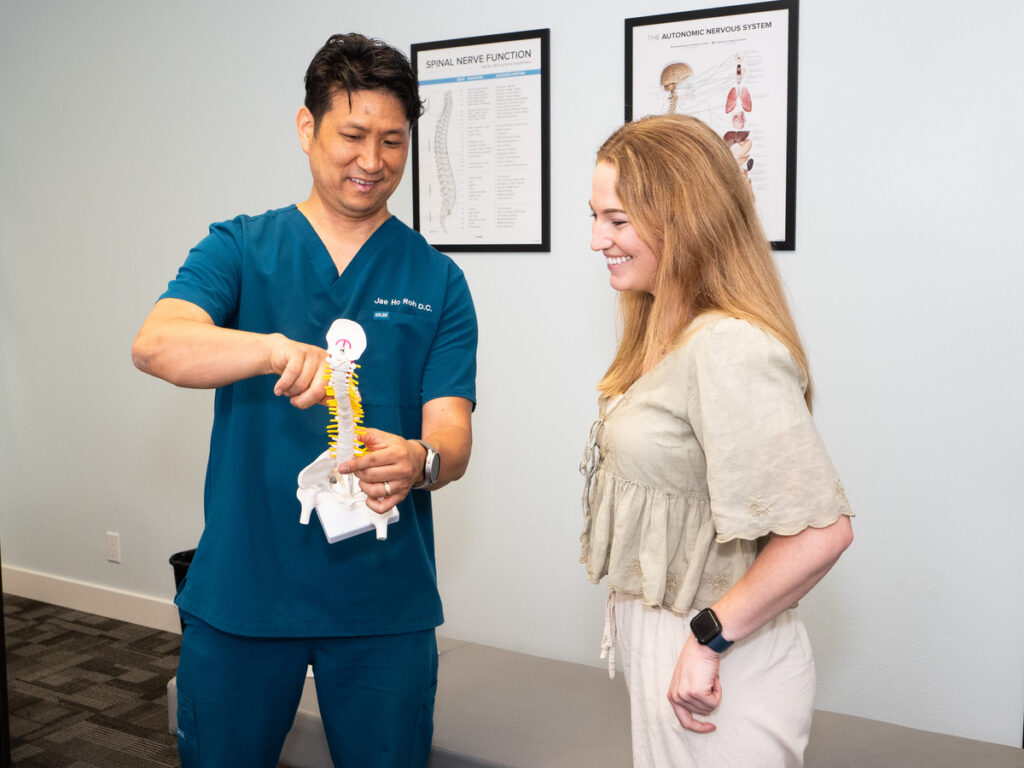
As a local chiropractor, I want to emphasize the vital role that physical therapy and exercise play in effectively managing back pain. Many patients are unfamiliar with how these methods can complement chiropractic care, so let me explain how a personalized approach can make a significant difference in your healing journey.
- Strengthening Exercises: These exercises are crucial for building the muscles that support your spine. By strengthening these muscles, you can alleviate the strain on your back, which is essential for long-term relief from pain.
- Flexibility Training: Incorporating stretching into your routine enhances your range of motion and alleviates muscle tightness. This tightness can contribute to back pain, so improving your flexibility can lead to noticeable relief.
- Posture Education: Understanding proper body mechanics is key to preventing further injury. By learning how to maintain good posture in your daily activities, you can promote long-lasting relief and support your overall spinal health.
Integrating these elements into your daily routine not only helps with pain management but also contributes to your overall physical well-being.
Remember, consistency is vital. Stay dedicated to your tailored program, and with time and effort, you can significantly reduce chronic back pain and enhance your quality of life.
As your chiropractor, I’m here to guide you through this process and support your journey toward natural healing.
Alternative Therapies and Treatments
As a local chiropractor, I want to share with you some effective alternative therapies and treatments that can significantly help alleviate chronic back pain, complementing the traditional methods you may already be familiar with.
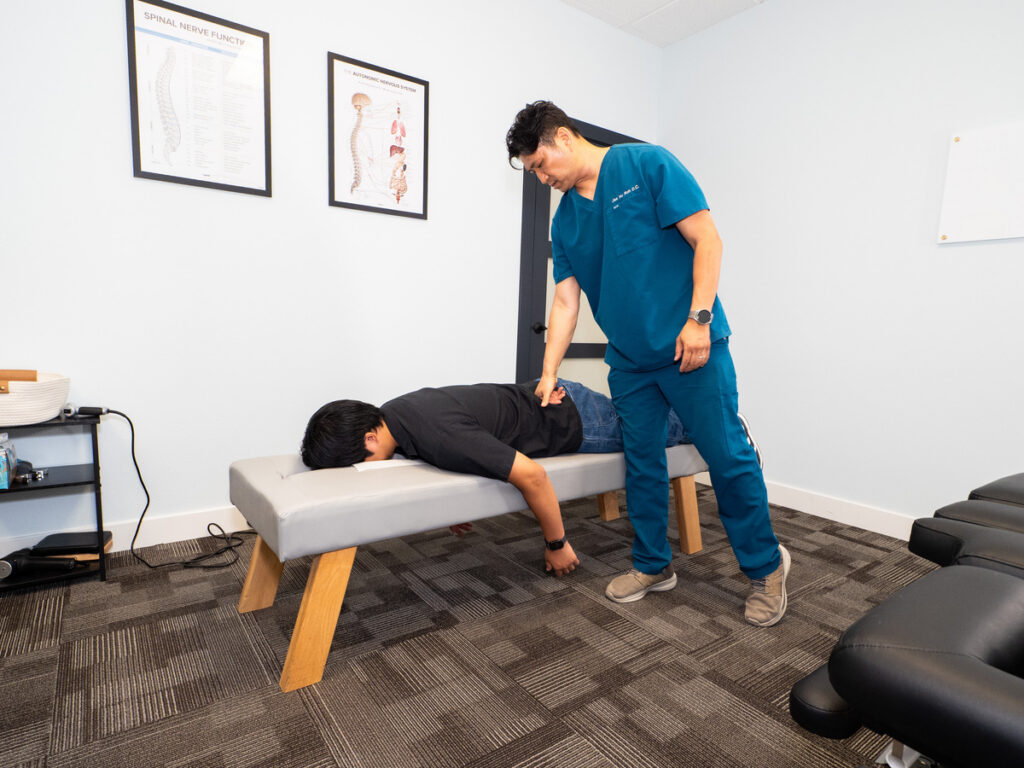
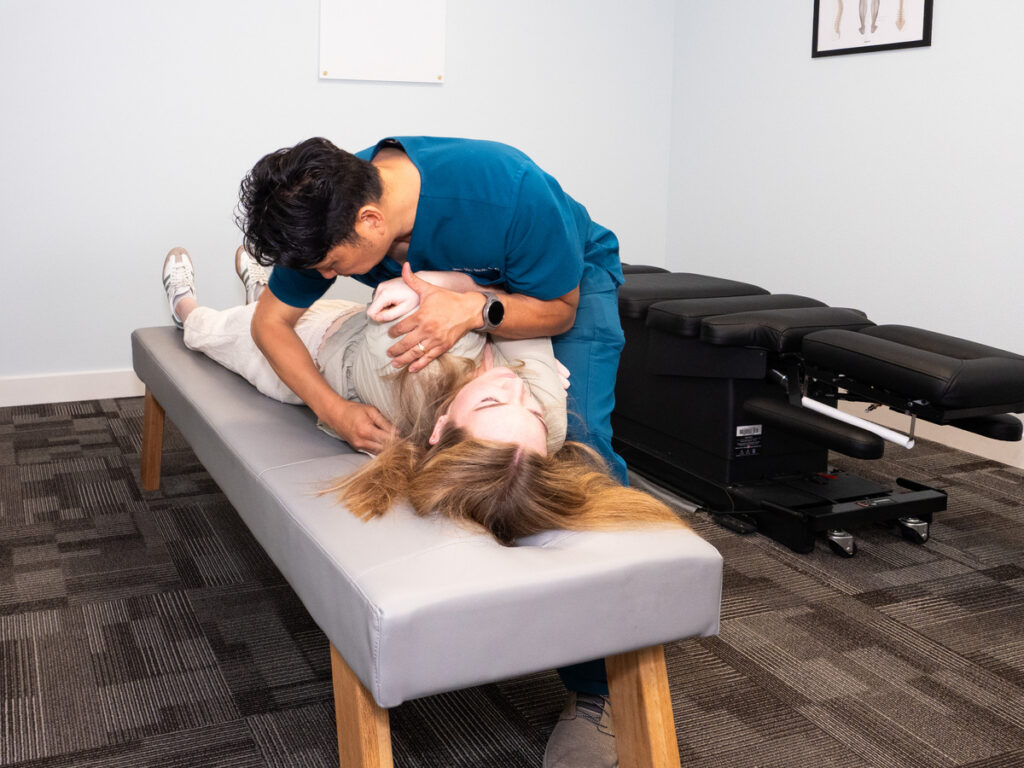
One of the most beneficial techniques is chiropractic care itself, where I use hands-on adjustments to align your spine properly. This not only helps to relieve pain but also promotes overall spinal health and function.
In addition to chiropractic adjustments, therapies like acupuncture can be incredibly effective in relieving tension and improving blood flow to the affected areas, aiding in the healing process.
You might also want to consider massage therapy, which can provide immediate relief by relaxing tight muscles and enhancing circulation.
Practices such as yoga and Pilates are excellent for developing core strength and flexibility, which are crucial for maintaining a healthy back. They can also help prevent future injuries.
Moreover, incorporating mindfulness and meditation techniques can assist in managing your pain perception and reducing stress, which often intensifies discomfort.
While herbal supplements and dietary changes can play a supportive role, it’s essential to consult with a healthcare provider before introducing them to your routine.
By integrating these alternative therapies with your chiropractic care, you can enhance your overall well-being and potentially discover greater relief from your chronic back pain.
I’m here to guide you through these options and help you find the best approach tailored to your needs.
Medications for Managing Pain
Managing chronic back pain often requires a holistic approach, and as your local chiropractor, I want to help you understand how we can work together to alleviate your discomfort.
Medications can play a role in your treatment plan, but I also emphasize the importance of natural healing methods. Here are three common types of medications you might come across, along with some insights on how we can complement them with chiropractic care:
1. Nonsteroidal Anti-Inflammatory Drugs (NSAIDs): While these medications can help reduce inflammation and relieve pain, they aren’t without their side effects.
As your chiropractor, I encourage you to consider how spinal adjustments and other natural therapies can help address the root cause of your pain without relying solely on medication.
2. Acetaminophen: This over-the-counter medication can provide temporary pain relief, but it doesn’t tackle inflammation.
In our practice, we focus on restoring proper alignment and function to your spine and muscles, which can lead to long-lasting relief without the need for over-the-counter painkillers.
3. Muscle Relaxants: If muscle spasms are an issue for you, it’s understandable that your doctor might prescribe these.
However, I believe in finding the underlying cause of those spasms through chiropractic adjustments and muscle therapy, which can help reduce reliance on medication over time.
Always consult with your healthcare provider before starting any medication, and feel free to discuss your options with me as well.
Together, we can create a personalized plan that combines chiropractic care with other therapies to enhance your overall pain management strategy.
Emphasizing natural healing methods can lead to better long-term outcomes and improved quality of life.
When to Seek Professional Help
As a local chiropractor dedicated to your well-being, I want to emphasize the importance of seeking professional help when it comes to back pain.
If you’ve been experiencing discomfort for several weeks without any improvement, this is a clear signal that it’s time to consult with a healthcare professional.
Additionally, if you notice a decrease in your mobility or begin to experience troubling symptoms such as numbness or weakness, please don’t hesitate to reach out for assistance.
These signs could indicate an underlying issue that requires attention, and as your chiropractor, I’m here to guide you through natural healing methods that can help restore your health and vitality.
Persistent Pain Duration
As a local chiropractor, I want to help you understand when it’s time to seek professional support for your chronic back pain. While it can sometimes feel manageable, there are specific signs that indicate it’s time to reach out for help. If your pain has been lingering for a few weeks or has started to worsen, I encourage you to consult with a healthcare provider.
Here are three important indicators that suggest you should consider chiropractic care:
- Severe Pain: If your pain is so intense that it interferes with your daily activities, it’s essential to seek professional guidance. Chiropractic adjustments can help realign your spine and alleviate discomfort.
- Pain After Injury: If your back pain developed after a fall or accident, it may indicate a more serious underlying issue that warrants a thorough evaluation. Chiropractic care can assess and treat these injuries effectively.
- Pain Accompanied by Other Symptoms: Symptoms like numbness, tingling, or weakness in your legs can be signs of nerve involvement. It’s crucial to see a chiropractor to address these symptoms promptly and prevent further complications.
Loss of Mobility
As a local chiropractor, I want to share some important insights about persistent back pain and how it can significantly impact your mobility. Many of my patients express how everyday activities become daunting when they’re struggling with discomfort.
If you find yourself wincing while bending, lifting, or walking, it may be time to consider chiropractic care. Ignoring these symptoms can lead to more serious issues down the line.
If simple tasks, like getting in and out of your car or climbing stairs, have become challenging, I encourage you to seek professional guidance. Chiropractic care focuses on identifying the root causes of your pain and restoring your body’s natural alignment, which can enhance your overall mobility and well-being.
If you notice that your pain is worsening or not improving with rest and basic self-care, don’t hesitate to reach out. Early intervention is key in preventing further complications and can greatly assist you in regaining your mobility and improving your quality of life.
Prioritize your health and consider how chiropractic care can support you on your journey to recovery. Your well-being matters!
Accompanying Symptoms Observed
As a local chiropractor, I want to emphasize the importance of being aware of accompanying symptoms when you’re experiencing back pain.
It’s vital to recognize that these symptoms can be indicators that it’s time for you to seek professional assistance. Here are three warning signs I encourage you to monitor:
1. Numbness or Tingling: If you notice numbness or tingling sensations in your legs or feet, this may signal that nerves are being affected.
This is something we can address through chiropractic care to help alleviate pressure and restore function.
2. Severe Pain: Should your pain become so intense that it disrupts your daily activities or sleep, it’s essential to reach out for help.
I can provide natural, non-invasive treatment options that may help relieve your discomfort and promote healing.
3. Bowel or Bladder Issues: If you experience any changes in bowel or bladder control in conjunction with your back pain, consider this an urgent matter.
It’s crucial to seek immediate care, as our chiropractic approach can play a role in addressing these serious concerns.
Recognizing these symptoms early can lead to more effective treatment strategies and improved outcomes.