
As a local chiropractor, I understand that dealing with a sports injury can be daunting. However, I want to assure you that you don't have to rely solely on conventional treatments. Embracing a natural approach to recovery can be incredibly beneficial. By focusing on nutrition, hydration, and holistic therapies, you can support your body's healing process effectively.
Imagine nourishing your body with the right nutrients and exploring techniques that not only expedite your recovery but also enhance your overall wellness. It's about creating a balanced plan that caters to your unique needs and goals. You might be surprised to find that the solutions to your recovery could be simpler and more accessible than you ever thought.
Let's work together to explore how chiropractic care, along with natural healing practices, can play a vital role in your recovery journey. Your path to healing can be both effective and empowering!
Understanding Sports Injuries
As a local chiropractor, I often see patients who are unfamiliar with the importance of understanding sports injuries and how they can impact your overall health. Sports injuries can affect anyone, from casual weekend players to dedicated athletes. It's crucial to grasp the nature of these injuries to facilitate effective recovery and promote natural healing.
Sports injuries typically fall into two categories: acute and chronic. Acute injuries occur suddenly, often due to a specific incident, such as twisting your ankle while running. You might immediately feel pain, swelling, or find it difficult to move the affected area. Conversely, chronic injuries develop gradually over time, frequently as a result of repetitive stress, like tendinitis from overuse.
Being able to recognize the signs of an injury is essential for your well-being. Symptoms such as pain, swelling, bruising, or restricted movement shouldn't be ignored. Listening to your body is vital; it can guide you on when to rest or seek professional care, like chiropractic treatment. Ignoring these symptoms may lead to more significant issues in the future, so it's important to take proactive measures.
Common types of sports injuries include sprains, strains, fractures, and dislocations, each requiring a tailored approach to treatment and recovery. For instance, a sprain often benefits from the RICE method—rest, ice, compression, and elevation—while a fracture may necessitate more intensive medical intervention. As a chiropractor, I can provide you with holistic strategies for managing pain and enhancing recovery.
Prevention is equally important as recovery. Engaging in proper warm-ups, stretching, and utilizing the correct equipment can significantly lower your risk of injury.
The Role of Nutrition
As your local chiropractor, I want to emphasize the crucial role nutrition plays in your recovery from sports injuries.
When you focus on essential nutrients and maintain proper hydration, you can significantly enhance your healing process. It's not just about spinal adjustments; the right diet can support your body in bouncing back stronger.
By understanding how nutrition works hand-in-hand with chiropractic care, you can empower yourself to heal more effectively and naturally.
Let's delve into how a balanced diet can aid your recovery journey.
Essential Nutrients for Healing
As a local chiropractor, I want to share how crucial proper nutrition is when you're recovering from a sports injury. Your body requires specific vitamins and minerals to effectively repair tissues and alleviate inflammation, and understanding this can enhance your healing process.
Let's start with protein. This nutrient is vital for rebuilding muscles and tissues. Including lean meats, fish, eggs, or plant-based options like beans and lentils in your diet can provide the necessary building blocks for recovery.
Another key player in your healing journey is omega-3 fatty acids. These healthy fats, which you can find in fish and flaxseeds, are known for their ability to reduce inflammation, potentially speeding up your recovery time.
Don't forget about vitamins C and E. Vitamin C, abundant in citrus fruits and bell peppers, is essential for collagen production, which is crucial for tissue repair.
Vitamin E, found in nuts and seeds, supports your overall immune function, helping your body fend off any complications during recovery.
Additionally, minerals such as zinc and magnesium are important to consider. Zinc, present in meats and whole grains, is known to aid in tissue repair, while magnesium, which can be found in leafy greens and nuts, assists with muscle relaxation and recovery.
By emphasizing these essential nutrients, you can empower your body to heal more efficiently.
As you prioritize your nutrition, you'll not only support your recovery but also enhance the benefits of the chiropractic care you may be receiving.
Hydration's Impact on Recovery
As a local chiropractor, I'm here to emphasize that proper recovery isn't solely about your diet; hydration is equally crucial. Ensuring that you're well-hydrated allows your body to function optimally, especially when you're recovering from a sports injury. Water serves vital roles, such as transporting nutrients to your cells, flushing out toxins, and maintaining lubrication in your joints. Without sufficient fluid intake, your body struggles to repair itself effectively.
When you're dealing with an injury, your fluid requirements increase to aid the healing process. Dehydration can lead to muscle cramps, fatigue, and extended recovery times, making it more challenging for you to return to your favorite activities.
I recommend drinking water consistently throughout the day, and if you find yourself sweating a lot or participating in physical therapy, consider adding electrolyte-rich drinks to your routine.
It's also essential to listen to your body's cues. If you're feeling thirsty or notice that your urine is darker than usual, that's a clear indication that you need to hydrate more. You can enhance your fluid intake by including fruits and vegetables that are high in water content in your diet.
Essential Supplements for Recovery
As a local chiropractor, I want to emphasize the importance of proper nutrition and supplementation during your recovery from a sports injury. The right supplements can significantly enhance your healing process.
Essential vitamins and minerals, along with anti-inflammatory herbs and adequate protein sources, are crucial in supporting your body's natural ability to heal.
Incorporating these essential supplements can't only help alleviate pain and inflammation but also promote tissue repair and improve overall strength.
By understanding how these natural elements work together, you can enhance your recovery and come back even stronger.
Let's dive deeper into how these supplements can play a vital role in your journey towards wellness and healing.
Key Vitamins and Minerals
As a local chiropractor, I want to share with you the importance of key vitamins and minerals in your recovery from sports injuries. These essential nutrients play a crucial role in supporting your body's healing processes.
Let's start with Vitamin C. This vitamin is vital for collagen production, which is necessary for repairing tissues and ligaments. To increase your Vitamin C intake, consider incorporating citrus fruits, berries, and leafy greens into your diet.
Next, we've Vitamin D, which is usually obtained from sunlight. This vitamin is important for maintaining bone health and supporting your immune function. If you find yourself not getting enough sun exposure, you might want to look into supplements or include foods like fatty fish and fortified products in your meals.
B vitamins, especially B6 and B12, are also essential. They contribute to energy metabolism and the formation of red blood cells, which are important during your recovery. Foods such as chicken, fish, and whole grains can help meet your B vitamin needs.
Another important mineral is zinc. It plays a significant role in tissue repair and bolstering your immune response. You can find zinc in sources like meats, nuts, and legumes.
Lastly, magnesium is crucial for muscle function and can help reduce cramps, which is particularly beneficial if you're returning to activity after an injury. Including nuts, seeds, and leafy greens in your diet can ensure you're getting enough magnesium.
By focusing on these key vitamins and minerals, you're setting yourself up for a faster and more effective recovery.
Anti-Inflammatory Herbs
As a local chiropractor dedicated to your overall health and recovery, I want to share how incorporating anti-inflammatory herbs into your healing plan can significantly benefit you, especially if you're recovering from sports injuries.
These natural remedies not only help alleviate pain and inflammation but can also expedite your recovery process.
One of the most powerful anti-inflammatory herbs is turmeric. It contains curcumin, which boasts strong anti-inflammatory properties. You can easily add turmeric to your meals or consider taking it in supplement form for added benefits.
Another fantastic option is ginger, which not only helps to reduce inflammation but also enhances circulation, further aiding your healing journey.
I also recommend exploring Boswellia, commonly known as Indian frankincense. This herb is effective in reducing swelling and pain, and it's available in both capsule form and as an extract.
Another natural remedy to consider is willow bark, which works similarly to aspirin to provide relief from pain and inflammation.
In addition to their healing properties, incorporating these herbs into your diet can be quite enjoyable. For instance, brewing a soothing ginger tea or mixing turmeric into your smoothies can add flavor while promoting healing.
However, it's essential to consult with a healthcare professional, such as myself, before starting any new supplement regimen. This way, we can ensure that these herbs align with your recovery goals.
By harnessing the power of these anti-inflammatory herbs, you can support your body's natural healing processes and return to your favorite activities sooner.
As your chiropractor, I'm here to guide you on this journey to better health and wellness.
Protein Sources for Healing
As a local chiropractor, I want to emphasize the importance of proper nutrition in your recovery journey, especially after experiencing a sports injury. One key element that can significantly aid in your healing is protein.
Protein is crucial for repairing tissues, building muscle, and bolstering your immune system. To support your recovery, I encourage you to include these four protein sources in your diet:
- Lean Meats: Options like chicken, turkey, and lean cuts of beef are excellent choices. They provide high-quality protein that's essential for muscle repair and growth, which is vital after an injury.
- Fish: Incorporating fish such as salmon and tuna into your meals is beneficial. These aren't only rich in protein but also contain omega-3 fatty acids, which are known for their anti-inflammatory properties and can help speed up the healing process.
- Legumes: If you're interested in plant-based options, beans, lentils, and chickpeas are fantastic sources of protein. They're also high in fiber, which supports digestive health—an important aspect of overall wellness as you recover.
- Dairy Products: Don't overlook dairy! Greek yogurt and cottage cheese are both excellent for protein intake. They contain casein and whey, two types of proteins that are particularly beneficial for muscle recovery.
By incorporating these protein sources into your diet, you can enhance your healing process and support your overall health.
Mindfulness and Mental Health
As a local chiropractor, I want to emphasize that while recovering from a sports injury, it's essential to prioritize not just your physical health, but also your mental well-being. Practicing mindfulness can significantly enhance your recovery process. By staying present, mindfulness can help reduce the anxiety and stress that often accompany the healing journey.
When you focus on the present moment, you can cultivate a sense of calm that positively influences your physical healing.
I encourage you to start incorporating mindful breathing into your daily routine. Set aside a few minutes each day to close your eyes, take deep breaths, and concentrate solely on your breath. This simple practice can ground you and help alleviate tension and worries about your recovery timeline.
As you breathe, visualize your body healing; this visualization can boost your motivation and resilience as you navigate your recovery.
Another valuable technique is body scanning. Find a comfortable position, whether lying down or sitting, and systematically focus on each part of your body. Notice any sensations without judgment.
This practice not only promotes relaxation but also strengthens your mind-body connection, helping you become more aware of how your injury and recovery impact your overall well-being.
Additionally, I encourage you to embrace gratitude during your healing journey. Acknowledging even the smallest progress can shift your mindset from frustration to positivity.
Consider keeping a gratitude journal to jot down daily achievements and moments of joy; this can reinforce a positive outlook and support your overall recovery.
Natural Therapies and Techniques
As your local chiropractor, I want to introduce you to the world of natural therapies and techniques that can significantly enhance your recovery from sports injuries. Many individuals may not be aware of how these approaches can effectively reduce pain, improve mobility, and promote overall healing.
By incorporating these methods into your recovery plan, you can actively support your body's innate healing processes.
Here are four effective natural therapies that I recommend considering:
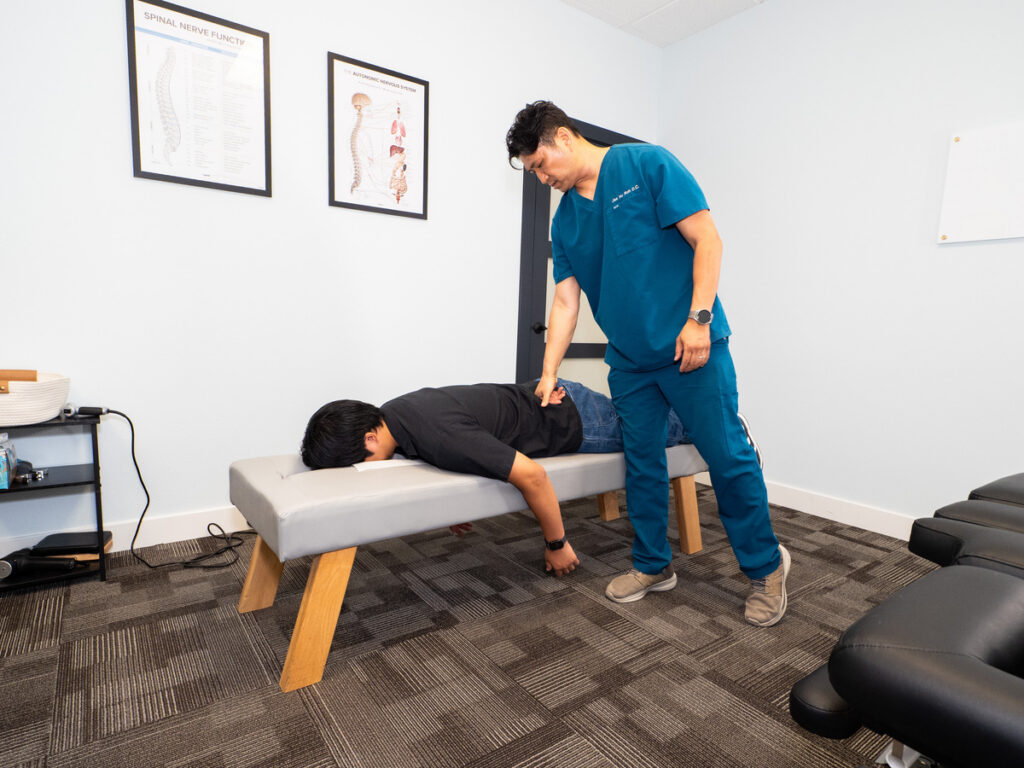
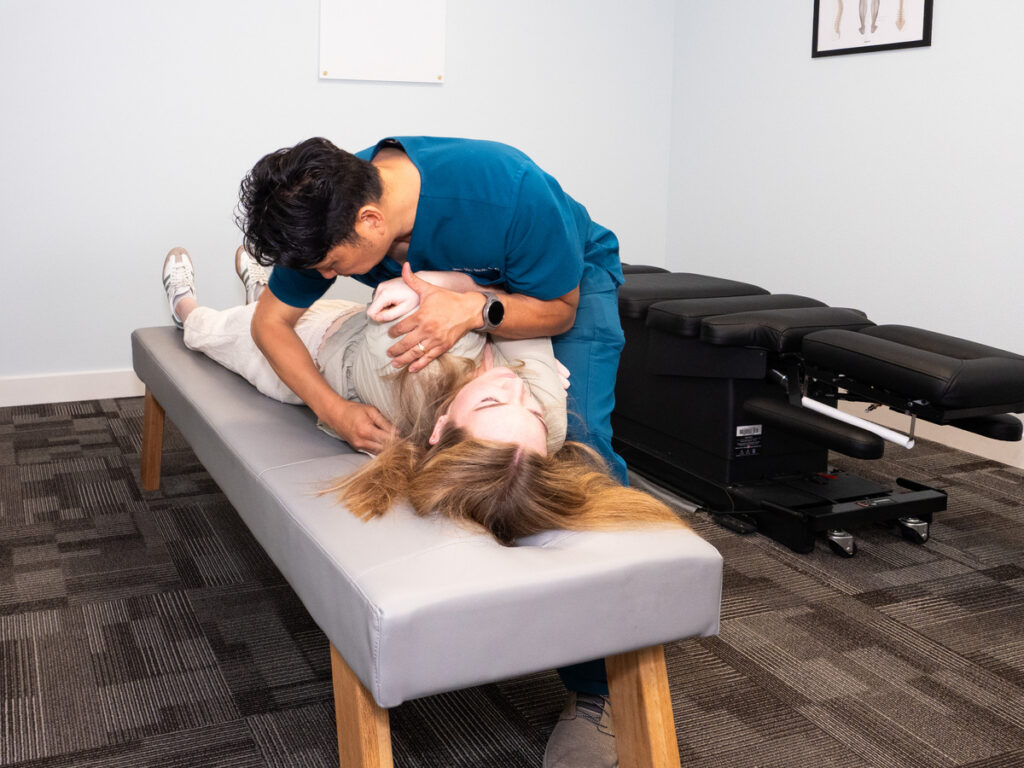
- Chiropractic Care: Our primary focus is to help you regain strength, flexibility, and proper alignment. By assessing your specific injury, I can create a tailored treatment plan that includes spinal adjustments and rehabilitative exercises aimed at promoting optimal healing.
- Massage Therapy: Incorporating regular massages into your routine can greatly enhance blood circulation and alleviate muscle tension. Therapeutic massages, particularly those targeting the injured area, can help reduce pain and stiffness, complementing your chiropractic adjustments.
- Acupuncture: This ancient practice is an excellent complement to chiropractic care. Acupuncture works by stimulating your body's natural pain relief systems, which can promote healing by improving circulation and reducing inflammation in the affected area.
- Herbal Remedies: Certain herbs, such as arnica and turmeric, possess powerful anti-inflammatory properties that can support your recovery. However, it's essential to consult with me or another healthcare professional before introducing any new supplements to ensure they're safe and effective for your specific situation.
By integrating these natural therapies into your recovery plan, you can adopt a holistic approach that not only addresses the physical aspects of healing but also fosters your overall well-being.
Embracing these techniques means you're taking proactive steps toward a successful recovery, enabling you to return to your favorite activities even stronger than before.
Let's work together to help you achieve optimal health and wellness!
Importance of Rest and Sleep
As a local chiropractor, I want to emphasize the vital role that rest and sleep play in your recovery journey from sports injuries. When you're dealing with an injury, your body requires time to mend, and giving yourself adequate rest allows it to concentrate on healing. This means providing your muscles and tissues with the downtime they need to repair effectively.
If you attempt to power through the discomfort or skimp on sleep, you could inadvertently slow down your healing process, resulting in extended recovery times.
During sleep, your body initiates essential processes that facilitate recovery. For instance, growth hormone levels surge during deep sleep, which is crucial for tissue growth and repair. This natural response is fundamental for recovering from injuries and alleviating inflammation.
By prioritizing quality sleep, you're equipping your body with the necessary tools to heal efficiently. It's not just about how many hours you sleep; the quality of that sleep is equally important. Aim for 7-9 hours of restorative sleep each night.
To create a sleep-friendly environment, minimize distractions like electronic devices and ensure your room is cool and dark. Establishing a calming bedtime routine can also signal to your body that it's time to unwind and prepare for rest.
In addition to sleep, incorporating regular rest periods throughout your day is crucial. Pay attention to your body; if you're feeling fatigued, don't hesitate to take breaks.
This balance of rest and restorative sleep won't only enhance your overall recovery but also prepare you to return to your sport with renewed strength and vigor. Remember, healing is a process that requires patience, and respecting your body's need for rest is essential for a successful recovery.
As a chiropractor, I'm here to support you on your healing journey and provide guidance on how to optimize your recovery naturally.
Creating a Holistic Recovery Plan
To ensure a successful recovery from sports injuries, it's important to adopt a holistic recovery plan that emphasizes not just your physical health but also your mental and emotional well-being. By addressing all facets of your health, you'll not only speed up your recovery but also enhance your overall performance when you return to your sport.
As a local chiropractor, I want to guide you through the essential components of a holistic recovery plan:
- Chiropractic Care: Start with a personalized chiropractic assessment to identify any misalignments or restrictions that may be affecting your recovery. Chiropractic adjustments can help alleviate pain, improve mobility, and restore proper function to the injured area, allowing for a more effective rehabilitation process.
- Nutrition: Proper nutrition is vital for healing. Focus on a diet that includes anti-inflammatory foods to support your recovery. Incorporate nutrient-rich options like berries, leafy greens, and lean proteins. These foods not only provide the necessary building blocks for repair but also help reduce inflammation in the body.
- Mental Well-being: Incorporate mindfulness practices such as meditation or gentle yoga into your routine. These activities can help ease any anxiety related to your injury and keep your mind centered on your recovery goals. Maintaining a positive mindset is crucial for navigating the ups and downs of the healing process.
- Emotional Support: Surround yourself with a network of supportive friends, family, or coaches who understand your journey. Openly discussing your feelings about the injury and the recovery process can significantly reduce stress and help keep you motivated throughout your rehabilitation.
By focusing on these key areas, you'll create a robust recovery plan that not only heals your injury but also promotes long-term wellness.
Conclusion
As a local chiropractor, I want to share how embracing a holistic approach to your sports injury recovery can truly set you up for success. It's essential to nourish your body with the right foods and ensure you're staying well-hydrated. Incorporating natural therapies, such as chiropractic care and massage, can significantly enhance your healing process.
Many people underestimate the power of mindfulness and adequate rest; both play a crucial role in recovery. By creating a balanced recovery plan that includes these elements, you not only enable yourself to bounce back stronger but also improve your overall well-being. This holistic approach will prepare you to tackle your sport with renewed vigor and confidence. If you have any questions about how chiropractic care can fit into your recovery plan, I'm here to help guide you on your journey to optimal health.