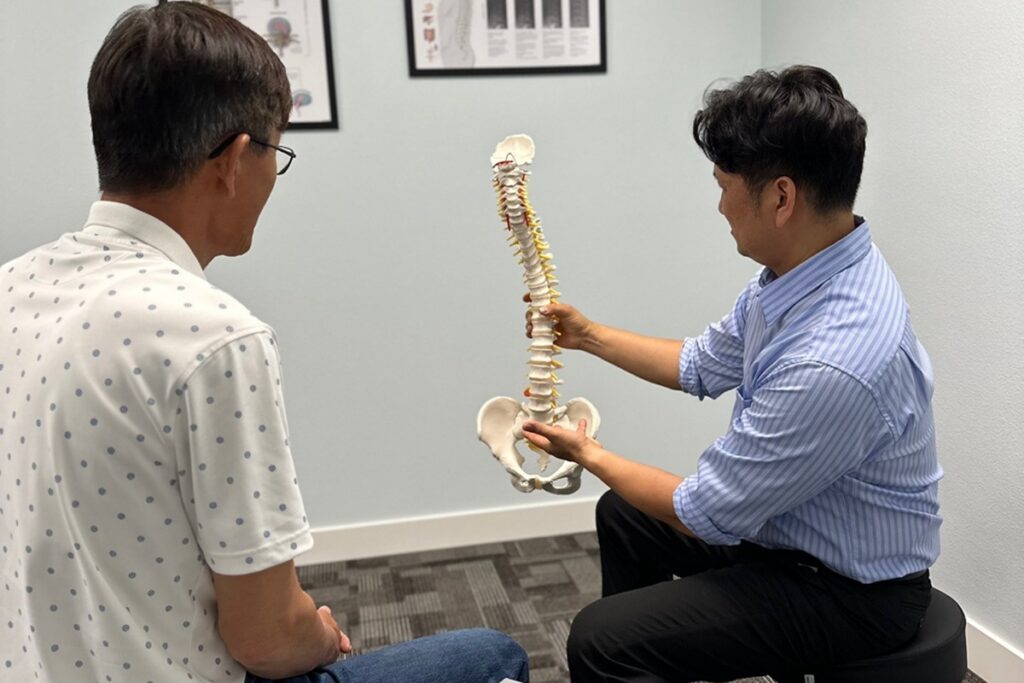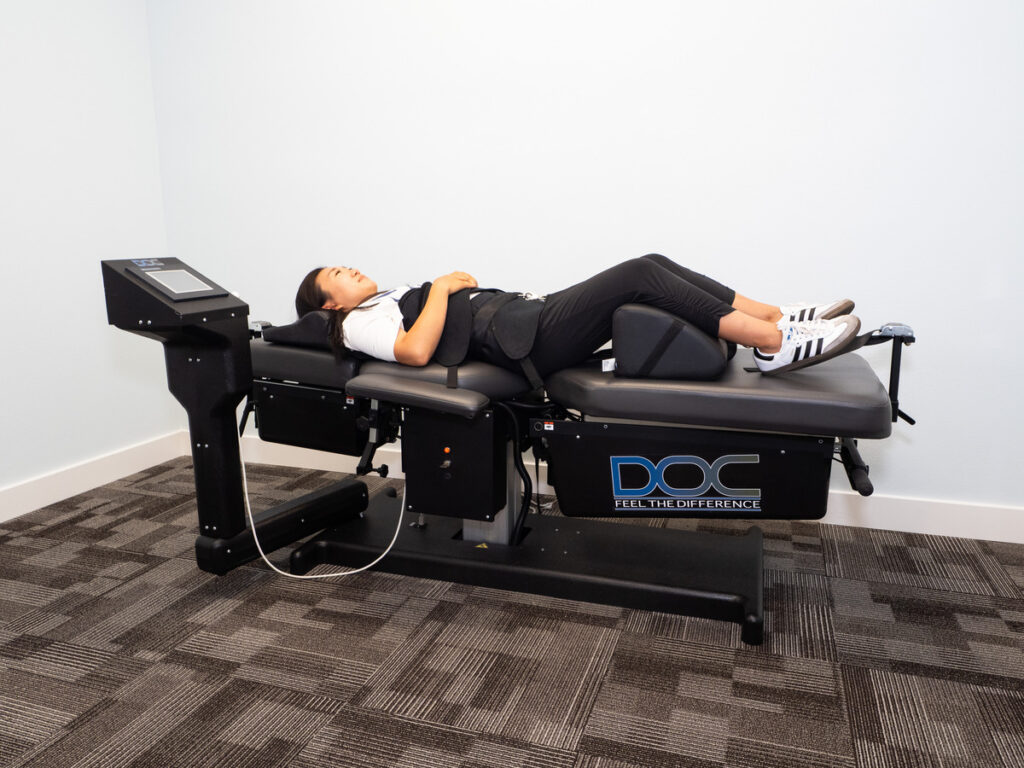

If you're struggling with neck pain, you might be considering surgery as a solution, but there are effective natural alternatives worth exploring. Techniques like heat therapy, targeted exercises, and even dietary changes can play a significant role in alleviating discomfort. You'll find that simple lifestyle modifications can lead to substantial improvements in your condition. However, understanding the right approaches tailored to your needs is essential. What if you could manage your pain without the risks associated with surgery? The options might surprise you.
Understanding Neck Pain
Neck pain can arise from various factors, including poor posture, injury, or muscle strain. You might find yourself experiencing discomfort after sitting at your desk for hours or after a sudden jolt during a sports activity.
It's important to recognize that neck pain can manifest in multiple ways, such as stiffness, sharp pain, or a dull ache. You may also notice that certain movements exacerbate the pain, making it challenging to turn your head or look up.
Understanding the root causes of your neck pain is the first step toward finding relief. If you've been involved in an accident or sustained an injury, the pain could stem from whiplash or muscle tears.
Alternatively, repetitive motions, such as looking down at your phone or hunching over your laptop, can lead to muscle strain and tension.
In some cases, underlying medical conditions like arthritis or herniated discs might contribute to your discomfort. It's important to pay attention to any accompanying symptoms, like numbness or tingling, which could indicate nerve involvement.
Once you identify the type and cause of your neck pain, you're better equipped to address it. You might consider incorporating gentle stretches and exercises to relieve tension and strengthen your neck muscles.
Additionally, using heat or ice therapy can provide immediate comfort and promote healing. By understanding your neck pain, you're taking the first step towards effective, natural solutions.
Importance of Posture
Your posture plays an essential role in preventing neck pain.
By ensuring proper sitting alignment and creating an ergonomic workspace, you can greatly reduce strain on your neck.
Let's explore how these adjustments can make a difference in your daily comfort.
Proper Sitting Alignment
Maintaining proper sitting alignment is essential for reducing neck pain and promoting overall well-being. When you sit correctly, you support your spine and keep your neck in a neutral position, which minimizes strain on muscles and ligaments.
First, verify your feet are flat on the floor, with your knees at a right angle. This position helps distribute your weight evenly and prevents slumping.
Next, pay attention to your backrest. Your chair should support your lower back, encouraging an upright posture. Adjust your chair height so your elbows can rest comfortably at your sides, creating a 90-degree angle at your elbows. This alignment keeps your shoulders relaxed rather than hunched.
Additionally, keep your monitor at eye level. This prevents you from craning your neck or leaning forward, which can lead to discomfort over time. If you use a laptop, consider propping it on a stand or using an external keyboard and mouse to maintain proper alignment.
Finally, remember to take breaks. Stand up, stretch, and move around to relieve tension. By being mindful of your sitting posture, you can considerably reduce your neck pain and enhance your overall comfort.
Ergonomic Workspace Setup
Creating an ergonomic workspace setup is essential for fostering good posture and preventing neck pain. When you set up your workspace, focus on your chair height and desk arrangement. Your feet should rest flat on the floor, and your knees must be at a 90-degree angle. Adjust your chair so your back is supported, promoting a natural curve in your spine.
Next, position your computer monitor at eye level. This guarantees you won't have to bend or strain your neck. If you use a laptop, consider an external keyboard and mouse to enhance your posture further. Keep your screen about an arm's length away to reduce eye strain.
Your keyboard and mouse should be at a height that allows your elbows to remain close to your body and at a 90-degree angle. This helps prevent tension in your shoulders and neck.
Remember to take regular breaks; stand up, stretch, and change positions throughout your workday to keep your muscles relaxed.
Effective Neck Exercises
Relieve tension and improve flexibility with effective neck exercises tailored to strengthen the muscles supporting your cervical spine. These exercises can help alleviate discomfort and enhance your overall neck health.
Start with neck tilts: gently tilt your head towards one shoulder, hold for a few seconds, and switch sides. This simple movement helps stretch the sides of your neck, reducing tightness.
Next, try chin tucks to engage your neck muscles. Sit or stand with a straight back and gently tuck your chin toward your chest without bending forward. Hold for five seconds and release. Repeat this exercise several times; it strengthens the deep neck flexors, promoting better posture.
You can also incorporate neck rotations into your routine. Slowly turn your head to one side until you feel a gentle stretch, hold for a few seconds, and then rotate to the other side. This movement helps improve mobility and flexibility in your neck.
Additionally, consider shoulder shrugs. Raise your shoulders towards your ears, hold for a moment, and then relax them down. This exercise helps relieve tension in the upper neck and shoulder area.
Lastly, practice isometric neck exercises. Press your palm against your forehead, applying gentle pressure while resisting with your neck. Hold for a few seconds, then switch to the back and sides. These exercises strengthen the neck muscles without requiring movement, providing stability.
Incorporating these effective neck exercises into your routine can make a significant difference in managing and preventing neck pain.
Stretching Techniques
In addition to effective neck exercises, incorporating stretching techniques can further enhance flexibility and reduce tension in your neck. Stretching helps alleviate stiffness and can improve your overall range of motion. Here are some simple stretches you can easily integrate into your daily routine.
First, try the neck tilt stretch. Sit or stand up straight, then gently tilt your head toward one shoulder. Hold the stretch for about 15 to 30 seconds, feeling the tension release on the opposite side. Switch sides and repeat. This stretch can help relieve tightness in the muscles along the sides of your neck.
Next, perform the neck rotation stretch. Keep your shoulders relaxed, and slowly turn your head to one side, aiming to look over your shoulder. Hold this position for 15 to 30 seconds before switching to the other side. This stretch targets the muscles that facilitate head movement and can relieve discomfort.
Don't forget the chin tuck stretch. Sit or stand with your back straight. Tuck your chin in toward your chest, creating a double chin effect. Hold for 5 seconds and then release. This stretch strengthens the neck muscles and helps maintain proper posture.
Lastly, the shoulder shrug stretch can also be beneficial. Raise your shoulders toward your ears and hold for a few seconds before releasing. This exercise helps ease tension in both your neck and shoulders.
Incorporate these stretches into your routine for a more relaxed and flexible neck.
Heat and Cold Therapy
When you're dealing with neck pain, heat and cold therapy can be your best friends.
Heat therapy helps relax tight muscles, while cold therapy can reduce inflammation and numb sharp pain.
Knowing when to alternate between the two can make a significant difference in your comfort and recovery.
Benefits of Heat Therapy
Heat therapy offers a comforting way to ease neck pain and improve mobility. When you apply heat, whether through a warm towel, heating pad, or hot shower, it increases blood flow to the affected area. This boost in circulation delivers essential nutrients and accelerates the healing process.
Using heat can also help relax tense muscles, reducing stiffness and discomfort. If you've been dealing with chronic neck pain, a simple heating pad can work wonders. Just 15 to 20 minutes of heat application can markedly alleviate soreness and tension.
Another benefit of heat therapy is its ability to promote relaxation, which can be especially helpful after a long day. By taking time to apply heat, you're not only treating your neck but also giving yourself a moment to unwind.
Moreover, heat therapy is easy to incorporate into your daily routine. You can use it while reading, watching TV, or even working at your desk. Just be sure to monitor the temperature to avoid burns.
Embrace the soothing effects of heat therapy, and you may find considerable relief from your neck pain.
Cold Therapy Techniques
Cold therapy techniques are a valuable complement to heat therapy for managing neck pain. When you apply cold to the affected area, it helps reduce inflammation and numbs the pain, providing immediate relief. You can use ice packs, frozen gel packs, or even a bag of frozen vegetables wrapped in a towel. Just make sure to apply the cold therapy for no longer than 15-20 minutes at a time to avoid skin damage.
To use cold therapy effectively, start by lying down in a comfortable position. Place the cold pack on your neck, ensuring it's not directly against your skin. If you feel any discomfort, remove it immediately. You can repeat this process several times throughout the day, especially after activities that aggravate your neck pain.
Another method is to use a cold compress, which can be made by soaking a cloth in cold water and placing it on your neck. This technique is particularly soothing and can easily be done at home.
When to Alternate
Knowing when to switch between heat and cold therapy can markedly enhance your neck pain management.
Understanding the right moments for each treatment can lead to faster relief and better overall results. Here's how to know when to alternate:
- Cold Therapy: Use it immediately after an injury or during flare-ups to reduce inflammation and numb the pain.
- Heat Therapy: Apply heat for muscle relaxation and improved blood circulation, especially if your pain is chronic or due to tightness.
- Alternating: Try alternating between heat and cold for ongoing pain management—this can help soothe sore muscles while reducing swelling.
Start with cold therapy for about 15-20 minutes.
After that, switch to heat therapy for another 15-20 minutes.
This method can maximize the benefits of both treatments while minimizing discomfort.
Remember, it's crucial to listen to your body.
If one method seems to worsen your pain, stop and try the other.
Massage and Acupuncture
When you're seeking relief from neck pain, massage and acupuncture can be effective options that promote relaxation and healing. Both therapies address muscle tension and improve blood flow, helping to alleviate discomfort.
Massage therapy involves applying pressure to the muscles and soft tissues in your neck and shoulders. By working out knots and tight spots, you can release built-up tension and enhance mobility. Whether you prefer deep tissue massage, trigger point therapy, or a gentle relaxation massage, finding a skilled therapist can make a significant difference.
Regular sessions can lead to long-term relief, allowing you to maintain better posture and reduce the risk of future pain.
Acupuncture, on the other hand, is rooted in traditional Chinese medicine. It involves inserting very thin needles into specific points on your body to stimulate energy flow, or "qi." This practice can help balance your body's energy, reduce inflammation, and promote healing.
Many people report significant pain relief after just a few sessions. Plus, acupuncture may help you relax, which is essential for managing stress-related neck pain.
Both massage and acupuncture can be used alone or in combination for enhanced results. It's important to listen to your body and communicate with your practitioners about what feels best for you.
Herbal Remedies
When it comes to managing neck pain, herbal remedies can be a game changer.
You'll find effective herbal ingredients that can alleviate discomfort, but knowing how to prepare them and the right dosages is essential.
Let's explore these aspects to help you find relief naturally.
Effective Herbal Ingredients
Exploring natural remedies for neck pain often leads to the discovery of effective herbal ingredients that can provide relief. These herbs have been used for centuries and have gained popularity due to their healing properties.
Here are some potent options you can consider:
- Turmeric: Known for its anti-inflammatory properties, turmeric can help reduce swelling and pain in the neck area.
- Ginger: This herb can enhance circulation and ease muscle tension, making it a great choice for neck pain relief.
- Willow Bark: Often referred to as "nature's aspirin," willow bark can alleviate pain and discomfort thanks to its salicin content.
Incorporating these herbs into your daily routine, whether through teas, capsules, or topical applications, can make a significant difference in managing neck pain.
Always remember to consult with a healthcare provider before starting any new herbal regimen to ascertain it's safe and effective for your specific situation.
Preparation Methods
There are several effective preparation methods for herbal remedies that can help alleviate neck pain. One of the simplest ways is to create a herbal tea. You can steep ingredients like ginger, turmeric, or chamomile in hot water for about 10 minutes. This not only soothes your throat but also provides anti-inflammatory benefits that may ease discomfort.
Another method involves making a poultice. You can crush fresh or dried herbs such as arnica or eucalyptus and mix them with a little water to form a paste. Apply this directly to the painful area, and cover it with a cloth for about 30 minutes. This localized treatment helps reduce swelling and provides relief.
For a more potent option, consider infusing oils with your chosen herbs. You can heat olive or coconut oil and add herbs like rosemary or peppermint. Let it sit for several hours, then strain it. You can use this infused oil for gentle massages on your neck, promoting relaxation and circulation.
Experiment with these preparation methods to find what works best for you. Always verify you're using quality herbs, as this is key to their effectiveness.
Dosage Guidelines
Finding the right dosage for herbal remedies is essential for effectively managing neck pain. Each herb can have different effects depending on how much you take, so it's important to follow dosage guidelines closely. Here are some key points to reflect on:
- Start Low and Go Slow: Begin with a lower dose to see how your body reacts before increasing it.
- Consult with a Professional: Always talk to a healthcare provider or a qualified herbalist who can recommend the proper dosage tailored to your needs.
- Monitor Your Symptoms: Keep track of how you feel after taking the remedy. This can help you adjust the dosage if necessary.
For example, if you're using turmeric for its anti-inflammatory properties, a common dosage might be 500 to 2,000 mg per day.
For ginger, 1 to 3 grams daily can help with pain relief.
Dietary Considerations
A well-balanced diet plays an essential role in managing neck pain and promoting overall musculoskeletal health. When you focus on the right nutrients, you can help reduce inflammation and strengthen your body's connective tissues.
Start by incorporating plenty of fruits and vegetables into your meals, as they're rich in antioxidants and vitamins that support healing. Leafy greens, berries, and citrus fruits are particularly beneficial.
You should also consider adding omega-3 fatty acids to your diet. Foods like salmon, walnuts, and flaxseeds can help decrease inflammation and improve joint health.
Don't forget about the importance of protein, as it helps repair tissues and maintain muscle mass. Lean meats, eggs, beans, and legumes are excellent sources.
Hydration is another vital aspect. Drinking enough water can help keep your spinal discs hydrated and functioning correctly. Aim for at least eight glasses of water a day, and remember that staying hydrated also supports overall bodily functions.
Lastly, limit your intake of processed foods, added sugars, and excessive salt. These can contribute to inflammation and exacerbate pain. Instead, opt for whole foods and natural ingredients whenever possible.
Stress Management
Managing stress is essential for alleviating neck pain and promoting overall well-being. When you're stressed, your body tenses up, leading to muscle tightness and discomfort in your neck. By actively managing your stress levels, you can reduce this tension and improve your quality of life.
Here are some effective strategies you can incorporate into your routine:
- Practice mindfulness meditation: Taking just a few minutes daily to focus on your breath can help clear your mind and reduce anxiety.
- Engage in physical activity: Regular exercise releases endorphins, the body's natural stress relievers, which can help ease neck pain.
- Establish a relaxation routine: Incorporate activities like yoga or deep breathing exercises to help you unwind and release built-up tension.
You don't have to face stress alone—seek support from friends, family, or even a therapist. Sometimes, just talking about what's bothering you can lighten the load.
Additionally, make sure you're getting enough sleep. A well-rested body can handle stress better and is less likely to accumulate tension in your neck.
Lifestyle Modifications
Making simple lifestyle modifications can greatly reduce neck pain and enhance your overall comfort.
Start by evaluating your workspace. If you sit at a desk for long hours, make certain your chair and monitor are at the right height. Your screen should be at eye level, and your chair should support your lower back. This alignment minimizes strain on your neck.
Next, pay attention to your posture throughout the day. Practice sitting and standing up straight, keeping your shoulders back and your head aligned with your spine. You can even set reminders on your phone to check in on your posture regularly.
Incorporate regular breaks into your routine. Every 30 to 60 minutes, take a moment to stand up, stretch, and move around. This helps relieve tension that builds up in your neck and shoulders.
Don't forget about your sleeping habits. Use a supportive pillow that keeps your neck aligned while you sleep. Avoid sleeping on your stomach, which can twist your neck uncomfortably.
Finally, consider your daily activities. If you carry a heavy bag, switch sides frequently or use a backpack to distribute weight evenly.
Engage in gentle exercises, like yoga or swimming, that promote flexibility and strength in your neck and shoulders.
Conclusion
By exploring natural neck pain solutions, you can effectively relieve discomfort without resorting to surgery. Emphasizing proper posture, incorporating effective exercises and stretching techniques, and utilizing heat and cold therapy can make a significant difference. Don't forget the power of herbal remedies and a balanced diet to fight inflammation. By managing stress and making lifestyle modifications, you'll not only alleviate neck pain but also enhance your overall well-being. Embrace these holistic approaches for a healthier, pain-free life!