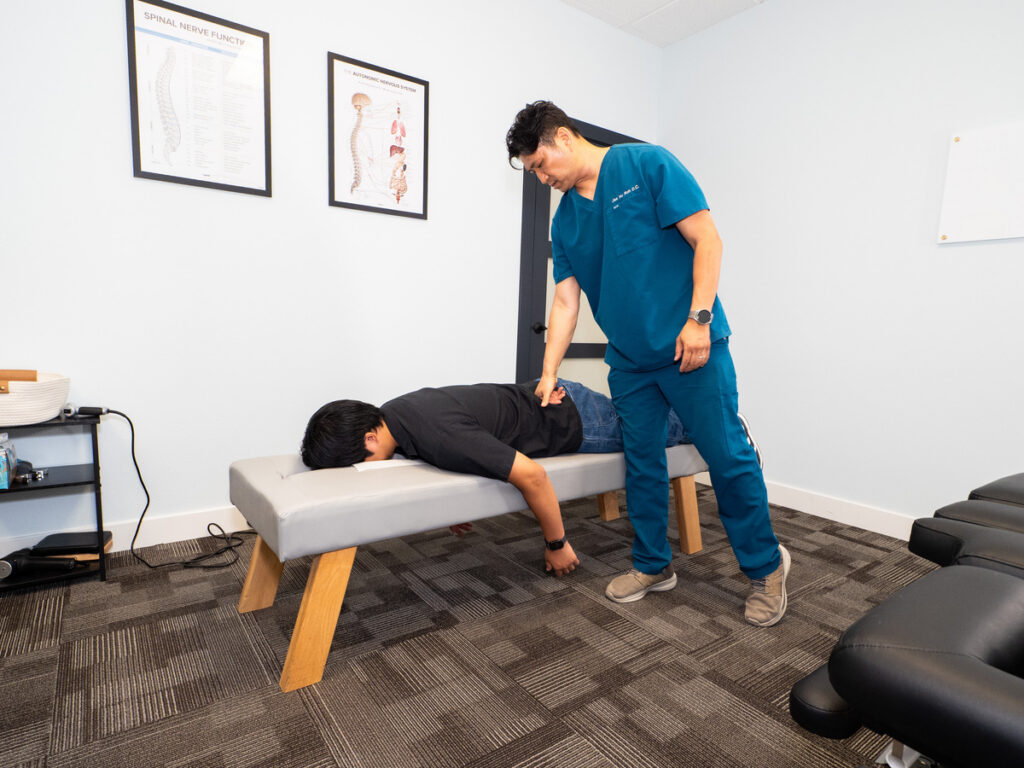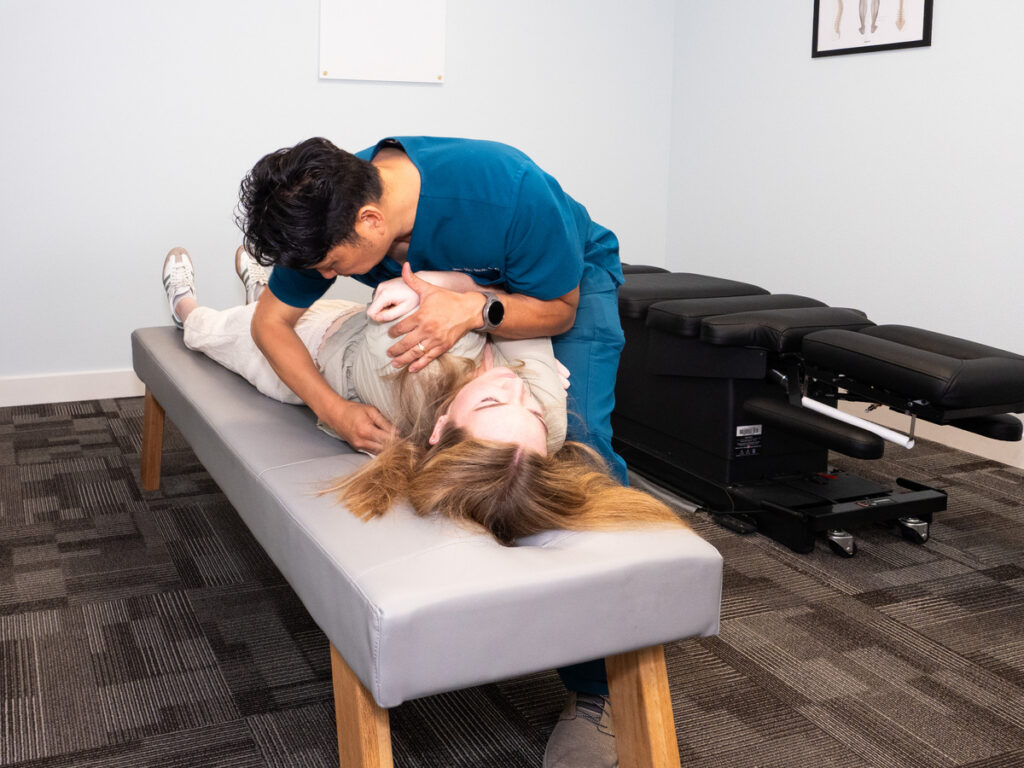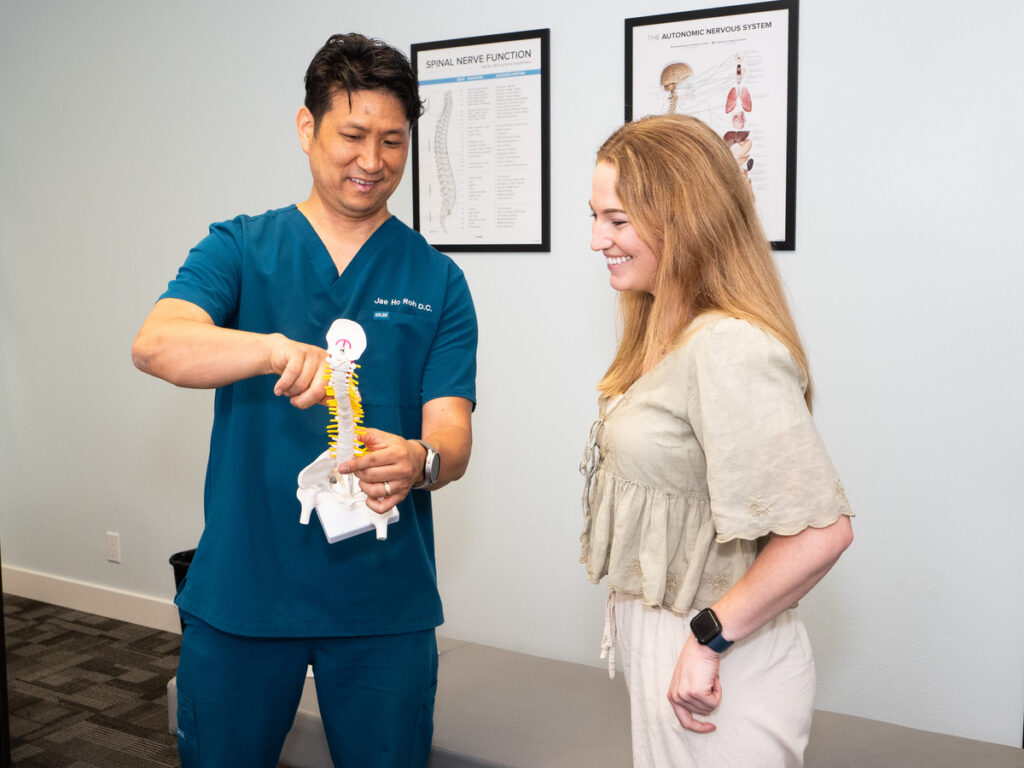

As a local chiropractor, I often see patients who are struggling with back pain, which can disrupt their daily lives in ways they may not even realize. Many people are unaware that simple lifestyle changes can significantly enhance the health of your back. For instance, maintaining proper posture while sitting or standing can alleviate unnecessary strain on your spine. Additionally, incorporating core-strengthening exercises into your routine can provide your back with the support it needs.
I encourage you to consider these small adjustments that could lead to substantial improvements in your well-being. If you’re curious about the specific steps you can take to protect your back and improve your overall health, I’m here to guide you on this journey toward natural healing and pain relief. Let’s work together to find solutions that fit your lifestyle!
Maintain Proper Posture While Sitting
As a chiropractor, I want to emphasize the importance of maintaining proper posture while sitting, especially for those who may not be familiar with how it can impact your overall health. Proper seating posture is crucial for preventing back pain and begins with how you position yourself in your chair.
First, make sure you sit all the way back in your chair, allowing it to fully support your back. Your feet should rest flat on the floor or on a footrest, ensuring your knees are at a right angle. It’s important to avoid crossing your legs, as this can create imbalances in your body and lead to strain over time.
Ideally, your hips should be slightly elevated compared to your knees, which helps maintain the natural curve of your lower back.
Next, align your shoulders directly over your hips, and keep your head in line with your spine to avoid leaning forward, which can strain your neck. I also encourage you to take regular breaks—stand, stretch, or walk around—to relieve any built-up tension.
Finally, ensure your workspace is ergonomically set up so that your computer screen is at eye level, which minimizes neck strain.
Invest in an Ergonomic Chair
As a local chiropractor, I want to share the significant benefits of investing in an ergonomic chair for your back health. Many people may not realize how crucial proper seating is for maintaining a healthy spine, especially when sitting for extended periods.
An ergonomic chair is specifically designed to support your natural posture, which can significantly reduce strain on your back. When you choose a chair that promotes proper alignment, you can help prevent discomfort and fatigue that often accompany long hours of sitting.
It’s essential to look for adjustable features in an ergonomic chair, such as height, backrest, and armrests, that can be tailored to fit your body perfectly. This customization is vital for achieving optimal posture.
By using an ergonomic chair, you encourage yourself to sit deeply and maintain a neutral spine position. This practice can greatly decrease the risk of developing chronic back pain, an issue many of my patients face.
Additionally, many ergonomic chairs come equipped with lumbar support, which provides extra cushioning exactly where you need it most. Incorporating an ergonomic chair into your daily routine can be a proactive step towards better back health and overall well-being.
Incorporate Regular Stretching Breaks
As a local chiropractor, I want to emphasize the importance of incorporating regular stretching breaks into your daily routine for optimal back health. Many of us become so engrossed in our work that we forget to take a moment for ourselves, but these small pauses can significantly alleviate tension and enhance your posture.
I recommend taking a break every hour to stand up and stretch. This simple practice can make a world of difference in how your body feels.
Here are some effective stretches you can easily integrate into your workday:
- Neck Rolls: Take a moment to gently roll your neck in a circular motion. This will help release any built-up tension in the neck area.
- Shoulder Shrugs: Raise your shoulders towards your ears, hold for a moment, and then let them drop. This motion can help relieve tightness and improve shoulder mobility.
- Spinal Twists: Whether sitting or standing, gently twist your torso to each side. This movement can enhance spinal mobility and help counteract the effects of prolonged sitting.
- Hamstring Stretch: Stand up and reach for your toes. This stretch not only targets your hamstrings but also helps relieve tension in your lower back.
By incorporating these stretches into your routine, you can support your body’s natural healing processes and maintain a healthier spine.
Strengthen Core Muscles
As a chiropractor, I often emphasize the critical role that core strength plays in preventing back pain. Many people may not realize that your core encompasses more than just your abdominal muscles; it includes your lower back, hips, and pelvis as well. A well-developed core is essential for stabilizing your spine, enhancing your posture, and minimizing strain on your back during everyday activities.
To help strengthen your core, I recommend incorporating exercises such as planks, bridges, and leg raises into your fitness routine. These exercises engage various muscle groups, which improves your overall stability and support. Ideally, aim for two to three core workouts each week, and gradually increase the intensity as you become stronger.
It’s also important to pay attention to your form during these exercises, as proper technique is crucial to avoid injury. Additionally, you can make subtle adjustments in your daily life, like sitting up straight or consciously engaging your core while standing. These small changes can significantly impact your core strength and overall well-being.
Remember, a robust core not only supports your back but also enhances your overall fitness and agility. By prioritizing core strength, you’re investing in a solid foundation for a healthier, pain-free back.
If you have any questions or need guidance on specific exercises, feel free to reach out. I’m here to help you on your journey to better health through natural healing and chiropractic care.
Practice Safe Lifting Techniques
As a local chiropractor dedicated to your well-being, I want to share some important insights on lifting heavy objects safely.
When you lift, it’s crucial to bend at your knees instead of your waist. This technique helps protect your spine and reduces the risk of injury.
Additionally, keep the load close to your body and engage your core muscles. This not only provides better support but also enhances your overall stability.
By adopting these simple yet effective techniques, you can significantly lower your chances of experiencing back pain and promote a healthier, more resilient body.
Bend at Knees
As a local chiropractor, I want to share with you the importance of safe lifting techniques, especially when it comes to preventing back pain. One fundamental principle I emphasize is the necessity of bending at your knees rather than your waist. This technique engages your leg muscles, which are inherently stronger and more capable of handling the strain of lifting.
Here are some essential tips to keep in mind:
- Always stand close to the object you’re about to lift. This minimizes the distance you need to reach and reduces strain on your back.
- Position your feet shoulder-width apart to maintain your balance during the lift.
- Remember to squat down by bending your knees while keeping your back straight. This posture helps protect your spine.
- As you lift, focus on using your legs instead of your back. This is crucial for preventing injury as you rise.
By incorporating these safe lifting techniques into your daily routine, you can significantly lower your risk of injury and promote a healthier back.
It’s essential to prioritize these practices, especially if you want to maintain a pain-free lifestyle. So, the next time you’re preparing to lift something, make sure to bend at those knees! Your back will thank you.
Keep Load Close
As a chiropractor dedicated to your overall well-being, I want to emphasize the importance of maintaining a close grip on any load you’re lifting. It’s crucial for protecting your back and spine. When you keep the weight near your body, it significantly reduces strain on your spine and helps maintain your balance.
When lifting, I recommend positioning yourself so that the load is centered between your feet. This positioning allows you to use your legs for strength, rather than putting unnecessary pressure on your back.
It’s also vital to avoid twisting your torso while carrying a heavy object; instead, pivot your feet to turn your entire body.
If you find that the object is too heavy or awkward to manage alone, please don’t hesitate to ask for assistance. Safe lifting techniques are essential in preventing injury and promoting a healthy spine.
I encourage you to make it a practice to keep loads close to your body every time you lift. Your back will express its gratitude in the long run, contributing to your overall health and well-being.
Engage Core Muscles
As a local chiropractor, I want to emphasize the importance of engaging your core muscles, especially when it comes to safe lifting techniques that protect your back.
Activating your core creates a natural brace that stabilizes your spine, significantly reducing the risk of injury. Here are some valuable tips to help you enhance your lifting posture:
- Stand tall: Position your feet shoulder-width apart to maintain balance.
- Bend at the knees: Remember to lower your body by bending your knees rather than straining your back.
- Use your legs: Focus on engaging your leg muscles to lift the load, rather than relying on your back.
- Hold the load close: Keep the object as close to your body as possible while lifting for better support.
By incorporating these practices into your routine, you can help protect your spine and promote overall spinal health.
If you have any questions about proper lifting techniques or how to care for your back, feel free to reach out during your next visit!
Stay Active With Regular Exercise
As a local chiropractor, I want to emphasize the importance of staying active to prevent back pain.
Regular exercise is a key component in maintaining a healthy spine and overall well-being. One of the most effective ways to support your back is by strengthening your core muscles, as they play a crucial role in stabilizing your spine.
I recommend incorporating low-impact activities into your routine, such as walking or swimming. These exercises are gentle on your body while still promoting movement and flexibility, helping you stay active without putting unnecessary strain on your back.
Strengthening Core Muscles
As a local chiropractor, I often encounter patients who may not fully appreciate the crucial role that core muscles play in our overall health. Strengthening your core is essential not only for enhancing physical performance but also for significantly reducing the risk of back pain.
A strong core acts as a supportive foundation for your spine, helping to maintain proper posture, which is vital for overall back health.
Incorporating core-strengthening exercises into your daily routine can be a game-changer. These exercises don’t just help with back pain; they also improve your stability and mobility, enhancing your quality of life.
Here are some effective exercises that I recommend for building your core strength:
- Planks: This exercise engages multiple muscle groups while stabilizing your core, making it a fantastic full-body workout.
- Bridges: Not only do bridges strengthen your glutes, but they also work wonders for your lower back, promoting overall stability.
- Bicycle Crunches: This dynamic move targets both your abdominal muscles and obliques, ensuring a comprehensive core workout.
- Dead Bugs: This exercise focuses on improving coordination and core stability, which are essential for everyday movements.
By incorporating these exercises into your routine, you can support your spine and enhance your overall health.
Low-Impact Activities Recommended
As your local chiropractor, I want to emphasize the importance of incorporating low-impact activities into your daily routine to maintain a healthy lifestyle while protecting your spine. Engaging in exercises such as walking, swimming, or cycling is a great way to stay active without putting unnecessary strain on your back.
I recommend aiming for at least 150 minutes of moderate activity each week, which you can break down into smaller, manageable sessions.
In addition to these activities, practices like yoga and Pilates can be incredibly beneficial. They not only enhance flexibility but also strengthen your core muscles, which play a crucial role in supporting your back.
Stretching is another vital component; it helps improve your range of motion and alleviates tension in your muscles.
It’s essential to listen to your body and adjust the intensity of your activities based on how you feel. By selecting low-impact exercises, you can enjoy the numerous health benefits while minimizing the risk of pain and injury.
Use Supportive Footwear
As a local chiropractor, I want to share with you the importance of wearing supportive footwear to help prevent back pain. The right shoes can make a world of difference in how your body feels, particularly when it comes to your spine.
Here are some key features to look for when choosing your footwear:
- Arch Support: It’s essential to find shoes that offer proper arch support. This helps to evenly distribute your weight and can significantly reduce pressure on your spine, promoting better alignment.
- Cushioning: Look for shoes that provide adequate cushioning. This is especially important for activities like walking or running, as good cushioning helps absorb the impact and reduces strain on your back.
- Stability: Choose footwear that offers stability. Shoes that keep your foot secure will help prevent excessive movement, which can lead to misalignment and discomfort.
- Fit: Always ensure your shoes fit properly. Tight or loose footwear can cause discomfort and alter your gait, leading to additional stress on your back.
By prioritizing supportive footwear, you’re taking a proactive step towards maintaining your spinal health and overall well-being.
If you have any questions or need further guidance, feel free to reach out!
Manage Stress and Relax
As a local chiropractor, I want to emphasize how managing stress and finding effective ways to relax can play a vital role in preventing back pain. When life becomes overwhelming, the tension that builds up in your muscles can lead to discomfort and pain. That’s why it’s important to incorporate relaxation techniques into your daily routine.
One of the simplest yet most effective methods is deep breathing exercises. These can help calm your mind and reduce muscle tension, allowing your body to relax.
I also encourage my patients to explore practices like yoga or gentle stretching. Not only do these activities help alleviate stress, but they also enhance flexibility and improve your posture, which is crucial for spine health.
Additionally, engaging in hobbies that you love can be a wonderful way to relieve stress. Whether it’s painting, gardening, or diving into a good book, make sure to carve out time for activities that bring you joy.
Regular physical activity, such as walking or jogging, is also beneficial. It releases endorphins, which can elevate your mood and help reduce anxiety.
At our chiropractic practice, we believe that a holistic approach to health includes managing stress effectively. By adopting these natural healing techniques, you can support your overall well-being and keep your back pain at bay.
Ensure Quality Sleep and Mattress Support
As a local chiropractor, I want to emphasize how crucial a good night’s sleep is for your overall health, particularly when it comes to managing back pain.
Many of my patients find that without adequate rest, their bodies struggle to heal, leading to increased discomfort and tension.
Here are some key insights to help improve your sleep quality and provide your back with the support it needs:
- Select the right mattress: A medium-firm mattress is often ideal as it provides a balanced combination of support and comfort. This can help align your spine properly while you sleep.
- Incorporate supportive pillows: It’s important to choose pillows that support the natural curve of your neck, whether you sleep on your back or side. This can prevent strain and promote better spinal alignment.
- Establish a consistent sleep routine: Try to go to bed and wake up at the same time every day. This regularity can help regulate your body’s internal clock, making it easier to fall asleep and wake up feeling refreshed.
- Design a restful sleep environment: Make your bedroom conducive to sleep by keeping it dark, quiet, and cool. A peaceful environment can significantly enhance the quality of your sleep and, in turn, your overall well-being.
By incorporating these practices into your daily routine, you can help facilitate your body’s natural healing processes and alleviate back pain more effectively.
If you have any questions or need further guidance, feel free to reach out to me during your next visit!