
Migraines can strike unexpectedly, leaving you in search of effective relief. While many people turn to medications, there are natural methods that might surprise you and provide lasting benefits. As a chiropractor, I believe in the power of holistic approaches to health that can help alleviate symptoms without the need for drugs or invasive procedures.
One effective technique is acupressure, which involves applying pressure to specific points on the body. This can help release tension and improve energy flow, potentially reducing the intensity of migraine pain. Additionally, incorporating essential oils such as lavender or peppermint into your routine can promote relaxation and ease discomfort. Simply inhaling these calming scents can have a soothing effect.
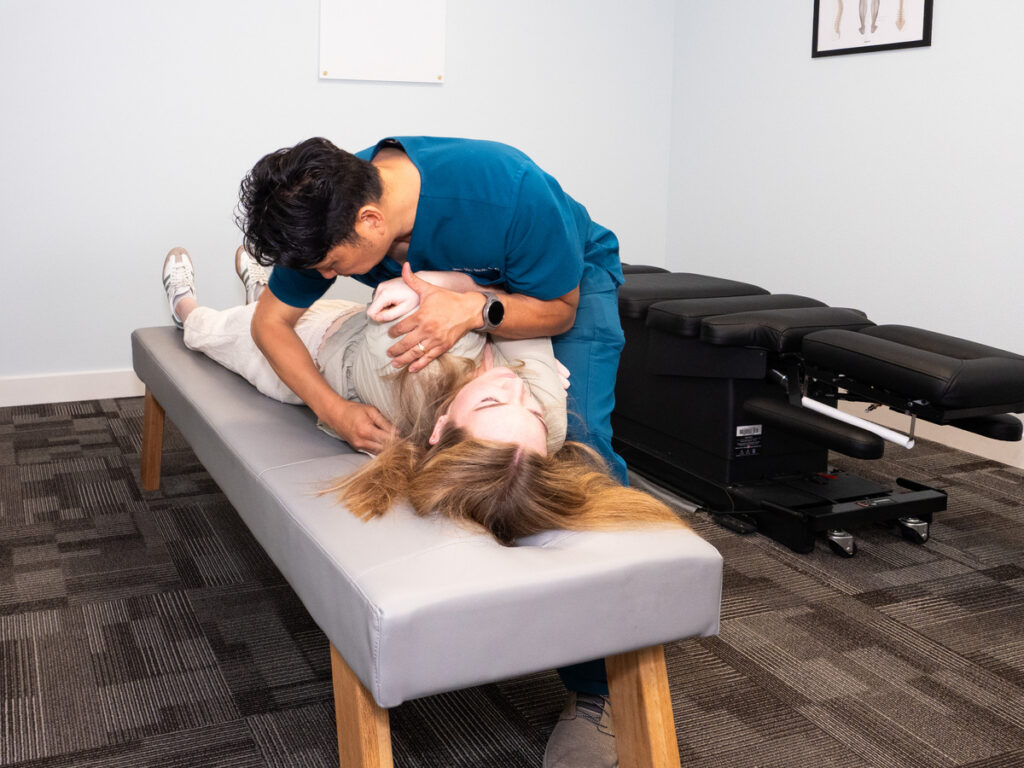
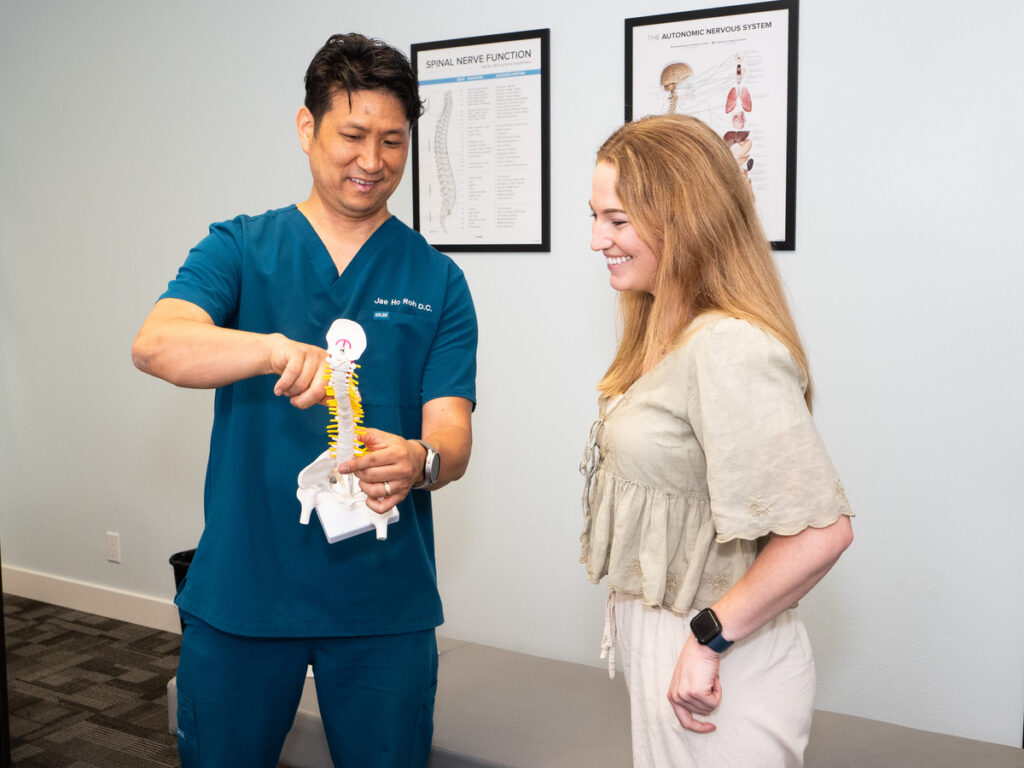
Another crucial aspect of managing migraines is understanding the importance of spinal health. Regular chiropractic adjustments can help align your spine, reduce tension in the neck and shoulders, and improve overall nervous system function. This can lead to fewer headaches and a significant decrease in migraine frequency.
Lifestyle tweaks are also beneficial. Staying well-hydrated, maintaining a balanced diet rich in fruits and vegetables, and practicing stress-reduction techniques like yoga or meditation can all contribute to a healthier, migraine-free life.
Curious about how these simple strategies can make a difference? Let’s explore these surprising methods that may help you find the relief you’ve been searching for, all while promoting your overall health and wellness through chiropractic care. Remember, taking care of your spine is an essential part of achieving optimal health!
Key Takeaways
- Explore acupressure techniques at key points like LI4 and GB20, which can offer effective relief from headache pain and tension. This approach complements the natural healing benefits of chiropractic care by helping to release muscle tension in the neck and shoulders.
- Consider using essential oils such as lavender and peppermint, known for their calming and cooling properties. These can be a soothing addition to your wellness routine, supporting overall relaxation and enhancing the benefits of your chiropractic adjustments.
- Stay properly hydrated and maintain a balanced intake of electrolytes by drinking plenty of water and enjoying foods rich in electrolytes. This simple practice can help prevent migraine triggers and supports your overall health, aligning perfectly with the principles of chiropractic wellness.
- Incorporate mindfulness practices like deep breathing and meditation into your daily routine. These practices can significantly reduce stress, which is a major contributor to migraine occurrences. When combined with chiropractic care, they can enhance your body’s ability to manage pain and promote relaxation.
- Regular visits to your chiropractor can help improve spinal alignment, which may reduce the frequency and severity of migraines. Chiropractic care focuses on natural healing and can be a key component of your journey toward optimal health and wellness.
By integrating these natural approaches with chiropractic care, you can create a comprehensive strategy for managing migraines and enhancing your overall well-being.
Acupressure Techniques for Instant Relief
When a migraine strikes, it can be incredibly uncomfortable, but there are natural ways to find relief that align with a holistic approach to health. Acupressure is one such technique that you can easily practice at home. Let’s explore some effective acupressure points that may help alleviate your migraine symptoms.
Start with the “LI4” point, located between your thumb and index finger. Applying firm pressure to this area for about five minutes can help ease headache pain. This technique not only targets headache discomfort but also encourages relaxation, which can be beneficial for overall wellness.
Next, focus on the “GB20” points, found at the base of your skull where your neck meets your head. Gently massaging these points can relieve tension and discomfort, addressing some of the root causes of migraines. This practice promotes better circulation and can enhance your overall spinal health as well.
Another helpful acupressure point is the “PC6,” located on your wrist, about two inches down from the base of your palm. Pressing on this area may help reduce nausea that often accompanies migraines, allowing you to feel more at ease.
As you practice these techniques, remember to breathe deeply and focus on the sensations in your body. Acupressure not only offers immediate relief but also empowers you to take control of your health.
In addition to acupressure, consider regular chiropractic care as a powerful tool for maintaining optimal health. Chiropractic adjustments can help align your spine, alleviate tension in your body, and enhance your overall well-being.
By incorporating these natural techniques into your wellness routine, you can support your body’s natural healing processes and work towards a healthier, pain-free life.
Next time you feel that familiar discomfort, try these acupressure techniques, and consider scheduling a visit with your chiropractor for comprehensive care that prioritizes your health and wellness.
Aromatherapy: The Power of Essential Oils
Aromatherapy can be a wonderful complement to chiropractic care when it comes to finding relief from migraines. While chiropractic adjustments help align your spine and improve overall nervous system function, incorporating essential oils into your wellness routine can enhance your experience and provide additional comfort.
Let’s take a look at some effective inhalation techniques that can work hand-in-hand with your chiropractic treatments to help ease migraine pain.
- Choose the Right Essential Oils: Some essential oils are particularly effective for headache relief, such as lavender, peppermint, and eucalyptus. These oils can be soothing and provide a sense of calm.
- Inhalation Techniques: One simple way to use essential oils is through inhalation. You can add a few drops of your chosen oil to a bowl of hot water and inhale the steam. Alternatively, you can place a drop or two on a cotton ball and breathe it in deeply.
- Diffusion: Using an essential oil diffuser in your home or office can create an uplifting atmosphere and promote relaxation. This can be especially beneficial if you’re experiencing tension due to stress or poor posture, which can be alleviated through chiropractic adjustments.
- Topical Application: Diluting essential oils with a carrier oil and applying them to your temples or the back of your neck can provide localized relief. However, remember that chiropractic care addresses the root causes of pain, so combining these methods can enhance your overall well-being.
- Mindfulness and Relaxation: Incorporating mindfulness practices while using essential oils can amplify their effects. Try deep breathing or meditation during your aromatherapy session to further reduce tension and promote relaxation.
By integrating these aromatherapy techniques with regular chiropractic care, you can create a holistic approach to managing migraines and enhancing your overall health.
Essential Oils for Relief
If you’re looking for natural ways to alleviate migraine pain, essential oils can be a wonderful addition to your wellness routine. While chiropractic care is a fantastic way to address the root causes of headaches and optimize your overall health, essential oils can help provide soothing relief to complement your care. Here are some popular essential oils that may ease your migraine symptoms:
| Essential Oil | Benefits |
|---|---|
| Lavender | Promotes relaxation and reduces anxiety, creating a calming environment |
| Peppermint | Offers a cooling sensation that may help relieve tension headaches |
| Eucalyptus | Can help open airways and reduce sinus pressure, which can be a factor in headaches |
| Rosemary | May improve circulation and alleviate pain, supporting overall wellness |
| Chamomile | Known for its anti-inflammatory properties and ability to promote relaxation |
To incorporate essential oils into your routine, you can diffuse them in your home or apply a diluted oil to your temples for relief. Remember to experiment with different scents to find the ones that resonate with you.
While these oils can be beneficial, don’t forget the importance of chiropractic care in addressing the underlying issues contributing to your migraines. Regular adjustments can help align your spine, improve your nervous system function, and reduce tension that may trigger headaches.
Here are a few additional tips for managing migraines naturally:
- Stay Hydrated: Drink plenty of water throughout the day to avoid dehydration, which can trigger headaches.
- Maintain a Regular Sleep Schedule: Aim for consistent sleep patterns to help regulate your body’s rhythms.
- Practice Stress Management: Engage in relaxation techniques such as meditation, yoga, or deep breathing exercises to reduce stress levels.
- Monitor Triggers: Keep a headache diary to identify potential triggers, such as certain foods or environmental factors, and adjust your lifestyle accordingly.
Inhalation Techniques Explained
Inhalation techniques can greatly enhance the benefits of essential oils, offering a natural way to support your well-being and potentially alleviate migraine symptoms. As a chiropractor, I believe in the power of holistic approaches for health. Here are some simple methods to try at home that can complement your chiropractic care and promote relaxation.
First, consider using a diffuser. By dispersing essential oils into the air, you create a soothing environment that can help ease tension and stress, which are often contributors to migraines.
Another effective technique is direct inhalation. Just place a few drops of your favorite essential oil on a cotton ball or tissue, hold it close to your nose, and take deep breaths. This method allows your body to quickly absorb the oils, providing immediate relief.
Steam inhalation is also a great option! Add a few drops of essential oil to a bowl of hot water, cover your head with a towel, and inhale the steam for a few minutes. This technique not only helps with migraine relief but can also promote overall relaxation and well-being.
Remember, these techniques can complement your chiropractic care by helping to reduce pain and tension in your body.
As always, maintaining a healthy lifestyle, including proper hydration, regular chiropractic adjustments, and stress management, is key to achieving optimal health. Embrace these natural methods to support your wellness journey!
The Benefits of Hydration and Electrolytes
Staying properly hydrated is crucial for your overall health and can significantly help alleviate migraine symptoms. Dehydration is a common trigger for these intense headaches, so drinking enough water throughout the day is essential. This not only supports your body’s ability to function optimally, including maintaining good circulation and energy levels, but it can also help prevent migraines. A good goal to aim for is at least eight 8-ounce glasses of water daily, but feel free to adjust this based on your activity level and the climate you’re in.
In addition to hydration, electrolytes are important for your body as well. When you sweat or become dehydrated, your body loses key minerals such as sodium, potassium, and magnesium. These electrolytes are vital for regulating nerve function and muscle contractions, both of which can influence the severity of headaches. Including electrolyte-rich foods or beverages in your diet can be particularly helpful, especially if you’re active or out in the heat.
As a chiropractor, I emphasize the importance of holistic approaches to health. Staying hydrated and balancing your electrolytes can complement chiropractic care, which is designed to support your body’s natural healing processes. By ensuring that your spine is aligned and your nervous system is functioning properly, chiropractic adjustments can enhance your overall wellness and help manage pain, including migraines.
Exploring the Role of Diet in Migraine Management
While maintaining a well-balanced diet may appear to be a straightforward aspect of health, it actually plays a crucial role in managing migraines. Many people may not realize that certain foods can trigger or help alleviate their symptoms. For example, common migraine triggers include aged cheeses, processed meats, and alcohol.
To help identify your specific triggers, consider keeping a food diary; this can be a valuable tool for avoiding those foods that may spark a migraine attack.
On the other hand, incorporating magnesium-rich foods like spinach, nuts, and whole grains into your diet may help reduce the frequency of your migraines. Additionally, omega-3 fatty acids found in fish such as salmon can also offer supportive benefits.
Staying consistent with meal timing is essential; skipping meals can lead to fluctuations in blood sugar, which might trigger a migraine.
As you work on managing your diet, remember that chiropractic care can also play a vital role in your overall health and wellness. Regular chiropractic adjustments can help promote better spinal health, which may positively impact your nervous system and, in turn, your body’s response to stress and pain, including migraines.
By choosing chiropractic care, you’re opting for a natural approach to pain relief and overall wellness.
Mindfulness and Meditation Practices
As you seek effective ways to manage migraines, consider incorporating mindfulness and meditation practices alongside your chiropractic care. These techniques can significantly enhance your overall wellness by fostering awareness and reducing stress, which are two major triggers for migraines.
Start with just a few minutes of deep breathing each day. Focus on your breath, letting thoughts drift away without judgment. This simple practice can help calm your nervous system and may even complement the adjustments you receive in chiropractic care.
You might also explore guided meditation apps that offer structured sessions designed to ease tension and promote relaxation. Visualizing a calm and peaceful place can be particularly effective in distracting your mind from pain, allowing your body the opportunity to heal naturally.
Incorporating mindfulness into your daily activities—like during meals or while taking a walk—encourages you to stay present and can significantly reduce anxiety. By integrating these practices with regular chiropractic visits, you may find a greater sense of control over your migraines and improve your overall well-being.
The Impact of Cold and Heat Therapy
Cold and heat therapy can be powerful allies in managing migraine discomfort. As a chiropractor, I often recommend these methods as part of a holistic approach to wellness.
Applying a cold pack can help numb the pain and reduce inflammation, which is particularly useful during a migraine attack. Meanwhile, heat therapy works wonders for relaxing tense muscles and enhancing blood flow, promoting overall relaxation.
Here are some effective techniques for using cold and heat therapy:
- Cold Packs: Apply a cold pack or a bag of frozen peas wrapped in a cloth to your forehead or the back of your neck for 15-20 minutes. This can help numb the area and reduce inflammation.
- Heat Therapy: Use a warm compress or heating pad on your neck and shoulders to alleviate tension. Just make sure it’s not too hot—comfortable warmth is key!
- Alternating Therapies: Some individuals find that alternating between cold and heat can provide optimal relief. Start with cold therapy for a short period, followed by heat.
- Stay Hydrated: Dehydration can trigger migraines, so make sure to drink plenty of water alongside your therapy treatments.
- Chiropractic Adjustments: Regular chiropractic adjustments can help address underlying spinal issues that may contribute to migraines. By ensuring proper alignment, we can support your body’s natural healing processes.
By incorporating these techniques into your migraine management routine and complementing them with chiropractic care, you can take significant steps towards achieving optimal health and wellness.
Cold Packs Benefits
When you’re experiencing a migraine, applying cold packs can be a simple yet effective way to find relief. Cold therapy can help numb the pain and reduce inflammation. The cold temperature constricts blood vessels, which can ease those throbbing sensations and lessen the headache’s intensity.
You can easily create your own cold pack by wrapping ice in a cloth or grabbing a gel pack from your freezer. Place it on your forehead or the back of your neck for the best results. Not only does this method help alleviate pain, but it can also provide a soothing sensation that promotes relaxation—something that’s beneficial for your overall well-being.
As a chiropractor, I encourage you to explore natural methods like cold therapy alongside your chiropractic care. Regular adjustments can help maintain spinal alignment and improve your body’s overall function, which may reduce the frequency and severity of migraines.
Just a quick tip: limit the application of cold packs to 15-20 minutes at a time to avoid any skin irritation. This way, you can safely enjoy the benefits of cold therapy while supporting your journey to optimal health.
Heat Application Techniques
While cold packs can provide immediate relief from migraine pain, incorporating heat application techniques into your wellness routine can also greatly enhance your headache management. By applying heat, you can help relax tense muscles and boost blood circulation, which may alleviate your migraine symptoms.
One effective method is to use a heating pad or a warm towel; these can be particularly soothing. You might also consider indulging in a warm shower to promote relaxation. Pay special attention to your neck and shoulders, as these areas often bear the brunt of tension that can contribute to headaches.
Another helpful technique is using a warm compress on your forehead, which can provide a sense of comfort and relaxation. Always remember to keep the heat at a comfortable level to avoid burns.
While you explore these heat application methods, you’re also encouraged to consider the role of chiropractic care in achieving overall wellness. Regular chiropractic adjustments can help reduce muscle tension and improve spinal alignment, which may further support your efforts in managing migraines and headaches.
As you experiment with these techniques, keep in mind that chiropractic care is a natural and effective option for pain relief and overall health. By integrating these practices into your daily routine, you may discover new ways to ease your migraine discomfort and enhance your well-being.
Yoga and Stretching for Tension Relief
How can yoga and stretching help ease the tension that often leads to migraines? As a local chiropractor, I want to emphasize that incorporating these practices into your routine can greatly reduce muscle tightness and enhance your overall well-being.
While chiropractic care is a primary avenue for achieving optimal health, yoga and stretching can serve as excellent complementary practices.
When you engage in yoga, you not only stretch tight muscles but also promote relaxation through deep breathing techniques, which can significantly impact your body’s tension levels. Poses like Child’s Pose and Cat-Cow are particularly effective for releasing tension in your neck and shoulders—areas often linked to migraine triggers.
Stretching is another powerful tool for increasing blood flow and oxygen to your muscles, which can help alleviate discomfort. Simple techniques like neck rolls or shoulder shrugs can be performed anywhere, offering quick relief from tension.
Remember to focus on your breath and remain present in the moment, as this mindfulness can help reduce stress levels that contribute to migraine onset.
Incorporating regular yoga and stretching into your routine can empower you to manage tension more effectively, potentially decreasing the frequency and intensity of your migraines.
While these practices are beneficial, don’t forget that chiropractic care plays a vital role in promoting spinal health and overall wellness. By maintaining proper spinal alignment, we can help your body function optimally, reducing tension and discomfort.
Herbal Remedies You Might Not Have Tried
If you’re seeking natural methods to alleviate your migraines, incorporating chiropractic care into your wellness routine may be your best option.
While herbal remedies like essential oils, ginger, and peppermint can offer some relief, they should complement, not replace, the benefits of chiropractic adjustments.
Chiropractic care focuses on spinal health and proper alignment, which can play a significant role in reducing the frequency and intensity of migraines.
By addressing any misalignments in your spine, a chiropractor can help alleviate tension and improve overall nervous system function, potentially leading to fewer headaches.
In addition to chiropractic adjustments, here are some general tips you can incorporate into your daily routine to support your health and well-being:
- Stay Hydrated: Dehydration can trigger migraines, so make sure you’re drinking plenty of water throughout the day.
- Maintain Good Posture: Poor posture can strain your neck and back, leading to headaches. Be mindful of your posture whether you’re sitting at a desk or standing.
- Manage Stress: Stress is a common migraine trigger. Consider practicing relaxation techniques such as deep breathing, meditation, or yoga.
- Maintain a Regular Sleep Schedule: Ensuring you get adequate and consistent sleep can help reduce the likelihood of migraines.
- Monitor Your Diet: Certain foods may trigger headaches for some individuals. Keeping a food diary could help you identify and avoid these triggers.
Remember, while herbal remedies can provide some relief, the holistic approach of chiropractic care addresses the root causes of pain and supports your body in achieving optimal health.
If you’re struggling with migraines, consider consulting with a chiropractor to explore how spinal adjustments and lifestyle changes could enhance your wellness.
Essential Oils Magic
Migraines can be incredibly debilitating, but there are natural ways to find relief. As a chiropractor, I believe in the power of holistic approaches to health and wellness, including the use of essential oils. While these plant extracts can complement your wellness routine, it’s essential to remember that chiropractic care is a powerful tool for addressing the root causes of migraines.
Here are three essential oils that may provide some comfort, along with the importance of chiropractic adjustments in your recovery:
- Peppermint Oil: When experiencing a migraine, try applying diluted peppermint oil to your temples. The menthol in peppermint provides a cooling sensation and can improve blood flow, which may help alleviate pain. However, don’t forget that chiropractic adjustments can improve spinal alignment and reduce tension, which may be contributing to your headaches.
- Lavender Oil: Inhaling lavender oil or using it in a diffuser can create a calming atmosphere. Its soothing scent can ease anxiety and promote relaxation, which is crucial when dealing with migraines. Remember, regular chiropractic care can also help reduce stress and tension in your body, leading to fewer headaches over time.
- Eucalyptus Oil: This essential oil can help clear nasal passages and relieve sinus pressure. Using it in a steam inhalation can provide extra comfort. However, managing your overall spinal health through chiropractic adjustments can greatly enhance your body’s ability to cope with stress and tension, potentially reducing the frequency of migraines.
Incorporate these essential oils into your wellness routine, and consider making chiropractic care a key part of your health strategy. By addressing spinal alignment and overall body function, you can work towards a more natural and effective solution for migraine relief.
Always consult with your chiropractor to find the best approach tailored to your needs, and remember that a holistic approach is often the best way to achieve optimal health and wellness.
Ginger’s Healing Properties
While essential oils can provide soothing relief, it’s important to consider the powerful healing properties of ginger as a natural complement to your wellness routine. This versatile root has been used for centuries to help with various ailments, including migraines. Ginger contains compounds like gingerol, which are known for their anti-inflammatory and pain-relieving effects.
Incorporating ginger into your daily life can be simple and enjoyable. You might try sipping on ginger tea, chewing on raw ginger, or adding it to your meals for a flavorful kick. Many individuals find that ginger can help reduce nausea, which is often associated with migraines. This makes ginger a great natural ally in managing your symptoms and enhancing your overall well-being.
If you want an even more concentrated option, ginger supplements are available, but it’s always wise to consult with a healthcare professional before starting any new supplement regimen.
Remember, while ginger can be beneficial, combining it with chiropractic care can provide even more comprehensive support for your health. Chiropractic adjustments help to realign the spine and improve nervous system function, which can play a significant role in pain relief and overall wellness.
By prioritizing a holistic approach that includes both ginger and chiropractic care, you may find a natural way to ease your migraine symptoms, promote healing, and achieve optimal health.
Remember to stay hydrated, maintain a balanced diet, and practice stress-relief techniques as additional ways to support your health journey.
Peppermint for Relief
Natural Relief from Migraines with Peppermint
As a chiropractor, I often see patients seeking relief from migraines and headaches. While chiropractic care is a fantastic way to address the underlying issues that may be contributing to your pain, there are also natural remedies that can provide comfort. One such remedy is peppermint, a simple yet effective herb that you can easily incorporate into your wellness routine.
Here are some ways to use peppermint for migraine relief alongside your chiropractic care:
- Peppermint Oil Application: Dilute some peppermint oil and gently apply it to your temples and the back of your neck. The cooling sensation can help soothe your headache and may provide immediate relief. This practice complements the adjustments you receive in the office by promoting relaxation in the surrounding muscles.
- Sipping Peppermint Tea: Drinking warm peppermint tea can be both soothing and calming. Not only does it help with relaxation, but it can also aid in digestion, which is often beneficial for those experiencing migraines. Taking a moment to enjoy a warm cup can be a great self-care practice.
- Inhalation for Instant Relief: Inhaling the aroma of peppermint essential oil can help open your sinuses and provide a refreshing boost during a migraine. This simple technique can be done anywhere, making it a convenient option when you need quick relief.
Remember, while these natural remedies can offer comfort, they work best in conjunction with the holistic approach of chiropractic care.
Regular adjustments can help ensure your spine is aligned, which supports your overall nervous system function and can reduce the frequency and intensity of migraines.
Give peppermint a try in your wellness journey, and don’t hesitate to reach out for chiropractic care to help maintain optimal health and comfort!
The Effectiveness of Regular Sleep Patterns
Establishing regular sleep patterns can significantly help reduce the frequency and intensity of migraines. When you consistently go to bed and wake up at the same time each day, your body’s internal clock becomes more stable, which can help minimize disruptions that might trigger headaches. Aim for seven to eight hours of quality sleep each night to promote overall well-being.
Creating a calming bedtime routine is essential for signaling to your body that it’s time to rest. To enhance your sleep quality, consider limiting screen time before bed and engaging in relaxing activities like reading or gentle stretching. Not only does this improve your sleep, but it also helps prevent the headaches that can arise from sleep deprivation, allowing you to wake up refreshed and ready to tackle the day.
If you find it challenging to maintain a consistent sleep schedule, setting alarms or reminders can be an effective tool. Prioritizing sleep is crucial for your overall health and can make a significant difference in how you feel. By focusing on this key aspect of wellness, you’ll likely notice a reduction in migraines, enabling you to engage in daily activities with more energy and less discomfort.
Chiropractic care also plays a vital role in achieving optimal health. A well-aligned spine can improve your overall bodily functions, including better sleep and reduced headache frequency. Regular visits to your chiropractor can help maintain your spinal health, leading to a more balanced lifestyle.
Embracing these natural methods not only promotes healing but also empowers you to live a healthier, pain-free life.
Utilizing Biofeedback for Pain Management
Maintaining a consistent sleep schedule is essential for your overall well-being and can provide a solid foundation for exploring effective migraine relief techniques, like biofeedback. This method empowers you to become more aware of your body’s responses, enabling you to manage the physical processes that contribute to pain.
Here’s how you can incorporate biofeedback into your journey toward natural relief:
- Find a Qualified Practitioner: Look for a certified biofeedback therapist who understands the connection between your spine and overall health. They can guide you through the process and teach you techniques tailored to your individual needs, complementing the benefits of chiropractic care.
- Use Monitoring Devices: Consider using simple devices that track muscle tension, heart rate, or skin temperature. These tools offer real-time feedback, helping you pinpoint stress triggers that may be affecting your migraines. This awareness can enhance the effectiveness of your chiropractic adjustments.
- Practice Mindfulness Techniques: Incorporate relaxation methods such as deep breathing or visualization during your biofeedback sessions. These techniques can help reduce tension in your body and enhance your ability to manage pain, further supported by the spinal care you receive from your chiropractor.
Conclusion
By exploring these surprising techniques, you can find relief from migraines and enhance your overall well-being in a natural way. As a chiropractor, I emphasize the importance of spinal health in managing pain. Misalignments in the spine can contribute to headaches and migraines, so regular chiropractic adjustments can help restore proper alignment and relieve tension.
In addition to chiropractic care, consider integrating acupressure and aromatherapy into your routine. Both practices can complement your spinal adjustments and offer unique benefits for relaxation and pain relief. Adjusting your diet to include anti-inflammatory foods can also support your body’s healing processes.
Don’t underestimate the power of mindfulness practices and maintaining regular sleep patterns. These lifestyle choices can greatly impact your overall health and help manage migraine triggers. Remember, alleviating migraines is about discovering what works best for you. Experiment with these strategies, and most importantly, prioritize your spinal health through chiropractic care. With the right approach, including regular adjustments, you can reduce the frequency and intensity of your migraines and take charge of your health naturally.