
When considering how athletes recover from injuries, it's important to understand that their healing process goes beyond just physical rehabilitation. While foundational methods like the R.I.C.E. approach (Rest, Ice, Compression, Elevation) are essential, they are just the beginning. As a local chiropractor, I want to share that athletes frequently integrate chiropractic care, physical therapy, proper nutrition, and mental strategies into their recovery routines to ensure a comprehensive healing experience.
Chiropractic care, in particular, plays a vital role in restoring proper alignment and function to the body, which can expedite the healing process. Imagine applying these holistic strategies to your own recovery journey—it's not only about healing your body but also nurturing your mental well-being. By focusing on both aspects, you can enhance your overall recovery and return to your daily activities feeling stronger than before. Let's explore how these techniques can work for you.
R.I.C.E. Method
As a local chiropractor dedicated to promoting natural healing and wellness, I want to share with you an invaluable method for managing sports injuries: the R.I.C.E. approach—rest, ice, compression, and elevation. This straightforward yet powerful strategy can significantly alleviate pain and swelling, facilitating a faster recovery.
Let's start with rest. When you sustain an injury, it's crucial to give your body the time it needs to heal. Avoid putting weight on the injured area, and allow it the rest it requires to recover fully. This is an essential step in the healing process.
Next up is ice. Applying ice to the affected area can effectively reduce inflammation and numb any discomfort you may be feeling. I recommend using an ice pack wrapped in a cloth—apply it for 15 to 20 minutes every hour, as needed. Remember, it's important not to place ice directly on your skin to prevent frostbite.
Now, let's discuss compression. Wrapping the injured area with a snug elastic bandage can provide support and help manage swelling. Be sure it's secure but not so tight that it restricts circulation. Keep an eye out for any signs of increased pain or numbness, which could indicate that the wrap is too tight.
Lastly, elevating the injured area above your heart is a key component. This position aids in reducing swelling by promoting fluid drainage. You can prop your leg or arm on pillows to maintain this elevated position.
Physical Therapy Techniques
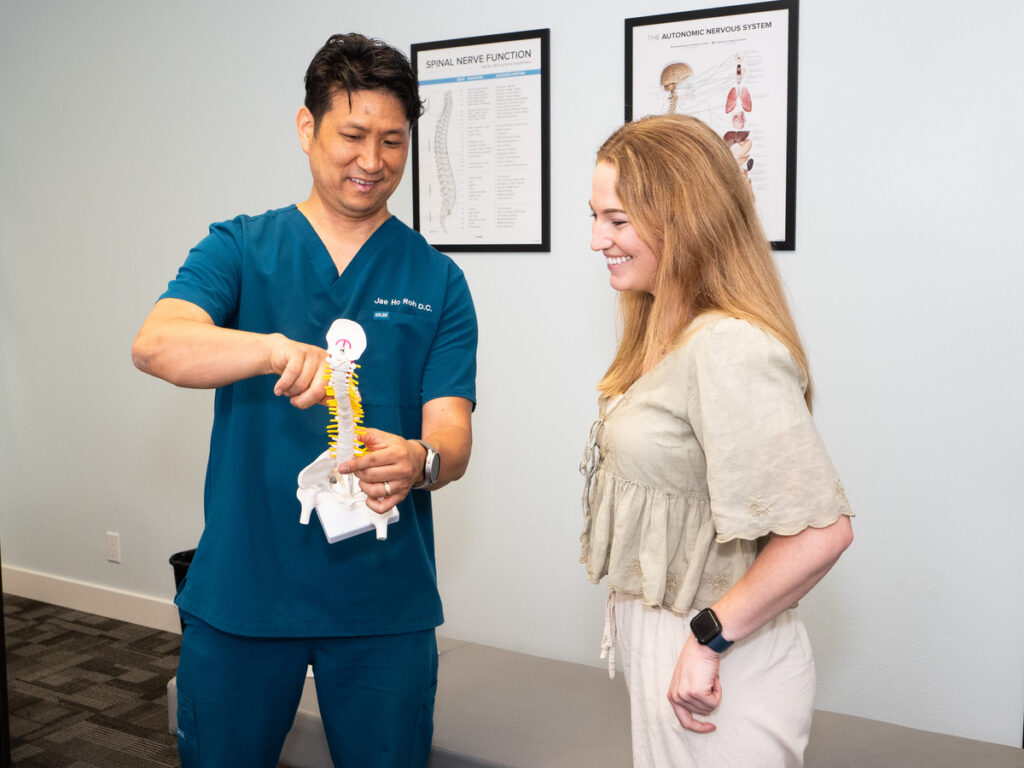
After you've implemented the R.I.C.E. method and initiated your recovery process, chiropractic care can significantly aid in restoring strength and mobility. Our techniques are customized to address your specific injury and recovery needs, helping you regain functionality and prevent future complications.
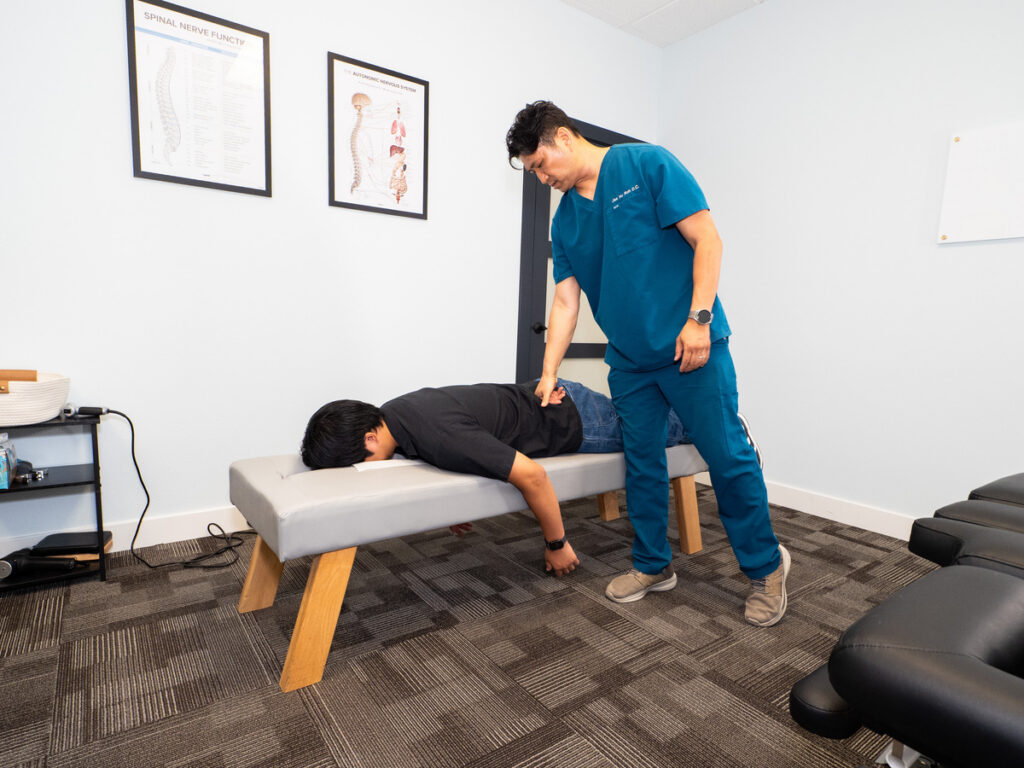
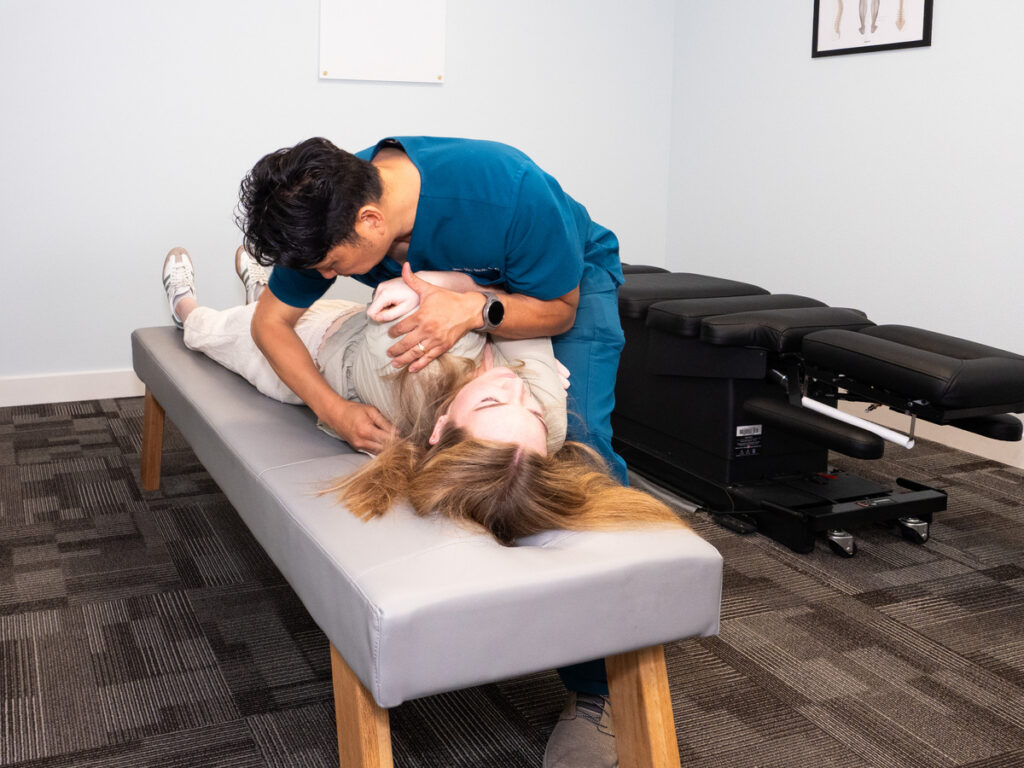
One of the key approaches we utilize is manual manipulation, where the chiropractor uses hands-on methods to adjust your spine and joints. This can alleviate pain, enhance circulation, and improve flexibility in the affected areas.
Additionally, we incorporate therapeutic exercises designed to strengthen muscles, enhance coordination, and increase your range of motion. These exercises are carefully crafted to gradually challenge your injured area, promoting healing while avoiding overexertion.
We also employ various modalities such as ultrasound or electrical stimulation, which can effectively reduce pain and inflammation. These treatments create an optimal environment for healing by boosting blood flow and alleviating muscle tension.
Don't overlook the importance of balance and proprioception training, especially if your injury has impacted your stability. These exercises are essential in rebuilding your confidence in movement, making it easier for you to return to your favorite activities.
Finally, as part of your chiropractic care, we emphasize the importance of understanding body mechanics and proper movement patterns. Learning how to move correctly can significantly reduce the risk of re-injury and pave the way for your long-term success in maintaining a healthy, active lifestyle.
Nutrition for Recovery
As a local chiropractor, I want to emphasize the vital role nutrition plays in your recovery from injuries. The right foods can significantly accelerate your healing process and support your overall health. To optimize your recovery, it's important to focus on a balanced diet that's rich in both macronutrients and micronutrients.
Protein is crucial for tissue repair, so be sure to include sources like lean meats, fish, beans, and legumes in your meals. Depending on the severity of your injury and your activity level, aim for at least 1.2 to 2.0 grams of protein per kilogram of body weight each day.
Carbohydrates are just as important, as they provide the energy necessary for your recovery. Choose complex carbohydrates such as whole grains, fruits, and vegetables. These foods not only fuel your body but also offer antioxidants and vitamins that can help reduce inflammation.
Don't forget about healthy fats, which are essential for your overall well-being. Incorporate foods like avocados, nuts, seeds, and olive oil into your diet, as they can support your immune system and further assist in your recovery. Omega-3 fatty acids, found in fatty fish and flaxseeds, are particularly effective for reducing inflammation.
Hydration is another critical factor in your recovery journey. Make sure to drink plenty of water throughout the day, and consider electrolyte-rich drinks if you're sweating a lot or have been immobile.
Lastly, I encourage you to think about the timing of your meals and snacks in relation to your workouts and recovery sessions. Eating a balanced meal or snack within 30 minutes after exercise can help replenish your glycogen stores and promote muscle recovery.
By focusing on proper nutrition, you can enhance your healing process and return to your activities stronger than before.
Mindfulness and Mental Health
Recovering from an injury involves more than just addressing the physical aspect; your mental health is equally important in the healing process. As a chiropractor, I often see patients who, when sidelined, experience feelings of frustration, anxiety, or even depression. These emotions can significantly impact your recovery, which is why it's essential to prioritize your mental well-being alongside your physical rehabilitation.
Incorporating mindfulness practices, such as meditation and deep-breathing exercises, can be beneficial. These techniques help you stay present and manage stress effectively. By focusing on the current moment, you can reduce negative thoughts that may lead to self-doubt.
Even dedicating just a few minutes each day to mindfulness can enhance your mood and perspective, allowing you to approach your recovery journey with a more optimistic outlook.
Visualization techniques can also play a vital role in your healing. Imagine yourself fully healed and performing at your best. This mental rehearsal not only boosts your confidence but also reinforces the neural pathways associated with your physical activity, which can aid in your recovery.
Don't overlook the significance of social support during this time. Sharing your feelings with teammates, friends, or family can provide encouragement and help you navigate the emotional ups and downs of recovery.
Connecting with others who've faced similar challenges can offer valuable insights and coping strategies.
As your chiropractor, I encourage you to take a holistic approach to your recovery. Remember, your mental and emotional health are just as crucial as your physical healing, and together, we can work towards a more complete and successful recovery.
Alternative Healing Practices
As a local chiropractor, I want to introduce you to the transformative world of alternative healing practices and how they can play a significant role in your recovery journey. These methods often work hand-in-hand with traditional treatments, providing you with additional tools to enhance your healing process.
One of the key components of alternative healing is chiropractic care. By performing regular adjustments, we can help improve your mobility and ensure that your body is properly aligned. This alignment is crucial, especially if you're looking to get back to your daily activities or sports.
Many of my patients report not only a decrease in discomfort but also an improvement in their overall performance after incorporating chiropractic sessions into their routine.
Another practice to consider is massage therapy. While many people associate massage with relaxation, it has far-reaching benefits for recovery as well. Targeted massage techniques can help break down scar tissue, improve circulation, and expedite the healing process.
Whether you choose deep tissue or sports massage, this approach can enhance your connection with your body and support your recovery goals.
Herbal medicine is also an area worth exploring. Certain herbs, like turmeric and ginger, are known for their anti-inflammatory properties and can provide additional support during your healing journey.
However, it's essential to consult with a healthcare professional before adding any supplements to your regimen, as we want to ensure they align with your individual needs.
Lastly, practices such as yoga and tai chi can be incredibly beneficial for both physical and mental recovery. These activities promote flexibility, strength, and mindfulness, which are essential elements when you're healing.
By incorporating these alternative healing practices into your recovery plan, you can significantly improve your overall well-being and accelerate your journey back to peak performance.
I encourage you to explore these options as you navigate your healing journey. Together, we can work towards a holistic approach that supports your body's natural healing abilities.
Conclusion
Injuries can be quite difficult to navigate, but as a chiropractor, I want to introduce you to some effective strategies to enhance your recovery. One foundational approach is the R.I.C.E. method—Rest, Ice, Compression, and Elevation—which can significantly help in the initial stages of healing. Additionally, engaging in physical therapy under professional guidance can aid in restoring strength and flexibility.
Nutrition also plays a vital role in the recovery process; a balanced diet rich in anti-inflammatory foods can support your body's healing mechanisms. Furthermore, incorporating mindfulness practices, such as meditation or deep-breathing exercises, can help alleviate stress and improve your overall mental well-being during recovery.
I encourage you to explore alternative healing methods that resonate with you, including chiropractic adjustments, which can promote optimal function and facilitate healing. Remember, healing encompasses both the physical and mental aspects of your health. By adopting these time-tested strategies, you'll be well on your way to returning to peak performance and enjoying your athletic activities once again.