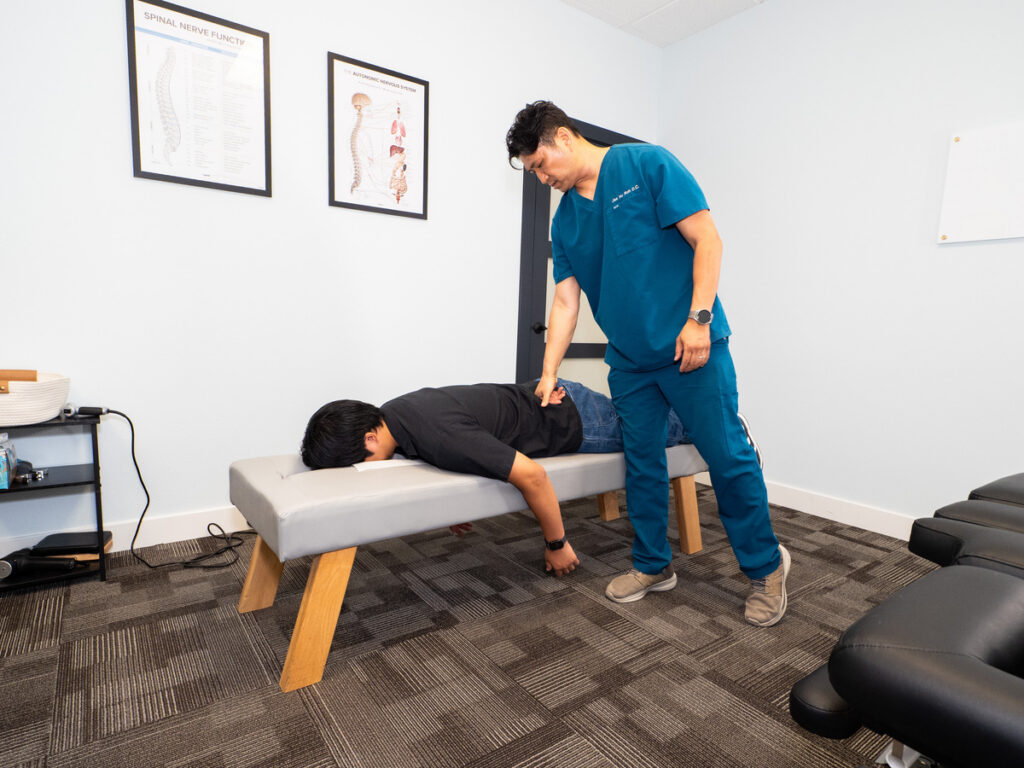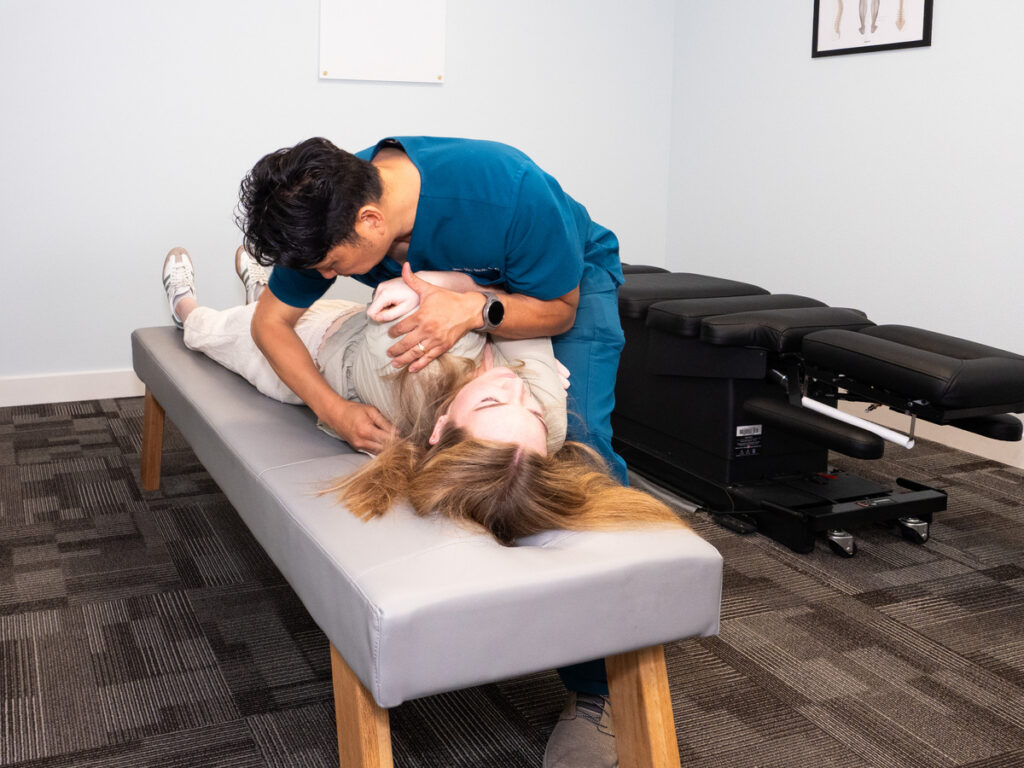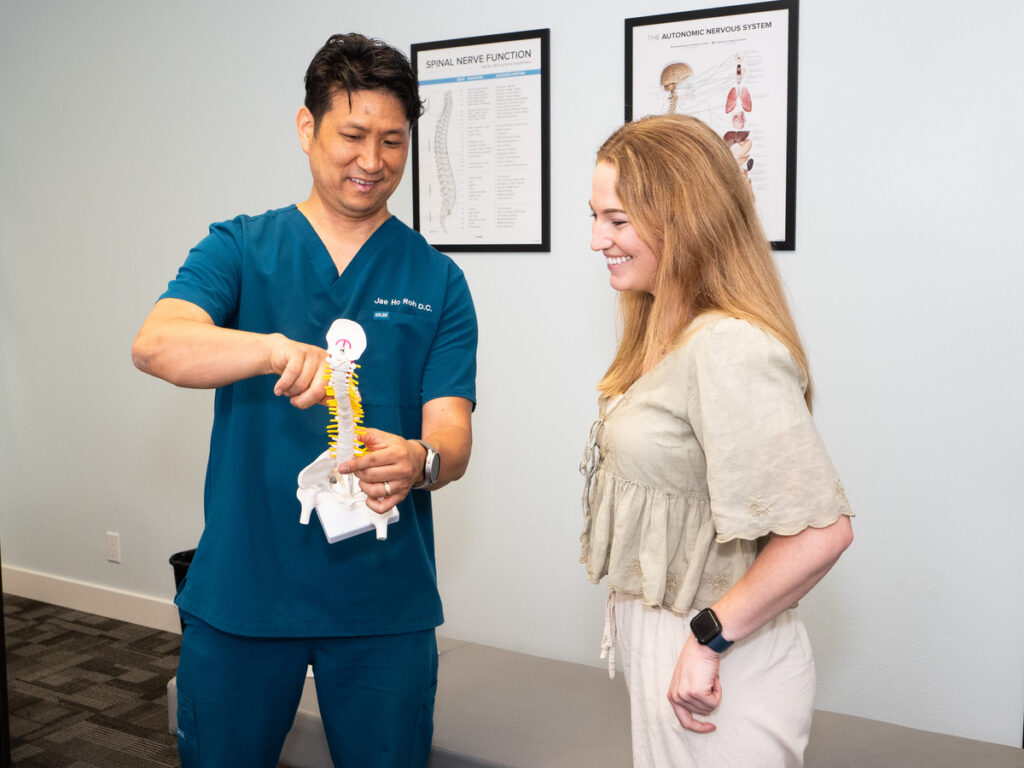

As a local chiropractor, I want to assure you that if you’re experiencing lower back pain, you’re certainly not alone in this struggle. Many people face similar challenges, and it’s important to recognize that there are various underlying causes for this discomfort. Gaining an understanding of these triggers is the first step towards finding relief.
In our practice, we emphasize the importance of incorporating targeted stretching and strengthening exercises, as well as making ergonomic adjustments in your daily life. These techniques are designed to help alleviate pain and improve your overall mobility. However, the journey to relief often goes beyond just exercises.
Let’s delve into some effective techniques that can promote lasting relief from lower back pain, helping you regain your quality of life. Through chiropractic care, we can work together to identify the specific issues affecting your back, and develop a personalized treatment plan that may include spinal adjustments, lifestyle modifications, and guided exercises. Together, we can help you move towards a pain-free life.
Understanding the Causes of Lower Back Pain
As your local chiropractor, I want to help you understand the factors that could be causing your lower back pain. Many people are unaware of how common issues like posture can affect their well-being. When you sit or stand with poor posture, it places unnecessary strain on your back muscles, which can lead to discomfort and pain.
Another common issue arises from overexertion during activities, especially when lifting heavy objects without proper technique. This can easily trigger back problems.
Additionally, repetitive movements—like frequently bending or twisting—can further aggravate your condition.
Age is also an important factor to consider. As we age, our spines naturally undergo changes that can result in conditions such as arthritis or disc degeneration.
It’s also worth mentioning that being overweight can put extra stress on your lower back, which may worsen any pain you’re experiencing.
Sometimes, underlying medical conditions like kidney stones or infections can present as back pain, making it crucial to identify the root cause of your discomfort.
By understanding what’s behind your pain, you can take informed, targeted actions toward relief and recovery. Chiropractic care focuses on addressing these issues naturally, helping you to restore balance and function to your body without simply masking the pain.
Let’s work together to find the best path to your healing.
Stretching Exercises for Relief
As a local chiropractor, I want to emphasize the importance of identifying the underlying causes of your lower back pain as the first step toward achieving relief. One effective approach that I recommend is incorporating stretching exercises into your daily routine. These exercises can significantly improve your flexibility and alleviate tension in your back.
Begin with gentle stretches such as the child’s pose or cat-cow. These movements can help ease tight muscles and promote relaxation. Aim to hold each stretch for at least 20-30 seconds while focusing on deep, calming breaths.
Another beneficial stretch is the knee-to-chest stretch, which specifically targets tightness in the lower back. Additionally, the seated forward bend is excellent for lengthening your spine and relieving discomfort.
It’s crucial to listen to your body while stretching. If you experience any pain, please ease off or modify the stretch to suit your comfort level.
Consistency is essential; I encourage you to stretch daily, particularly after prolonged periods of sitting or standing.
Incorporating these simple stretches into your routine can greatly enhance your overall comfort and mobility, making daily activities feel much easier.
However, I always recommend consulting with a healthcare professional, such as myself, before starting any new exercise regimen, especially if your pain continues. Your journey to healing and wellness is important, and we’re here to support you every step of the way.
Strengthening Your Core
As a local chiropractor, I want to emphasize the importance of strengthening your core for alleviating lower back pain and enhancing your overall stability.
A robust core not only supports your spine but also plays a vital role in preventing injuries during your daily activities. By incorporating effective core exercises into your routine, you can significantly improve your comfort and mobility.
Let’s delve into some exercises that I often recommend to my patients, which can lead to lasting benefits in your health and well-being.
Importance of Core Strength
As a chiropractor, I want to emphasize the importance of core strength in maintaining a healthy back and preventing pain. Your core muscles are essential for providing stability to your spine and pelvis. When these muscles are strong, they help reduce the risk of injury. Conversely, a weak core can lead to poor posture and increased strain on your lower back, making it more vulnerable to discomfort.
It’s crucial to engage your core during daily activities, as this not only supports your spine but also enhances your overall functional movement. A strong core contributes significantly to your balance and coordination, allowing you to perform physical tasks more efficiently and safely.
Prioritizing core strength isn’t just about protecting your back; it also plays a vital role in boosting your performance in sports and everyday activities. By investing time in core strengthening exercises, you can experience long-term relief from pain and improve your overall health.
As your chiropractor, I encourage you to explore ways to strengthen your core as part of your journey toward wellness and natural healing.
Effective Core Exercises
As a local Chiropractor, I want to emphasize the importance of core strength in maintaining overall spinal health and preventing discomfort. Incorporating a variety of effective core exercises into your routine can significantly enhance your stability and support your lower back.
Let’s start with planks. This exercise involves holding your body in a straight line from head to heels for about 30 seconds. It’s a great way to engage your entire core, and as you build strength, you can gradually increase the duration.
Next, I recommend bridges. To perform this exercise, lie on your back, lift your hips off the ground, and squeeze your glutes. Not only does this strengthen your core, but it also benefits your lower back, helping to alleviate any tension you may experience.
Bicycle crunches are another excellent addition to your routine. While lying on your back, pedal your legs as if riding a bike, and touch your opposite elbow to your knees. This exercise effectively engages your obliques, which are crucial for rotational stability.
Finally, consider incorporating bird-dogs into your routine. While on all fours, extend one arm forward and the opposite leg back, focusing on maintaining your balance. This exercise promotes coordination and engages multiple muscle groups.
I recommend aiming for three sets of each exercise. As a result, you’ll likely notice improved stability, enhanced core strength, and reduced lower back pain over time.
Ergonomic Adjustments at Work
As a chiropractor dedicated to your well-being, I want to emphasize the importance of making ergonomic adjustments at work to alleviate lower back pain.
One of the first steps you can take is to ensure that your chair is at the correct height, which allows your feet to rest flat on the floor and your knees to be at a right angle. It’s also crucial to optimize your desk setup; your computer screen should be at eye level to prevent unnecessary strain on your neck and back.
Additionally, don’t underestimate the power of movement. Incorporating regular breaks to stand, stretch, or walk around can greatly benefit your overall comfort and spinal health throughout the day.
These simple yet effective changes can lead to a significant improvement in how you feel, allowing you to work more comfortably and efficiently.
Proper Chair Height
As a local chiropractor, I want to emphasize the importance of proper chair height for your overall comfort and spinal health, especially if you spend long hours at a desk.
When your chair is adjusted to the right height, it allows your feet to rest flat on the floor, with your knees positioned at a 90-degree angle. This alignment is crucial for maintaining good posture and minimizing strain on your lower back.
If you find that your chair is too high, a footrest can be a simple solution to provide the necessary support for your feet. On the other hand, if your chair is too low, consider raising it or using a cushion to achieve better alignment.
It’s also important to keep your hips slightly above your knees, which encourages a natural curve in your spine and promotes optimal spinal health.
I encourage you to regularly check and adjust your chair height, especially if you share your workspace with others. Ensuring that you’re properly supported will help you stay comfortable throughout the day and can prevent discomfort or pain in the long run.
Taking these small steps can greatly enhance your productivity and well-being, and as a chiropractor, I’m here to support you in your journey to better health.
Desk Setup Optimization
As a chiropractor, I understand the importance of maintaining proper posture and ergonomics to support your overall health and well-being, especially if you spend long hours at a desk.
Once you’ve confirmed that your chair height is appropriate, let’s focus on creating a desk setup that promotes comfort and enhances productivity.
First, position your monitor at eye level and approximately an arm’s length away. This helps to minimize neck strain and encourages a more natural alignment of your spine.
Your keyboard and mouse should be placed close to you, ideally at elbow height, so your arms can remain relaxed while you work. If you typically use a laptop, I recommend investing in a stand to elevate the screen to eye level, and pairing it with an external keyboard for optimal wrist positioning.
Make sure that your feet can rest flat on the ground or on a footrest. This promotes proper circulation and supports your lower back.
Additionally, it’s beneficial to organize your workspace so that everything you need is within easy reach, reducing the need for excessive stretching or twisting, which can lead to discomfort.
Adjust the lumbar support of your chair to fit the natural curve of your lower back. This simple adjustment can provide crucial support and help prevent the common aches and pains associated with prolonged sitting.
By making these adjustments, you can significantly improve your comfort throughout the day, ultimately supporting your spine and overall health.
Regular Movement Breaks
As a local chiropractor, I often see patients who are unaware of the importance of incorporating regular movement breaks into their daily routines, especially when it comes to preventing lower back pain.
While it may feel easier to stay seated during a hectic workday, taking the time to move is crucial for your overall spinal health.
I recommend setting a timer to remind you to stand up every hour. Use these breaks to stretch, take a short walk, or perform simple exercises such as leg lifts or torso twists.
These movements not only help relieve tension in your back but also improve circulation and elevate your energy levels.
When you settle back at your desk, be mindful of your posture. Maintaining proper alignment is key to avoiding discomfort and injury.
You might also consider standing or using a balance ball for a refreshing change of pace.
Remember, even small movements throughout your day can significantly enhance your comfort and productivity while keeping nagging back pain at bay.
Embracing these practices can lead to a healthier spine and a more vibrant life!
The Role of Heat and Cold Therapy
As a chiropractor, I want to share with you the benefits of heat and cold therapy in managing lower back pain, especially for those who may not be familiar with natural healing methods. These therapies can be highly effective when applied correctly.
Applying heat to your lower back can be incredibly soothing. It helps to relax tight muscles and enhances blood circulation, which in turn can relieve pain and stiffness. You might find comfort in using a heating pad, a warm towel, or even enjoying a hot bath.
I recommend using heat for about 15-20 minutes at a time, but be cautious not to overheat your skin.
Conversely, cold therapy is particularly effective in reducing inflammation and numbing sharp pain. Using ice packs or cold compresses on the affected area can provide significant relief.
Just remember to wrap the ice in a cloth to protect your skin from frostbite, and aim for sessions of around 15-20 minutes as well.
Incorporating these simple yet powerful therapies into your routine can greatly enhance your recovery and overall well-being.
If you’re unsure about how to use them effectively, feel free to reach out during your next visit, and I’ll be happy to guide you!
Exploring Alternative Therapies
As a local chiropractor dedicated to helping patients manage lower back pain, I want to share some insights into alternative therapies that may complement your healing journey. Many individuals seek relief beyond traditional methods, and I’m here to explain how chiropractic care and other natural approaches can make a difference.
Chiropractic care focuses on the relationship between your spine and the nervous system. By performing gentle adjustments to your spine, I can help relieve tension, improve alignment, and restore proper function to your body. This can lead to significant pain relief and increased mobility for many patients.
In addition to chiropractic adjustments, I often recommend incorporating massage therapy into your routine. Massage can help reduce muscle stiffness and improve blood flow to the affected areas, enhancing the overall healing process.
Yoga and tai chi are also beneficial practices that I encourage my patients to explore. These activities emphasize gentle movements and stretching, which can foster flexibility, strength, and relaxation—important components in managing pain and promoting wellness.
For those interested in natural solutions, herbal remedies and supplements may provide additional support. It’s essential to explore these options and find what resonates with you personally, as everyone’s experience with pain management is unique.
If you’re curious about how chiropractic care and these alternative therapies can work together to support your health, I’m here to guide you on your journey to recovery.
Lifestyle Changes for Long-Term Relief
As a local chiropractor, I want to emphasize the importance of making lifestyle changes for achieving long-term relief from lower back pain. These changes can greatly enhance your overall well-being and help you live a more active life.
Firstly, incorporating regular exercise into your daily routine is vital. Activities such as walking, swimming, or yoga can’t only strengthen your back but also improve flexibility, which is key in preventing future pain. I encourage you to pay close attention to your posture, particularly when sitting or lifting heavy objects. Utilizing ergonomic furniture can significantly alleviate strain on your back.
Maintaining a healthy weight is also crucial. Excess weight can put added pressure on your spine, leading to discomfort. Additionally, consider the nutritional value of your diet. Consuming foods with anti-inflammatory properties—such as a variety of fruits, vegetables, and omega-3 fatty acids—can play a role in reducing pain and promoting healing.
Lastly, don’t underestimate the impact of quality sleep on your back health. A supportive mattress and proper sleeping positions can make a world of difference in alleviating discomfort.
By embracing these lifestyle adjustments, you’re not only addressing your current pain but also taking proactive steps to prevent future issues.
I encourage you to adopt these changes, as they can lead to a healthier, more active lifestyle, and you may find a significant improvement in your back health over time. Remember, chiropractic care works best in conjunction with these natural healing practices!