
As a local chiropractor, I want to share with you just how crucial your posture is to your overall health and well-being. Many people underestimate the impact that proper alignment can have on their comfort and energy levels. Poor posture can lead to chronic pain, fatigue, and even affect your mood in ways you might not realize.
By making a few conscious adjustments to your posture, you can significantly enhance how you feel on a daily basis. Are you curious about how simple changes can lead to a more vibrant and confident you? Let’s delve into some effective steps you can take to improve your posture and eliminate pain for good.
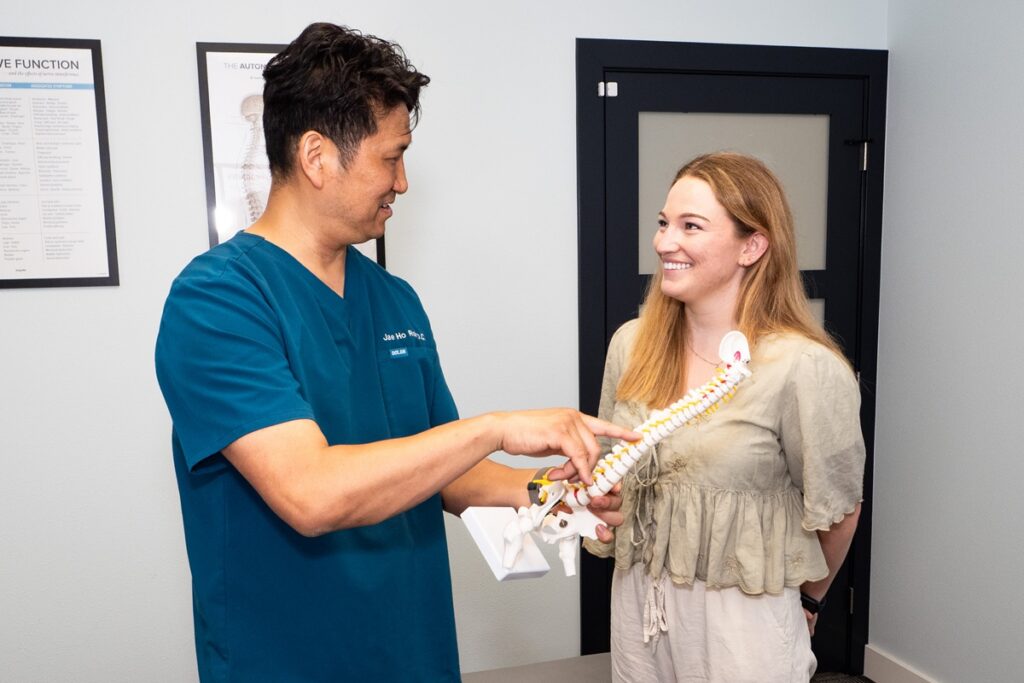
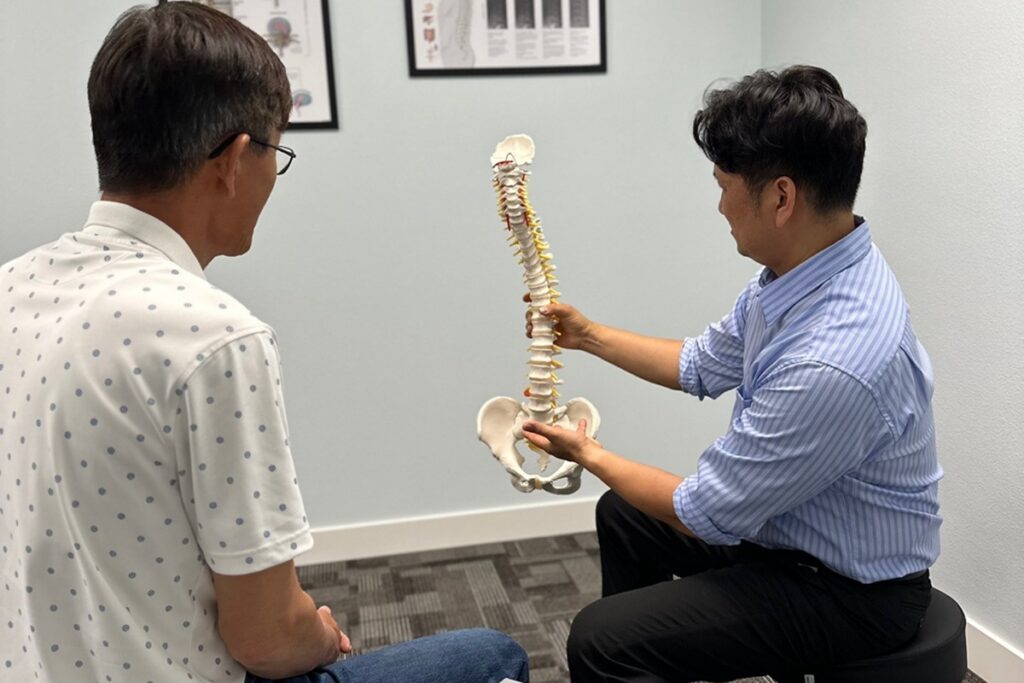
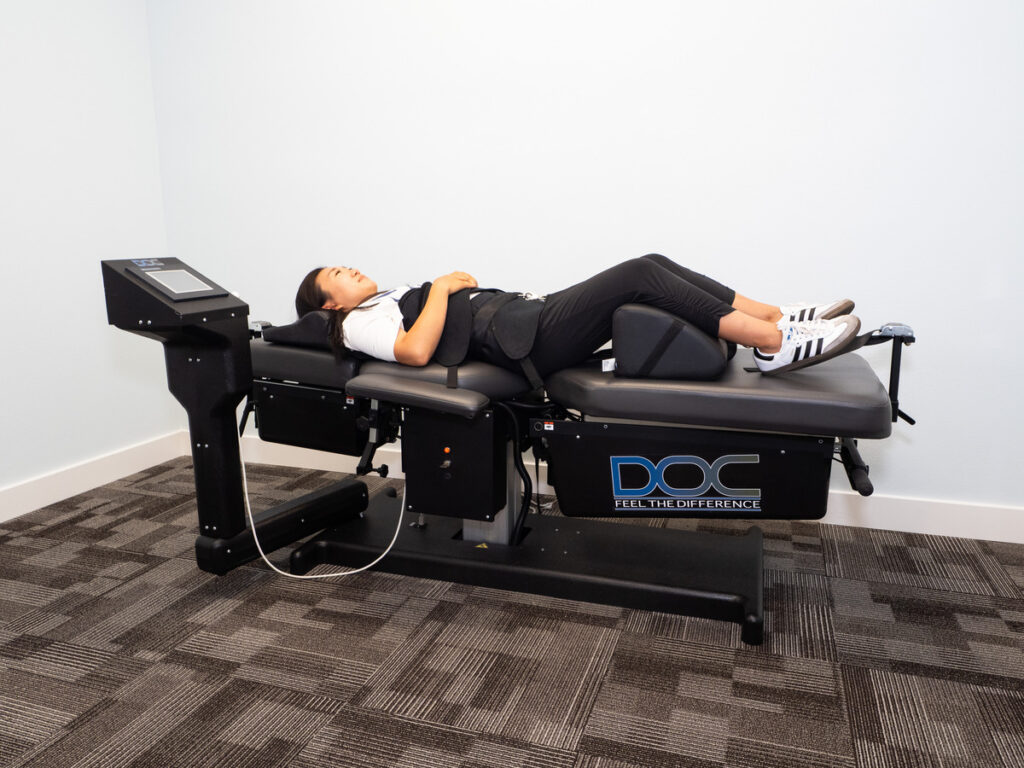
Through chiropractic care and natural healing practices, we can work together to restore your body’s alignment, allowing you to experience the benefits of better posture. You deserve to feel your best every day, and I’m here to guide you on that journey.
Understanding the Connection Between Posture and Pain
As your local chiropractor, I want to highlight an often-overlooked aspect of your health: the impact of posture on your overall well-being. Many people don’t realize that slouching or sitting in an improper position can lead to significant stress on your muscles and joints, resulting in discomfort and pain. The way you hold your body has a profound influence on the alignment of your spine, which is crucial for maintaining good physical health.
When your spine is out of alignment, it can create tension in various areas, such as your neck, shoulders, and lower back. This tension can manifest as chronic pain, headaches, and even feelings of fatigue. By understanding this vital connection, you can take proactive measures to improve your posture and, in turn, your health.
Simple adjustments, like sitting up straight or investing in ergonomic furniture, can make a world of difference. Once you begin to pay attention to your posture, you may notice a significant reduction in pain and an overall increase in your comfort and energy levels.
Prioritizing your posture is an essential step toward better health, and your body will definitely appreciate it. If you have any questions about posture or would like guidance on how to improve it, feel free to reach out!
Common Posture Mistakes to Avoid
As a chiropractor, I often see patients who may not realize how common posture mistakes can affect their overall health. One frequent issue is crossing your legs while sitting. This seemingly harmless habit can lead to imbalances in your hips and lower back, which can cause discomfort over time.
It’s essential to pay attention to your chair height as well; sitting in a chair that’s too low or high can force you to hunch or stretch in ways that aren’t natural, ultimately leading to pain.
Another aspect to consider is your shoulder position. Many individuals unknowingly lift their shoulders toward their ears, creating unnecessary tension in the neck and upper back. This can lead to further complications if not addressed.
Additionally, it’s crucial to wear shoes that offer adequate support. Shoes that lack proper support can exacerbate alignment issues and contribute to discomfort in various parts of the body.
By being aware of these common posture pitfalls and making small adjustments, you can promote better alignment and overall well-being.
If you have any questions about your posture or how chiropractic care can assist you in achieving better health, please feel free to ask!
The Benefits of Good Posture
As a local chiropractor, I want to share with you the profound benefits of maintaining good posture for your overall health and wellness. When you practice sitting or standing tall, you’re not just improving your appearance; you’re also aligning your spine, which plays a crucial role in reducing strain on your muscles and ligaments. This proper alignment can significantly minimize discomfort, helping to prevent the common back and neck pain that often stems from slouching.
Good posture is also linked to increased confidence and a better mood. When you hold yourself upright, you naturally project an image of self-assurance, which can enhance your interactions with others.
Furthermore, maintaining good posture allows for deeper breathing, promoting better oxygen flow and boosting your energy levels throughout the day.
It’s important to note that proper posture can also have a positive impact on your digestion and circulation. With your organs properly aligned, they can function more efficiently, which is vital for your overall health.
By prioritizing good posture, you aren’t just investing in your physical well-being but also in your mental health. This foundational aspect of chiropractic care can lead to a more active and pain-free lifestyle.
Simple Exercises to Improve Your Posture
As a local chiropractor, I often emphasize the importance of incorporating simple exercises into your daily routine to enhance your posture and overall well-being. One effective exercise to start with is shoulder rolls. Whether you’re standing or sitting, gently roll your shoulders forward and then backward. This movement not only helps to release tension but also aligns your shoulders, promoting better posture.
Another great exercise is the wall angel. Stand with your back against a wall and raise your arms to form a “W.” Slowly slide your arms up to create a “Y,” ensuring your back remains flat against the wall. This exercise is excellent for strengthening your upper back and encouraging proper alignment.
Don’t overlook the cat-cow stretch! Position yourself on all fours and alternate between arching your back upward and dipping it down while lifting your head. This dynamic stretch benefits your spine and enhances flexibility, which is crucial for maintaining good posture.
Finally, planks are a fantastic way to build core strength, which is essential for supporting a healthy posture. Aim to hold each of these exercises for 15-30 seconds.
Consistency is key, so I encourage you to integrate these movements into your daily routine. By doing so, you’ll notice significant improvements in your posture and overall spinal health.
Ergonomic Adjustments for Your Workspace
As a chiropractor, I want to help you understand the importance of creating an ergonomic workspace to support your posture and overall well-being.
To start, make sure your chair is adjusted to a height where your feet can rest flat on the floor. This simple adjustment can greatly alleviate pressure on your spine.
Next, it’s crucial to position your monitor at eye level. Doing so helps to minimize neck strain, allowing your spine to maintain its natural curve.
Lastly, ensure that your keyboard and mouse are comfortably within reach. This prevents unnecessary tension in your arms, keeping your wrists straight and relaxed.
By making these adjustments, you can create a healthier workspace that supports your body and promotes natural healing.
Chair Height Adjustment
As a local chiropractor, I want to emphasize the importance of adjusting your chair height for maintaining proper posture and overall comfort while you work.
Many people underestimate how crucial this adjustment is for reducing strain on your body and enhancing productivity. Here’s a simple guide to help you find the right chair height:
- Feet Flat: Ensure your feet are flat on the floor. This position creates a 90-degree angle at your knees, which is vital for healthy circulation and support.
- Thigh Clearance: Check that there’s a few inches of space between your chair and the underside of your desk. This clearance allows for comfortable movement and prevents unnecessary pressure on your thighs.
- Back Support: Your chair should support your back in a straight position. Good back support encourages proper spinal alignment, which is essential for preventing discomfort and promoting a healthier posture.
- Elbow Angle: When your arms rest comfortably on the desk, your elbows should form about a 90-degree angle. This positioning helps to alleviate tension in your shoulders and neck, reducing the risk of strain.
By making these adjustments, you can significantly improve your comfort and posture during your workday, which is essential for your overall well-being.
Monitor Positioning Techniques
As a chiropractor dedicated to promoting natural healing and overall wellness, I want to emphasize the importance of proper monitor positioning in your workspace. Many people may not realize that the way you set up your computer monitor can significantly impact your spinal health and comfort.
To start, it’s crucial to position your monitor at eye level. This helps prevent unnecessary strain on your neck and spine. Ideally, your eyes should be about 20 to 30 inches away from the screen. This distance allows for a relaxed view, reducing the likelihood of squinting or leaning forward, which can lead to poor posture.
Another helpful tip is to tilt your monitor slightly backward, between 10 to 20 degrees. This can help minimize glare and improve your visibility, making it easier for your eyes to focus. Aim to align the top of the screen with your natural line of sight. This alignment encourages you to keep your head level, which is essential for maintaining a healthy spine.
If you work with multiple monitors, try to keep them close together and at the same height. This setup can help prevent awkward neck movements that may lead to discomfort or pain over time.
By adjusting your monitor correctly, you can significantly reduce eye strain and promote better posture, contributing to a more enjoyable and productive work experience.
As a chiropractor, I believe that small adjustments in your daily habits can lead to significant improvements in your overall health and well-being. Taking the time to set up your workspace properly is a step toward a healthier lifestyle.
Keyboard and Mouse Placement
As a local chiropractor, I want to emphasize the importance of proper keyboard and mouse placement to help you maintain good posture and comfort while you work.
Creating an ergonomic workspace is essential for reducing strain on your body, and I’d like to share a few guidelines that can greatly benefit your overall well-being:
- Keyboard Height: It’s crucial to position your keyboard so that your elbows are at a 90-degree angle or slightly more open. This helps keep your wrists straight and reduces the risk of discomfort or injury.
- Mouse Proximity: Keep your mouse close to your keyboard. This minimizes the need to reach, allowing your arm to stay relaxed, which is vital for preventing tension in your shoulders and neck.
- Wrist Support: Consider using a wrist rest while typing and clicking. This can provide necessary support and prevent undue pressure on your wrists, which is important for avoiding repetitive strain injuries.
- Surface Stability: Ensure that your keyboard and mouse are on a stable surface. A solid foundation helps reduce excessive movement, allowing for better control and less strain on your muscles and joints.
By making these adjustments to your workspace, you can enhance your comfort and productivity while also taking steps toward a healthier posture.
Mindfulness Techniques for Better Posture
As a local chiropractor, I want to emphasize the importance of being aware of your body position throughout the day to improve your posture.
It’s essential to incorporate mindful breathing and alignment techniques into your daily routine, as these practices can support a strong and balanced stance.
Furthermore, engaging in mindful movement can enhance your awareness and keep you connected to your body, making good posture a natural and effortless habit.
Awareness of Body Position
As a chiropractor, I often see patients who are unaware of how their body position can affect their overall health. Many of us tend to slouch or hunch over our devices, which can lead to discomfort and long-term issues.
By increasing your awareness of your body position, you can significantly improve your posture and, by extension, your well-being. Here are some mindfulness techniques that I recommend to help you stay aware:
- Regular Check-ins: Set reminders on your phone or computer to pause and assess your posture throughout the day. It’s easy to forget, but a quick check can make a big difference.
- Mindful Sitting: When sitting, take a moment to focus on how your body feels. Ensure your back is straight, shoulders are relaxed, and your feet are flat on the ground. This simple adjustment can relieve strain on your spine.
- Use a Mirror: Occasionally glance at your reflection in a mirror to see if your posture is aligned with your health goals. Seeing yourself can be a powerful motivator for maintaining good posture.
- Engage Your Core: Strengthening your core muscles is essential for supporting your spine. Incorporate exercises that target your abdominal and back muscles into your routine to promote better posture.
By becoming more mindful of your body position, you can start to notice improvements in how you feel.
Breathing and Alignment
As a chiropractor, I often see how our breathing patterns can have a profound effect on our posture. Many people are unaware that the way we breathe influences not just our physical alignment, but also our overall well-being.
When you engage in deep, diaphragmatic breathing, your body naturally aligns itself better. This form of breathing activates your core muscles, which provide essential support to your spine and encourage you to maintain an upright posture. In contrast, shallow chest breathing can create tension in your shoulders and neck, leading to a hunched posture.
To enhance your posture and support your spinal health, I encourage you to practice mindful breathing throughout your day. Start by inhaling deeply through your nose, allowing your belly to expand fully, and then exhale slowly through your mouth.
As you focus on your breath, visualize your spine elongating and your shoulders relaxing away from your ears. By incorporating these simple breathing techniques into your daily routine, you can greatly improve both your posture and your overall health.
Mindful Movement Practices
As a local chiropractor dedicated to your well-being, I want to share how incorporating mindful movement practices into your daily routine can significantly improve your posture and overall health.
By becoming more aware of your movements, you can promote better alignment and alleviate discomfort. Here are four effective techniques to help you get started:
1. Yoga: Consider trying poses that foster spinal alignment and enhance flexibility, such as Mountain Pose and Child’s Pose. These can help you connect with your body and improve your posture.
2. Tai Chi: This gentle practice focuses on slow, controlled movements, which not only help to improve your balance but also increase your body awareness.
It’s a wonderful way to cultivate mindfulness in motion.
3. Walking Meditation: As you take a walk, concentrate on each step you take, ensuring your spine remains straight and your shoulders relaxed.
This practice can enhance your body mechanics and promote a sense of calm.
4. Body Scan: Make it a habit to check in with your body regularly. Notice any areas of tension and consciously work to relax those spots.
This awareness can lead to improved overall body function.
By embracing these mindful movement practices, you can transform your posture and reduce pain, leading to a healthier, more balanced life.
The Role of Stretching in Posture Correction
As a chiropractor, I want to emphasize the vital role that stretching plays in correcting posture and promoting overall wellness. Many of my patients are unaware that tight muscles can significantly impact their posture and lead to discomfort. Regular stretching helps to lengthen these tight muscles, restoring balance and alignment to your body.
Incorporating stretching into your daily routine can lead to remarkable improvements in flexibility and range of motion. This is particularly important for alleviating discomfort caused by muscle imbalances, which are often a major contributor to poor posture.
I encourage you to focus on areas that commonly become tight, such as your chest, hips, and hamstrings. By addressing these specific muscles, you can effectively counteract the negative effects of prolonged sitting or repetitive movements, which many of us experience in our daily lives.
Simple stretches, such as chest openers and hip flexor stretches, can have a profound impact on your posture and overall comfort.
Moreover, stretching enhances blood flow, which aids in muscle recovery and reduces stiffness. As you gradually improve your flexibility, you’ll find it much easier to maintain proper alignment in your everyday activities.
Incorporating Posture Awareness Into Daily Activities
As a local chiropractor, I want to emphasize the importance of being mindful of your posture throughout your daily activities. Maintaining proper posture can significantly enhance the benefits you receive from stretching and overall wellness. By being aware of how you hold your body, you can prevent discomfort, avoid injuries, and promote better spinal alignment.
Here are some practical tips to help you incorporate posture awareness into your daily routine:
- Sitting: When you sit, make sure your feet are flat on the floor and your back is straight. Your shoulders should be relaxed, and it’s essential to choose a chair that supports your lower back. This will help reduce strain on your spine and improve circulation.
- Standing: As you stand, distribute your weight evenly across both feet. Keep your shoulders back and your head aligned with your spine. This posture not only looks confident but also helps maintain the natural curves of your spine.
- Walking: When walking, aim to maintain an upright posture. Engage your core muscles to support your spine and allow your arms to swing naturally by your sides. This not only helps with balance but also promotes better overall body mechanics.
- Using Devices: In our technology-driven world, it’s crucial to be mindful of how we use our devices. Hold your phone at eye level and adjust your screen to a comfortable height. This practice will help you avoid slouching and reduce the risk of strain on your neck and shoulders.
By incorporating these simple posture awareness strategies into your daily life, you can create a healthier environment for your spine and overall well-being.
When to Seek Professional Help for Posture Issues
As a local chiropractor, I want to help you understand when it’s important to seek professional help for posture issues. If you’re dealing with ongoing pain, stiffness, or discomfort in your back, neck, or shoulders, it’s essential to reach out for assistance. These symptoms aren’t just minor inconveniences; they can escalate and lead to more significant health concerns if left unaddressed.
Additionally, if you find yourself experiencing frequent headaches, unusual fatigue, or a limited range of motion, these could be signs that your posture is affecting your overall well-being. When poor posture begins to interfere with your daily activities or diminishes your quality of life, it’s time to consult a healthcare professional.
As a chiropractor, I can evaluate your posture and movement patterns and recommend customized exercises and treatments designed specifically for you.
Early intervention is key in preventing long-term complications, so I encourage you not to hesitate in seeking help when needed. Remember, your posture plays a vital role in your overall health, and addressing any issues sooner rather than later can significantly enhance your quality of life.
Let’s work together to help you feel your best!