
Migraines can truly disrupt your daily life, but there are effective and natural strategies to help alleviate your discomfort. As a chiropractor, I want to emphasize how important it is to take a holistic approach to migraine management. By making simple lifestyle adjustments, adopting healthier dietary habits, and exploring alternative therapies like chiropractic care, you can regain control over your health and well-being.
One of the first steps is understanding your migraine triggers. This could include stress, certain foods, or even poor posture. Keeping a migraine diary can help you identify patterns and make necessary changes. Additionally, incorporating relaxation techniques such as deep breathing, meditation, or gentle yoga can significantly reduce tension in your body, which is often a contributor to migraines.
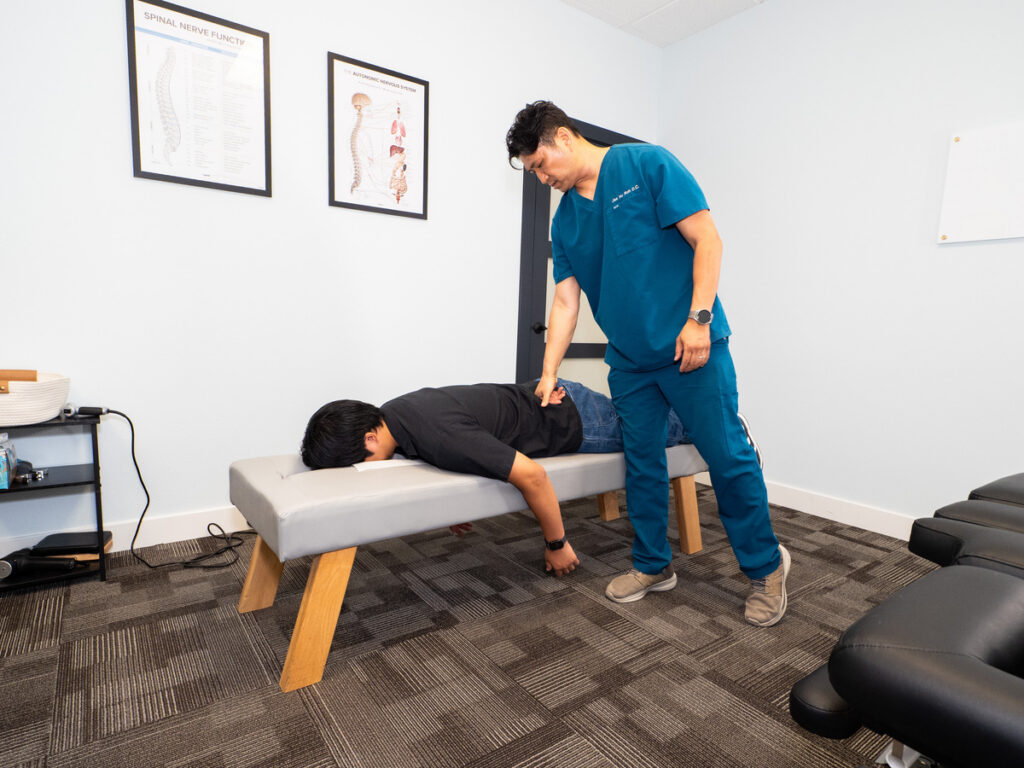
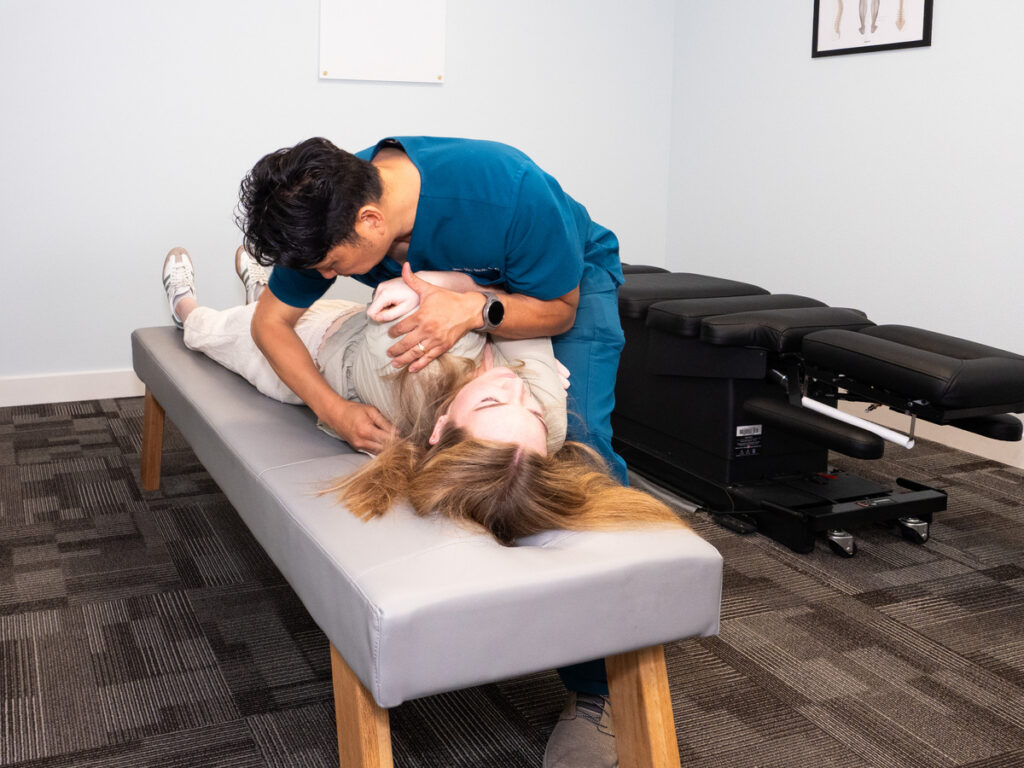
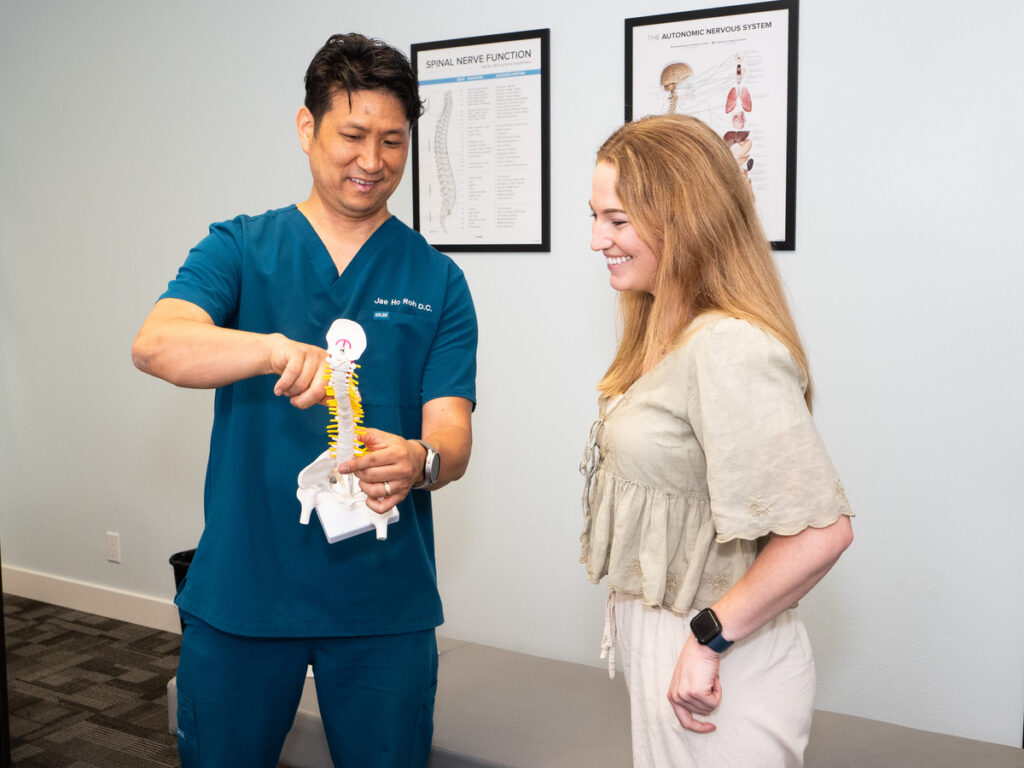
Chiropractic care is especially effective when it comes to managing migraines. Regular adjustments can help align your spine, relieve tension in your neck and shoulders, and improve overall nervous system function. This natural approach not only targets pain but promotes wellness throughout your body.
Here are some general tips you can easily incorporate into your routine for better migraine management:
- Stay Hydrated: Drink plenty of water throughout the day to prevent dehydration, which can trigger migraines.
- Maintain a Consistent Sleep Schedule: Aim for 7-9 hours of quality sleep each night and try to go to bed and wake up at the same time daily.
- Practice Good Posture: Be mindful of your posture, especially if you spend long hours at a desk. Consider taking breaks to stretch and move your body.
- Eat Regularly: Keep your blood sugar stable by eating balanced meals at regular intervals, avoiding long gaps between meals.
- Seek Chiropractic Care: Regular visits to a chiropractor can help keep your spine in alignment, decrease muscle tension, and improve your overall health.
By making these adjustments and considering chiropractic care as a part of your wellness routine, you can find natural relief from migraines and enhance your quality of life. If you’re curious about how chiropractic care can specifically help with your migraines, don’t hesitate to reach out for more information!
Key Takeaways
- Establishing a regular sleep routine and staying well-hydrated are essential steps you can take to reduce migraine triggers and enhance your overall health. A well-rested body is better equipped to handle stress and discomfort.
- Pay attention to your diet and try to steer clear of common food triggers that can worsen migraines, like aged cheeses, processed meats, and too much caffeine. By making mindful choices about what you eat, you can help minimize these painful episodes.
- Incorporating mindfulness practices such as deep breathing, meditation, and gentle yoga into your daily routine can significantly help manage stress and relieve tension in your body. These techniques promote relaxation and can aid in reducing migraine frequency.
- As a chiropractor, I believe in the power of holistic healing approaches. Exploring alternative therapies like chiropractic adjustments, acupuncture, and massage can help address the underlying issues that contribute to migraines. These methods focus on realigning the body and relieving tension, which can lead to a reduction in pain.
- Additionally, consider trying natural remedies such as butterbur, feverfew, magnesium, and riboflavin. These supplements may help decrease the frequency of migraines and support your overall wellness journey.
By embracing these practices and considering chiropractic care, you’re taking proactive steps toward achieving optimal health and alleviating migraine discomfort naturally. Remember, your body is designed to heal itself, and with the right support and lifestyle choices, you can enhance your well-being significantly.
Understanding Migraines: Types and Triggers
Migraines can be quite challenging, but understanding their types and triggers can empower you to manage them naturally and effectively. There are a few main types of migraines, the most common being migraine with aura and migraine without aura. Migraine with aura includes visual disturbances, while migraine without aura occurs without these symptoms. Figuring out which type you experience can be beneficial in managing your condition.
Several common triggers can lead to migraines, including stress, certain foods, hormonal changes, and environmental factors like bright lights or strong scents. One helpful tool is a migraine diary; this allows you to track when your migraines occur and identify possible triggers. By recognizing these patterns, you can take proactive steps to avoid situations that might lead to a migraine.
Additionally, being aware of the early signs of a migraine is crucial. If you can address it at the onset, you may be able to lessen its intensity. Chiropractic care can play a significant role in managing migraines by promoting spinal health and proper alignment, which can help reduce the frequency and severity of headaches. Regular chiropractic adjustments can improve your overall well-being, relieve tension, and enhance your body’s natural ability to heal itself.
Incorporating relaxation techniques, maintaining a healthy diet, staying hydrated, and practicing good sleep hygiene can also support your efforts in managing migraines.
Lifestyle Modifications for Migraine Prevention
Making simple lifestyle modifications can greatly reduce the frequency and severity of migraines, and as a chiropractor, I believe these changes can complement your journey toward optimal health.
By incorporating these tips into your daily routine, you can create a more migraine-friendly environment that supports natural healing:
1. Regular Sleep Schedule: Establishing a consistent sleep routine is vital. Aim to go to bed and wake up at the same time every day. This consistency helps regulate your body’s internal clock, which can play a key role in preventing migraines. A well-rested body is more resilient to stress and tension.
2. Stay Hydrated: Keeping hydrated is essential for overall health and can help fend off headaches. Dehydration is a common migraine trigger, so make it a habit to drink plenty of water throughout the day. Consider carrying a water bottle with you as a gentle reminder to stay hydrated.
3. Manage Stress Naturally: Stress can be a significant contributor to migraines, so incorporating relaxation techniques into your routine is beneficial. Practices like yoga, meditation, or deep-breathing exercises can help lower stress levels and promote a sense of calm.
These activities not only support your mental well-being but also contribute to spinal health by reducing tension in your body.
4. Limit Screen Time: Our reliance on screens can lead to eye strain and tension headaches. To mitigate this, take regular breaks from screens. Implement the 20-20-20 rule: every 20 minutes, look at something 20 feet away for 20 seconds. This simple practice can give your eyes and mind a much-needed break.
By focusing on these lifestyle modifications, you can enhance your overall wellness and potentially reduce the frequency of migraines.
Dietary Changes to Reduce Migraine Frequency
Your diet can play a significant role in managing migraines, as certain foods may trigger attacks while others can help alleviate them. By making mindful dietary choices, you can take a proactive step towards reducing the frequency and intensity of your migraines. Here are some dietary changes to consider that align well with a holistic approach to health and wellness:
| Foods to Avoid | Migraines-Friendly Foods |
|---|---|
| Aged cheeses | Leafy greens |
| Processed meats | Fish rich in omega-3s |
| Alcohol | Whole grains |
A great starting point is to keep a food diary. This will help you identify any patterns between what you eat and when migraines occur. Be mindful of common triggers such as chocolate, caffeine, and artificial sweeteners, and consider eliminating them from your diet. Instead, lean towards anti-inflammatory foods, including a variety of fruits and vegetables, as well as healthy fats.
Remember, everyone has unique triggers, so personalizing your diet is essential for finding relief. Alongside these dietary changes, chiropractic care can also support your overall wellness and help manage your migraine symptoms. Regular chiropractic adjustments can promote better spinal alignment and improved nervous system function, which may enhance your body’s ability to cope with stress and tension that can contribute to migraines.
The Role of Hydration in Migraine Management
When it comes to managing migraines, staying properly hydrated can play a crucial role in both prevention and relief. As a chiropractor, I understand that dehydration is a common trigger that can exacerbate your symptoms. Therefore, maintaining optimal hydration is essential for your overall health and wellness.
Here are some simple strategies to ensure you stay hydrated effectively:
- Drink Water Regularly: Aim for at least 8 cups of water daily. This can vary based on your activity level and the climate you live in. Keeping a water bottle handy can serve as a reminder to sip throughout the day.
- Incorporate Hydrating Foods: Include fruits and vegetables like cucumbers, watermelon, and oranges in your diet. These foods not only provide hydration but also offer essential nutrients that support your overall well-being.
- Limit Caffeine and Alcohol: Both caffeine and alcohol can lead to dehydration. By moderating your intake of these beverages, you can help maintain your hydration levels and, in turn, potentially reduce the frequency of your migraines.
- Monitor Your Symptoms: If you notice an increase in migraine frequency, take a moment to assess your hydration habits. Keeping a journal of your fluid intake can help you identify patterns and make necessary adjustments.
Remember, chiropractic care can also support your body’s natural healing processes. By addressing spinal alignment and promoting overall wellness, chiropractic adjustments can help reduce tension and stress, which are often associated with migraines.
Maintaining proper hydration is just one piece of the puzzle in achieving optimal health. Take these tips to heart and consider how chiropractic care can further enhance your journey to wellness.
Alternative Therapies: Acupuncture and Massage
If you’re seeking relief from migraines, consider the benefits of chiropractic care as a holistic approach to your health. Chiropractic adjustments can help realign the spine, which may alleviate tension and pressure that contribute to headaches. Unlike other therapies, chiropractic focuses on the root cause of your pain, promoting natural healing and overall wellness.
While alternative therapies like acupuncture and massage offer some relief, chiropractic care addresses the underlying issues related to your spine and nervous system, making it a superior choice for long-term health. A well-aligned spine can improve your body’s function, reduce stress, and enhance your overall comfort.
In addition to chiropractic adjustments, here are a few tips to help manage migraines naturally:
- Stay Hydrated: Dehydration can trigger headaches, so drink plenty of water throughout the day.
- Practice Good Posture: Maintaining proper posture can reduce strain on your neck and spine.
- Manage Stress: Incorporate relaxation techniques, such as deep breathing or yoga, to help lower stress levels.
- Get Regular Exercise: Physical activity can boost your mood and reduce the frequency of migraines.
Remember, choosing chiropractic care not only targets your migraines but also promotes healthier living by enhancing your body’s natural ability to heal itself.
If you’re ready to explore a natural path to wellness, consider scheduling a consultation to see how chiropractic can help you achieve optimal health.
Acupuncture Techniques Overview
Acupuncture is an alternative therapy that some people find helpful for alleviating migraine discomfort. It involves using thin needles placed at specific points on the body to restore balance and promote healing.
While acupuncture can be beneficial, as a chiropractor, I want to emphasize that chiropractic care offers a powerful, natural approach to managing migraine pain and improving overall health.
Here are four acupuncture points that you might learn about, but remember, chiropractic care can provide lasting relief by addressing the root causes of headaches:
- Tian Zhu (GB20): This point is at the base of your skull and is known to help relieve tension and headaches. However, chiropractic adjustments can also alleviate tension in the neck and spine, which may be contributing to your migraines.
- Yintang (EX-HN3): Found between your eyebrows, this point is said to calm the mind and ease pain. In contrast, chiropractic care focuses on spinal alignment, which can improve nerve function and reduce stress on the body.
- Shenmen (HT7): Located on your wrist, this point supports relaxation and reduces stress, a common migraine trigger. Chiropractic adjustments can also promote relaxation by relieving muscle tension and improving spinal health.
- Spleen 6 (SP6): This point is on your lower leg and is beneficial for overall health. Chiropractic care not only aids in managing pain but also supports your body’s natural healing processes, promoting better energy balance throughout.
In addition to considering acupuncture, here are some general tips for managing migraines naturally:
- Stay Hydrated: Dehydration can trigger migraines, so ensure you’re drinking plenty of water throughout the day.
- Maintain Good Posture: Poor posture can strain your neck and back, leading to headaches. Chiropractic adjustments can help keep your spine aligned and reduce this strain.
- Practice Stress Management: Techniques like deep breathing, yoga, or meditation can help reduce stress and tension.
- Regular Exercise: Physical activity can improve circulation and reduce the frequency of migraines.
Remember, chiropractic care is a proactive approach to achieving optimal health and wellness, helping you to manage migraines effectively and naturally.
If you’re struggling with headaches, consider scheduling a consultation to explore how chiropractic adjustments can work for you.
Benefits of Massage Therapy
While many people seek relief from migraines through various therapies, chiropractic care stands out as a highly effective option. Chiropractors focus on the spine and nervous system, which play a crucial role in overall health and wellness. By addressing misalignments in the spine, chiropractic adjustments can alleviate muscle tension that often contributes to migraine pain.
Improving spinal alignment not only enhances blood circulation but also helps reduce stress and promote relaxation, both essential for alleviating discomfort. Techniques used in chiropractic care, such as spinal manipulation and soft tissue therapy, can effectively relieve tight areas and further ease tension.
Regular chiropractic sessions can also help increase your body’s resilience to stress, potentially decreasing the frequency and severity of migraines over time. The supportive care provided by a chiropractor fosters a sense of well-being, empowering you to manage your pain more effectively.
Incorporating regular chiropractic visits into your routine could be a beneficial step towards a more comfortable life. Additionally, consider practicing good posture, staying hydrated, and managing stress through relaxation techniques at home to support your overall wellness journey.
The Benefits of Regular Exercise
Regular exercise can significantly enhance your overall well-being and plays a crucial role in managing migraines. As a chiropractor, I emphasize the importance of maintaining a healthy spine and nervous system for optimal health.
Engaging in regular physical activity not only boosts blood circulation but also helps reduce stress, which can be a major trigger for migraines. Incorporating gentle exercises like walking, yoga, or stretching can help keep your spine aligned and promote relaxation.
You’ll likely notice that as you embrace a more active lifestyle, you may experience less discomfort from migraines.
Additionally, chiropractic care can complement your exercise routine by ensuring that your spine is properly aligned. This alignment can enhance your body’s ability to respond to physical activity and manage pain effectively.
Remember, a balanced approach to health that includes regular exercise, spinal care, and stress management techniques can lead to a more comfortable and vibrant life.
Enhanced Blood Circulation
When you incorporate regular chiropractic care and exercise into your routine, you can significantly enhance your blood circulation. Improved circulation means that your muscles and organs receive more oxygen and nutrients, which is essential for overall health and wellness. This boost in circulation can also play a role in alleviating migraine discomfort.
Here are some key benefits of improved blood flow that you can experience through chiropractic care and a healthy lifestyle:
- Increased Energy Levels: Enhanced circulation boosts your energy, making daily tasks feel less daunting and more enjoyable. Chiropractic adjustments can help align your spine, which supports better blood flow and energy levels.
- Enhanced Muscle Recovery: With better blood flow, your muscles recover more quickly after activity, reducing soreness and stiffness. Regular chiropractic adjustments can facilitate faster healing and help your body perform at its best.
- Improved Brain Function: Ensuring that your spine is aligned can improve the flow of oxygen to your brain, enhancing cognitive function and potentially reducing migraine triggers. Chiropractic care focuses on optimizing your nervous system, which is crucial for overall brain health.
- Lower Blood Pressure: Consistent chiropractic care along with exercise can help maintain healthy blood pressure levels, which may contribute to a decrease in the frequency of migraines. By addressing spinal misalignments, chiropractic care promotes better overall circulation and cardiovascular health.
Incorporating regular chiropractic visits alongside your exercise routine can be a powerful way to manage migraine discomfort and improve your overall wellness.
Stress Reduction Techniques
Exercise isn’t just about physical fitness; it’s also a key player in managing stress and promoting overall wellness. Regular physical activity can enhance your mood by boosting endorphins, helping you navigate the pressures of daily life more easily. Just a short walk can work wonders for clearing your mind and alleviating anxiety. Here’s a brief look at some effective stress-reducing exercises that can complement your chiropractic care:
| Exercise Type | Duration | Benefits |
|---|---|---|
| Walking | 30 mins | Enhances mood, reduces tension |
| Yoga | 30 mins | Promotes relaxation, improves flexibility |
| Cycling | 45 mins | Increases stamina, boosts endorphins |
| Strength Training | 30 mins | Builds confidence, reduces stress |
Incorporating these activities into your daily routine can significantly help lower stress levels, which is essential for optimal spinal health and overall well-being. Remember, when your body is relaxed and your mind is clear, you’re less likely to experience discomfort, including migraines.
Chiropractic care plays a crucial role in supporting your physical activity by ensuring your spine is aligned and your nervous system is functioning optimally. This alignment can enhance your body’s ability to handle stress and improve the effectiveness of your exercise routine.
Mindfulness and Stress Management Techniques
Managing migraines can be quite overwhelming, but integrating mindfulness and stress management techniques into your daily routine can significantly alleviate discomfort. By honing in on the present moment and reducing stress levels, you can effectively minimize your migraine triggers.
Here are four practical strategies to consider, all of which align beautifully with the holistic approach of chiropractic care:
- Deep Breathing Exercises: Dedicate a few minutes each day to practice deep, controlled breathing. This simple technique calms your mind and relaxes your body, promoting a sense of well-being that can enhance the benefits of chiropractic adjustments.
- Meditation: Even five minutes of meditation can make a difference. It centers your thoughts and reduces anxiety, which is often a precursor to migraines. As you meditate, visualize your spine aligning and your body finding balance, reinforcing the healing effects of chiropractic care.
- Gentle Yoga: Incorporating gentle yoga into your routine is a fantastic way to release tension and promote relaxation. Not only does yoga enhance flexibility, but it also complements chiropractic adjustments by supporting spinal health and overall wellness.
- Journaling: Take a moment to jot down your thoughts and feelings. Journaling can help you pinpoint specific stressors and provide clarity about your symptoms, leading to better management of your migraines. It’s a wonderful way to reflect on your progress and the positive changes you experience through chiropractic care.
By embracing these techniques, you can enhance your journey towards optimal health and well-being.
Over-the-Counter and Prescription Medications
If you’re dealing with migraines, it’s essential to explore all your options for relief, including natural approaches that can complement your overall wellness.
While many people turn to over-the-counter medications like ibuprofen or acetaminophen for pain relief, it’s important to consider how chiropractic care can address the root causes of your migraines.
Chiropractic adjustments can help improve the alignment of your spine, which may alleviate tension and pressure in your neck and head that often contribute to migraine pain. By restoring proper alignment, chiropractic care can promote better blood flow and reduce the frequency and intensity of your headaches.
In addition to regular chiropractic visits, there are several lifestyle changes you can make to help manage your migraines naturally. Keeping a journal to track your migraine triggers, such as certain foods, stress levels, or lack of sleep, can provide valuable insights.
Consider incorporating relaxation techniques, like deep breathing exercises or yoga, to help manage stress, which is a common trigger for many people.
Remember, it’s always best to consult with your chiropractor about the best strategies for your individual needs. They can provide personalized advice and guidance to help you achieve optimal health and wellness, all while avoiding the potential side effects of medications.
Embrace a holistic approach to your health and explore how chiropractic care can offer you a natural path to relief.
Natural Remedies: Herbs and Supplements
Chiropractic care is a fantastic natural option for managing migraines, but did you know that certain herbs and supplements can also support your journey toward relief?
While chiropractic adjustments focus on aligning your spine and improving nerve function, integrating natural remedies can enhance your overall wellness without the need for medications.
Here are four effective options to consider alongside your chiropractic care:
- Butterbur: This herb may help reduce the frequency of migraines. It’s known for its anti-inflammatory properties, which can complement the benefits of spinal adjustments.
- Feverfew: Often used for its ability to ease headaches, feverfew may help prevent migraine attacks. Pairing this with regular chiropractic visits can provide a holistic approach to your relief strategy.
- Magnesium: Research suggests that a magnesium deficiency might trigger migraines, so ensuring you have enough of this vital mineral could be beneficial. Chiropractic care can help improve your body’s overall function, which may assist in better nutrient absorption.
- Riboflavin (Vitamin B2): Some studies indicate that higher doses of riboflavin can reduce the frequency and duration of migraines. This vitamin works best when your body is functioning optimally, which is where chiropractic care comes in.
Incorporating these herbs and supplements into your routine may enhance your overall strategy for managing migraines and improving your quality of life.
Remember, always talk to your healthcare provider before starting any new supplement, especially if you’re already receiving chiropractic care.
Together, we can work towards a healthier, pain-free life!
When to Seek Professional Help for Migraines
When should you consider seeking professional help for migraines? If your headaches are frequent, debilitating, or don’t respond to natural remedies, it might be time to consult a chiropractor.
Migraines that disrupt your daily life or last longer than 72 hours deserve immediate attention. It’s also important to seek help if you experience new symptoms, like vision changes or severe nausea, as these could indicate a more serious condition.
Chiropractic care offers a holistic approach to managing migraines. By addressing spinal alignment and tension, chiropractors can help relieve pain naturally and reduce the frequency of migraine attacks.
If you find yourself relying on pain medications more than twice a week, this could lead to rebound headaches. A chiropractor can assist you in breaking that cycle and developing healthier coping strategies.
Tracking your migraine patterns and triggers can provide valuable insights for your chiropractor, making your visits even more effective. Simple lifestyle changes, like staying hydrated, getting regular exercise, and practicing relaxation techniques, can also contribute to better migraine management.
Conclusion
Incorporating these trustworthy approaches can significantly enhance your ability to manage migraine discomfort, and as a chiropractor, I want to emphasize the importance of a holistic approach to wellness. By identifying your migraine triggers and making thoughtful lifestyle and dietary adjustments, you can effectively reduce both the frequency and intensity of your headaches.
One key aspect to consider is maintaining proper hydration—dehydration can often lead to migraines, so drinking enough water throughout the day is crucial. Additionally, alternative therapies such as chiropractic adjustments can play a vital role in alleviating migraine pain. Chiropractic care focuses on aligning the spine, which can help relieve tension and improve overall nervous system function, contributing to reduced migraine occurrences.
Don’t underestimate the power of natural remedies like essential oils or herbal teas, which can complement your journey towards wellness. Keeping a migraine diary to track your patterns and triggers can be incredibly helpful in understanding what exacerbates your discomfort.
If your migraines persist despite these efforts, I encourage you to explore chiropractic care for personalized treatment options. By focusing on natural healing and spinal health, you can move towards a lifestyle that minimizes pain and maximizes your overall health and wellness. Remember, taking proactive steps today can lead to a brighter, migraine-free tomorrow!