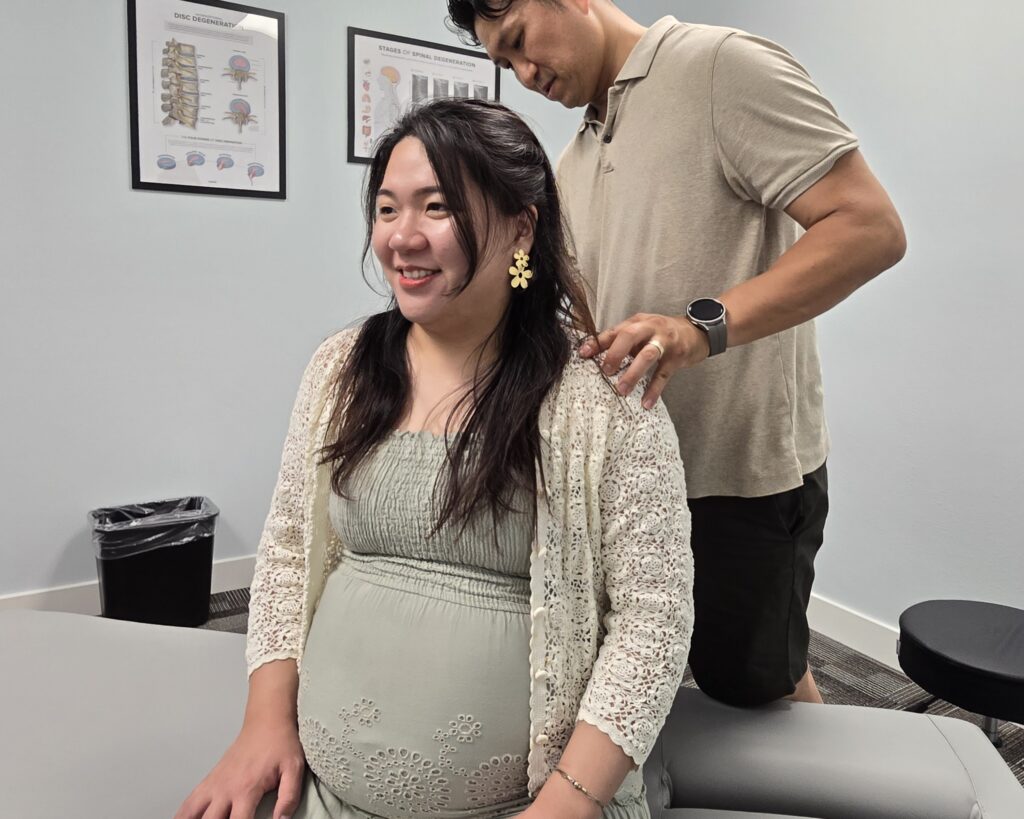

As a local chiropractor, I understand that back pain is a prevalent concern for many people, but it doesn’t have to dictate your daily life. There are straightforward, natural steps you can take to prevent discomfort and enhance your overall well-being. By making adjustments to your posture and incorporating healthy lifestyle changes, you can effectively safeguard your back. Are you interested in learning how to implement these adjustments? Let’s delve into some trustworthy tips that can support your journey to a healthy, pain-free back.
Maintain Good Posture
As your local chiropractor, I want to emphasize the importance of maintaining good posture as a key factor in preventing back pain and promoting overall wellness. When you sit, stand, or walk with proper alignment, you ensure that your body weight is distributed evenly. This reduces the strain on your spine and the muscles that support it.
Let’s start with your sitting posture. It’s essential to choose a chair that provides proper support for your lower back. Keep your feet flat on the floor, and make sure your knees are at a right angle. If you’re working at a desk, position your computer screen at eye level to help you avoid hunching forward, which can lead to discomfort over time.
When standing, remember to engage your core muscles and avoid locking your knees. This not only supports your back but also helps with balance and stability. Good posture doesn’t just benefit your spine; it has a positive effect on your overall health, energy levels, and even your mood.
I encourage you to regularly check in with your posture throughout the day. If you notice yourself slouching or leaning, take a moment to correct it.
Stay Active With Regular Exercise
As your local chiropractor, I want to emphasize that maintaining good posture is just one aspect of preventing back pain. It’s crucial to stay active with regular exercise to keep your spine healthy and strong. I recommend aiming for at least 30 minutes of moderate activity most days of the week. Activities such as walking, swimming, or cycling are excellent choices, as they can improve your overall fitness without putting excessive strain on your back.
In addition to aerobic exercises, incorporating flexibility routines—like stretching or yoga—can greatly enhance your range of motion and alleviate muscle tension. It’s important to be in tune with your body; if anything feels uncomfortable, please adjust your routine to suit your needs.
Even small adjustments, like standing up or taking brief walks during long periods of sitting, can have a significant impact on your spinal health.
By prioritizing regular exercise, you’re not only improving your physical well-being but also enhancing your mood and energy levels, which all contribute to a healthier back.
Strengthen Core Muscles
As a local chiropractor, I want to emphasize the importance of strong core muscles for your overall spinal health and well-being. A robust core is crucial in supporting your spine, helping to prevent back pain, and ensuring you maintain proper posture and balance throughout your daily activities.
To effectively strengthen your core, I encourage you to focus on exercises that engage your abdominal muscles, lower back, and pelvic area. Some excellent options to incorporate into your routine are planks, bridges, and bicycle crunches.
These exercises not only promote muscle strength but also enhance stability, which is vital for your overall health. I recommend aiming for at least two to three core workouts each week, and it’s essential to allow your muscles time to recover between sessions.
Remember, engaging your core during other exercises, such as squats or lunges, can also help you maximize strength gains and support your spine.
Additionally, consider incorporating activities like yoga or Pilates into your routine. These practices not only promote core strength but also enhance your flexibility, providing a holistic approach to your health.
Use Proper Lifting Techniques
As a chiropractor dedicated to your well-being, I want to emphasize the importance of using proper lifting techniques to protect your spine and prevent injury.
When you lift heavy objects, remember to bend at your knees rather than your waist. This technique helps maintain a straight back, significantly reducing strain on your spine.
Additionally, keeping the load close to your body is crucial. It not only helps you maintain balance and control but also minimizes the risk of injury.
Bend at Knees
As a local chiropractor, I want to emphasize the importance of bending at your knees to prevent back pain, especially when lifting. Many people are unaware that using proper technique can make a significant difference in how we care for our bodies. When you squat down to pick something up, you’re distributing the weight more evenly across your legs, which helps to alleviate strain on your back.
To ensure stability while lifting, position your feet shoulder-width apart. As you bend your knees, remember to engage your core muscles; this provides essential support to your spine.
It’s vital to maintain a straight back during the lifting process, and avoid twisting your torso, as this can lead to injuries that might require chiropractic intervention.
Always lift with your legs instead of your back. If you’re faced with a particularly heavy load, take your time—don’t rush the process. Proper lifting technique is crucial for protecting your back and ensuring you remain pain-free.
Keep Load Close
As a local chiropractor, I want to emphasize the importance of keeping the load close to your body during lifting. This practice isn’t only crucial for safe lifting but also plays a significant role in preventing back pain. When you hold items close to your body, you enhance your leverage and minimize strain on your back.
Here are some key tips to follow for safe lifting:
- Position Your Feet: Start by standing with your feet shoulder-width apart to ensure stability. This stance helps you maintain balance while lifting.
- Engage Your Core: It’s vital to tighten your abdominal muscles before you lift. This engagement provides support for your spine and helps protect it during the lifting process.
- Lift with Your Legs: Focus on using your leg muscles to perform the lift, rather than relying on your back. By keeping the load close to your body, you can reduce the risk of injury.
- Turn with Your Feet: When you need to change direction, pivot on your feet instead of twisting your back. This technique helps to maintain spinal alignment and further reduces the chance of strain.
By incorporating these techniques into your lifting routine, you can help safeguard your back and promote overall spinal health.
Invest in a Supportive Mattress and Chair
As a local chiropractor, I want to emphasize the importance of investing in a supportive mattress and chair for your overall well-being.
The right mattress can significantly impact how your back feels by providing the appropriate firmness level tailored to your body type and sleep position. This is crucial for ensuring proper spinal alignment while you rest.
Equally important is the chair you choose for your daily activities. An ergonomic chair is designed to support your posture effectively, which can help reduce strain on your back during long hours of sitting.
By prioritizing these investments in your sleep and work environment, you can promote better spinal health and overall comfort.
Choose Proper Firmness Level
As a local chiropractor, I want to emphasize the importance of investing in a supportive mattress and chair for your back health, especially if you find yourself spending long hours sitting or lying down.
Selecting the appropriate firmness level is crucial for ensuring your back receives the support it needs. Here are some insights to help you make an informed decision:
1. Sleep Position: If you’re a side sleeper, a softer mattress may be more suitable for you, as it can help alleviate pressure on your hips and shoulders.
On the other hand, back and stomach sleepers typically benefit from firmer mattresses that promote proper spinal alignment.
2. Weight Consideration: It’s essential to consider your body weight when choosing a mattress. Heavier individuals often require a firmer surface to avoid sinking too deeply, which can lead to discomfort and misalignment.
Conversely, lighter individuals may find softer mattresses more comfortable and supportive.
3. Trial Period: I recommend taking advantage of trial periods offered by mattress companies. This allows you to test the firmness and overall comfort level before making a long-term commitment.
Your body will give you feedback during this time, helping you find the best match for your needs.
4. Personal Preference: Remember, comfort is subjective. What feels right for one person may not work for another.
Trust your instincts and listen to your body as you explore different options. Finding the right mattress or chair can significantly impact your overall well-being and back health.
By making an informed choice about your sleeping and sitting surfaces, you can support your spine and enhance your overall health.
If you have any questions or need further guidance, feel free to reach out!
Ergonomic Chair Features
As a local chiropractor, I want to emphasize the importance of having the right seating, especially if you find yourself seated for extended periods. An ergonomic chair isn’t just a luxury; it’s a crucial investment in your comfort and spinal health.
One key feature to look for is lumbar support, which helps maintain the natural curve of your spine and prevents slouching, a common cause of back pain.
Adjustable seat height is another essential aspect. It ensures that your feet rest flat on the floor, promoting better posture and reducing strain on your back.
Don’t overlook the armrests; they should also be adjustable to help your shoulders relax, further alleviating any tension that could lead to discomfort.
A well-padded seat cushion is vital as it helps distribute your weight evenly and relieves pressure points, which can contribute to aches and pains over time.
Additionally, consider a chair that swivels and rolls easily. This feature allows you to reach for items without unnecessary twisting or straining, which is important for maintaining a healthy spine.
By investing in an ergonomic chair, you aren’t only enhancing your work environment but also taking proactive steps to prevent back pain and support your overall well-being.
Stretch and Improve Flexibility
As a local chiropractor, I want to emphasize the importance of stretching as a natural way to enhance your flexibility and prevent back pain. Keeping your muscles and joints limber is crucial for overall spinal health.
By incorporating a few simple stretches into your daily routine, you can experience significant benefits. Here are four effective stretches I recommend to my patients:
- Cat-Cow Stretch: Begin on all fours with your hands directly under your shoulders and knees under your hips. As you exhale, arch your back upward (like a cat), and then inhale as you lower your belly, lifting your head and chest (like a cow). Repeat this sequence 5-10 times, allowing your spine to move through its full range of motion.
- Child’s Pose: Kneel on the floor, sit back on your heels, and stretch your arms forward on the ground. This gentle pose helps to relax your back and can be held for about 30 seconds. It’s a wonderful way to alleviate tension in the spine.
- Seated Forward Bend: Sit on the floor with your legs extended straight in front of you. Slowly reach for your toes, feeling a stretch in your hamstrings and lower back. Hold this position for 20-30 seconds, allowing gravity to assist in deepening the stretch.
- Torso Twist: While seated, gently twist your torso to one side and hold for 15-20 seconds, then switch to the other side. This stretch is excellent for increasing spinal flexibility and mobility.
By making these stretches a regular part of your routine, you can greatly reduce your risk of developing back pain and promote a healthier spine.
Practice Stress Management Techniques
As your local chiropractor, I want to share how important it’s to maintain flexibility through stretches, but I also want to emphasize that managing stress is crucial for your overall wellness—especially when it comes to preventing back pain.
When stress levels rise, your muscles can become tense, which may lead to discomfort and even injury. That’s why I recommend incorporating stress management techniques into your daily routine.
One effective method is deep breathing exercises. Just taking a few moments to inhale deeply and exhale slowly can significantly help in releasing tension in your body.
Additionally, practicing mindfulness and meditation can be incredibly beneficial. These techniques encourage you to focus on the present moment, which can greatly reduce feelings of anxiety and stress.
I also encourage you to engage in regular physical activity, such as walking or yoga. These activities not only enhance your mood, but they can also work wonders for your back health.
And let’s not overlook the importance of sleep; a well-rested body is less susceptible to stress and discomfort.
As you explore these natural healing techniques, remember that chiropractic care can also support your journey towards a pain-free life.
Together, we can work on a comprehensive plan that addresses both your physical and emotional well-being.