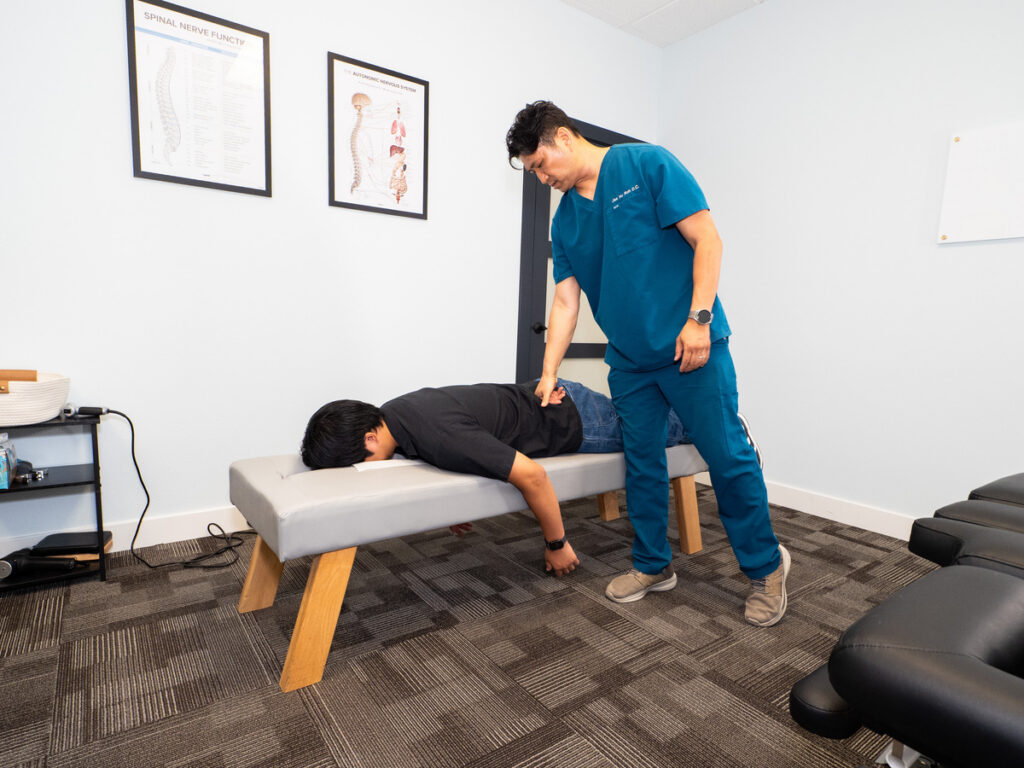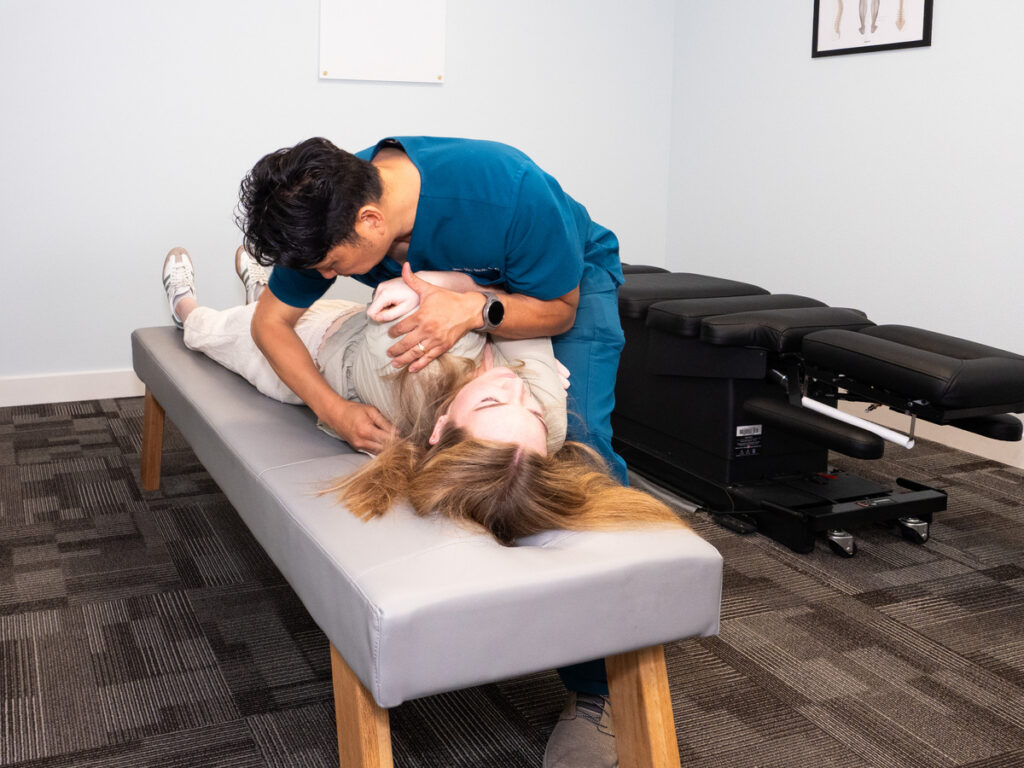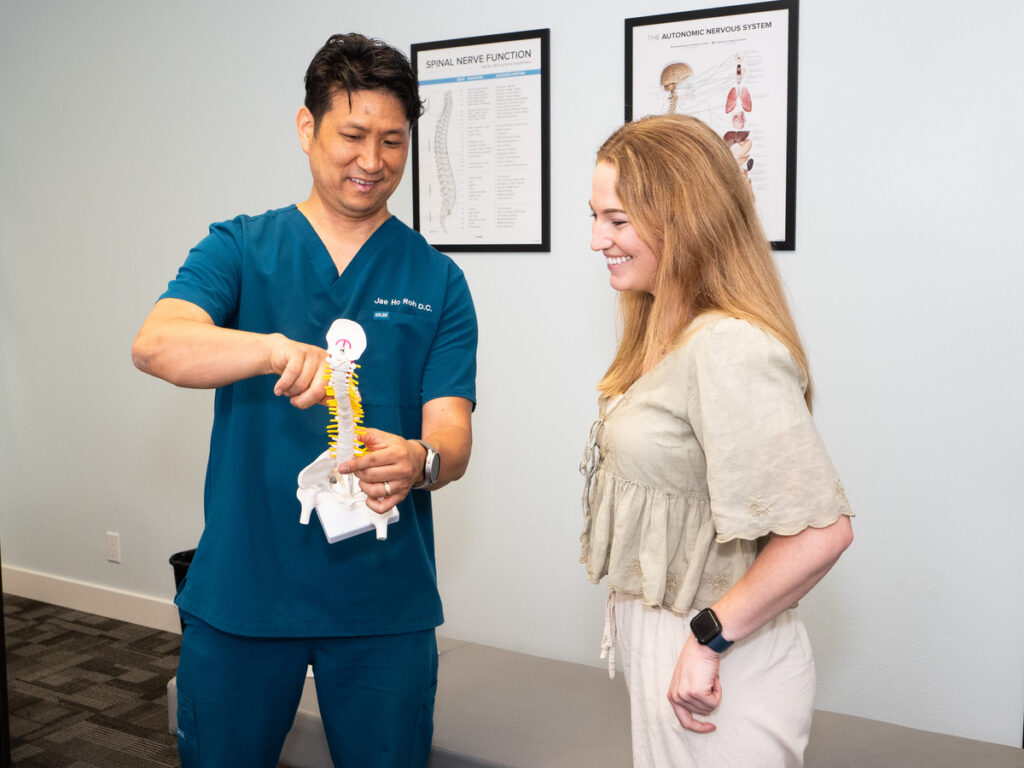

As a chiropractor, I want to emphasize that if you’re dealing with back pain, you’re not alone in this experience. Many individuals face similar discomfort, but I’m here to share that there are effective natural techniques to help alleviate your pain. By incorporating stretching and strengthening exercises, along with maintaining proper posture, you can take significant steps toward managing your pain.
Additionally, I encourage you to consider the benefits of mindfulness and various therapeutic approaches that can complement your recovery journey. These methods work synergistically to enhance your overall well-being. If you’re curious about how these strategies can contribute to a healthier, pain-free life, I invite you to explore the many ways chiropractic care and natural healing can make a meaningful difference in your life. Let’s work together to find the right solutions for you.
Understanding Back Pain: Causes and Types
As a local chiropractor, I want to help you understand the complexities of back pain and how it may be affecting your life. Back pain can arise from a multitude of sources, and it’s important to realize that it’s not a one-size-fits-all issue. It can present itself as either acute or chronic pain. Acute pain often occurs due to specific injuries, like a fall or improper lifting techniques, while chronic pain can persist for months or even years due to underlying conditions such as arthritis or degenerative disc disease.
In my practice, I see various types of back pain that can be categorized into three main areas: muscular, nerve-related, and structural. Muscular pain is frequently the result of strains or sprains, and it’s something we can often address with adjustments and therapeutic exercises.
Nerve-related pain, such as sciatica, can feel like a sharp or radiating discomfort along the nerve pathways, which may require a more tailored approach to relieve the pressure on those nerves.
Finally, structural pain involves issues with the bones, discs, or joints, and chiropractic care can play a significant role in restoring proper alignment and function.
Understanding the type and cause of your back pain is the first step toward achieving effective relief. I encourage you to pay close attention to your symptoms and consider consulting with a healthcare professional—like myself—who can provide personalized guidance and natural healing solutions tailored to your unique situation.
Together, we can work towards alleviating your discomfort and improving your overall well-being.
The Benefits of Stretching for Back Pain Relief
As a local chiropractor dedicated to helping you find relief from back pain, I want to share an often-overlooked solution: stretching. Many people are unaware of how effective stretching can be in enhancing your efforts to alleviate back pain. By incorporating regular stretching into your daily routine, you can significantly improve your flexibility, which in turn can help reduce tension in your back muscles.
When you take the time to stretch, you’re not just easing tightness; you’re also promoting blood circulation. This increased blood flow can aid in the healing process and help alleviate discomfort you’re experiencing.
Additionally, stretching plays a crucial role in correcting poor posture—something that frequently contributes to back pain. By concentrating on key areas such as the hamstrings, hip flexors, and spinal muscles, you can relieve pressure on your spine and foster better alignment.
In fact, stretching can provide immediate relief during painful flare-ups, helping you regain mobility and get back to your daily activities. Just a few minutes of gentle stretching each day can lead to a significant improvement in how you feel overall.
I encourage you to listen to your body while stretching and avoid pushing too hard, as overstretching can lead to injuries.
Strengthening Exercises to Support Your Back
As a local chiropractor, I want to emphasize the importance of incorporating strengthening exercises into your routine to support your back effectively. These exercises play a crucial role in building the muscles that offer support to your spine, which can help reduce the risk of injury and alleviate pain.
I recommend starting with core exercises such as planks and bridges. These movements specifically target your abdominal and lower back muscles, which are vital for spinal support. Aim for three sets of 10-15 repetitions, and gradually increase the intensity as you build strength.
In addition to core work, back extensions and pelvic tilts can enhance the stability of your back. Using resistance bands can also be beneficial—seated rows are an excellent way to strengthen your upper back.
Don’t overlook the importance of your hips and glutes; exercises like squats and lunges can further enhance your body’s overall support system.
Consistency is essential. By making these exercises a regular part of your routine, you’re likely to notice improvements in your posture, a reduction in pain, and greater mobility in your everyday activities.
However, it’s always wise to consult with a healthcare professional, like myself, before starting any new exercise program to ensure it’s appropriate for your individual needs. Together, we can work towards achieving optimal back health through natural and effective methods.
The Role of Posture in Back Pain Management
As your local chiropractor, I want to emphasize the crucial role that maintaining good posture plays in managing back pain. Proper alignment of your spine is vital, and the way you sit, stand, and move can significantly impact the strain on your muscles and joints.
When you adopt good posture, you help distribute your body weight evenly, which can reduce unnecessary pressure on your back and promote overall spinal health.
Throughout your day, I encourage you to be mindful of your posture. When sitting, make sure your back is straight, your shoulders are relaxed, and your feet are flat on the floor.
If you’re standing, keep your weight balanced on both feet and be aware of any tendency to slouch.
Ergonomic furniture can be a game-changer in your journey towards better posture. Adjusting your chair and desk to support a neutral spine position makes a significant difference.
Additionally, if you spend a lot of time on your phone or computer, it’s important to elevate your screen to eye level to prevent neck strain.
By implementing these adjustments, you create a supportive environment that not only alleviates back pain but also enhances your overall well-being.
Heat and Cold Therapy: When to Use Which
As your local chiropractor, I want to help you understand how to effectively manage back pain through the use of heat and cold therapy.
It can truly make a significant difference in your comfort and healing journey.
Heat therapy is excellent for relaxing and soothing tight muscles, promoting blood flow and flexibility in the affected area.
This can be particularly beneficial when you’re experiencing muscle stiffness or tension.
On the other hand, cold therapy is your go-to for reducing inflammation and numbing sharp pain.
It’s especially useful after an injury or during flare-ups, as it helps to minimize swelling and provide relief.
By understanding the distinct benefits of each therapy, you can better choose the right method to suit your specific needs and enhance your overall wellness.
If you have any questions or need personalized advice, I’m here to guide you on your path to natural healing.
Benefits of Heat Therapy
As a local chiropractor, I want to share the unique benefits of heat therapy for managing back pain, especially for those who may be unfamiliar with chiropractic care and natural healing methods.
Heat therapy can be an incredibly effective tool to enhance your comfort and mobility. When you apply heat to the affected area, it increases blood flow, which promotes healing and helps to alleviate stiffness. This process also relaxes tight muscles, allowing for easier movement without discomfort.
You might consider using heating pads, warm towels, or even indulging in a hot bath to experience the soothing effects of heat therapy. It’s particularly beneficial for those dealing with chronic pain, as it helps to ease discomfort and tension.
Additionally, using heat before engaging in physical activities can prepare your muscles for movement, reducing the risk of injury.
By incorporating heat therapy into your daily routine, you’ll likely find an improvement in your flexibility and a notable reduction in pain.
At our practice, we believe in empowering our patients with natural healing methods like heat therapy to support their overall well-being.
Advantages of Cold Therapy
As a local chiropractor, I want to share with you some valuable insights about cold therapy, a powerful tool we often recommend for managing back pain, particularly after an injury or during flare-ups.
Cold therapy involves applying ice or a cold pack to the affected area, and it offers several unique benefits. One of the primary advantages is its ability to numb the pain and reduce inflammation. When you apply cold, it constricts blood vessels, which helps minimize swelling and can actually speed up your healing process.
I often advise my patients to use cold therapy immediately following an injury. This not only alleviates discomfort but also helps to prevent further damage to the affected area.
Moreover, cold therapy is particularly effective for muscle spasms. It can help relax tight muscles and relieve tension, making it an excellent addition to your pain management routine.
By incorporating cold therapy into your self-care practices, you can experience significant relief and improve your overall mobility. This means you can engage in your daily activities with less pain, allowing you to live a more active and fulfilling life.
If you have any questions about how to integrate cold therapy into your routine or how it can complement chiropractic care, feel free to ask during your next visit. I’m here to help you on your journey to better health and well-being!
When to Alternate Methods
As your local chiropractor, I want to help you understand how to effectively manage pain through the use of heat and cold therapy. Knowing when to apply each method can significantly improve your comfort and healing process. Here’s a simple guide for you:
- Cold Therapy: In the first 48 hours following an injury, cold therapy is your best friend. It can help reduce inflammation and numb sharp, acute pain. Think of it as a way to calm down the body’s initial response to injury.
- Heat Therapy: If you’re dealing with muscle tightness or chronic pain, heat therapy can be very beneficial. It works by promoting blood flow, which helps relax tense muscles and can ease discomfort. This is particularly useful for ongoing issues rather than recent injuries.
- Alternating Methods: To maximize your relief, consider alternating between heat and cold. For example, you might apply cold for 15-20 minutes, followed by heat for another 15-20 minutes. This combination can enhance therapeutic effects and provide comprehensive relief.
- Listen to Your Body: It’s essential to pay attention to how your body reacts to these treatments. If you find that one method intensifies your pain, don’t hesitate to switch to the other. Your comfort and well-being are our top priorities.
By incorporating these methods into your pain management strategy, you can empower yourself in your healing journey.
If you have any questions or need further guidance, feel free to reach out during your next visit!
Mindfulness and Meditation for Pain Reduction
As a local chiropractor, I want to share some valuable insights on natural pain relief methods, particularly when it comes to managing back pain. One of the most effective approaches I recommend to my patients is the practice of mindfulness and meditation. These techniques aren’t just trendy buzzwords; they’re powerful tools that can promote relaxation and help reduce discomfort.
When you engage in mindfulness, you learn to focus your mind and cultivate a deeper awareness of your body. This allows you to observe your pain without judgment, which can be incredibly liberating. By dedicating just a few minutes each day to mindfulness practices, you can develop a greater sense of control over your pain experience.
Incorporating techniques like deep breathing and body scanning can greatly enhance your understanding of physical sensations. These methods encourage you to connect with your body, promoting relaxation and alleviating tension in your back. As a chiropractor, I’ve seen firsthand how patients who embrace these practices often report feeling more at ease and less burdened by their pain.
Meditation offers another layer of support by shifting your perception of discomfort. Rather than reacting to pain with stress, meditation helps you respond with calmness and clarity. Many of my patients find that, as they make meditation a regular part of their routine, their emotional resilience improves, which in turn helps to lessen the impact of pain.
Exploring the Benefits of Massage Therapy
As a local chiropractor, I want to share how massage therapy can be an effective complement to your chiropractic care, particularly when it comes to alleviating back pain.
This powerful technique not only targets physical discomfort but also promotes emotional healing, which is essential for overall wellness.
It’s important to choose a qualified therapist who understands the nuances of chiropractic care, as this collaboration can enhance your treatment and help you discover the best approach for your individual needs.
Together, we can work towards your pain relief and improved well-being through natural healing methods.
Types of Massage Techniques
As a local chiropractor, I want to help you understand how various massage techniques can be beneficial in managing back pain and enhancing your overall well-being. Each approach targets specific issues, which can aid in alleviating discomfort and improving mobility.
Here are four popular massage techniques that you might consider integrating into your care routine:
- Swedish Massage: This gentle technique uses long, flowing strokes and kneading motions to promote relaxation and enhance blood circulation to the affected areas. It’s a wonderful way to unwind and relieve stress.
- Deep Tissue Massage: If you’re experiencing chronic pain, deep tissue massage focuses on the deeper layers of muscle and connective tissue. It’s effective in relieving tension and can help address persistent discomfort.
- Trigger Point Therapy: This specialized technique hones in on specific knots or tight spots in your muscles. By releasing these trigger points, we can help alleviate tightness and reduce referred pain, which can often radiate to other areas of the body.
- Hot Stone Massage: This method involves placing heated stones on key points of your body. The warmth helps to ease muscle tension and promotes relaxation, offering soothing relief for sore muscles.
I encourage you to explore one or more of these techniques to discover what works best for you in your journey towards better health!
Physical and Emotional Benefits
As a local Chiropractor, I want to share with you how chiropractic care, combined with massage therapy, can significantly enhance your overall well-being.
Regular chiropractic adjustments can alleviate muscle tension, reduce pain, and improve flexibility, making your movements not only easier but more enjoyable as well. Many patients report enhanced circulation and a strengthened immune system, which contribute to better healing and overall body function.
On the emotional side, incorporating massage therapy into your wellness routine can have profound benefits. It provides a calming effect that helps to lower stress and anxiety levels.
The relaxation you experience during a session can help you feel more centered and balanced. Additionally, the release of endorphins during massage therapy can uplift your mood and foster a sense of happiness.
The supportive relationship you build with your therapist can also offer emotional reassurance, making you feel understood and cared for.
Choosing a Qualified Therapist
Finding a qualified chiropractor is essential for maximizing the benefits of chiropractic care and achieving natural healing. Choosing the right professional can significantly enhance your experience and provide effective pain relief. Here are some important points to consider:
- Credentials: Ensure that your chiropractor is licensed and has received comprehensive training in chiropractic techniques and holistic health practices.
- Specialization: Look for a chiropractor who specializes in treating specific issues, such as back pain, neck pain, or sports injuries, to receive targeted care that addresses your unique needs.
- Experience: Consider chiropractors with a solid track record and positive patient testimonials. Their experience can be invaluable in navigating your path to recovery.
- Comfort: It’s vital to feel comfortable with your chiropractor’s approach and communication style. A good rapport can enhance your overall experience and contribute to effective healing.
Investing time in finding a qualified chiropractor can make a significant difference in your journey toward natural pain relief and overall well-being.
Herbal Remedies and Essential Oils for Comfort
As a local chiropractor, I often see patients seeking relief from back pain through conventional treatments. However, I want to introduce you to the benefits of herbal remedies and essential oils, which can serve as effective natural alternatives for alleviating discomfort.
One herb that I frequently recommend is turmeric. Its anti-inflammatory properties can significantly help in reducing pain. You can incorporate turmeric into your meals or consider taking it as a supplement for added benefits.
Another powerful option is ginger, which not only helps ease discomfort but also promotes better circulation.
In addition to herbal remedies, essential oils can be a fantastic part of your pain relief strategy. Lavender oil is known for its calming effects and can help alleviate tension, while peppermint oil offers a refreshing cooling sensation that may soothe aching muscles.
I suggest diluting these oils with a carrier oil and gently massaging them into the affected areas of your back to maximize their effects.
Moreover, consider taking Epsom salt baths infused with your favorite essential oils. This practice can help relax tight muscles and further relieve pain.
Lifestyle Changes to Prevent Back Pain Recurrence
As a local chiropractor dedicated to helping you maintain a healthy spine, I want to share some important lifestyle changes that can prevent back pain from recurring. By making small adjustments to your daily habits, you can significantly improve your spinal health and enjoy a pain-free life.
- Practice Good Posture: It’s crucial to be mindful of how you sit and stand. Proper alignment of your spine can greatly reduce strain and discomfort. I can guide you on effective posture techniques during your visits.
- Stay Active: Regular exercise is vital for your back health. Focus on activities that strengthen your core muscles and improve flexibility, as these are essential for supporting your spine. I can recommend specific exercises tailored to your needs.
- Maintain a Healthy Weight: Carrying excess weight can put extra pressure on your spine. A balanced diet not only helps with weight management but also contributes to overall health. I can provide nutritional advice that complements your chiropractic care.
- Use Ergonomic Furniture: If you spend long hours working, investing in ergonomic furniture can make a significant difference. Chairs and desks designed to promote good posture can help reduce the risk of developing back pain. I can suggest ergonomic solutions that fit your workspace.
By incorporating these lifestyle changes, you can support your spine’s health and reduce the risk of back pain recurrence.