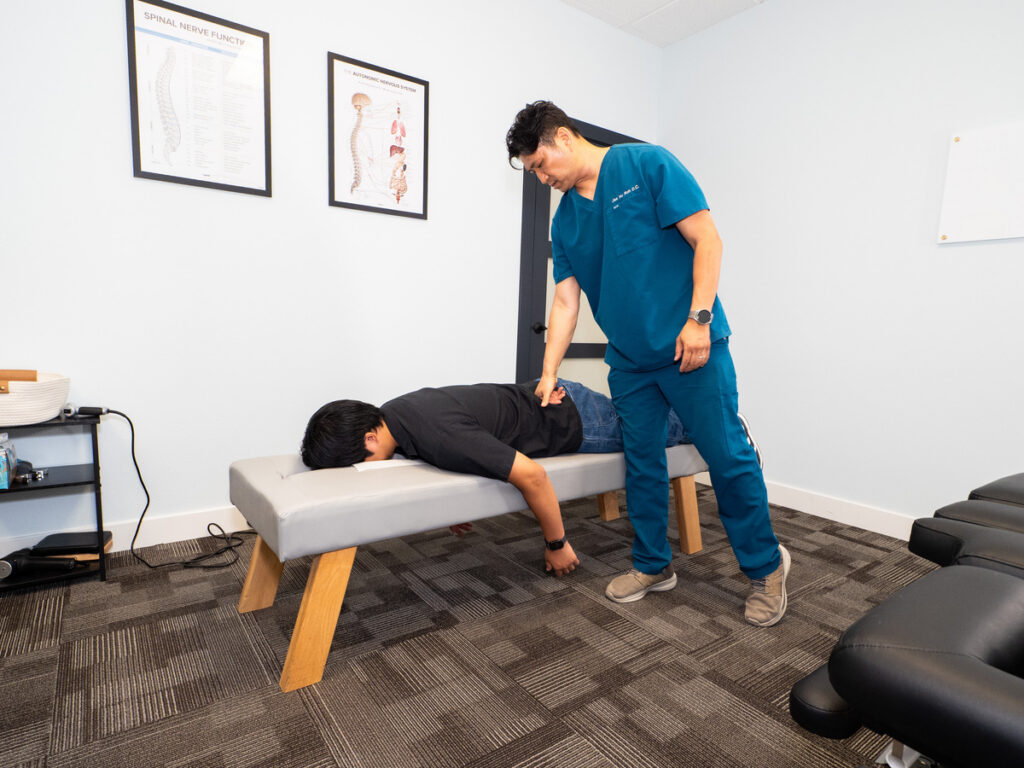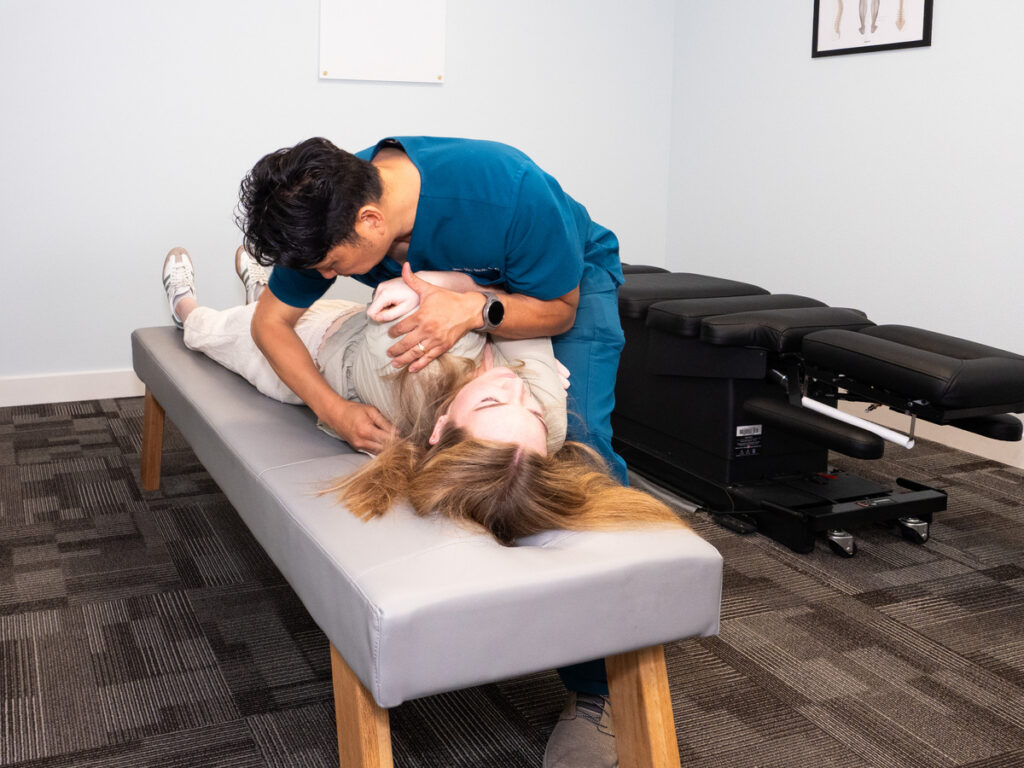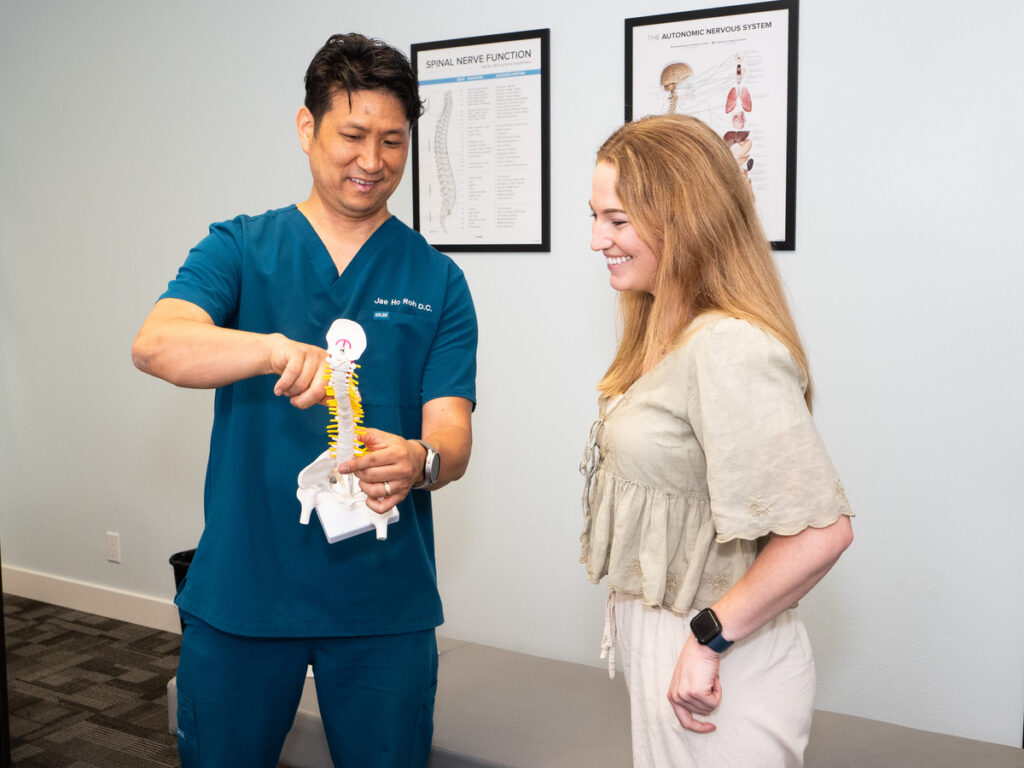

As a local chiropractor, I understand that back pain can be a frustrating and persistent issue for many individuals. However, I want to assure you that there are natural ways to find relief that can significantly improve your quality of life. By making simple adjustments to your daily routine and incorporating specific practices, you can alleviate discomfort and enhance your overall well-being.
One of the key aspects of managing back pain is maintaining good posture. Poor posture can place unnecessary strain on your spine and surrounding muscles. I often encourage my patients to be mindful of their posture throughout the day, whether sitting, standing, or lifting. Small changes can make a big difference.
In addition to posture, exploring effective relaxation techniques can also play a vital role in relieving back pain. Whether it’s through deep breathing exercises, gentle stretching, or mindfulness practices, these methods can help reduce tension in your body and promote healing.
As we work together, I’ll guide you through various strategies tailored to your specific needs. Embracing chiropractic care and natural healing techniques can transform your approach to managing discomfort and enhance your daily life. Let’s embark on this journey towards a healthier back together!
Maintain Good Posture
As a local chiropractor, I want to emphasize the importance of maintaining good posture for your overall health and well-being. When you practice good posture, you’re not just supporting your spine; you’re also significantly reducing the risk of experiencing back pain. Proper alignment of your spine allows your muscles and ligaments to function effectively, which is crucial for your daily activities.
Throughout your day, pay close attention to how you hold your body. Whether sitting or standing, make sure your shoulders are back, your head is aligned with your spine, and your feet are flat on the floor when seated. If you’re working at a desk, it’s essential to adjust your chair height so that your knees are level with your hips. Using a cushion for lumbar support can also make a big difference.
Remember to stand up regularly to stretch and reset your posture—this helps keep your body in balance. It’s also important to be mindful when lifting objects. Always bend at the knees instead of the waist, and keep the item close to your body to avoid unnecessary strain on your back.
Incorporate Regular Exercise
As a local chiropractor, I want to emphasize how crucial it’s to incorporate regular exercise into your daily routine for maintaining a healthy back and preventing pain.
Physical activity plays a vital role in strengthening the muscles that support your spine and improving flexibility, which ultimately contributes to a more resilient and pain-free back.
You don’t have to commit to an intense gym routine; what matters most is consistency. Here are some effective exercises that I often recommend to my patients:
- Walking: This low-impact activity is simple to integrate into your daily life and can be very beneficial for your back.
- Swimming: The buoyancy of water provides resistance while minimizing stress on your joints, making it an excellent choice for back health.
- Cycling: Whether on a stationary bike or outdoors, cycling helps strengthen your legs and core while being gentle on your back.
- Strength Training: Focusing on core exercises can greatly enhance stability and support for your spine.
- Yoga: This practice promotes balance and flexibility, which can help reduce stiffness and improve your overall well-being.
As you start incorporating these exercises, remember to listen to your body and progress at your own pace.
If you experience any discomfort, it’s important to modify your routine accordingly. Regular movement is essential not only for your back health but also for your overall quality of life.
If you have any questions or need personalized guidance, please don’t hesitate to reach out to me. I’m here to help you on your journey to better health!
Utilize Stretching Techniques
As a local chiropractor, I want to emphasize the importance of incorporating stretching techniques into your daily routine for optimal back health. Many of my patients find that regular stretching can significantly improve flexibility, reduce muscle tension, and alleviate discomfort in the back.
One of the simplest yet most effective stretches I recommend is the cat-cow pose. This gentle movement helps to mobilize your spine and relieve stiffness, making it a fantastic addition to your routine. Additionally, don’t overlook the importance of hamstring stretches. Tight hamstrings can often contribute to lower back pain, so giving them some attention is crucial.
When stretching, aim to hold each position for at least 20-30 seconds, and be sure to breathe deeply throughout the process. This not only enhances relaxation but also allows your body to fully benefit from the stretch.
I suggest setting aside just 10-15 minutes each morning or evening for a stretching session. This small commitment can lead to significant benefits, including stronger muscles and improved posture over time.
Always listen to your body while stretching; if you experience any pain, ease off the stretch. With consistent practice, you’ll likely notice improved mobility and a reduction in back pain.
Apply Heat or Cold Therapy
As your local chiropractor, I want to share some valuable insights about managing back pain through heat and cold therapy. Many of my patients have found that applying heat can significantly alleviate discomfort.
Heat therapy works wonders by relaxing and soothing tense muscles, making it easier for you to move and feel more comfortable. On the other hand, cold therapy is a powerful tool for reducing inflammation and numbing sharp pain, which can be particularly helpful after an injury or during flare-ups.
Understanding the unique benefits of both methods is crucial for effective pain relief. If you’re unsure which approach to take, I’m here to guide you in selecting the right therapy tailored to your specific needs.
Together, we can explore these natural healing methods to help you find the relief you deserve.
Benefits of Heat Therapy
As a local chiropractor, I want to share the benefits of heat therapy, a natural and effective way to alleviate back pain and promote healing. Many of my patients find that applying heat can significantly relax their muscles, improve blood circulation, and ease discomfort.
Here are some key advantages you may experience with heat therapy:
- Muscle relaxation: The application of heat is excellent for loosening tight muscles, which helps to reduce tension and stiffness that often accompany pain.
- Increased circulation: Heat therapy enhances blood flow, allowing essential nutrients and oxygen to reach the affected areas, which supports healing.
- Pain relief: By diminishing pain signals sent to the brain, heat provides a comforting effect that can help you manage discomfort more effectively.
- Versatile options: You have various options for applying heat, such as using heating pads, hot water bottles, or enjoying a warm bath, making it easy to find what works best for you.
- Convenient and easy: Incorporating heat therapy into your daily routine is simple and accessible, making it a practical choice for ongoing relief.
By understanding and utilizing heat therapy, you can enhance your recovery and overall well-being.
If you have any questions or would like to learn more about how heat therapy can complement your chiropractic treatment, feel free to ask!
Advantages of Cold Therapy
As a local chiropractor, I want to share with you an effective method for managing back pain that you may not be familiar with: cold therapy. This technique is particularly beneficial when you’re experiencing inflammation or swelling in your back.
By applying ice packs or cold compresses to the affected area, you can numb the pain and slow down the inflammation process. The cold helps constrict blood vessels, which reduces swelling and brings relief to discomfort.
You can easily incorporate cold therapy into your routine at home. Simply wrap some ice in a towel and apply it to the painful area for about 15-20 minutes. Just remember to take breaks between applications to protect your skin from damage.
Cold therapy isn’t only an effective pain management tool but also a wonderful complement to your recovery routine after physical activity or long periods of sitting.
It’s a simple, drug-free way to alleviate discomfort and help you return to your daily activities with greater ease and comfort. As your chiropractor, I encourage you to explore this natural healing method as part of your back care strategy.
Explore Yoga and Pilates
As a local chiropractor, I often see patients struggling with back pain, and I want to share how exploring yoga and Pilates can be a transformative addition to your wellness routine.
These practices aren’t only about physical movement; they focus on core strength, flexibility, and posture—key elements that can significantly alleviate discomfort and promote overall health.
Regularly engaging in yoga and Pilates can lead to several benefits, including:
- Improved flexibility: This helps reduce muscle tension, particularly in the back, allowing for greater ease of movement.
- Strengthened core: A robust core is essential for supporting your spine, which can help diminish the strain often associated with back pain.
- Better posture: Practicing proper alignment through these exercises can relieve pressure on your back, making daily activities more comfortable.
- Mindfulness: Both yoga and Pilates encourage relaxation and mindfulness, which can help ease muscle tension and promote mental clarity.
- Low-impact exercise: Their gentle movements make them suitable for individuals at all fitness levels, ensuring that everyone can participate.
I encourage you to explore local classes or online resources that align with your experience level.
By committing to a consistent practice, you can enhance your healing journey and enjoy the numerous benefits that come with these holistic approaches.
Consider Massage Therapy
When it comes to addressing back pain, incorporating massage therapy into your recovery plan can significantly enhance your healing process.
As a chiropractor, I often recommend this hands-on approach for its ability to reduce muscle tension and improve blood circulation, both of which can help alleviate discomfort in your back.
Whether you choose deep tissue, Swedish, or trigger point massage, each technique is designed to release tight muscles and promote relaxation.
Regular massage sessions can’t only provide pain relief but also improve your overall flexibility and mobility.
It’s important to listen to your body and communicate any specific pain areas to your massage therapist. This ensures that your session is tailored to meet your individual needs.
Moreover, massage therapy plays a vital role in lowering stress levels, which is often a contributing factor to muscle tightness and pain.
By integrating massage into your routine, you can adopt a holistic approach to managing your back pain alongside chiropractic care.
I encourage you to explore this natural option—your back and overall wellness will greatly benefit from it!
Stay Hydrated
As a local chiropractor, I want to emphasize the importance of staying hydrated when it comes to managing back pain effectively. Hydration plays a crucial role in how our bodies function, and being well-hydrated can significantly alleviate discomfort.
When you’re dehydrated, your muscles can become tense and cramp, which may exacerbate your back pain. Here are some practical tips to help you maintain proper hydration:
- Make it a habit to drink water consistently throughout the day, rather than waiting until you’re thirsty.
- Incorporate water-rich foods into your diet, such as fresh fruits and vegetables, to boost your hydration levels.
- Consider carrying a refillable water bottle with you as a gentle reminder to keep drinking.
- Be mindful of your intake of caffeine and alcohol, as these can contribute to dehydration.
- Set daily water intake goals to help you stay on track with your hydration.
Use Ergonomic Furniture
As a chiropractor, I often emphasize the importance of using ergonomic furniture in your daily life.
Many patients are unaware of how much their workspace can impact their spinal health. By investing in adjustable chairs and finding the right desk height, you can significantly enhance the support for your body throughout the day.
This small adjustment can alleviate discomfort and promote better posture, ultimately leading to a healthier spine.
Choose Adjustable Chairs
As a chiropractor, I can’t stress enough the importance of choosing the right adjustable chair for your health, particularly if you find yourself sitting for extended periods.
The way you sit can significantly impact your posture and overall spinal health, potentially preventing back pain and discomfort.
When selecting an adjustable chair, here are some key features to consider:
- Height Adjustment: This feature ensures that your feet rest flat on the ground, promoting proper alignment of your spine.
- Lumbar Support: A chair with adequate lumbar support is essential. It helps maintain the natural curve of your spine, reducing strain and discomfort.
- Armrest Adjustment: Properly adjusted armrests can alleviate tension in your shoulders and neck, which are common areas of stress for many individuals.
- Seat Depth Adjustment: This feature accommodates different thigh lengths, improving circulation and overall comfort.
- Swivel Base: A swivel base allows you to reach for items without twisting your back, which can help prevent injury over time.
Investing in a quality adjustable chair isn’t just about comfort; it’s a proactive step towards enhancing your well-being and safeguarding against future back issues.
Optimize Desk Height
As a chiropractor, I can’t stress enough the importance of desk height in maintaining your overall health and well-being. An ideal desk height can significantly enhance your workspace comfort and support your spine’s natural alignment. When your desk is at the appropriate height, it encourages better posture and minimizes the strain on your back.
To achieve the best ergonomic setup, ensure that your elbows are positioned at a 90-degree angle while typing and that your feet are flat on the floor. If your desk isn’t adjustable, I recommend considering solutions like a keyboard tray or desk risers to help you reach the proper height.
It’s also beneficial to invest in ergonomic furniture designed to support your body’s natural posture.
Remember, taking regular breaks to stretch and move around is essential for alleviating tension and promoting circulation. By optimizing your desk height, you’re making a vital investment in your health and creating a more comfortable work environment.
Prioritizing these changes can lead to lasting benefits for your spine and overall wellness.
Practice Mindfulness and Relaxation
As a local chiropractor, I often see patients overwhelmed by back pain, which can significantly impact daily life.
However, I want to share some valuable techniques that can help alleviate discomfort through mindfulness and relaxation, which are essential components of natural healing.
By shifting your focus to your mental state, you can effectively reduce the stress and tension that often intensify physical pain.
Here are some approaches that I encourage you to incorporate into your daily routine:
- Deep Breathing: Practice taking slow, deep breaths. This simple technique calms both your mind and body, helping to ease tension in your muscles.
- Meditation: Dedicate a few minutes each day to quiet reflection. Concentrating on your breath during this time can create a sense of peace and help manage pain levels.
- Progressive Muscle Relaxation: This technique involves tensing and then relaxing each muscle group in your body. It’s a great way to release built-up tension and promote overall relaxation.
- Gentle Yoga: I recommend engaging in gentle stretches and yoga poses that enhance flexibility without putting strain on your back. This can improve your body’s alignment and reduce discomfort.
- Visualization: Imagine yourself in a serene and peaceful setting. This mental imagery can help distract you from pain and facilitate relaxation.
Integrating these mindfulness and relaxation techniques into your routine can significantly enhance your healing process and improve your overall well-being.
Adjust Your Sleep Environment
As a local chiropractor, I understand the importance of your sleep environment when it comes to alleviating back pain. One of the first steps you can take is to invest in a supportive mattress that suits your body’s needs. This can significantly improve your quality of rest.
Equally important is selecting the right pillow; the height and firmness can greatly impact your neck and spine alignment.
Moreover, the position in which you sleep plays a crucial role in maintaining spinal alignment and minimizing discomfort.
By making these adjustments at home, you can create a more restorative sleep environment that supports your overall well-being and aids in the natural healing process.
Choose Supportive Mattress
As a local chiropractor, I want to emphasize the importance of selecting a supportive mattress for your overall health, especially if you’re experiencing back pain. A well-chosen mattress can significantly enhance your sleep quality and help maintain proper spinal alignment, which is crucial for your body’s biomechanics.
Here are some key factors to consider when choosing the right mattress for your needs:
- Firmness: It’s essential to find a firmness level that aligns with your sleeping position. For example, side sleepers may benefit from a softer mattress, while back and stomach sleepers often require a firmer surface for adequate support.
- Material: Opt for high-quality materials such as memory foam or latex, which offer excellent support and contouring to your body’s curves, reducing pressure points.
- Size: Ensure that your mattress is spacious enough to allow for comfortable movement throughout the night. A mattress that’s too small can restrict your sleeping positions and lead to discomfort.
- Durability: Consider investing in a mattress that’s built to last. A sagging mattress can exacerbate back pain, so look for one that maintains its shape over time.
- Trial Period: Many manufacturers offer trial periods. Take advantage of this to assess whether the mattress suits your specific needs and comforts. It’s important to test it out for a few weeks.
Making an informed choice regarding your mattress can lead to more restful nights and pain-free days, ultimately supporting your journey towards better health and wellness.
Optimize Pillow Height
As a local chiropractor, I want to emphasize the importance of pillow height in achieving quality sleep and maintaining your back health. The right pillow can make a significant difference in how well you rest and how your spine aligns. If your pillow is too high or too low, it can lead to misalignment of the spine, which may result in discomfort or pain.
To find the ideal pillow height, it’s crucial to consider your sleeping position. For those who sleep on their backs, a thinner pillow is often best, as it helps keep the neck in alignment with the spine.
If you’re a side sleeper, a firmer, thicker pillow is beneficial because it fills the gap between your head and the mattress, providing necessary support. On the other hand, stomach sleepers typically require a very thin pillow—or sometimes no pillow at all—to avoid unnecessary strain on the neck.
I encourage you to experiment with various pillow types, such as memory foam or down, to determine which one provides the best support for your neck and spine. Making these adjustments can significantly improve your sleep quality and help alleviate back pain.
Maintain Proper Sleep Position
As a chiropractor, I want to emphasize the significant impact your sleep position has on your overall back health. Many people overlook this aspect, but the way you sleep can either contribute to or alleviate discomfort in your spine.
Here are some essential tips to help you maintain a proper sleep position for better rest and spinal alignment:
- Sleep on your side: This position is beneficial as it minimizes pressure on your spine, allowing for a more natural alignment.
- Invest in a supportive mattress: Choosing a medium-firm mattress can provide the necessary support to keep your spine in a healthy position throughout the night.
- Keep your knees bent: If you prefer sleeping on your back, placing a pillow under your knees can help maintain proper spinal alignment and reduce strain.
- Avoid sleeping on your stomach: This position can lead to unnecessary strain on your neck and back, potentially leading to discomfort.
- Adjust your pillow: Ensure your pillow adequately supports your neck without lifting your head too high, which helps maintain alignment during sleep.
By incorporating these simple adjustments into your sleep routine, you can significantly enhance the quality of your sleep and reduce back pain.
As always, if you have concerns about your back health, feel free to reach out for professional guidance!