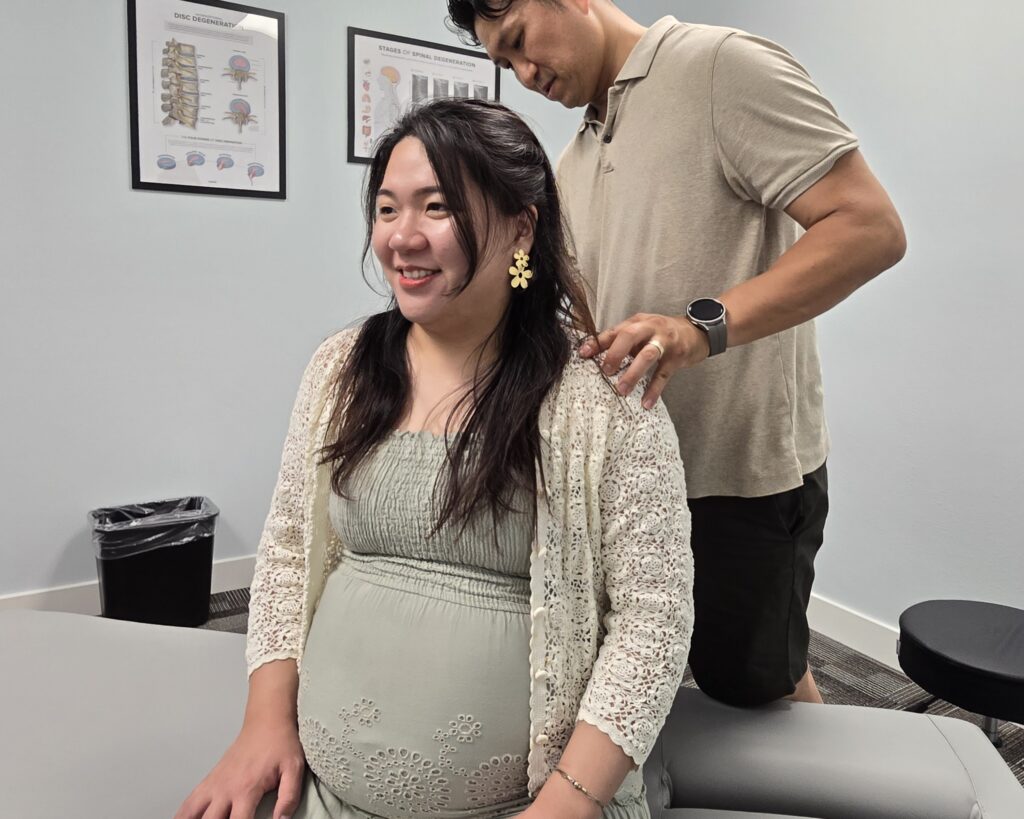

As a chiropractor, I want to emphasize the importance of good posture for your overall health and well-being. Maintaining proper posture can significantly reduce discomfort and pain while also boosting your productivity. Many people believe that correcting posture simply means sitting up straight, but it encompasses much more than that.
There are a variety of techniques you can incorporate into your daily routine, ranging from targeted exercises to thoughtful adjustments in your workspace. Let’s delve into some effective strategies that can truly transform how you feel and function each day. Remember, taking small steps towards better posture can lead to lasting changes in your health.
Understanding the Importance of Good Posture
As a local chiropractor, I want to emphasize the critical role that good posture plays in your overall health and well-being. Maintaining proper alignment in your body isn’t just about looking good; it’s about reducing strain on your muscles and joints, which can help prevent discomfort, headaches, and even chronic pain down the line.
Many people overlook the consequences of slouching. You mightn’t realize that poor posture can significantly affect your physical health. By standing tall and sitting up straight, you not only improve your body’s alignment but also enhance your breathing. This allows more oxygen to flow to your brain, which can enhance your focus and cognitive function.
Additionally, good posture can have a profound impact on your confidence levels. When you present yourself with good posture, you naturally exude self-assurance that others can sense. This can transform your personal and professional interactions, as people are more likely to respond positively to someone who carries themselves with confidence.
Moreover, being mindful of your posture is a proactive approach to preventing future health complications, such as musculoskeletal disorders. By adopting healthy posture habits throughout your daily activities, you’re making a significant investment in your long-term health and longevity.
Simple Exercises to Strengthen Postural Muscles
As a local chiropractor, I want to emphasize the importance of maintaining strong postural muscles for the health of your spine and overall body alignment. Strengthening these muscles can significantly enhance your well-being, and I encourage you to incorporate a few simple exercises into your routine.
One highly effective exercise is the plank. To perform a plank, hold a push-up position while engaging your core muscles for 20-30 seconds. This exercise helps stabilize your spine and strengthen your abdominal muscles.
Another great exercise is wall angels. Stand with your back against a wall, arms raised, and slide them up and down while keeping your back flat against the wall. This not only helps open up your chest but also improves shoulder mobility.
Bridges are also beneficial. Lie on your back with your knees bent and lift your hips toward the ceiling, holding the position for a few seconds. This exercise strengthens your glutes and lower back, which are crucial for good posture.
Lastly, consider incorporating rows with resistance bands into your routine. Aim for 10-15 repetitions of each exercise, two to three times a week.
By consistently practicing these exercises, you can improve your posture and boost your overall strength and stability. Not only will this make you feel more confident, but it will also enhance your comfort in daily activities.
Ergonomic Adjustments for Your Workspace
As a chiropractor, I want to emphasize how crucial proper ergonomics can be for your overall health and well-being, especially if you spend long hours at a desk.
Start by adjusting your chair height so that your feet are flat on the floor. This simple change can help maintain proper alignment of your spine.
Next, make sure your computer monitor is positioned at eye level. This adjustment is vital for reducing strain on your neck and shoulders, which can lead to discomfort and misalignment over time.
By implementing these ergonomic adjustments in your workspace, you can significantly enhance your comfort and support your body’s alignment, ultimately benefiting your overall health.
Chair Height Alignment
As a local chiropractor, I can’t stress enough the importance of proper chair height alignment in your workspace. Many people overlook this crucial factor, but adjusting your chair to the right height can have a significant impact on your overall well-being.
When your chair is at the correct height, your feet should rest flat on the floor, which promotes stability and comfort. Ideally, your knees should be positioned at a 90-degree angle or slightly lower than your hips. This alignment is vital for maintaining good circulation and reducing unnecessary strain on your body.
If you find that your chair is too high, a footrest can be a simple solution to support your feet. On the other hand, if your chair is too low, raising it will help you avoid slouching, which can lead to discomfort and poor posture.
Additionally, it’s important to consider the position of your elbows. They should be at a comfortable angle close to your desk to prevent tension in your shoulders.
Monitor Positioning Guidelines
As a local chiropractor, I want to emphasize the importance of proper monitor positioning in your workspace. This simple adjustment can significantly reduce eye strain and promote good posture, ultimately supporting your overall health and well-being.
Start by positioning your monitor about an arm’s length away. This distance helps to prevent unnecessary strain on your eyes. Ideally, the top of the screen should be at or just below eye level. This ensures that your neck remains in a neutral position, reducing the risk of discomfort or injury.
Additionally, tilting your monitor slightly backward—between 10 to 20 degrees—can help minimize glare and create a more comfortable viewing angle. It’s also crucial to center the screen directly in front of you to avoid any twisting of your body, which can lead to misalignment over time.
If you work with multiple monitors, try to keep them close together and at a similar height. This will help you avoid straining your neck as you shift your gaze between screens.
The Role of Stretching in Posture Correction
As a chiropractor dedicated to helping you achieve optimal health, I want to emphasize the crucial role that stretching plays in correcting posture. Stretching not only enhances flexibility but also alleviates tension in tight muscles that can contribute to poor alignment. By incorporating regular stretching into your routine, you can significantly improve your range of motion, which is vital for maintaining proper posture.
It’s particularly important to focus on key muscle groups that are often affected by everyday habits. Areas such as your chest, shoulders, hip flexors, and hamstrings frequently become tight due to prolonged sitting or poor posture. This tightness can lead to discomfort and misalignment, which is where stretching comes in.
I recommend incorporating both dynamic stretches before physical activities and static stretches afterward for optimal results. For example, chest openers can help counteract rounded shoulders, while hip flexor stretches can relieve tension in your lower back.
Consistency is key to making lasting improvements. I encourage you to make stretching a daily habit—even dedicating just a few minutes each day can lead to noticeable benefits over time.
As you commit to this practice, you’ll likely find that your posture improves, making it easier for you to sit, stand, and move comfortably. By prioritizing stretching, you’re supporting your journey toward better posture and overall well-being, which aligns perfectly with the principles of chiropractic care and natural healing.
Mindfulness and Awareness Techniques
As a chiropractor, I want to share with you the importance of cultivating mindfulness and awareness in your daily life, as it can significantly improve your posture. Many people are unaware of how their body alignment affects their overall well-being. By being more mindful of your body throughout the day, you can identify habits that may be contributing to poor posture.
I encourage you to take regular moments to check in with yourself, especially during common activities like sitting at your desk or scrolling on your phone. Pay attention to how you hold your shoulders, head, and spine. This awareness is the first step toward making positive changes.
Incorporating deep breathing exercises can also be beneficial. These exercises help ground you and promote relaxation, making it easier to maintain proper posture. If you catch your mind wandering or notice your body slumping, gently refocus your attention on your posture.
You might also find it helpful to practice body scans. This technique involves mentally assessing each part of your body to identify areas of tension or misalignment. The more you connect with your physical state, the easier it becomes to make necessary adjustments.
Not only does this increased awareness improve your posture, but it also enhances your overall sense of well-being, making you feel more comfortable and confident in your body. Remember, a well-aligned body is key not just for posture, but for your overall health.
Utilizing Posture Correction Devices and Tools
As a local chiropractor, I want to emphasize the importance of maintaining good posture for your overall health and well-being. One effective way to enhance your posture is by incorporating correction devices and tools into your daily life.
For instance, posture braces can gently pull your shoulders back, serving as a helpful reminder to sit or stand upright. If you spend long hours at a desk, I highly recommend considering ergonomic chairs and desk setups that promote proper alignment. These adjustments can significantly alleviate strain on your body.
Another innovative tool that can greatly benefit you is a posture trainer that vibrates when you slouch. This device provides real-time feedback, guiding you to develop healthier habits in your daily routine.
Additionally, using a lumbar support cushion can help maintain the natural curvature of your spine and reduce lower back strain, which is crucial for those who experience discomfort from prolonged sitting.
I also encourage you to explore posture apps that offer guided exercises and stretches. These can be excellent resources for keeping you accountable in your posture correction journey.
By consistently integrating these devices and tools into your life, you can expect to see improvements not only in your posture but also in your overall comfort and health.