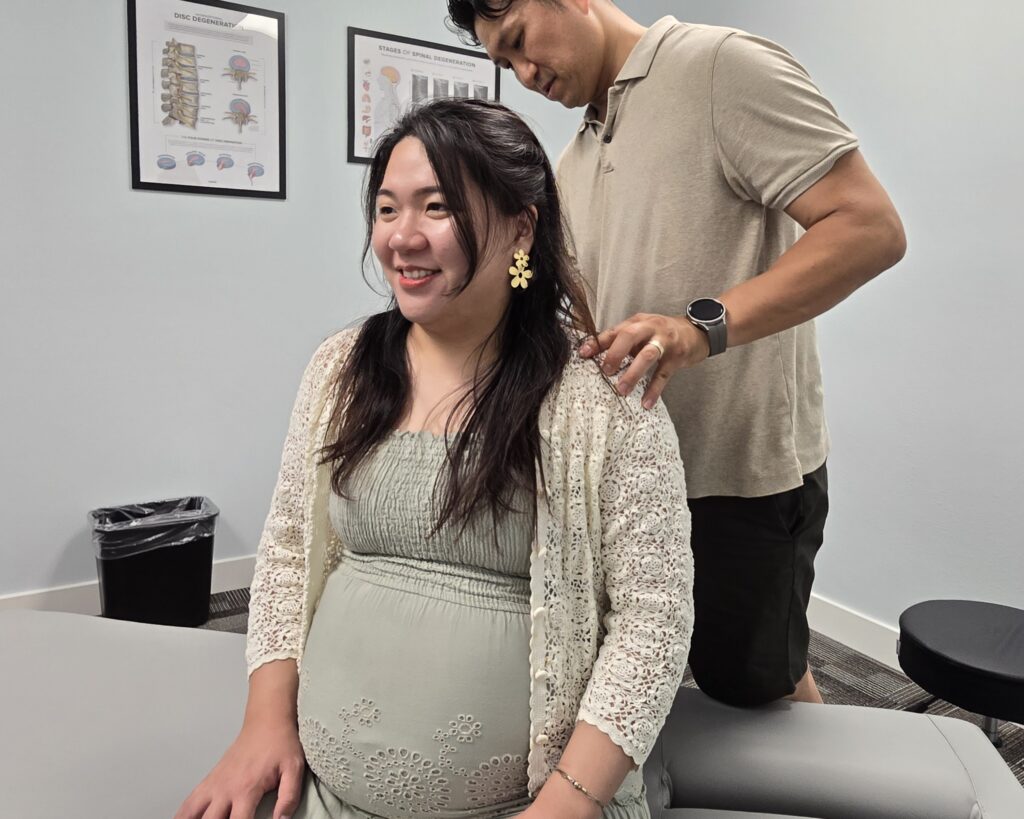

Chronic back pain can significantly impact your daily life, and it’s important to know that you’re not alone in this battle. As a local chiropractor, I want to share some effective techniques that can help you manage and relieve your pain naturally.
Chiropractic care focuses on the relationship between the spine and the nervous system, and through targeted adjustments, we can help alleviate discomfort and improve your overall function. In addition to spinal adjustments, incorporating physical therapy can strengthen the muscles supporting your spine, enhancing your stability and reducing pain.
Mindfulness practices, such as meditation and deep-breathing exercises, can also play a crucial role in managing chronic pain. They can help you develop a greater awareness of your body and reduce stress, which often exacerbates pain.
If you’re curious about how to effectively combine these approaches for lasting relief, I encourage you to explore these options with me. Together, we can create a personalized plan that addresses your specific needs and helps you regain control of your life.
Understanding Chronic Back Pain
As a local chiropractor, I often see patients struggling with chronic back pain, which can feel like an uninvited guest that overstays its welcome. Many of you may be wondering what’s causing this persistent discomfort and what steps you can take to alleviate it.
Chronic back pain can arise from a variety of sources, including muscle strain, poor posture, or even underlying medical conditions. It’s important to recognize that this pain isn’t just a temporary annoyance; it can significantly disrupt your daily life, affecting everything from your mood to your ability to complete everyday tasks.
In my practice, I encourage patients to pay close attention to how certain activities impact their pain levels. Some movements may exacerbate your discomfort, while others might offer you temporary relief. Understanding these patterns is crucial for managing your pain more effectively.
Additionally, I invite you to reflect on how your lifestyle choices—such as your sleeping habits, exercise routines, and stress levels—may be contributing to your back issues. Recognizing these factors is a critical step in addressing chronic back pain.
Through chiropractic care, we can work together to develop personalized strategies that not only relieve your symptoms but also promote a healthier and more active life. Let’s explore how natural healing methods can help restore balance and well-being to your body.
Physical Therapy Techniques
As a local Chiropractor, I want to share how effective physical therapy techniques can be in managing chronic back pain. Many of my patients find great relief through a focus on stretching and flexibility exercises. These are essential for maintaining a healthy range of motion in your spine.
Additionally, strengthening your core muscles plays a crucial role in providing support to your back and enhancing your overall stability.
I also encourage exploring manual therapy techniques, which can be incredibly beneficial. These hands-on approaches help in realigning the spine and reducing tension in the surrounding muscles, leading to improved mobility and decreased discomfort.
Stretching and Flexibility Exercises
As a local chiropractor, I want to share how stretching and flexibility exercises can be a powerful ally in easing your chronic back pain.
These exercises are essential for improving your range of motion, reducing stiffness, and promoting better posture—key components of a healthy spine.
When you gently stretch tight muscles, you can relieve tension in your back, which is often a significant contributor to pain.
By incorporating flexibility exercises into your daily routine, you can also enhance blood flow to your muscles, delivering vital nutrients and promoting the healing process.
Simple movements, such as the cat-cow stretch or gentle spinal twists, can have a remarkable impact on your overall comfort.
It’s important to listen to your body during these exercises—never push yourself too hard.
Consistency is crucial; practicing these stretches every day can lead to lasting relief from discomfort.
With dedication and the right approach, you’ll likely notice that your back feels more relaxed and mobile over time.
Embracing these natural healing methods can be a transformative step in your journey toward better health.
Strengthening Core Muscles
As a local chiropractor, I want to share some important insights on how strengthening your core muscles can significantly alleviate back pain.
A robust core is vital as it provides essential support to your spine, helps reduce strain, and enhances your overall posture.
Here are four effective exercises that you can easily incorporate into your routine to strengthen your core:
- Planks: Start by holding a plank position—keep your body straight and engage your core muscles. Aim to hold this position for 30 seconds to a minute, gradually increasing your time as you build strength.
- Bridges: Lie on your back with your knees bent. Gently lift your hips off the ground, squeezing your glutes and engaging your core throughout the movement. This exercise not only strengthens your core but also helps stabilize your lower back.
- Bird-Dogs: Get into an all-fours position. As you maintain your balance, extend one arm forward while simultaneously extending the opposite leg back. This exercise encourages stability and coordination, which are crucial for spinal health.
- Russian Twists: Sit on the floor and lean back slightly. With or without weights, twist your torso from side to side. This exercise targets your obliques, helping to improve your core strength and rotational stability.
Incorporating these exercises into your daily routine can have a profound impact on relieving back pain and enhancing your overall health.
Manual Therapy Techniques
As a local chiropractor, I want to share how manual therapy techniques can significantly help you if you’re struggling with chronic back pain. These hands-on methods are designed to enhance your mobility and alleviate discomfort through focused manipulation.
The techniques we use, such as soft tissue mobilization, joint mobilization, and myofascial release, are tailored to your unique needs.
During your initial visit, I’ll assess your specific pain areas and apply targeted pressure to relieve tension and restore proper function. Many of my patients find that these therapies lead to improved circulation and reduced muscle spasms, which can make a world of difference in your daily routine.
Regular sessions can help you develop better movement patterns, making everyday activities more manageable and less painful.
It’s important for us to have an open dialogue about your experiences and what feels comfortable for you during our sessions. With your commitment and my guidance, manual therapy can play a vital role in your journey toward pain relief and a more active lifestyle.
Let’s work together to get you feeling your best!
Exercise and Strengthening Programs
As a local chiropractor, I want to emphasize the importance of exercise and strengthening programs in managing chronic back pain. Many patients may not realize that engaging in targeted exercises can significantly improve flexibility, build core strength, and support the spine—all of which can lead to reduced discomfort.
Here are some effective strategies you should consider incorporating into your routine:
- Stretching: Gentle stretches can be incredibly beneficial. They help improve flexibility and relieve tension in your back muscles, making daily activities more comfortable.
- Core Strengthening: It’s crucial to focus on exercises that engage your abdominal and back muscles. Movements like planks or bridges can provide the stability your spine needs, supporting you in your everyday tasks.
- Low-Impact Aerobic Activities: Activities such as walking, swimming, or cycling are excellent choices. They increase blood flow to your muscles, promoting healing while minimizing strain on your back.
- Posture Training: Taking the time to work on your posture, especially during daily activities, can make a significant difference. Good posture reduces stress on your spine and can help alleviate pain.
I always recommend consulting with a healthcare professional before starting any new exercise program. This ensures that the activities you choose are appropriate for your specific condition and can safely complement your chiropractic care.
Together, we can create a holistic approach to managing your back pain and enhancing your overall well-being.
Mindfulness and Relaxation Practices
As a chiropractor, I understand that managing chronic back pain requires a holistic approach that goes beyond just spinal adjustments. One key aspect of your recovery journey is incorporating mindfulness and relaxation practices into your daily routine. These techniques can significantly reduce stress and enhance your overall sense of well-being, which in turn can help alleviate pain.
I recommend starting with deep breathing exercises. By focusing on your breath, you can ground yourself and shift your attention away from discomfort, promoting a sense of calm.
Meditation is another powerful tool in your arsenal. It allows you to cultivate awareness of your body and its sensations, including pain, without judgment. Even dedicating just a few minutes each day to meditation can lead to noticeable improvements.
In addition, gentle yoga or tai chi can be incredibly beneficial. These practices not only enhance mindfulness but also promote flexibility and strength, which are essential for supporting your spine and reducing pain.
Lastly, I encourage you to explore guided imagery. This technique involves visualizing peaceful scenes or experiences, which can help your mind relax and distract from pain sensations.
By regularly integrating these mindfulness and relaxation practices into your life, you can better manage your chronic back pain and improve your overall quality of life.
Alternative Therapies: Acupuncture and Massage
As a local chiropractor dedicated to educating my patients about natural healing options, I want to highlight the benefits of alternative therapies like acupuncture and massage for managing chronic back pain.
These methods aren’t only effective on their own but can also complement traditional chiropractic treatments. Here’s why you should consider exploring these therapies:
- Acupuncture: This ancient technique involves the insertion of thin needles into specific points on the body. It has been shown to enhance blood flow and reduce inflammation, which may help alleviate your back pain.
- Massage: Therapeutic massage is a fantastic way to relieve muscle tension and enhance flexibility. By incorporating massage into your routine, you can experience improved mobility and comfort in your daily activities.
- Holistic Approach: Both acupuncture and massage take a holistic view of health. They aim to treat the entire person, addressing not just the symptoms of pain but also the underlying causes that may contribute to discomfort.
- Stress Reduction: Managing chronic pain can be stressful, but both acupuncture and massage are excellent for promoting relaxation. By reducing stress, you may find that your pain becomes more manageable.
I encourage you to consider integrating these therapies into your overall health strategy.
They offer a well-rounded approach to addressing chronic back pain and improving your overall well-being.
Pain Management Medications
When it comes to managing chronic back pain, it’s important to consider a holistic approach, and that’s where chiropractic care can play a significant role.
While pain relief medications, both over-the-counter and prescription, are options many people turn to, they often don’t address the underlying issues causing the pain. As your local chiropractor, I want to educate you on how natural healing methods can complement or even replace the need for these medications.
Chiropractic care focuses on diagnosing and treating musculoskeletal issues through hands-on adjustments and other techniques. By improving spinal alignment and function, we aim to alleviate pain and promote the body’s natural ability to heal itself.
Understanding the benefits of chiropractic care can empower you to make more informed choices about your pain management strategy.
Let’s explore how we can work together to find the best solutions for your back pain that prioritize your overall health and well-being.
Over-the-Counter Options
As a local chiropractor dedicated to helping you find relief from chronic back pain, I want to share some effective over-the-counter (OTC) pain management options that can complement your chiropractic care and provide you with some immediate comfort.
These medications can be beneficial for managing discomfort without the need for a prescription. Here are some common OTC choices that you might consider:
- Acetaminophen – This medication can help alleviate pain, though it doesn’t target inflammation. It’s a good option if you’re looking for straightforward pain relief.
- Nonsteroidal Anti-Inflammatory Drugs (NSAIDs) – Medications like ibuprofen and naproxen are effective at reducing both pain and inflammation, making them a great choice for more intense discomfort.
- Topical Analgesics – Creams or patches that contain ingredients like menthol or capsaicin can provide localized relief directly at the site of pain, which can be particularly helpful for muscle soreness.
- Combination Products – Some over-the-counter medications combine acetaminophen and NSAIDs for enhanced effectiveness, offering a dual approach to pain management.
While these options can be helpful, it’s essential to always read the labels for proper dosages.
If you’re ever uncertain about which medication is best for your specific situation, I encourage you to reach out to me or another healthcare professional.
Together, we can develop a comprehensive treatment plan that addresses your pain and supports your overall well-being through chiropractic care and natural healing methods.
Prescription Pain Relievers
If you find that over-the-counter pain relievers aren’t giving you the relief you’re looking for, it might be time to explore other options for managing your chronic back pain.
As a chiropractor, I want to emphasize the importance of understanding the various approaches to pain management, including the potential role of prescription pain relievers, which are often stronger than what you can buy at the store.
Many healthcare providers may prescribe nonsteroidal anti-inflammatory drugs (NSAIDs) or opioids based on the severity of your condition. NSAIDs can be effective at reducing both inflammation and pain, while opioids may be necessary for those experiencing more severe discomfort.
However, it’s crucial to approach these medications with caution due to their potential side effects and risks of dependency.
At our chiropractic practice, we focus on a holistic approach to pain management that emphasizes natural healing techniques. Chiropractic adjustments, physical therapy, and lifestyle modifications can often provide significant relief without the need for stronger medications.
It’s important to discuss all of your options with a healthcare provider who understands your unique situation, including the potential benefits of chiropractic care.
Remember, managing chronic back pain is often best achieved through a comprehensive strategy that combines various therapies, rather than solely relying on medication.
I encourage you to consider all available options for pain relief, including natural and non-invasive treatments that can help you regain control over your health and well-being.
Ergonomics and Posture Correction
As a local chiropractor, I want to emphasize the significant impact ergonomics can have on alleviating chronic back pain.
It’s essential to create a workspace that not only promotes comfort but also enhances efficiency in your daily activities. By making some adjustments to your environment and focusing on your posture, you can greatly reduce the strain on your back and improve your overall well-being.
Here are several key tips to help you enhance your ergonomics and support your spine:
- Chair Height: Ensure that your chair provides adequate support for your lower back. Your feet should rest flat on the floor to maintain proper alignment.
- Monitor Level: Set your computer screen at eye level. This adjustment helps prevent hunching and reduces strain on your neck, which is crucial for maintaining good posture.
- Keyboard Placement: Position your keyboard so that it’s at elbow height. This will help you keep your wrists in a neutral position while typing, minimizing the risk of discomfort.
- Frequent Breaks: I encourage you to take regular breaks throughout your day. Stand, stretch, and move around to relieve built-up tension in your muscles and joints.
By incorporating these ergonomic practices into your daily routine, you can support your spine’s health and potentially reduce your reliance on chiropractic adjustments.
Heat and Cold Therapy
As a local chiropractor dedicated to helping you manage chronic back pain, I want to introduce you to the benefits of heat and cold therapy. These natural methods can offer immediate relief and assist in reducing inflammation, complementing the adjustments and care you receive in my office.
Let’s start with heat therapy. Applying heat to your back, whether it’s through a warm towel or a heating pad, can greatly help in relaxing tight muscles and enhancing blood circulation. This improved blood flow promotes healing in the affected areas.
I recommend applying heat for about 15-20 minutes at a time, ensuring that it’s warm but not too hot to avoid any burns.
Cold therapy is another effective approach. It works by numbing the area and decreasing inflammation. For this, you can use an ice pack wrapped in a cloth, applying it for 15-20 minutes, particularly after physical activity or whenever you notice swelling.
A helpful strategy is to alternate between heat and cold therapy based on how your body responds. Pay attention to what feels the best for you; this is crucial for maximizing your comfort and relief.
Both heat and cold therapy are simple yet powerful tools that can enhance your overall pain management plan alongside chiropractic care. Remember, I’m here to guide you on this journey toward wellness!
Lifestyle Modifications for Long-term Relief
As your local chiropractor, I want to share with you some effective lifestyle modifications that can lead to long-term relief from chronic back pain. It’s important to understand that making simple changes in your daily routine can significantly enhance your comfort and overall health.
First, consider setting up an ergonomic workspace. This means ensuring that your desk, chair, and computer setup are designed to support your body’s natural alignment, minimizing strain on your back. Proper posture while working can prevent discomfort and promote better spinal health.
Staying active is another key factor. Regular physical activity strengthens the muscles that support your spine and increases flexibility, which can alleviate pain. Aim for activities that you enjoy, whether it’s walking, swimming, or yoga, as this will make it easier to stay consistent.
Lastly, managing your weight plays a crucial role in your back health. Excess weight can put additional strain on your spine, leading to pain and discomfort. By maintaining a healthy weight through balanced nutrition and exercise, you can reduce this burden and improve your overall well-being.
By implementing these lifestyle changes, you can experience significant improvements in your back health over time. As your chiropractor, I’m here to support you on this journey to a pain-free life through natural healing methods.
Let’s work together to help you feel better in the long run!
Ergonomic Workspace Setup
As a local chiropractor, I want to emphasize how important it’s to create an ergonomic workspace, especially if you’re dealing with chronic back pain.
Proper ergonomics not only promotes better posture but also significantly reduces strain on your body, which can lead to long-term relief.
Here are some essential adjustments you can make to your workspace:
- Chair Height: Ensure your chair is adjusted so that your feet are flat on the floor and your knees form a 90-degree angle. This position helps maintain the natural curve of your spine.
- Desk Position: Your desk should be at elbow height—this allows your arms to rest comfortably while typing, reducing unnecessary tension in your shoulders and neck.
- Monitor Level: Position your monitor at eye level to avoid straining your neck. Ideally, the top of the screen should be at or just below your eye height, helping to keep your head aligned with your spine.
- Keyboard and Mouse: Place your keyboard and mouse within easy reach to prevent overextending your arms. It’s crucial that your wrists remain straight while you work to avoid repetitive strain injuries.
Making these adjustments can greatly enhance your comfort throughout the day and play a significant role in alleviating your back pain.
Remember, taking small steps to improve your workspace can lead to big changes in your overall well-being.
If you have any questions or need further guidance, feel free to reach out for a consultation.
Regular Physical Activity
As a local chiropractor, I want to emphasize the importance of incorporating regular physical activity into your daily routine, especially if you’re dealing with chronic back pain. Engaging in low-impact exercises, such as walking, swimming, or yoga, can significantly strengthen the muscles that support your spine.
These activities not only increase flexibility and improve your posture, but they also enhance blood circulation, which can help alleviate discomfort.
I recommend aiming for at least 150 minutes of moderate exercise each week, and it’s perfectly fine to break this down into smaller, manageable sessions that fit your lifestyle. It’s essential to listen to your body throughout this process; if you feel any pain or discomfort, please stop and consult a healthcare professional for guidance.
In addition to your exercise routine, consider incorporating stretching exercises to maintain flexibility and prevent stiffness in your muscles. Staying active is a key component of managing pain and promoting overall well-being, making daily activities more enjoyable.
As you begin this journey, remember that chiropractic care can also play a vital role in your recovery and health maintenance. Together, we can work towards a pain-free life and improved quality of life.
Healthy Weight Management
As a local chiropractor, I want to emphasize the importance of maintaining a healthy weight, especially for those managing chronic back pain. Carrying excess weight can place additional stress on your spine and the surrounding muscles, which may exacerbate your discomfort.
Here are some effective strategies for achieving and maintaining a healthy weight that can enhance your comfort and mobility:
- Balanced Diet: Aim to incorporate whole foods into your meals, including a variety of fruits, vegetables, lean proteins, and whole grains. It’s beneficial to limit your intake of processed foods and added sugars, as these can contribute to weight gain and inflammation.
- Regular Exercise: Engaging in both aerobic activities and strength training is vital. These exercises not only help you burn calories but also promote muscle development, which supports your spine and improves overall stability.
- Hydration: Staying well-hydrated is essential for your overall health. Drinking plenty of water can help control hunger and support your body’s natural functions, including digestion and metabolism.
- Mindful Eating: Learning to eat mindfully can significantly improve your relationship with food. Focus on portion sizes and take your time while eating. This allows you to better recognize your body’s hunger cues, which can prevent overeating.
By implementing these practices, you may experience long-term relief from pain and enjoy a better quality of life.
When to Seek Professional Help
When should you consider seeking professional help for chronic back pain? As a local chiropractor, I want to emphasize that if your pain persists for more than a few weeks or starts to interfere with your daily activities, it’s important to consult with a healthcare provider, such as a chiropractor.
You should definitely seek help if you experience intense pain that doesn’t improve with home remedies or if you notice the pain radiating down your legs, particularly if it’s accompanied by feelings of numbness or weakness. These symptoms can indicate underlying issues that chiropractic care may be able to address.
Furthermore, if you’re experiencing any bowel or bladder control problems, it’s crucial to seek medical attention immediately, as these could signal a serious condition that requires prompt care.
Additionally, never ignore pain that occurs after an injury or accident; chiropractic treatment can often be beneficial in these cases and may help you recover more effectively.
Lastly, if you find yourself feeling anxious or depressed due to your chronic pain, I encourage you to reach out for support. Chiropractic care not only focuses on alleviating physical discomfort but can also play a role in improving your overall emotional well-being.