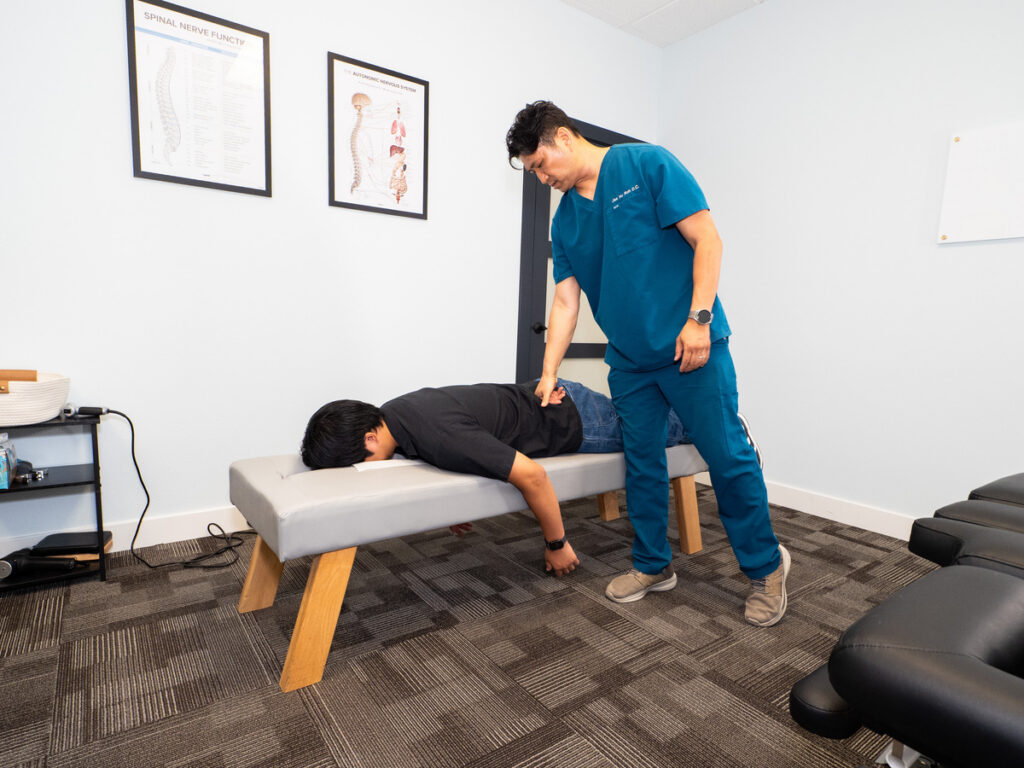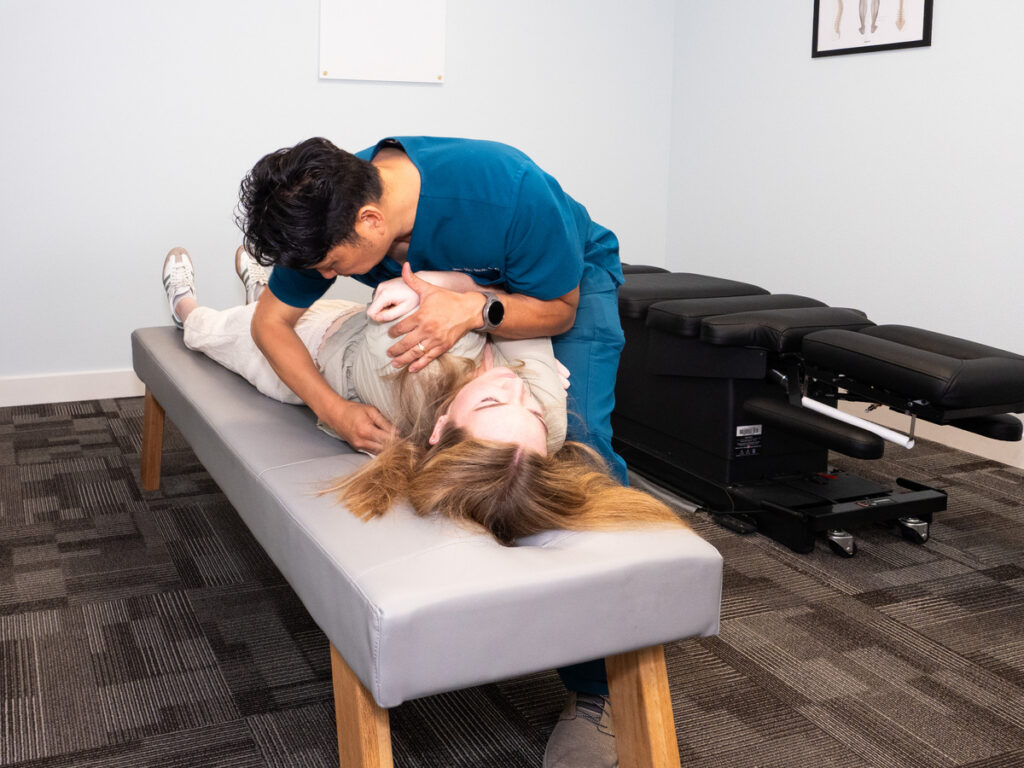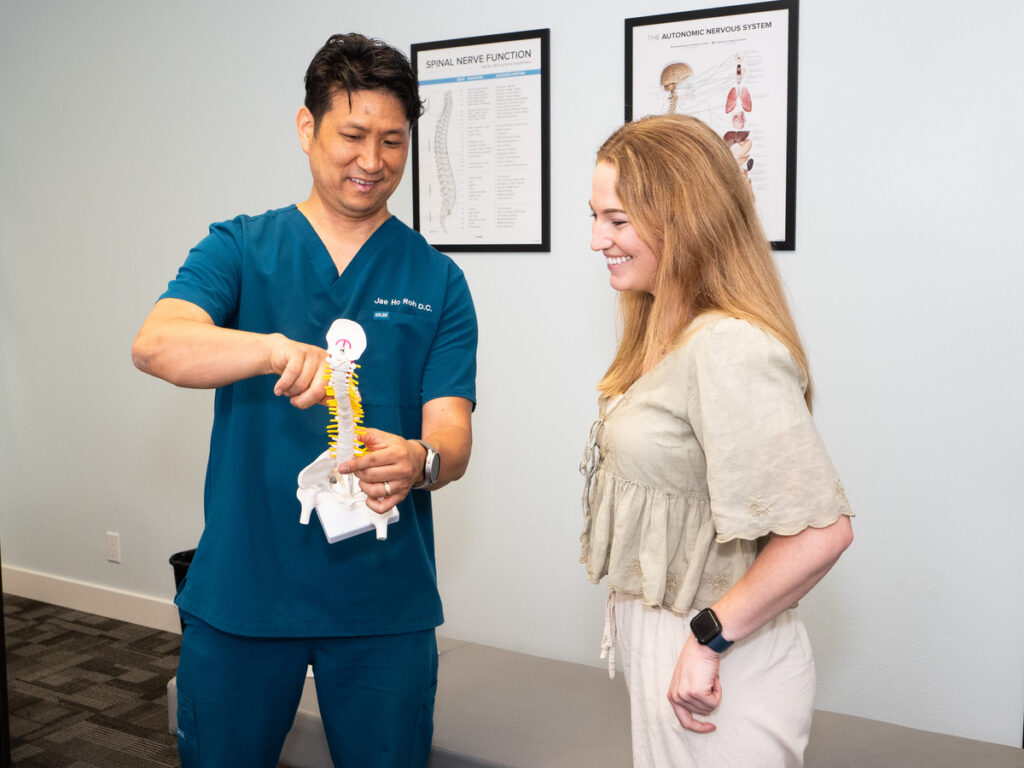

As a local chiropractor, I often meet patients who are struggling with upper back pain and are curious about how chiropractic adjustments can help. It's important to understand that these adjustments do more than just alleviate your symptoms; they also tackle the root causes of your discomfort. By improving spinal alignment and encouraging better posture, chiropractic care can help relieve muscle tension and boost your overall well-being.
Many patients are surprised to learn that chiropractic adjustments can lead to a variety of benefits beyond pain relief. For instance, you may experience increased mobility, improved circulation, and reduced stress levels. Additionally, regular chiropractic care can help prevent future issues by promoting a healthier spine and better body mechanics.
If you're considering chiropractic treatment, it's essential to recognize when to seek help. If you experience persistent upper back pain or discomfort that interferes with your daily activities, it may be time to explore how chiropractic care can support your healing journey. Together, we can work toward enhancing your quality of life and ensuring you feel your best.
Common Causes of Upper Back Pain
As a local chiropractor, I want to help you understand the common causes of upper back pain, which many people experience at some point in their lives. One of the key contributors is poor posture. If you often find yourself slouching at your desk or hunching over your phone, these habits can place significant strain on the muscles and ligaments in your upper back, leading to discomfort that can sneak up on you.
Another common cause is muscle strain. Engaging in physical activities without proper warm-ups or lifting heavy objects incorrectly can put undue stress on your upper back. If you've recently embarked on a new workout routine or tackled a home improvement project, your muscles may be feeling the effects.
Stress and tension are also significant factors that can manifest as upper back pain. When you're under stress, your body tends to tighten, particularly in the shoulders and upper back. You may not even be aware of it, but this constant tension can lead to chronic pain over time.
Injuries from accidents or falls can further contribute to upper back discomfort. For instance, whiplash or a direct impact to the upper back can result in lingering pain that makes everyday activities uncomfortable.
Lastly, certain underlying medical conditions, such as herniated discs or arthritis, can also lead to upper back pain. If you suspect that your pain might be related to a medical issue, it's essential to consult with a healthcare professional.
Understanding these common causes can empower you to take proactive steps toward relief and recovery. As a chiropractor, I believe in the power of natural healing and can provide care and guidance to help alleviate your discomfort and improve your overall well-being.
Importance of Early Intervention
As a local chiropractor, I want to emphasize the importance of early intervention when managing upper back pain. Many people may not realize that ignoring discomfort or postponing treatment can lead to more significant issues down the road. By seeking help early, you can prevent minor problems from evolving into serious conditions that could disrupt your daily life.
When you address upper back pain promptly, you significantly enhance your chances of a quicker and more effective recovery. Often, targeted therapies can alleviate your symptoms before they've the chance to develop into chronic pain. Additionally, by taking action early, you can avoid developing compensatory behaviors, such as poor posture or altered movement patterns, which can lead to further complications.
One of the key benefits of early intervention is that it allows me, as your chiropractor, to identify the underlying causes of your pain more effectively. By pinpointing the root of the problem, I can create a personalized treatment plan tailored to your specific needs. This individualized approach not only helps reduce your pain but also promotes long-term health and well-being.
Furthermore, addressing your upper back pain early can save you from unnecessary medical expenses. By preventing the condition from worsening, you can avoid more invasive treatments or extended periods of therapy, which can put a strain on both your finances and your time.
Benefits of Chiropractic Adjustments
As a local chiropractor, I want to share with you the incredible benefits of chiropractic adjustments, especially for those experiencing upper back discomfort.
These adjustments aren't just about pain relief; they're effective techniques designed to enhance your overall well-being.
When you receive a chiropractic adjustment, you can expect to experience improved posture, which is essential for maintaining a healthy spine.
Additionally, these adjustments can significantly increase your range of motion, making everyday activities such as reaching, bending, and even sitting more comfortable and enjoyable.
By incorporating chiropractic care into your wellness routine, you can take proactive steps towards a healthier lifestyle.
Let me guide you on how these natural healing techniques can support your body and improve your quality of life.
Pain Relief Techniques
As a local chiropractor, I want to share how chiropractic adjustments can significantly help alleviate upper back pain. Many of my patients find that these adjustments offer immediate relief by addressing the underlying causes of their discomfort.
By realigning the spine, we can restore proper motion, which helps reduce tension and inflammation in the surrounding muscles and tissues. After just a few sessions, many individuals notice a substantial decrease in their pain levels.
This relief not only enhances their overall quality of life but also enables them to participate in daily activities without the persistent discomfort that once hindered them. Additionally, chiropractic care often boosts mobility, making it easier for you to move freely and enjoy your favorite activities once again.
I customize treatment plans to meet each patient's unique needs, combining various techniques such as manual adjustments, soft tissue therapy, and targeted exercises. This comprehensive approach addresses your upper back pain holistically, not just focusing on the symptoms but promoting long-term wellness and prevention.
If you're curious about how chiropractic care can benefit you, I invite you to explore this natural healing path with me.
Improved Posture Benefits
As a local chiropractor, I want to share with you the vital connection between posture and your overall health. Many people may not realize that chiropractic adjustments can significantly enhance your posture. When your spine is aligned properly, it becomes easier for you to maintain an upright stance, which helps reduce the strain on your muscles and ligaments.
With improved alignment, you gain the ability to sit, stand, and move more efficiently, which can help prevent fatigue and discomfort throughout your day. Better posture isn't just about physical comfort; it can also have a positive impact on your confidence. Standing tall and straight allows you to project a more positive image, making you feel more self-assured in both social interactions and professional environments.
Another important benefit of good posture is enhanced breathing. When your spine is properly aligned, your lungs can expand fully, improving your oxygen intake and boosting your energy levels.
Chiropractic care goes beyond just relieving pain; it addresses the structural issues that contribute to poor posture. As you undergo adjustments, you may start to notice a gradual improvement in how you carry yourself.
By embracing these benefits, you can lead a healthier, more active lifestyle, making your daily activities easier and more enjoyable.
I encourage you to consider chiropractic care not just for pain relief, but for the transformative benefits that come from improved posture. Your body—and your well-being—will thank you!
Increased Range of Motion
As a local chiropractor, I want to take a moment to share how chiropractic adjustments can significantly enhance your range of motion, which is vital for sustaining an active and fulfilling lifestyle.
Many individuals may not be aware that when your upper back is properly aligned, you can experience a remarkable improvement in your mobility. Simple actions, like reaching for items on a high shelf or turning your head to check your blind spot while driving, become much easier and more enjoyable when you have a greater range of motion.
Chiropractic adjustments work to alleviate stiffness and tension in your muscles and joints. By realigning your spine, we not only help relieve pain but also improve your flexibility.
This newfound freedom means you can participate in exercises, sports, or hobbies without the burden of discomfort holding you back.
Additionally, an increased range of motion can enhance your overall physical performance. You may notice that you recover more quickly from workouts and feel less fatigued throughout the day. This is particularly advantageous for athletes or anyone who enjoys staying active.
I encourage you to consider incorporating regular chiropractic adjustments into your wellness routine. By doing so, you can maintain that essential range of motion, ensuring you stay agile and ready to embrace all that life has to offer.
Let's work together on your journey to better health and mobility!
Role of Physical Therapy
As a local chiropractor, I want to share how chiropractic care plays a vital role in managing upper back pain by addressing the root causes and promoting natural healing.
When you come to see me, I'll conduct a thorough assessment of your posture, movement patterns, and any specific weaknesses or imbalances that may be contributing to your discomfort. This personalized evaluation allows me to create a tailored treatment plan that meets your unique needs.
One key focus of chiropractic care is improving your posture. Many people are unaware that poor posture can significantly contribute to upper back pain. I'll teach you techniques to maintain proper alignment throughout your daily activities, guiding you on how to sit, stand, and lift correctly to reduce strain on your back.
Strengthening the muscles that support your upper back is another essential aspect of my approach. Weakness in these muscles can lead to discomfort and pain, so I'll design specific exercises aimed at building strength and stability in your upper back. Flexibility training will also be incorporated into your routine, relieving tension and enhancing your overall range of motion.
In addition to manual adjustments, I may utilize various therapeutic modalities such as heat, ice, or ultrasound to help alleviate pain and inflammation. These methods can be particularly beneficial during the initial stages of treatment, easing your discomfort and making it easier for you to engage in exercises.
Ultimately, chiropractic care empowers you to take control of your upper back pain. By actively participating in your recovery, you not only relieve current discomfort but also develop strategies to prevent future issues.
This holistic approach ensures that you regain strength and mobility, allowing you to enjoy a more active and pain-free life. Together, we can work towards your wellness goals and help you achieve a healthier, more vibrant lifestyle.
Effective Exercises for Relief
As a local chiropractor, I want to share some valuable insights for those of you experiencing upper back pain. One of the best ways to address this discomfort is through effective exercises that can truly make a difference in your recovery.
First, let's talk about stretching techniques. These are essential for relieving tension in your muscles and improving flexibility. Stretching can help alleviate tightness and promote a sense of ease in your upper back.
Next, it's important to strengthen your upper back muscles. By doing so, you provide better support to your spine, which can help reduce pain and prevent future issues. Strengthening exercises can also contribute to better overall alignment.
Lastly, improving your posture plays a key role in managing upper back pain. Poor posture can lead to muscle strain and discomfort. By focusing on posture correction, you can create a healthier alignment and decrease the likelihood of recurring pain.
Incorporating these strategies into your routine can lead to significant relief. As your chiropractor, my goal is to guide you through these natural healing methods to help you regain your comfort and enhance your overall well-being.
Stretching Techniques for Relief
As a local chiropractor, I often see patients seeking relief from upper back pain. One of the most effective and natural ways to alleviate this discomfort is through stretching techniques. By incorporating regular stretches into your daily routine, you can help reduce tension and enhance your flexibility.
Here are four techniques I highly recommend:
- Cat-Cow Stretch: Begin on your hands and knees in a tabletop position. Inhale deeply while arching your back upward (like a cat), and then exhale as you round your spine downwards (like a cow). Repeat this flow for about 5-10 breaths to help loosen your spine and promote mobility.
- Seated Forward Bend: Sit with your legs extended straight in front of you. Take a deep breath in, reaching your arms overhead, and as you exhale, gently fold forward towards your toes. Hold this position for 15-30 seconds. This stretch not only targets your back but also encourages relaxation.
- Child's Pose: Kneel on the ground and sit back on your heels. Extend your arms forward and rest your forehead on the floor. Hold this comforting position for 30 seconds to help release tension along your back and promote a sense of calm.
- Thoracic Spine Rotations: While seated in a chair, maintain a straight posture. Place one hand behind your head and gently twist your upper body toward that side, using your other hand for support on the chair. Hold this twist for a few seconds, then switch to the other side. This movement helps improve spinal mobility and can alleviate stiffness.
Incorporating these stretching techniques into your routine can be a wonderful complement to chiropractic care, helping you maintain a healthier spine and relieve upper back pain naturally.
Remember to listen to your body and consult with a healthcare professional if you have any concerns.
Strengthening Upper Back Muscles
As a local chiropractor, I want to emphasize the importance of not just stretching but also strengthening your upper back muscles to alleviate pain and improve your overall posture.
Many of my patients find that incorporating specific exercises into their daily routine can significantly enhance their well-being and reduce discomfort.
One effective exercise to start with is the seated row. You can use resistance bands or a cable machine for this. Pull the band or cable towards your torso while maintaining a straight back. I recommend aiming for three sets of 10-15 repetitions. This exercise helps build strength in your upper back, which can alleviate tension.
Another great exercise is the bent-over dumbbell fly. For this, bend slightly at the waist while holding weights in each hand. Lift your arms out to the side and squeeze your shoulder blades together as you do. This movement effectively targets the rear deltoids and rhomboids, which are essential for good posture.
Don't overlook the plank! While this is often regarded as a core exercise, it also engages the muscles in your upper back. Try to hold a plank position for 20-30 seconds, making sure to keep your shoulders away from your ears. This not only strengthens your back but also supports your core stability.
Lastly, wall angels are a fantastic addition to your routine. Stand against a wall with your arms raised and slide them up and down while maintaining contact with the wall. This exercise helps improve both mobility and strength in the upper back.
By integrating these exercises into your routine, you can develop resilience in your upper back, ultimately reducing discomfort and promoting better alignment.
Posture Improvement Strategies
As a local chiropractor, I want to emphasize how crucial good posture is for preventing upper back pain and enhancing your overall well-being. Many of my patients are surprised to learn that simple exercises can significantly improve their posture and alleviate discomfort.
Here are four strategies I recommend for you to consider:
- Wall Angels: This exercise is a great way to engage your upper back. Stand with your back against a wall, keeping your arms bent at a 90-degree angle. Slowly slide your arms up and down against the wall. This movement strengthens the upper back and encourages better shoulder mobility, which is essential for maintaining proper alignment.
- Chest Stretch: To counteract the common forward hunch many of us develop from sitting or using devices, stand tall and clasp your hands behind your back. As you gently pull your shoulders back and lift your hands upward, you'll be opening up your chest. This stretch helps to realign your posture and can reduce tension in your upper body.
- Seated Rows: Using a resistance band or cable machine can be particularly beneficial. While seated with a straight back, pull the band towards your chest, focusing on squeezing your shoulder blades together. This exercise not only strengthens your upper back muscles but also reinforces the foundational support needed for good posture.
- Cat-Cow Stretch: This dynamic stretch is excellent for increasing flexibility and relieving tension. Start on all fours and arch your back up into the "Cat" position. Then, dip your back down while lifting your head into the "Cow" position. This movement can help nurture spinal health and promote a natural range of motion.
By incorporating these exercises into your routine regularly, you can take proactive steps towards maintaining good posture and effectively reducing upper back pain.
Lifestyle Changes for Prevention
As a local chiropractor, I want to share with you some simple lifestyle changes that can significantly help prevent upper back pain. Many people are unaware of how their daily habits can impact their spinal health, and I'm here to guide you through some effective strategies.
First and foremost, staying active is crucial. Engaging in regular exercise not only strengthens your muscles but also enhances your flexibility, which plays a vital role in supporting your spine. I recommend aiming for at least 30 minutes of moderate activity most days—whether that's walking, swimming, or practicing yoga.
Additionally, incorporating strength training exercises can fortify the muscles surrounding your back and core, providing better support for your spine.
Next, let's talk about your sitting habits. If you spend a lot of time at a desk, it's essential to invest in an ergonomic chair that offers proper lumbar support. Adjusting your computer screen to eye level is also important to prevent unnecessary strain on your neck and back.
Remember to take breaks every hour to stand, stretch, and move around. These small adjustments can make a significant difference.
Evaluating your sleeping position is another key aspect. A supportive mattress and pillow can greatly influence how your back feels. Consider sleeping on your side with a pillow between your knees or on your back with a small pillow beneath your knees to maintain optimal spinal alignment.
Additionally, be mindful of your daily habits. If you often carry a heavy bag, switching to a backpack with padded straps and ensuring the weight is evenly distributed can alleviate stress on your back.
When lifting objects, always bend your knees and keep the load close to your body to avoid straining your back.
Lastly, managing stress is crucial for preventing upper back pain. High stress can lead to muscle tension in your back. Incorporating relaxation techniques such as meditation, deep breathing, or gentle stretching into your routine can help relieve that tension.
When to Seek Professional Help
As a local chiropractor, I want to emphasize the importance of recognizing when to seek professional help for upper back pain, especially if you're not familiar with chiropractic care and natural healing.
Many people may feel inclined to tough it out or dismiss their discomfort, but there are specific signs that indicate it's crucial to consult a healthcare professional.
Here are four key situations where reaching out for help is essential:
1. Persistent Pain: If you've been experiencing upper back pain that lingers for more than a few weeks or seems to be getting worse, this could be an indication that there's a more serious issue at hand.
It's vital to address this early on to prevent further complications.
2. Limited Mobility: When your upper back pain starts to hinder your daily activities—whether it's bending, lifting, or even sitting comfortably—it's a clear sign that you should seek a professional assessment.
Chiropractic care can help restore your mobility and relieve discomfort.
3. Numbness or Tingling: If you notice symptoms like numbness, tingling, or weakness in your arms or legs, this could suggest nerve involvement.
It's important to address these symptoms promptly, and a chiropractor can provide the necessary evaluation and treatment to address any underlying issues.
4. Accompanying Symptoms: If your upper back pain is accompanied by concerning symptoms such as fever, unexplained weight loss, or changes in bowel or bladder function, don't wait to seek help.
These may be signs of a more serious condition that requires immediate attention.
In these situations, a professional evaluation can help identify the root cause of your pain and create an effective treatment plan tailored to your needs.
Ignoring these warning signs could lead to chronic issues or further complications, so don't hesitate to reach out for assistance when you need it.
Your health and well-being are paramount, and chiropractic care is here to support you on your journey to recovery!
Conclusion
As a local chiropractor, I want to share with you the potential benefits of chiropractic adjustments for alleviating upper back pain. Many people are unaware that these adjustments can address the underlying causes of discomfort while promoting proper spinal alignment. This not only helps relieve pain but also enhances your overall well-being.
Incorporating chiropractic care into your routine, alongside physical therapy, targeted exercises, and healthy lifestyle changes, can yield the best results. It's important to remember that if your pain continues or intensifies, seeking professional assistance is crucial. Your health is a priority, and taking proactive steps now can lead to significant long-term improvements in your quality of life. Let's work together to help you feel your best!