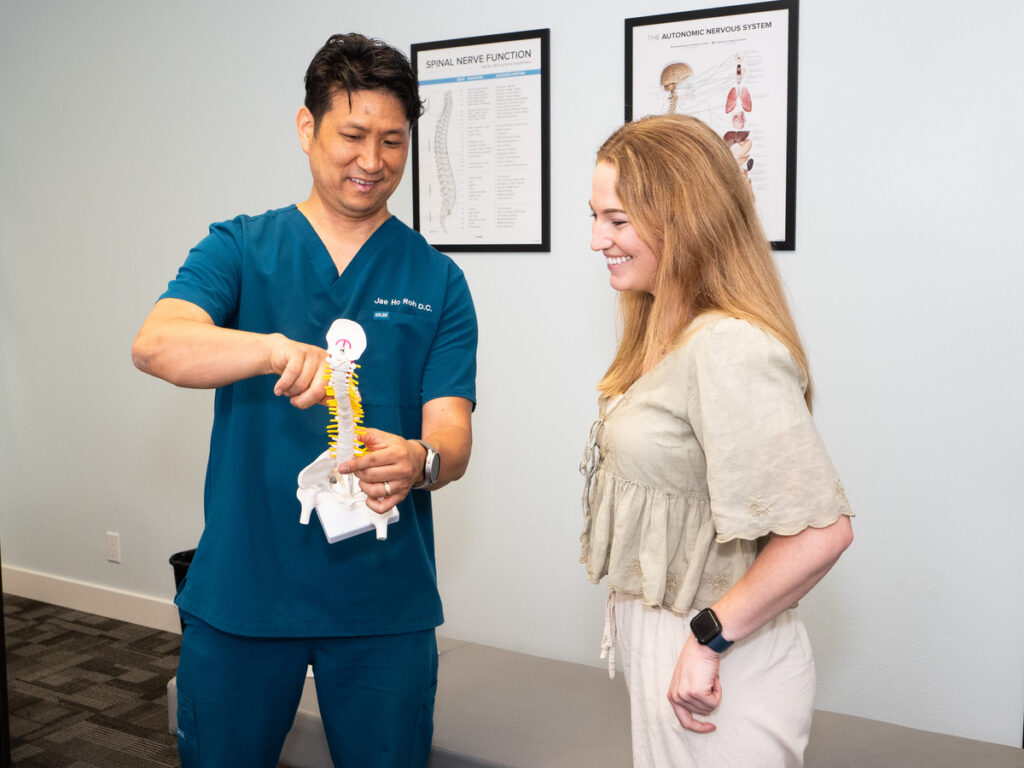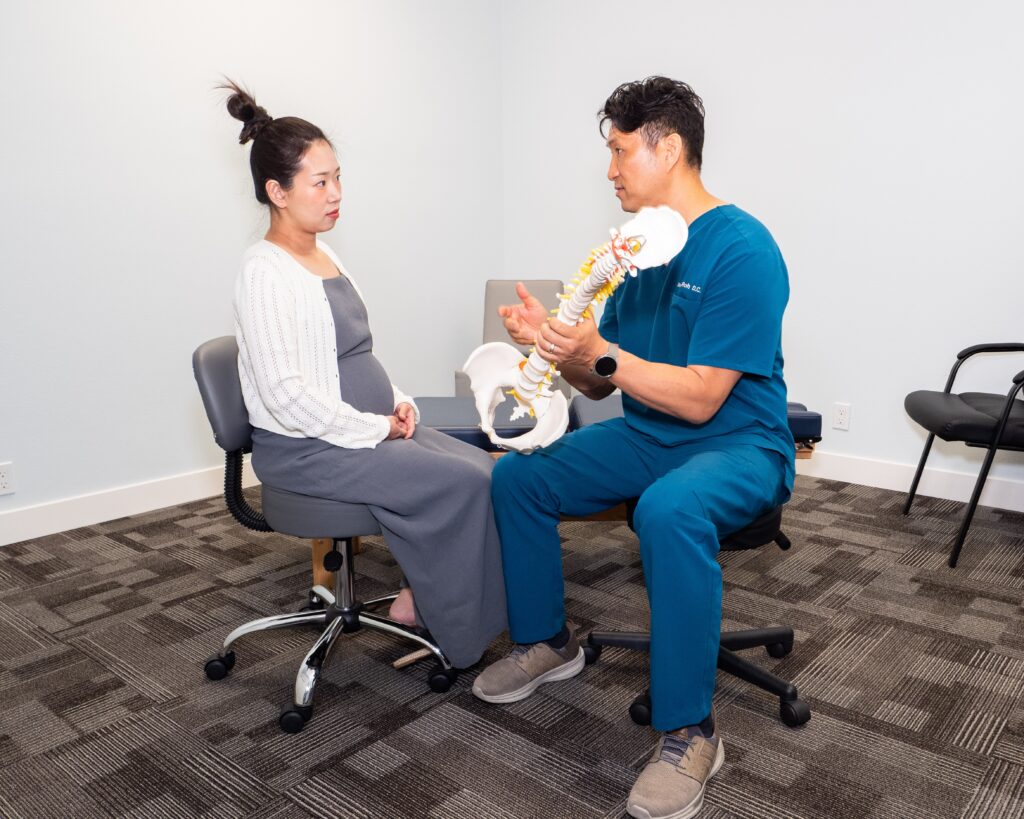

Care is essential in alleviating migraines, particularly through the emotional and social support that can reduce feelings of isolation and anxiety. This connection between the mind and body highlights how emotional well-being can affect physical symptoms, including those pesky migraines. So, what specific aspects of care can help relieve migraines? Understanding this can provide you with valuable insights to manage your condition more effectively.
Chiropractic care stands out as a natural and effective approach to managing migraines. By focusing on spinal health, chiropractors can help improve the alignment of your spine, which may alleviate tension and stress in the body. When your spine is properly aligned, it can enhance your overall nervous system function and promote better communication between your brain and body, potentially reducing the frequency and intensity of migraine attacks.
Additionally, regular chiropractic adjustments can help relieve muscle tension and improve blood flow, both of which are vital in preventing migraines. Incorporating lifestyle changes such as maintaining good posture, staying hydrated, and managing stress through relaxation techniques can also be beneficial.
Here are a few tips to consider for migraine relief:
- Stay Hydrated: Dehydration can trigger migraines, so make sure to drink plenty of water throughout the day.
- Manage Stress: Incorporate relaxation techniques such as deep breathing, meditation, or yoga into your daily routine to help reduce stress levels.
- Maintain Good Posture: Pay attention to your posture while sitting, especially if you work at a desk. Proper alignment can help alleviate tension in your neck and shoulders.
- Regular Chiropractic Visits: Consistent chiropractic care can help keep your spine aligned and your body functioning optimally, which may decrease the likelihood of migraine occurrences.
By prioritizing chiropractic care and these simple lifestyle adjustments, you can take proactive steps towards achieving better health and potentially reducing the impact of migraines on your life. Remember, natural wellness is about finding the right balance for your body, and chiropractic care can be a key component of that journey.
Key Takeaways
- Emotional support from friends, family, and support groups can significantly help reduce feelings of isolation and manage the stress that often accompanies migraines. Remember, having a strong support system can make a world of difference in your overall well-being.
- Chiropractic care plays a vital role in enhancing your physical alignment. By addressing misalignments in the spine, chiropractic adjustments can reduce muscle tension and promote relaxation, which are essential for alleviating migraine symptoms.
- Incorporating stress-reduction techniques like yoga and meditation into your daily routine is beneficial. These practices can lower anxiety levels and help you identify and minimize potential migraine triggers. A calm mind often leads to a more relaxed body.
- The power of physical touch, such as through therapeutic massage, can also be incredibly effective. Massage helps release oxytocin, a hormone that fosters feelings of safety and can reduce anxiety associated with migraines. Consider scheduling regular massages to help ease tension.
- Adopting a holistic approach to your health, which includes lifestyle changes and self-care practices, empowers you to manage migraine triggers effectively. This could involve staying hydrated, maintaining a balanced diet, and creating a consistent sleep schedule. By focusing on your overall wellness, you may find that your migraines become less frequent and less intense.
Incorporating these strategies, especially chiropractic care, can lead you to a healthier, more balanced life, free from the burden of migraines. Remember, your journey to wellness starts with taking small, manageable steps every day!
The Role of Emotional Support in Migraine Management
When you’re managing migraines, emotional support can greatly enhance your overall well-being and resilience. It’s essential to have someone who understands your challenges, as it helps reduce feelings of isolation. Friends, family, or even support groups can offer the encouragement and empathy you need, reminding you that you’re not alone in your journey.
Sharing your experiences can also be a therapeutic outlet, helping to release built-up frustration and stress, which are known migraine triggers. This emotional expression can be an important part of managing your pain and maintaining a positive mindset.
Having someone to listen can significantly ease anxiety, making it easier to cope with symptoms. Additionally, your loved ones can assist with practical tasks during a migraine attack, allowing you to concentrate on your recovery.
Building a strong support network is key. It empowers you to tackle challenges head-on, enhancing your overall well-being.
Alongside seeking emotional support, consider incorporating chiropractic care into your wellness routine. Chiropractic adjustments can help alleviate physical tension that may contribute to migraines and promote natural healing in your body.
Remember, staying hydrated, practicing relaxation techniques, and maintaining a healthy diet can also play vital roles in reducing migraine frequency.
Understanding the Mind-Body Connection
Understanding the mind-body connection is crucial for effectively managing migraines and achieving optimal health. As a chiropractor, I want to emphasize how your emotional well-being can significantly impact your physical symptoms. Stress can exacerbate migraine pain, so incorporating stress reduction techniques into your daily routine is essential.
One of the best ways to relieve tension and promote relaxation is through chiropractic care. By addressing spinal misalignments, chiropractic adjustments can help improve your overall nervous system function, which can lead to better emotional balance and reduced migraine frequency.
Additionally, don’t underestimate the power of physical touch. Whether it’s through a supportive hug from a loved one or a gentle chiropractic adjustment, touch can help ease tension and promote a sense of well-being.
Here are some simple tips to help you manage migraines naturally:
- Stay hydrated – Drink plenty of water throughout the day.
- Maintain a regular sleep schedule – Aim for consistent sleep patterns to support your body’s natural rhythms.
- Practice relaxation techniques – Consider yoga, meditation, or deep breathing exercises to help manage stress.
- Schedule regular chiropractic visits – Regular adjustments can help keep your spine aligned and your nervous system functioning optimally.
Emotional Well-being’s Impact
Emotional well-being plays a significant role in the occurrence and severity of migraines, highlighting the important connection between the mind and body.
Stress, anxiety, or depression can trigger physical reactions in your body, which may lead to more frequent migraine episodes. Your emotional state influences brain chemistry and how you experience pain. When you’re feeling positive, your body releases endorphins that can help reduce pain perception. On the other hand, negative emotions can increase sensitivity to pain, making migraines more likely.
Chiropractic care can be an excellent way to support your emotional and physical health. By aligning the spine and improving nervous system function, chiropractic adjustments can help alleviate tension and promote overall well-being, which may reduce the frequency of migraines.
In addition to chiropractic treatment, there are several practical tips you can incorporate into your daily life to enhance your emotional resilience and potentially lessen migraine triggers:
- Practice Self-Care: Dedicate time for yourself each day to engage in activities that bring you joy and relaxation, whether that’s reading, meditating, or spending time outdoors.
- Build Supportive Relationships: Surround yourself with supportive friends and family who can help you navigate stress and emotional challenges.
- Cultivate a Positive Mindset: Try to focus on positive thoughts and gratitude. Keeping a journal can be a great way to reflect on the good things in your life.
- Stay Active: Regular physical activity can help reduce stress and improve mood. Even a daily walk can make a big difference.
- Mindful Breathing: Incorporate deep breathing exercises into your routine. They can help calm your mind and reduce stress levels.
Stress Reduction Techniques
Stress is a common trigger for migraine episodes, and finding effective ways to manage stress can significantly enhance your overall health and well-being. One of the best approaches to reducing stress is through chiropractic care. Regular chiropractic adjustments can help align your spine, improve nervous system function, and promote relaxation, ultimately leading to a reduction in tension and stress levels.
In addition to chiropractic adjustments, consider incorporating mindfulness or meditation into your routine. These practices encourage you to focus on the present moment, which can help alleviate anxiety. Deep breathing exercises are also effective; simply inhale deeply through your nose, hold for a few seconds, and then exhale slowly. This can help calm your mind and body.
Engaging in regular physical activity, such as walking or yoga, can be incredibly beneficial. Not only does it release endorphins—your body’s natural painkillers—it also helps to relieve stress. Plus, chiropractic care can enhance your physical activity by improving your mobility and posture, making it easier for you to stay active.
Another helpful tip is to journal your thoughts and feelings. Writing down your emotions can help you process them constructively and reduce stress.
Prioritizing adequate sleep and maintaining a balanced diet are also essential for building resilience against stress.
By integrating these stress reduction techniques into your daily routine and complementing them with chiropractic care, you’ll likely see a positive impact on the frequency and intensity of your migraine episodes.
Physical Touch Benefits
When you experience physical touch, your body responds in remarkable ways that can significantly enhance your mental and emotional well-being. Touch stimulates the release of oxytocin, often referred to as the “love hormone,” which fosters feelings of safety and helps to reduce anxiety. This increase in oxytocin can be particularly beneficial for those suffering from migraines, as it helps lower stress levels and elevate your mood.
Gentle touch, such as a comforting hug or a soothing massage, can also activate your body’s relaxation response. This is crucial for easing muscle tension and decreasing pain perception. These simple yet effective experiences can ground you, creating a powerful sense of connection and helping you feel more at ease.
As a chiropractor, I encourage you to embrace physical touch as a natural tool for wellness. Chiropractic care focuses on promoting optimal health through the alignment of the spine and supporting the body’s natural healing processes. By ensuring your spine is in alignment, you enhance your overall nervous system function, which can further support your body’s ability to manage pain and stress.
Here are a few tips to incorporate into your routine for better health and wellness:
- Regular Chiropractic Visits: Schedule regular appointments to maintain spinal health, which can improve your body’s overall function and resilience against pain.
- Mindful Touch: Engage in activities that involve gentle touch, like practicing yoga or tai chi, which promote relaxation and connection to your body.
- Establish Supportive Relationships: Don’t underestimate the power of a hug or a friendly touch from a loved one. These interactions can provide emotional comfort and help reduce stress.
- Practice Relaxation Techniques: Incorporate deep breathing or meditation into your daily routine to enhance the benefits of physical touch and reduce tension.
By focusing on these natural methods, you can create a sustainable approach to health and wellness that supports your body and mind, helping you tackle issues like migraines without the need for medications or invasive procedures.
Embrace the healing power of touch and chiropractic care as your allies in achieving optimal health.
The Impact of a Calming Environment
Creating a calming environment can significantly help in managing migraines and enhancing your overall wellness. As a chiropractor, I often emphasize the importance of a serene space in conjunction with spinal health to promote relaxation and reduce tension.
When you fill your surroundings with soothing elements, you send a message to your brain to unwind, which can alleviate stress that may trigger migraines.
Here are some simple tips to create a calming environment:
- Lighting: Use dim lighting to create a soft atmosphere. Bright lights can strain your eyes and contribute to headaches, so opt for lamps with warm bulbs or natural light whenever possible.
- Colors: Soft, muted colors in your space can help create a peaceful ambiance. Consider painting your walls in gentle hues or incorporating these colors through your decor.
- Clutter-Free Space: Keep your environment organized and clutter-free. A tidy space reduces distractions and promotes a sense of calm, which is essential for both your mental and physical health.
- Calming Scents: Introduce calming scents like lavender or chamomile into your environment. Essential oils or scented candles can enhance your sense of peace and relaxation.
- Natural Elements: Incorporate plants or small water features into your space. The presence of greenery can improve air quality and bring a sense of tranquility. The sound of running water can also help mask stressful noises, creating a serene backdrop for your day-to-day life.
- Comfortable Temperature: Ensure your space is at a comfortable temperature. Being too hot or too cold can lead to discomfort, which may trigger migraines.
Lastly, while these tips can contribute to your overall wellness, regular chiropractic care plays a vital role in maintaining optimal health.
Chiropractic adjustments can help relieve tension in your spine and nervous system, which can further reduce the frequency and intensity of migraines. By combining a calming environment with chiropractic care, you can take proactive steps towards a healthier, pain-free life.
Physical Touch and Its Soothing Effects
When you’re dealing with a migraine, you might be surprised to learn that physical touch can be a powerful ally in finding relief. Techniques such as gentle massage or applying a warm compress can significantly ease the tension in your muscles, which is often a contributing factor to headaches.
Additionally, incorporating aromatherapy can enhance your relaxation experience, promoting a greater sense of well-being.
As a chiropractor, I believe in the importance of a holistic approach to health and wellness. Regular chiropractic care not only addresses spinal alignment but also promotes overall body function, helping to reduce the frequency and intensity of migraines.
By ensuring that your spine is in optimal condition, you can help alleviate the tension that may lead to headaches.
Here are some simple tips to help manage migraines naturally:
- Stay Hydrated: Drink plenty of water throughout the day to prevent dehydration, which can trigger migraines.
- Practice Good Posture: Maintaining proper posture can reduce strain on your neck and back, minimizing headache triggers.
- Regular Adjustments: Consider scheduling regular chiropractic adjustments. This can help maintain spinal health and reduce tension that may lead to migraines.
- Mindfulness and Relaxation: Incorporate relaxation techniques such as deep breathing, meditation, or yoga into your daily routine. These practices can help reduce stress, a common migraine trigger.
- Dietary Considerations: Pay attention to your diet. Certain foods may trigger migraines for some individuals. Keeping a food diary can help you identify and eliminate these triggers.
By exploring these methods and incorporating chiropractic care into your wellness routine, you can find comfort and support during painful episodes, ultimately leading to a healthier, more vibrant life.
Benefits of Gentle Massage
Gentle massage is a wonderful complement to chiropractic care when it comes to alleviating migraine symptoms. The physical touch of massage can promote relaxation and reduce tension throughout the body, which is essential for overall wellness.
If you’re struggling with migraines, consider incorporating gentle massage into your routine along with chiropractic adjustments. Here are some benefits you might experience:
- Increased Blood Flow: Just like chiropractic adjustments, massage helps stimulate circulation. This increase in blood flow delivers much-needed oxygen and nutrients to your muscles, promoting healing and comfort.
- Reduced Muscle Tension: A gentle massage can target tight areas in your body, relieving pressure and easing discomfort associated with migraines. When combined with chiropractic care, you may find even greater relief as both approaches work to align your spine and improve muscle function.
- Enhanced Relaxation: The calming effects of gentle touch can significantly lower stress levels. High stress is often a trigger for headaches, so incorporating gentle massage can be a proactive way to help prevent future episodes.
- Improved Sleep Quality: Regular massage, alongside chiropractic adjustments, can lead to better sleep. Quality sleep is crucial for your body to heal and recover effectively, allowing you to tackle your daily activities with renewed energy.
Incorporating gentle massage into your wellness routine can be highly beneficial, especially when paired with chiropractic care.
Warm Compress Therapy
Warm compress therapy is a wonderful, natural way to ease migraine pain, utilizing the healing benefits of physical touch. By applying gentle warmth to your forehead or neck, you can effectively alleviate tension and encourage relaxation. This soothing heat not only feels great but also promotes better blood flow, which can significantly reduce the intensity of your headaches.
| Benefit | How It Helps | Tips for Use |
|---|---|---|
| Reduces Tension | Eases muscle tightness | Use a warm towel or a heating pad to apply warmth comfortably |
| Relieves Pain | Increases blood circulation | Ensure the compress is warm, not hot, to avoid discomfort |
| Promotes Relaxation | Encourages a calm state of mind | Pair this therapy with deep breathing exercises for added relief |
| Enhances Comfort | Provides a soothing sensation | Apply the warm compress for 15-20 minutes for optimal benefits |
| Easy to Use | Simple and requires minimal effort | Find a quiet, comfortable space to maximize relaxation during use |
Incorporating warm compress therapy into your routine can be a beneficial complement to your chiropractic care. At our practice, we focus on natural healing methods that help you achieve optimal health without the need for medications or invasive procedures. Remember, chiropractic adjustments can also play a crucial role in reducing tension and improving your overall well-being. If you’re experiencing persistent headaches or migraines, consider discussing these natural strategies with your chiropractor to enhance your journey toward health and wellness.
Aromatherapy and Touch
Building on the soothing effects of warm compress therapy, incorporating aromatherapy and gentle touch can significantly enhance your migraine relief. These practices, when added to your routine, create a calming environment that can help ease tension and discomfort, complementing the benefits of chiropractic care.
Here are some practical ways to utilize aromatherapy and touch effectively:
- Essential Oils: Consider using lavender or peppermint oil in a diffuser to promote relaxation. These oils are known for their calming properties, which can help reduce headache symptoms.
- Massage Techniques: A gentle massage of your temples, neck, and shoulders can relieve muscle tightness that often accompanies migraines. This tactile approach is a great addition to chiropractic adjustments, helping to improve blood flow and reduce tension.
- Inhalation Practices: Inhaling the scent of essential oils directly can be beneficial for alleviating nausea or headaches. This simple practice can be done almost anywhere and serves as a quick relief method.
- Warm Baths: Adding a few drops of essential oils to a warm bath can create a soothing experience. This not only relaxes your body but also helps to create a peaceful state of mind, which is essential for recovery.
Remember, while these techniques can be helpful, they work best in conjunction with chiropractic care, which addresses the root causes of pain and tension in the body.
The Importance of Communication and Listening
Effective communication and active listening are crucial not only for understanding migraines but also for supporting individuals who experience them. As a chiropractor, I believe that fostering a dialogue about health can empower patients and lead to better wellness outcomes.
When you take the time to listen, you create a safe environment where people can share their migraine experiences, triggers, and symptoms. This understanding builds empathy, which is essential when someone is enduring the pain and discomfort of a migraine. Remember, every individual’s experience is unique, and being attentive can help you grasp the full picture.
By asking open-ended questions, you encourage a conversation that may help identify patterns in their headaches and discover natural solutions that can alleviate their suffering. It’s important to validate their feelings—acknowledging their pain shows you genuinely care and want to help.
Additionally, clear communication allows you to express your own feelings and limitations, ensuring that both you and your chiropractor are aligned in your wellness journey. This mutual understanding strengthens your relationship with your chiropractor and creates a more supportive healing environment.
As you explore ways to manage migraines naturally, consider some general tips:
- Stay hydrated: Dehydration can trigger headaches, so make sure to drink plenty of water throughout the day.
- Maintain a consistent sleep schedule: Regular sleep patterns can help reduce the frequency of migraines.
- Practice stress-relief techniques: Activities like yoga, meditation, or deep-breathing exercises can help manage stress, a common migraine trigger.
- Explore chiropractic care: Regular adjustments can improve spinal alignment and overall nervous system function, which may help reduce migraine frequency and intensity.
Ultimately, prioritizing communication and active listening, along with these natural wellness tips, can make a significant difference in managing migraines. Chiropractic care stands out as a holistic approach to achieving optimal health and wellness, allowing you to live a healthier, pain-free life.
Exploring Alternative Therapies: Care as Treatment
While traditional treatments for migraines often focus on medication, exploring alternative therapies such as chiropractic care can provide a more holistic approach to health and wellness. Chiropractic care addresses the root causes of pain, particularly through spinal adjustments, which can enhance your overall well-being and potentially reduce the frequency and intensity of migraine attacks.
Here are a few alternative therapies to consider, with a focus on the benefits of chiropractic care:
- Chiropractic Adjustments: Regular spinal adjustments can improve spinal alignment and promote proper nerve function, which may help alleviate migraine symptoms by reducing tension and improving blood flow.
- Mindfulness and Meditation: Incorporating mindfulness techniques into your daily routine can reduce stress, a common trigger for migraines. These practices encourage relaxation and can complement chiropractic care by promoting a sense of calm.
- Herbal Supplements: While I focus on chiropractic care for natural healing, some patients find that certain herbal supplements, like butterbur and feverfew, may support their overall health. It’s always best to discuss any supplements with a healthcare provider to ensure they align with your wellness goals.
- Yoga and Stretching: Gentle movement through yoga and stretching can improve flexibility and reduce muscle tension, which might contribute to migraine relief. Pairing these practices with chiropractic adjustments can enhance your body’s ability to manage stress and tension.
In addition to these therapies, here are some general tips to support your migraine management and overall health:
- Stay hydrated: Drinking plenty of water can help prevent dehydration, a potential migraine trigger.
- Maintain a regular sleep schedule: Consistent sleep patterns can contribute to better overall health and may help reduce migraine frequency.
- Keep a migraine diary: Tracking your symptoms, triggers, and the effectiveness of treatments can empower you and your chiropractor to create a personalized care plan.
Building a Supportive Network
Building a Supportive Network for Migraine Management
Managing migraines can be challenging, but having a supportive network can make a world of difference. Surrounding yourself with understanding friends, family, and healthcare providers, especially chiropractors, can provide both the emotional and practical support you need. They can help you identify triggers, find distractions during painful episodes, and encourage you to prioritize self-care.
Here’s a quick overview of how your support network can contribute to your migraine management:
| Friends & Family | Chiropractors | Online Communities |
|---|---|---|
| Offer emotional support | Provide natural pain relief strategies | Share experiences and wellness tips |
| Help with daily tasks | Educate you on spinal health and posture | Foster a sense of belonging and support |
| Encourage healthy habits | Monitor your progress and adjust care | Provide 24/7 insights and advice |
Building a network takes time, but it can lead to improved emotional resilience and effective pain management. Chiropractic care, in particular, focuses on the spine and nervous system, which plays a crucial role in overall wellness. Regular adjustments can alleviate tension and misalignments that may contribute to migraine episodes.
Don’t hesitate to reach out and create connections that uplift you during challenging times. Remember, prioritizing your health and seeking natural approaches, like chiropractic care, can lead you toward a more balanced and pain-free life. Consider simple self-care tips, like maintaining good posture, staying hydrated, and practicing relaxation techniques to complement your journey to wellness.
The Science Behind Care and Pain Relief
Understanding the science behind care and pain relief can truly empower you to make informed choices for managing migraines, especially through chiropractic care. When you embrace chiropractic treatment, various biological and psychological mechanisms come into play, enhancing your overall well-being. Here’s how chiropractic care can help:
- Release of Endorphins: Chiropractic adjustments and physical touch can stimulate the release of endorphins, the body’s natural painkillers, which significantly reduce pain perception and help you feel better.
- Stress Reduction: Receiving chiropractic care can lower stress levels. By alleviating tension in your spine and muscles, we can help reduce stress hormones that may worsen migraine symptoms.
- Improved Sleep: Chiropractic care promotes better spinal alignment, which can lead to improved sleep quality. Quality sleep is essential in preventing migraines and keeping your body functioning optimally.
- Enhanced Coping Strategies: Engaging in chiropractic care provides you with the knowledge and tools to manage your health. Sharing your experiences with your chiropractor can foster resilience and equip you with effective coping techniques tailored to your needs.
In addition to chiropractic care, here are some general tips for migraine relief:
- Stay Hydrated: Dehydration can trigger migraines, so be sure to drink plenty of water throughout the day.
- Maintain a Regular Sleep Schedule: Going to bed and waking up at the same time every day can improve sleep quality and help prevent migraines.
- Manage Stress: Incorporate stress-relief techniques, such as deep breathing exercises or gentle yoga, into your daily routine.
- Keep a Migraine Diary: Tracking your migraines can help identify triggers, allowing you to avoid them in the future.
By choosing chiropractic care and adopting these healthy habits, you can take proactive steps toward managing your migraines and achieving optimal health naturally.
Conclusion
Incorporating chiropractic care into your migraine management can make a significant difference. By focusing on spinal health and alignment, you can nurture your mind-body connection and create a calming environment that helps reduce migraine triggers. Regular chiropractic adjustments help improve your overall nervous system function, which can enhance your sense of safety and comfort.
Physical touch, like the adjustments and therapies provided by a chiropractor, can alleviate tension in your body and promote relaxation. Open communication with your chiropractor about your symptoms and experiences can further enhance your treatment plan, tailored specifically to your needs.
As you build a supportive network that includes your chiropractor, you’ll discover that natural healing approaches not only alleviate pain but also enrich your overall well-being. Embracing chiropractic care allows you to take control of your health and find lasting relief from migraines.
For optimal health, remember to maintain good posture, stay hydrated, and manage stress through relaxation techniques. These simple lifestyle changes, combined with regular chiropractic visits, can significantly enhance your quality of life and help you live migraine-free.