
You've probably felt the weight of stress manifesting in your body, leading to tension and discomfort. Spinal adjustments might offer a solution by realigning your spine and enhancing nerve function. This process can reduce muscle tension and anxiety, but it's crucial to understand the underlying science and benefits before jumping in. What if these simple adjustments could transform your well-being? Exploring how they fit into your routine could reveal a new dimension of stress relief that you hadn't considered.
Understanding Stress and Its Effects
In today's fast-paced world, stress has become an all-too-common part of life. You might feel overwhelmed by daily responsibilities, work deadlines, or personal relationships. Stress manifests in various ways, affecting both your mental and physical health. It's important to recognize how stress impacts you and what you can do about it.
When you're stressed, your body releases hormones like cortisol and adrenaline. These hormones prepare you to face challenges, but constant exposure can lead to negative consequences. You may experience fatigue, anxiety, or irritability.
Physically, stress can cause muscle tension, headaches, and digestive issues. Understanding these effects can help you identify when stress is taking a toll on your well-being.
You might also notice that stress affects your sleep patterns. Tossing and turning at night can leave you feeling drained the next day, creating a cycle that's hard to break.
Additionally, stress can hinder your concentration and productivity, making it even more difficult to tackle your daily tasks.
The Science Behind Spinal Adjustments
Stress can lead to physical tension in your body, particularly in the spine. When you're under stress, your muscles tighten, and your spine can become misaligned. This misalignment may disrupt the communication between your brain and body, affecting how your body functions. Spinal adjustments aim to restore that alignment, allowing for better overall health.
Chiropractic care is grounded in the principle that a well-aligned spine supports ideal nervous system function. By applying targeted pressure to specific vertebrae, adjustments can alleviate tension and promote healing. Research shows that spinal adjustments can enhance blood flow, which brings essential nutrients and oxygen to your tissues. Improved circulation can reduce inflammation, a common response to stress.
Moreover, spinal adjustments can affect your body's stress response. When your spine is aligned, the nervous system can operate more effectively, helping to regulate hormones related to stress. This regulatory effect can lead to a decrease in anxiety levels, allowing you to feel more relaxed and balanced.
The science also supports the idea that spinal adjustments can stimulate the release of endorphins. These natural painkillers can enhance your mood and promote a greater sense of well-being. As you experience these physiological changes, you might find it easier to cope with daily stressors.
Benefits of Spinal Adjustments for Stress
Spinal adjustments offer numerous benefits that can greatly reduce stress levels. When you experience tension or discomfort, it often manifests physically, leading to increased stress and anxiety. By addressing misalignments in your spine, spinal adjustments can help restore balance and promote relaxation throughout your body.
Here's how these adjustments can benefit your stress levels:
- Improved Nerve Function: Spinal adjustments can enhance communication between your brain and body. This increased nerve function helps your body respond better to stressors, making you feel calmer.
- Reduced Muscle Tension: Adjustments can alleviate tightness in your muscles, which often accompanies stress. By relieving this tension, you can experience a more relaxed state of mind.
- Enhanced Blood Flow: When your spine is aligned, blood circulation improves. Better blood flow means more oxygen and nutrients reach your muscles and organs, which can help you feel more energized and less stressed.
- Boosted Mood: Regular spinal adjustments have been shown to increase the production of endorphins, your body's natural feel-good hormones. This boost can help elevate your mood and reduce feelings of anxiety.
Incorporating spinal adjustments into your wellness routine can create a foundation for better stress management.
Not only will you feel physically better, but you'll also cultivate a more positive mental state, allowing you to handle life's challenges with greater ease.
What to Expect During a Session
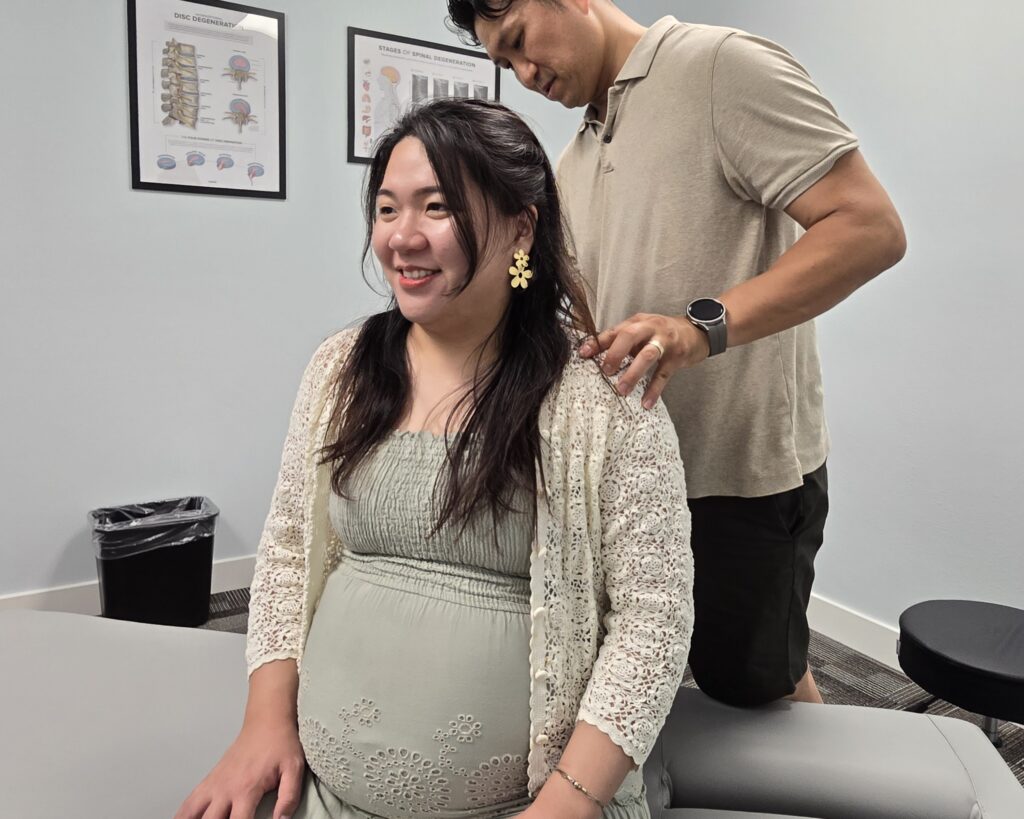
During a session, you'll find a welcoming environment designed to help you relax and feel at ease. As you arrive, your chiropractor will greet you and guide you to a comfortable treatment room. They'll ask you a few questions about your health history and any specific concerns you may have. This initial conversation helps them tailor the adjustments to your unique needs.
Once you're settled, you'll typically lie down on a specially designed table. Your chiropractor might perform some gentle assessments, checking your posture and range of motion. They'll explain what you can expect during the adjustments and answer any questions you have, ensuring you feel informed and comfortable.
The actual adjustment process usually involves specific techniques aimed at realigning your spine and other joints. You might hear some popping or cracking sounds, but don't worry—this is a normal part of the process and generally indicates that the adjustments are effective. Throughout the session, your chiropractor will monitor your comfort level and adjust their approach as needed.
After the adjustments, they may offer recommendations for stretches or exercises to enhance your results. You'll leave feeling lighter and more relaxed, often with a renewed sense of clarity.
Most importantly, you'll walk away with a better understanding of how spinal health impacts your overall well-being. Each session builds on the last, creating a holistic approach to stress relief and wellness.
Integrating Adjustments Into Your Routine
After experiencing the benefits of spinal adjustments, you might wonder how to maintain that sense of well-being in your everyday life.
Integrating these adjustments into your routine can help you sustain your progress and enhance your overall health. Here are a few practical ways to do just that:
- Schedule Regular Check-ins: Make appointments with your chiropractor at consistent intervals. This helps keep your spine aligned and allows for any necessary adjustments before issues arise.
- Practice Good Posture: Be mindful of your posture while sitting, standing, or even walking. Use ergonomic furniture or tools to support your spine and reduce physical stress.
- Stay Active: Incorporate regular exercise into your life. Activities like yoga or swimming not only strengthen your muscles but also promote flexibility, aiding in spinal health.
- Manage Stress: Stress can negatively impact your body, including your spine. Engage in relaxation techniques such as meditation, deep breathing, or even hobbies that you love to keep stress at bay.
Conclusion
Incorporating spinal adjustments into your wellness routine can be a game changer for stress relief. By realigning your spine, you'll not only enhance your nerve function but also improve your overall mood and energy levels. As you experience the benefits, remember to pair these adjustments with healthy lifestyle choices for maximum impact. Embrace this holistic approach and take a proactive step towards a more relaxed, balanced life. Your journey to stress relief starts here!