
As a local chiropractor, I understand how nagging back pain can significantly impact your daily life, turning even the simplest tasks into daunting challenges. It's not just about enduring discomfort; it's crucial to recognize the underlying causes of your pain and explore natural pathways toward relief. Many of you may be curious about the options available to you, including how lifestyle changes can foster a healthier spine and overall well-being.
As you embark on this journey to better health, it's important to look beyond just the symptoms. Chiropractic care offers a range of treatment strategies tailored to address the root of your pain. From spinal adjustments to lifestyle recommendations, we aim to restore balance and function to your body. So, what proactive steps can you take to reclaim your well-being and enhance your quality of life? Let's work together to find the solutions that fit your unique needs.
Understanding Back Pain
As a local chiropractor, I want to help you understand the complexities of back pain and how chiropractic care can aid in your healing journey. Back pain can arise from a myriad of causes, and recognizing these can lead to more effective relief.
It's important to remember that back pain isn't a one-size-fits-all issue; each individual's experience is unique, influenced by lifestyle choices, physical health, and emotional state. By identifying the specific characteristics of your pain, we can take targeted actions to alleviate it.
Start by observing the type of pain you're experiencing. Is it sharp, dull, or throbbing? Does it stay in one area, or does it radiate to other parts of your body like your legs or shoulders? This information is vital in tailoring your treatment plan.
Next, we should evaluate your daily habits. Do you spend long hours sitting, lift heavy objects without proper technique, or perform repetitive motions? These behaviors can significantly contribute to your discomfort.
Additionally, I want to highlight the connection between emotional well-being and physical pain. Stress and anxiety can lead to muscle tension, which may intensify your back pain. By acknowledging the relationship between your mental health and physical state, you can make strides in your recovery.
Lastly, let's not overlook the importance of good posture. Poor alignment can place excessive strain on your spine, resulting in pain over time. By being mindful of your posture and making necessary adjustments, you create a more supportive environment for your back.
Understanding these elements is the first step toward finding effective relief through chiropractic care. Together, we can work on strategies that not only address your pain but also promote overall wellness and comfort.
Common Causes of Back Pain
As a local chiropractor, I want to share some insights about back pain that you might find surprising. Many people don't realize that everyday activities can lead to back discomfort. Common culprits include muscle strains, herniated discs, and poor posture.
These issues can affect anyone, whether you're lifting heavy items or sitting for extended periods at your desk. Understanding these factors is crucial for your well-being, as they can often be addressed through natural healing methods.
Chiropractic care focuses on restoring balance and alignment in the spine, which can alleviate pain and improve your overall health. By educating yourself about the causes of back pain, you can take the first step toward finding effective relief and enhancing your quality of life.
If you're experiencing discomfort, consider exploring how chiropractic care can help you restore your body's natural function.
Muscle Strains and Sprains
As a local chiropractor, I want to take a moment to discuss a common source of back pain that often goes unnoticed: muscle strains and sprains. Many people don't realize that everyday activities—such as lifting heavy objects, twisting awkwardly, or maintaining poor posture—can lead to these injuries.
When your muscles are overworked or stretched beyond their limits, they can become strained. Similarly, sprains occur when the ligaments, which are the strong bands connecting your bones, get stretched or torn.
If you suddenly experience sharp pain in your back, it might be an indicator of a strain or sprain. You may also notice symptoms like swelling, bruising, or stiffness in the area. It's crucial to pay attention to these signals from your body; ignoring them could result in more serious complications later on.
To alleviate discomfort, I recommend resting, applying ice, and considering over-the-counter pain relief options. Additionally, gentle stretching and strengthening exercises can help improve your flexibility and reduce the risk of future injuries.
However, if the pain continues, it's essential to consult with a healthcare professional—such as a chiropractor—who can provide specialized care tailored to your needs.
Herniated Discs
As a local chiropractor, I often see patients suffering from herniated discs, a condition that can lead to significant back pain and discomfort. Many individuals may not fully grasp what a herniated disc entails and its potential impact on their overall health.
Essentially, a herniated disc occurs when the soft inner material of a spinal disc protrudes through its outer layer, which can put pressure on nearby nerves. This may result in pain, numbness, or weakness that can radiate down the legs.
Let's explore some common causes of herniated discs that I frequently discuss with my patients:
- Age-related wear and tear: As we age, our spinal discs naturally lose hydration and elasticity, making them more susceptible to herniation. This is a natural part of the aging process.
- Improper lifting techniques: Lifting heavy objects without proper form can put excessive strain on your spine, increasing the likelihood of a herniated disc. It's essential to use correct lifting techniques to protect your back.
- Repetitive stress and poor posture: Engaging in repetitive motions or holding awkward positions for long periods can contribute to disc problems. Being mindful of your posture and taking breaks during repetitive activities can help prevent strain.
Understanding these factors is crucial in taking proactive measures to protect your spinal health.
If you suspect you have a herniated disc, I encourage you to consult a healthcare professional, such as a chiropractor. We can provide a thorough diagnosis and develop a personalized treatment plan tailored to your needs.
By embracing chiropractic care and natural healing methods, you can manage pain effectively and improve your quality of life.
Don't let a herniated disc keep you from enjoying your daily activities—let us help you regain your vitality!
Poor Posture
As a local chiropractor, I want to share with you an often overlooked yet common cause of back pain: poor posture. Many people don't realize how their daily habits—like slouching at a desk, leaning over their phones, or hunching while watching TV—can contribute to discomfort and exacerbate conditions such as herniated discs.
When your posture is off, your spine struggles to maintain its natural curve, which can lead to increased pressure on your vertebrae and discs. This may result in pain that lingers for days or even weeks.
The good news is that even minor adjustments to your posture can make a significant difference in your overall well-being. For example, ensuring your feet are flat on the floor while sitting and aligning your ears with your shoulders can help.
I also recommend incorporating ergonomic furniture into your workspace. A chair that supports your lower back or a standing desk can promote healthier posture and reduce strain.
Additionally, regular stretching and strengthening exercises can enhance your core stability, providing further support for your spine.
By becoming more aware of your posture and making small changes, you can alleviate pain and prevent future issues. Remember, good posture isn't just about looking confident; it's about feeling good and maintaining your health.
If you're experiencing discomfort, consider visiting a chiropractor to explore natural healing methods that can help restore balance to your body.
Recognizing Symptoms
As a local chiropractor, I want to emphasize the importance of understanding the symptoms of back pain for effective relief and overall health. By recognizing what to look for, you can take proactive steps towards managing your discomfort and improving your quality of life.
Back pain can present itself in various ways, but there are common symptoms that can help you identify what you may be experiencing.
Here are three key symptoms to pay attention to:
- Dull or Sharp Pain: You may experience a constant dull ache in your lower back, or perhaps a sudden, sharp pain that catches you off guard. It's crucial to observe when this pain worsens or improves during different activities, as this can provide valuable insight into your condition.
- Stiffness or Limited Movement: If you struggle to bend, twist, or even stand up straight, this stiffness may indicate an underlying issue that could benefit from chiropractic care. Take note of whether this stiffness alleviates with movement or rest, as this can guide our approach to treatment.
- Radiating Pain: Sometimes, the discomfort isn't just localized in your back. You might feel pain radiating down your legs or into your neck and shoulders. This could suggest nerve involvement, making it essential to understand the full scope of your symptoms.
Recognizing these symptoms early can empower you to address the issue before it escalates. It's vital to listen to your body and not overlook these signs.
If your symptoms continue or worsen, seeking professional help from a chiropractor can be a wise choice. By acknowledging these symptoms, you're taking an important step towards finding the natural relief you deserve and enhancing your overall well-being.
Together, we can explore effective strategies to support your healing journey.
Diagnosis and Assessment
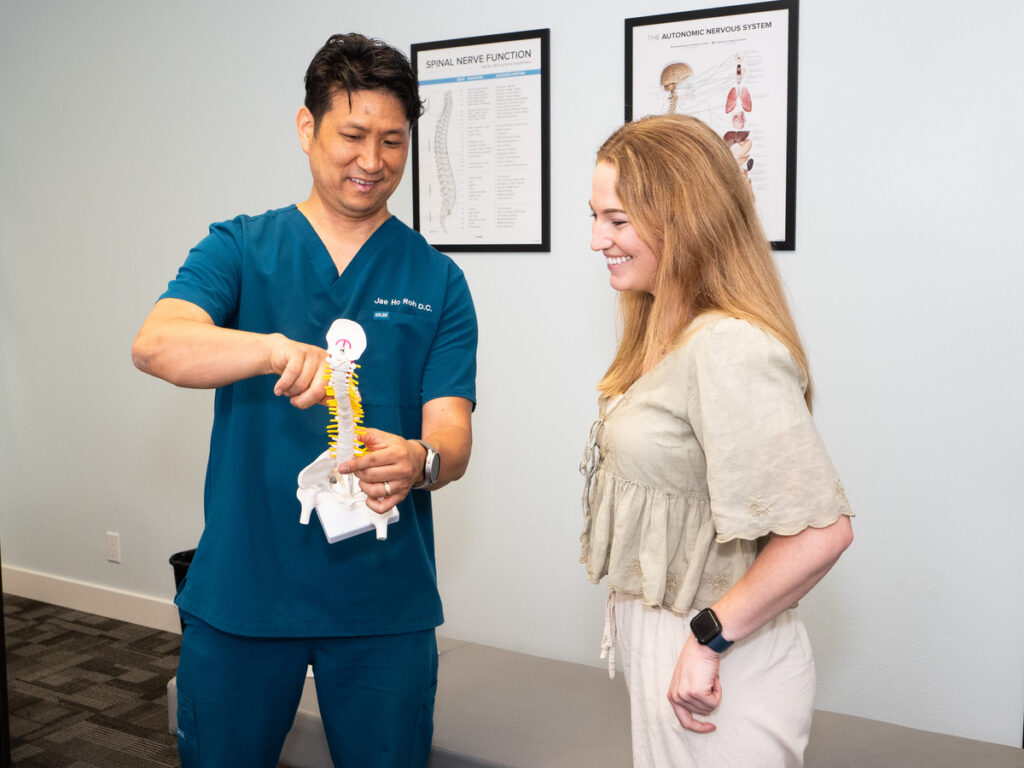
Recognizing the symptoms of back pain is just the first step; the next essential step is obtaining an accurate diagnosis and evaluation. As a chiropractor, I encourage you to start by discussing your symptoms with me during your initial consultation.
I'll ask about your pain, any medical history, and any recent injuries or lifestyle changes that may have contributed to your discomfort. Be ready to describe your pain in detail—its intensity, location, and how long you've experienced it. This information is crucial for identifying potential underlying causes.
During our appointment, I'll perform a thorough physical examination. This includes assessing your range of motion, reflexes, and muscle strength to understand how your spine and surrounding structures are functioning.
If necessary, I may recommend imaging tests such as X-rays or MRIs. These imaging studies can help us visualize your spine and detect issues like herniated discs, misalignments, or spinal stenosis that may be causing your pain.
In certain situations, I might also suggest additional evaluations, such as blood tests, to rule out infections or inflammatory conditions that could be contributing to your symptoms. If your case requires specialized care, I can refer you to an appropriate healthcare provider, such as an orthopedist or neurologist, for further assessment.
It's important for you to feel comfortable communicating with me throughout this process. Don't hesitate to ask questions or voice any concerns you may have.
Understanding your diagnosis is key to effectively managing your pain. Once we've a clear evaluation, we can work together to develop a personalized treatment plan aimed at relieving your discomfort and promoting natural healing, empowering you to make informed decisions about your health and wellness.
Treatment Options Available
Navigating treatment options for back pain can be daunting, but you're not alone in this journey. Many individuals experience similar challenges, and understanding the available options can empower you to take control of your health.
As a local chiropractor, I want to share three popular treatment approaches that can help you find relief:
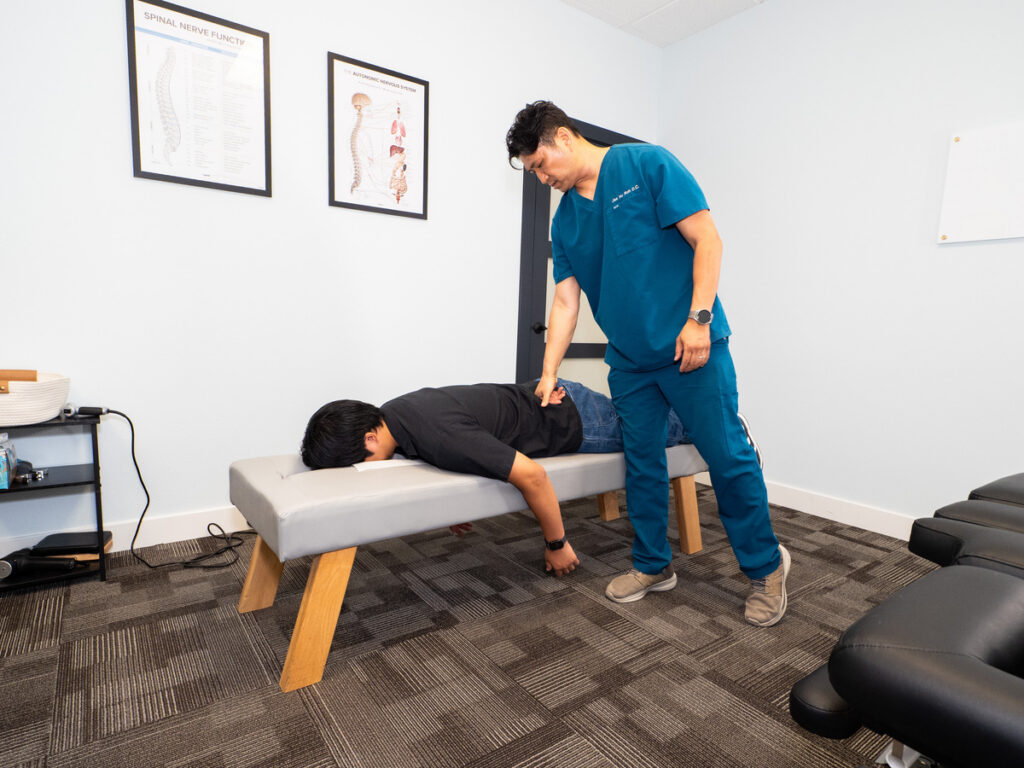
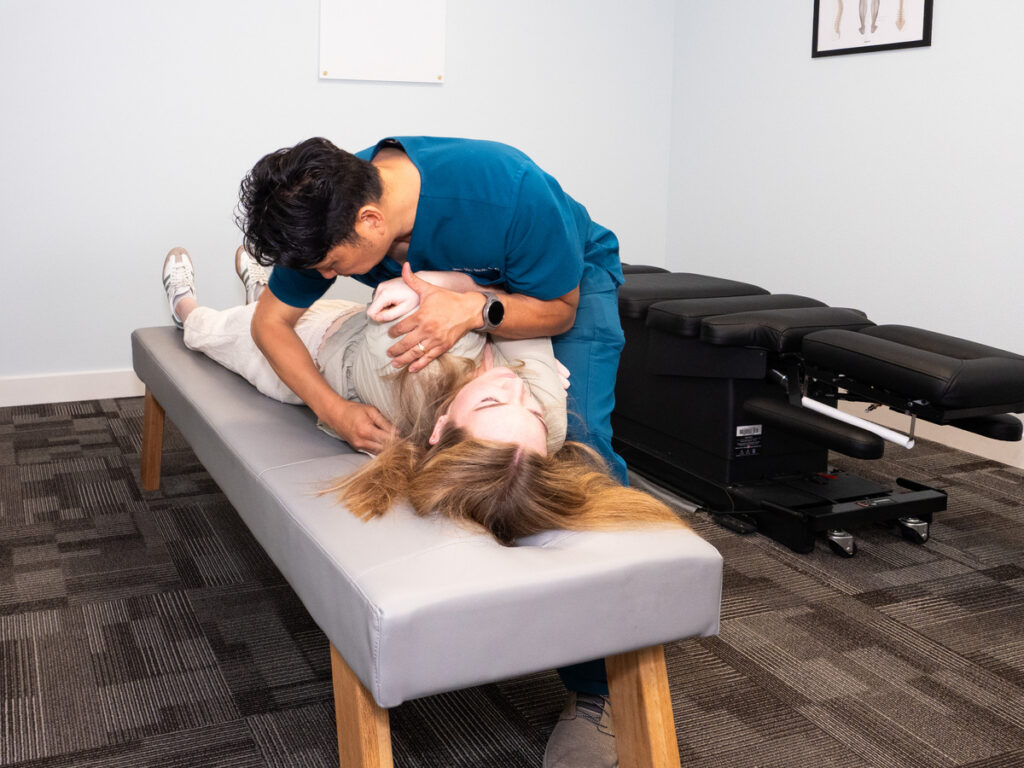
- Chiropractic Care: Chiropractic adjustments focus on realigning the spine and improving your body's overall function. By addressing misalignments, we can reduce pain, enhance mobility, and support your body's natural healing processes. A personalized treatment plan can help you achieve long-term relief and prevent future issues.
- Physical Therapy: Often recommended alongside chiropractic care, physical therapy involves a tailored exercise program designed to strengthen your back and core muscles. These exercises not only alleviate pain but also improve flexibility and stability, helping you regain your quality of life.
- Alternative Therapies: In addition to chiropractic adjustments, many patients find relief through complementary treatments such as acupuncture, massage therapy, or even yoga. These holistic approaches can enhance circulation, promote relaxation, and further support your recovery.
It's essential to remember that each treatment option has its unique benefits, and finding the right combination is key to your healing journey.
I often recommend starting with chiropractic care alongside physical therapy to see how your body responds. Open communication with your healthcare provider is crucial; we can work together to create a comprehensive plan tailored to your needs.
As you explore these options, be patient with yourself. Healing takes time, but with dedication and the right support, relief is within reach.
Together, we can navigate this process and help you achieve a pain-free life.
Preventive Measures to Consider
As a local chiropractor, I'm here to help you understand how to effectively prevent back pain and maintain a healthy spine. Back pain can often feel like an unwelcome companion, but with some proactive measures, you can significantly reduce your risk of experiencing discomfort.
First and foremost, let's talk about the importance of good posture. Whether you're sitting at your desk, standing in line, or even just relaxing at home, being mindful of your spine's alignment is crucial. I recommend considering ergonomic furniture, such as an ergonomic chair or a lumbar support cushion, to help you maintain a neutral spine position. Proper posture not only alleviates stress on your back but also promotes overall well-being.
Incorporating regular exercise into your daily routine is another vital step. Activities like walking, swimming, or yoga can help strengthen your core muscles, which play a key role in supporting your spine. Aim for at least 30 minutes of moderate exercise most days of the week.
Additionally, don't underestimate the power of stretching. It enhances flexibility and helps prevent injuries. Make it a point to stretch before and after workouts, and even during breaks at work to keep your muscles relaxed.
When it comes to lifting objects, it's essential to adopt safe techniques. Always bend at your knees, keep the load close to your body, and rely on your legs to lift rather than straining your back. If you find yourself carrying a heavy bag, opt for a backpack with both straps to evenly distribute the weight and minimize strain.
Finally, your sleeping environment plays a significant role in your back health. A mattress that's either too soft or too firm can lead to discomfort. I encourage you to experiment with different types of mattresses and pillow heights to find the combination that provides optimal support for your back.
Lifestyle Changes for Relief
As a local chiropractor, I want to share some valuable insights on how you can find relief from back pain through natural methods and lifestyle changes.
One of the most effective ways to alleviate discomfort is by incorporating regular exercise and stretching into your routine. This not only strengthens your back but also enhances your overall flexibility, making it easier for you to move without pain.
Furthermore, I encourage you to pay attention to your posture and ergonomics during daily activities. Simple adjustments in how you sit, stand, and lift can have a profound impact on your back health.
Exercise and Stretching Routines
As a local chiropractor, I'm here to help you understand how effective exercise and stretching routines can significantly alleviate your back pain and enhance your overall mobility.
You don't need to be a fitness enthusiast to benefit; even simple, consistent movements can lead to remarkable improvements.
Let's explore three routines that I often recommend to my patients:
- Gentle Stretching: Begin with gentle stretches like the cat-cow stretch or child's pose. These movements are fantastic for loosening tight muscles and enhancing flexibility, which is essential for a healthy back.
- Strengthening Exercises: It's important to incorporate core-strengthening exercises into your routine, such as planks and bridges. A strong core provides vital support to your back, helping to alleviate strain on your spine during everyday tasks.
- Low-Impact Cardio: I encourage you to engage in low-impact activities like walking, swimming, or cycling. These exercises are excellent for improving blood flow, keeping your body active, and reducing stress on your back.
Always listen to your body. If a particular movement causes discomfort, it's important to modify it or consult with me or another healthcare professional.
Consistency is crucial; aim to dedicate a few minutes each day to these routines, and over time, you should notice a reduction in your back pain and an enhancement in your overall well-being.
Posture and Ergonomics Adjustments
As your local chiropractor, I want to emphasize the crucial role your posture plays in managing back pain and preventing future discomfort. Whether you're sitting, standing, or walking, maintaining proper alignment is key to reducing strain on your back. I encourage you to be conscious of how you hold your body throughout the day. Keep your shoulders back, align your head with your spine, and ensure your hips are level.
Equally important is the concept of ergonomics, especially for those of you who work at a desk. It's vital to have a chair that supports your lower back, and your feet should rest flat on the floor. Position your computer screen at eye level to avoid craning your neck, which can lead to unnecessary tension. Investing in ergonomic furniture can significantly enhance your comfort and overall well-being.
When standing, aim to distribute your weight evenly across both feet, and avoid locking your knees. If you need to lift something, remember to bend your knees and keep the object close to your body. This technique minimizes strain on your back and helps protect your spine.
Lastly, I can't stress enough the importance of taking breaks. Standing up, stretching, or simply walking for a few minutes every hour can help relieve tension and improve circulation.
These small adjustments in your posture and workspace can lead to considerable relief from back pain over time, and as your chiropractor, I'm here to guide you through this process of natural healing and wellness.
Conclusion
As a local chiropractor, I want to emphasize that finding relief from back pain is a journey that involves your active participation. It's important to understand your symptoms and explore various treatment options, including chiropractic care, which focuses on natural healing methods to promote your overall wellness.
Chiropractic care can help align your spine, relieve pressure on nerves, and restore proper function to your body. I encourage you to incorporate preventive measures into your daily routine, such as maintaining good posture, staying physically active, and making lifestyle changes that support your spine health.
Remember, you're not alone in this journey. Many individuals have walked this path and successfully found relief through chiropractic care. I urge you to embrace each step, stay patient, and keep moving forward toward a more comfortable, pain-free life. Together, we can work towards achieving your wellness goals.