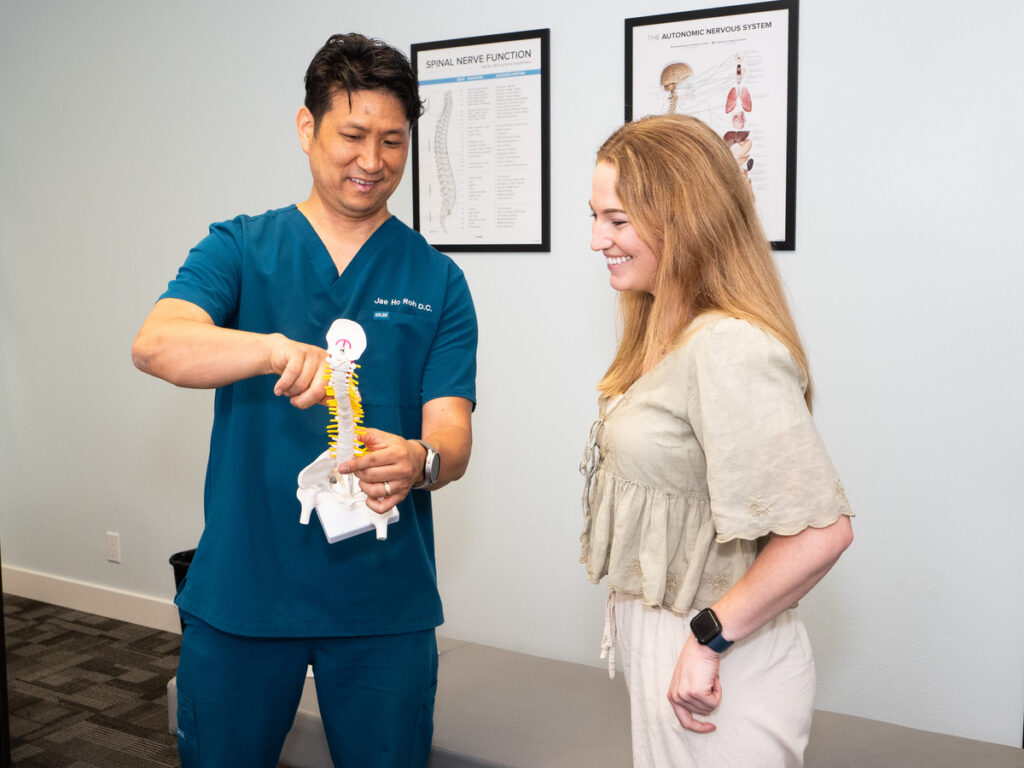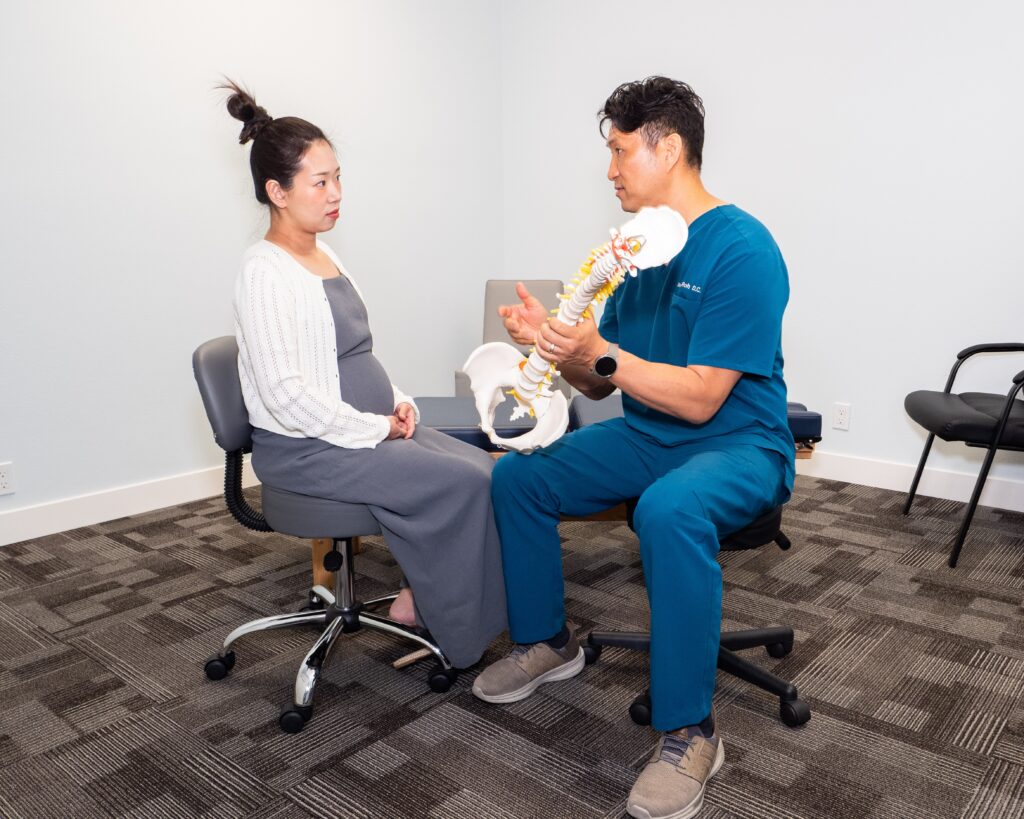

When it comes to managing back pain, you might find that a one-size-fits-all approach just doesn't cut it. Personalized plans can target your specific pain triggers and lifestyle, helping you regain control over your comfort and mobility. By evaluating your unique situation, these tailored strategies not only address your pain effectively but also enhance your overall well-being. Curious about how these plans can be structured to fit your needs and what components make them truly effective?
Understanding Back Pain Causes
Back pain can stem from a variety of causes, and understanding these factors is vital for effective treatment. You might experience back pain due to muscle strain, which often occurs when you lift something heavy or make an awkward movement.
Over time, poor posture can also lead to discomfort, especially if you spend long hours sitting or standing without proper support.
Another common cause is injury, whether from sports, accidents, or falls. These injuries can lead to sprains, herniated discs, or even fractures. If you've had a previous injury, it can increase your risk of recurring back pain.
Additionally, age plays a notable role; as you get older, your spinal structure may deteriorate, making you more susceptible to issues like osteoarthritis.
Sometimes, back pain can be linked to underlying medical conditions, such as kidney stones or infections. These issues may not be directly related to your spine but can still cause considerable discomfort in your back.
Stress and anxiety can also contribute, as they can lead to muscle tension and exacerbate existing pain.
It's essential to pay attention to any accompanying symptoms. If you're experiencing numbness, tingling, or weakness in your legs, you should seek medical advice promptly.
Recognizing the specific causes of your back pain not only helps you understand your condition better, but it also guides you toward the right treatment options. Being proactive about understanding these causes can greatly improve your journey to recovery.
Benefits of Personalized Plans
Creating a personalized plan for managing back pain can greatly enhance your recovery journey. When you tailor your approach to meet your specific needs, you're setting yourself up for success. A personalized plan takes into account your unique situation, including your pain levels, lifestyle, and any underlying conditions. This means you're more likely to engage with the strategies that work best for you.
One major benefit is increased motivation. When you see a plan designed just for you, it's easier to stick with it. You'll feel more invested in your recovery, knowing that the actions you're taking are directly aligned with your goals. Additionally, personalized plans often lead to quicker results. By focusing on techniques that suit your body and circumstances, you can achieve relief faster than with a one-size-fits-all approach.
Another advantage is that personalized plans can help you recognize patterns in your pain. As you track your progress, you'll start to identify triggers and responses that are unique to you. This newfound awareness allows you to make informed adjustments along the way, optimizing your recovery process.
Moreover, personalized plans foster a sense of support and empowerment. Collaborating with healthcare providers to create a plan gives you a voice in your treatment, making you an active participant in your healing journey.
Ultimately, a personalized plan equips you with the tools and insights necessary to effectively manage and alleviate your back pain, leading to a healthier, more fulfilling life.
Tailoring Plans to Individual Needs
Every individual experiences back pain differently, so it's important to customize your plan to fit your specific needs. By tailoring your approach, you can address the unique factors contributing to your discomfort.
Here are four key aspects to keep in mind when creating your personalized plan:
- Pain Type: Identify whether your pain is sharp, dull, or radiating. Understanding this helps you choose effective relief strategies.
- Activity Level: Assess your daily activities and exercise routine. A plan that accommodates your lifestyle will be more sustainable and effective.
- Medical History: Take your past injuries or chronic conditions into account. This guarantees your plan doesn't aggravate existing issues and supports your overall health.
- Personal Preferences: Reflect on what types of treatments you're comfortable with—whether it's physical therapy, yoga, or medication. Your willingness to engage in the plan is vital for success.
Key Components of Effective Plans
To create an effective plan for managing your back pain, you'll need to focus on several key components.
Individualized exercise regimens, nutritional considerations, and mindfulness techniques can all play a vital role in your recovery.
Individualized Exercise Regimens
How can individualized exercise regimens markedly enhance your recovery from back pain?
By tailoring exercises specifically to your needs, you can't only alleviate pain but also strengthen your back for the long run.
Here are four key components that make these regimens effective:
- Assessment: A thorough evaluation of your back pain and physical capabilities helps identify the best exercises for your condition.
- Customization: Exercises are tailored to target your specific pain points, focusing on areas that need strengthening or stretching.
- Progression: As you improve, your regimen should adapt to include more challenging movements that promote continued growth and recovery.
- Monitoring: Regular check-ins with a professional guarantee your progress is tracked, and adjustments are made as needed to avoid setbacks.
Nutritional Considerations
Nutrition plays an essential role in your recovery from back pain, as the right dietary choices can greatly influence inflammation, muscle health, and overall well-being. To support your healing process, focus on incorporating anti-inflammatory foods into your meals. These include fruits like berries and oranges, leafy greens, and fatty fish rich in omega-3 fatty acids, such as salmon and sardines.
Avoid processed foods, refined sugars, and excessive salt, as these can contribute to inflammation and worsen your discomfort. Instead, opt for whole grains, nuts, seeds, and legumes, which provide essential nutrients and promote muscle repair.
Staying hydrated is also vital; water helps maintain elasticity in your muscles and joints, reducing pain and stiffness. Consider consulting a nutritionist to create a personalized plan that addresses your specific needs. They can help you identify any food sensitivities that might be affecting your recovery.
Finally, don't underestimate the power of portion control; overeating can lead to weight gain, which may place additional strain on your back. By making these dietary adjustments, you can greatly enhance your recovery journey and improve your quality of life.
Mindfulness and Relaxation Techniques
Incorporating mindfulness and relaxation techniques into your back pain recovery plan can be transformative.
These practices help reduce stress and tension, which can exacerbate your discomfort. By calming your mind and body, you're setting the stage for healing.
Here are four key techniques to contemplate:
- Deep Breathing: Focus on your breath. Inhale deeply through your nose, hold for a moment, and exhale slowly through your mouth. This practice can lower stress and promote relaxation.
- Meditation: Spend just a few minutes each day in quiet reflection. Guided meditations specifically designed for pain relief can be particularly beneficial.
- Progressive Muscle Relaxation: Tense and then relax each muscle group in your body, starting from your toes and working up to your head. This helps release built-up tension.
- Mindful Movement: Engage in gentle activities like yoga or tai chi. These practices not only improve flexibility but also encourage mindfulness, helping you stay present and reduce pain perception.
Success Stories and Testimonials
Transforming lives, countless individuals have found relief from back pain through personalized plans tailored to their unique needs. You might be wondering how these plans truly work in practice. Let me share some inspiring success stories that highlight the effectiveness of personalized approaches.
Take Sarah, for example. After struggling with chronic back pain for years, she finally decided to try a customized plan. By incorporating specific exercises, stretching routines, and mindfulness techniques, she regained mobility and reduced her pain considerably.
Sarah's enthusiasm is infectious; she often shares her journey with friends, encouraging them to pursue their own tailored strategies.
Then there's John, who faced debilitating pain from an old injury. With a personalized plan focusing on strength building and posture correction, he not only alleviated his discomfort but also improved his overall fitness.
John now participates in activities he once thought were impossible, like hiking and playing with his kids. His transformation has inspired many in his community to seek individualized help.
Finally, consider Lisa, who struggled with stress-related back pain. After working with a specialist to create her plan, she learned how to integrate relaxation techniques and mindfulness into her daily routine.
Lisa now manages her pain effectively and feels empowered to handle life's challenges.
These stories illustrate the profound impact personalized plans can have. As you consider your own path to relief, remember that many others have successfully navigated their journey, and you can, too.
Steps to Create Your Plan
To create your personalized plan for back pain, start by evaluating your pain levels and how they affect your daily life.
Next, identify any contributing factors, such as your posture or activity habits.
Finally, tailor your treatment options to address these specific issues effectively.
Assess Your Pain Levels
Evaluating your pain levels is an essential first step in creating a personalized plan to manage back pain effectively. By understanding the severity and nature of your pain, you can tailor your approach to find relief.
Here's how to assess your pain levels accurately:
- Rate your pain: Use a scale from 1 to 10, where 1 is minimal discomfort and 10 is unbearable pain. This gives you a clear benchmark.
- Identify pain patterns: Note when your pain occurs—during certain activities, times of day, or after prolonged sitting. Recognizing patterns helps in understanding triggers.
- Describe pain characteristics: Is it sharp, dull, throbbing, or tingling? Describing the sensation can help you and your healthcare provider identify specific issues.
- Track duration: Keep a record of how long the pain lasts. Is it constant, or does it come and go? This information is vital for developing an effective treatment strategy.
Identify Contributing Factors
Once you've assessed your pain levels, the next step is to identify the factors that contribute to your back pain.
Start by looking at your daily habits. Do you sit for long periods at work? A poor posture while sitting can strain your back. If you exercise, consider whether your routines involve heavy lifting or repetitive motions that might be putting stress on your spine.
Next, think about your sleep environment. Is your mattress supportive enough? An unsupportive mattress can lead to poor spinal alignment.
Also, evaluate your weight. Extra body weight can add pressure to your back, exacerbating pain.
Don't forget emotional factors. Stress and anxiety can lead to muscle tension, which may worsen your pain. Keeping a journal can help you track when your back pain flares up and might reveal patterns related to stress or activity.
Lastly, consider any past injuries. Old injuries can have long-lasting effects, contributing to your current discomfort.
Tailor Treatment Options
Creating a personalized treatment plan for your back pain involves several key steps tailored to your unique situation. By actively addressing your specific needs, you can work towards effective relief. Here are the steps to create your plan:
- Consult a Professional: Start by consulting a healthcare provider or physical therapist. They can assess your condition and provide expert advice on your treatment options.
- Set Realistic Goals: Identify what you want to achieve with your treatment. Whether it's reducing pain, increasing mobility, or improving strength, having clear goals helps guide your plan.
- Explore Treatment Options: Consider various treatments, such as physical therapy, chiropractic care, medications, or alternative therapies. Make sure to discuss these options with your provider to find what suits you best.
- Monitor Progress: Regularly track your progress and adjust your plan as needed. This might involve changing your exercises, trying new therapies, or revisiting your goals.
Conclusion
Incorporating a personalized plan for your back pain can truly transform your recovery journey. By understanding your unique needs and addressing the specific causes of your pain, you'll find strategies that resonate with you. Tailoring your approach, from exercises to mindfulness techniques, empowers you to take charge of your healing. Remember, the path to relief is individual, and with the right plan, you can reclaim your life and enjoy lasting relief from back pain.