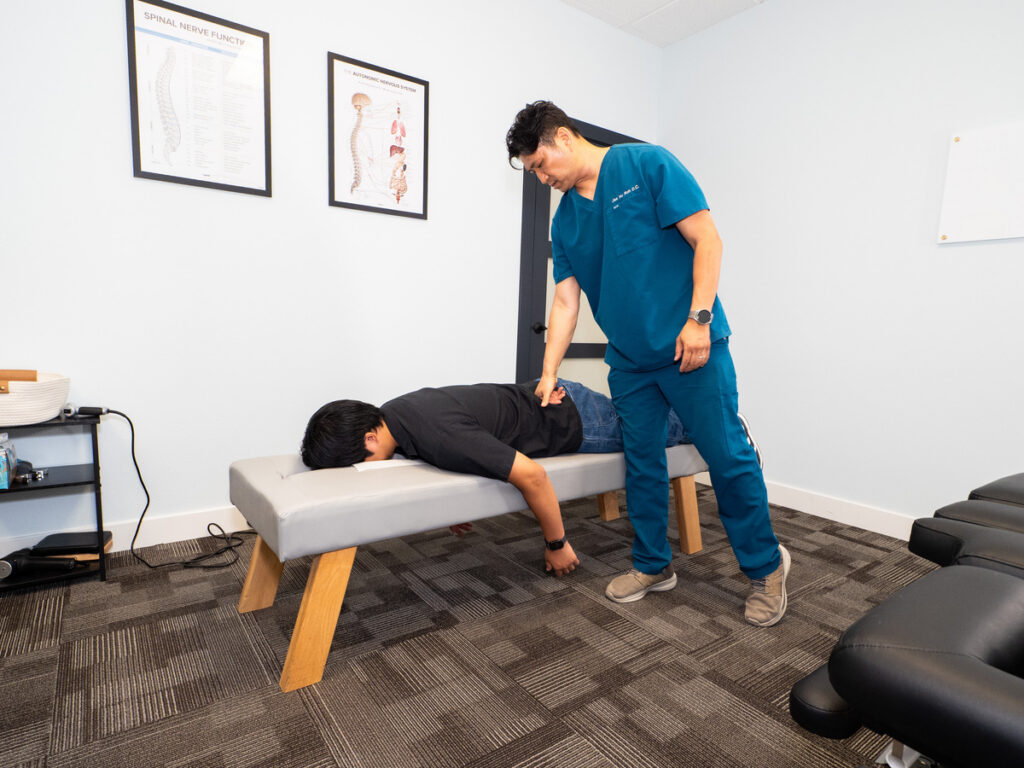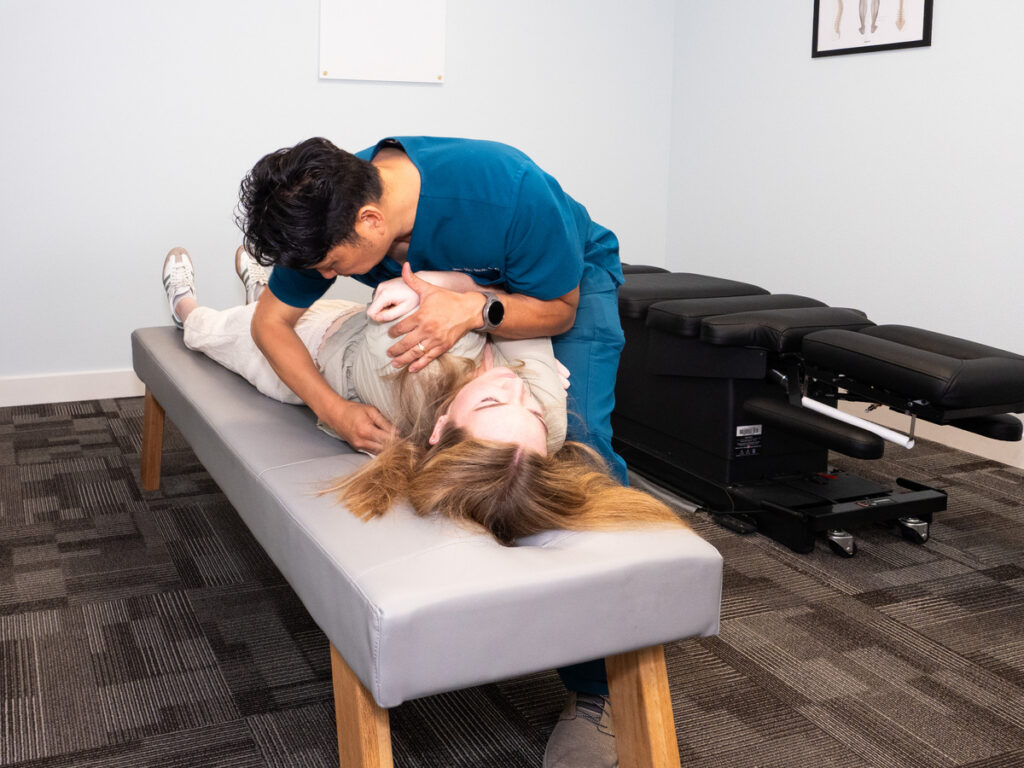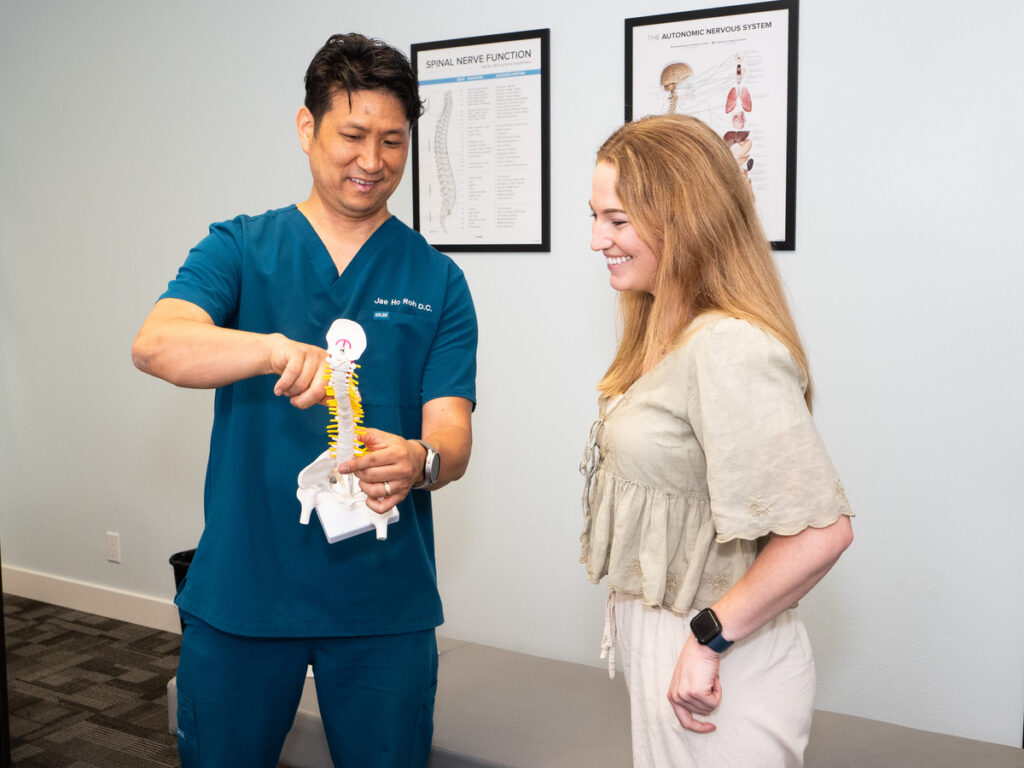

As a local chiropractor, I understand that many of you may be struggling with back pain, and I want to assure you that you’re not alone in this experience. It’s common for individuals to face discomfort that can interfere with everyday activities. Thankfully, there are natural and holistic strategies we can explore together to help alleviate your pain.
Gentle stretches and targeted strengthening exercises are just a couple of the methods that can provide significant relief. You might be surprised to learn that even small adjustments in your daily routine can lead to meaningful improvements in how you feel.
I invite you to take a closer look at these effective techniques. Together, we can work towards a healthier, pain-free life, starting today. Your journey to relief is important, and I’m here to guide you every step of the way.
Gentle Stretches to Alleviate Tension
As a local chiropractor, I often see patients struggling with back pain, and I want to share how incorporating gentle stretches into your daily routine can significantly alleviate this discomfort.
One effective stretch is the cat-cow stretch. Begin on all fours, arching your back as you inhale deeply, and then rounding it while you exhale. This fluid motion is excellent for warming up your spine and easing any stiffness you may be experiencing.
Another beneficial stretch is the child’s pose. Kneel down, sink back onto your heels, and extend your arms forward, allowing your torso to relax toward the floor. Hold this position for several breaths; it’s a fantastic way to release tightness in your lower back.
You might also find relief with the seated forward bend. Sit with your legs extended in front of you and gently reach for your toes. Focus on allowing your spine to lengthen naturally—there’s no need to force it.
Lastly, consider incorporating the supine spinal twist into your routine. Lie on your back, bring one knee up to your chest, and gently guide that knee across your body. This stretch is particularly effective at releasing tension.
These gentle stretches can enhance your flexibility and help alleviate discomfort, making your daily activities more manageable.
As you explore these techniques, remember that chiropractic care can also support your journey toward better health and wellness.
Strengthening Exercises for a Supportive Core
As a local chiropractor dedicated to your health and well-being, I want to emphasize the importance of a strong core in supporting your back and alleviating pain. Strengthening your core can stabilize your spine, making everyday activities not only easier but also safer.
To help you on this journey, I’ve compiled a list of effective exercises that you can incorporate into your routine:
- Planks: Begin in a plank position on your forearms. This exercise engages your entire core and helps build endurance.
- Bird-Dogs: While on all fours, extend one arm and the opposite leg simultaneously. This movement promotes balance and stability while keeping your back straight.
- Bridges: Lie on your back with your knees bent. Lift your hips to create a straight line from your shoulders to your knees. This exercise strengthens your glutes and lower back.
- Dead Bugs: Start by lying on your back with your legs and arms raised. Slowly lower one arm and the opposite leg, then alternate. This exercise helps improve coordination and core strength.
- Side Planks: Lie on your side and lift your body off the ground, supporting yourself with one arm. This targets your oblique muscles and enhances lateral stability.
By incorporating these exercises into your routine, you can significantly enhance your core strength, which is essential for alleviating back pain and promoting overall wellness.
As you embark on this journey, remember that consistency is key, and I’m here to support you every step of the way.
The Benefits of Heat and Cold Therapy
As your local chiropractor, I want to share some valuable insights about managing back pain through heat and cold therapy—two natural methods that can significantly alleviate discomfort. Many of my patients find great relief by alternating between these two techniques.
Applying heat is an excellent way to relax and loosen tight muscles, which can often be a source of pain. When you use heat, you increase blood flow to the affected area, promoting healing. You can achieve this by using a heating pad, a warm towel, or even enjoying a hot shower.
Just remember to keep the temperature warm—not too hot—to prevent any risk of burns.
On the flip side, cold therapy is beneficial for reducing inflammation and numbing sharp pain. For this, ice packs or a bag of frozen vegetables wrapped in a cloth can offer quick relief. Cold therapy is particularly effective for acute injuries or swelling, and I recommend applying it for about 15-20 minutes at a time.
By incorporating these simple, natural methods into your pain management routine, you can enhance your overall recovery and well-being.
If you have any questions or need further guidance, feel free to reach out during your next visit!
Mindfulness and Relaxation Techniques
As a local chiropractor, I want to share with you how mindfulness and relaxation techniques can significantly aid in managing back pain.
Many of my patients have found that practicing deep breathing exercises and participating in guided meditation can greatly help in calming the mind and alleviating tension in the body.
By incorporating these holistic methods into your daily routine, you can’t only find relief from discomfort but also enhance your overall well-being.
Embracing these practices alongside chiropractic care can lead to a more comprehensive approach to healing and maintaining a healthy spine.
Deep Breathing Exercises
As a local chiropractor, I want to share with you the often-overlooked benefits of deep breathing exercises in managing back pain. Many people are unaware that by simply focusing on your breath, you can encourage relaxation and alleviate muscle tension, which frequently contributes to discomfort in the back.
Here are some practical tips to help you incorporate deep breathing into your daily routine:
- Start by finding a quiet and comfortable space where you can either sit or lie down without distractions.
- Inhale deeply through your nose, allowing your abdomen to rise as you fill your lungs with air.
- Hold your breath for a few seconds, then exhale slowly through your mouth, releasing any tension you may be holding.
- Repeat this process for 5-10 minutes, concentrating on calming thoughts to help clear your mind.
- To further enhance your relief, consider pairing these deep breathing exercises with gentle stretches that I can guide you through during your visits.
By integrating deep breathing into your wellness routine, you’re taking a proactive step towards not only managing your back pain but also improving your overall sense of well-being.
Guided Meditation Practices
As a chiropractor, I often emphasize the importance of mental well-being in conjunction with physical health, particularly when it comes to conditions like back discomfort. One effective way to cultivate peace of mind is through guided meditation. This practice can significantly enhance your healing process.
To get started, find a quiet space where you can relax without interruptions. You can either sit or lie down comfortably. Close your eyes and bring your attention to your breath. If thoughts arise, don’t judge them—simply acknowledge them and gently guide your focus back to your breathing.
There are also many helpful apps and online resources that provide guided meditation sessions specifically designed to promote relaxation and relieve pain. Even dedicating just a few minutes each day to this practice can improve your mindfulness, lower stress levels, and relieve tension in your back.
Proper Posture for Daily Activities
As a local chiropractor, I want to emphasize the importance of maintaining proper posture during your daily activities to help alleviate back pain and enhance your overall well-being.
Many people are unaware of how their posture impacts their health, but being mindful of how you sit, stand, and move can make a significant difference. Here are some valuable tips to help you adopt good posture throughout your day:
- Sit up straight: Ensure your back is pressed against the chair, and keep your feet flat on the floor. This alignment helps support your spine and reduce strain.
- Stand tall: Distribute your weight evenly on both feet. Avoid leaning to one side, as it can lead to muscle imbalances and discomfort over time.
- Lift objects correctly: Always bend at your knees while keeping your back straight. Hold the object close to your body to minimize stress on your spine.
- Use ergonomic tools: Invest in chairs and desks designed to promote proper alignment. Ergonomic furniture can significantly enhance your posture and comfort.
- Take breaks: Remember to stand up and stretch regularly. This practice not only relieves tension but also helps reset your posture throughout the day.
By incorporating these simple tips into your routine, you can support your spine’s health and improve your overall quality of life.
If you have further questions or concerns about your posture or back pain, feel free to reach out to me for guidance. Together, we can work towards a healthier, pain-free lifestyle!
Herbal Remedies for Pain Relief
As a chiropractor, I often see patients who experience lingering back pain despite practicing proper posture. It’s essential to explore additional methods for relief, and one area I recommend is the use of herbal remedies. These natural options can be an effective complement to your chiropractic care.
One herb that stands out is turmeric, celebrated for its strong anti-inflammatory properties. You can easily incorporate it into your meals or take it as a supplement to help reduce discomfort.
Another powerful ally in pain relief is ginger. Consuming ginger as a tea or adding it to your cooking can help soothe aches and promote overall wellness.
I also recommend considering boswellia, which is derived from the resin of the Boswellia tree. This extract may improve mobility and reduce inflammation, providing you with additional support in your healing journey.
Willow bark is another option worth exploring, as it contains compounds similar to aspirin, offering a natural means to alleviate pain.
For localized relief, topical treatments with arnica oil can be beneficial. This oil can help reduce swelling and discomfort in targeted areas.
Before trying any herbal remedies, I always advise discussing them with your healthcare professional, especially if you’re currently taking medication.
Embracing these natural options can enhance your overall pain management strategy and promote a healthier, more balanced lifestyle. Remember, chiropractic care and herbal remedies can work hand-in-hand for optimal results in your wellness journey.
The Importance of Quality Sleep
As a local chiropractor, I want to emphasize the crucial role that quality sleep plays in managing back pain and enhancing your overall well-being.
When you get restorative sleep, your body has the opportunity to repair itself and rejuvenate. During sleep, your muscles relax, and your spine can return to its natural alignment. Conversely, poor sleep can intensify discomfort and make it more challenging to handle daily activities.
Here are some tips to help improve your sleep quality and support your journey towards back pain relief:
- Establish a sleep routine: Aim to go to bed and wake up at the same time every day. Consistency helps regulate your body’s internal clock.
- Create a comfortable sleep environment: Invest in a supportive mattress and pillows that cater to your specific needs to ensure proper spinal alignment.
- Limit screen time before bed: The blue light emitted by screens can interfere with your body’s ability to produce melatonin, the hormone that regulates sleep. Try to disconnect from devices at least an hour before bedtime.
- Practice relaxation techniques: Consider incorporating meditation or deep breathing exercises into your evening routine to help you unwind and prepare for restful sleep.
- Stay active during the day: Engaging in regular physical activity can significantly enhance your sleep quality and help alleviate pain.
By prioritizing quality sleep, you can make a significant difference in your back health and overall wellness.