
If you're struggling with chronic back pain, you've likely considered various treatment options, including non-invasive solutions. These approaches, like physical therapy and mindfulness practices, aim to alleviate discomfort without the risks associated with surgery or medications. But how effective are these methods in truly enhancing your quality of life? As you weigh the pros and cons, it's crucial to explore not only the techniques themselves but also the innovative technologies emerging in this field. The answer might surprise you, revealing possibilities you hadn't yet considered.
Understanding Chronic Back Pain
Chronic back pain can feel like an unwelcome companion, affecting your daily life and limiting your activities. It's that persistent ache or sharp pain that lingers for weeks, months, or even years. You might find it hard to bend, lift, or even sit comfortably. Understanding what chronic back pain is can help you navigate this challenging experience.
Chronic back pain is typically defined as pain lasting longer than three months. It can stem from various causes, including injuries, poor posture, or degenerative conditions like arthritis. You might notice that certain movements or positions exacerbate your discomfort, making it vital to identify triggers. Your pain may also be accompanied by other symptoms, such as stiffness or muscle spasms, further complicating your daily routine.
You might realize that chronic back pain doesn't just affect you physically; it can impact your emotional well-being too. Feelings of frustration, anxiety, or even depression can arise as you grapple with limitations in your activities or social life. It's important to acknowledge these emotional aspects, as they can influence your pain perception and coping strategies.
Recognizing how chronic back pain affects your life is the first step toward finding effective relief. By understanding the nature of your pain, you can better communicate with healthcare professionals and explore various management options.
You're not alone in this journey, and gaining insight into your condition is a powerful tool in reclaiming your life.
Overview of Non-Invasive Solutions
When it comes to managing chronic back pain, non-invasive solutions can make a real difference.
You'll find that techniques like physical therapy, mindfulness practices, and chiropractic adjustments offer various ways to relieve discomfort and improve your overall well-being.
Let's explore these options to see how they can help you regain control over your life.
#
Physical Therapy Techniques
Physical therapy techniques offer a range of effective, non-invasive solutions for managing back pain. These methods focus on improving mobility, strengthening muscles, and enhancing overall function, which can greatly alleviate discomfort.
When you visit a physical therapist, they'll assess your specific condition and tailor a treatment plan just for you. Common techniques include manual therapy, which involves hands-on manipulation of the spine and surrounding tissues to relieve tension.
You'll also likely engage in therapeutic exercises designed to enhance flexibility and stability, helping to prevent future injuries. Additionally, modalities like heat, cold, and electrical stimulation may be incorporated into your sessions to further reduce pain and inflammation.
Your therapist might also teach you proper body mechanics, so you can perform daily activities with less strain on your back.
Mindfulness and Meditation
Many people find that mindfulness and meditation can be powerful tools for managing back pain. By focusing your attention and calming your mind, you can create a sense of relaxation that helps reduce tension in your body.
When you practice mindfulness, you learn to observe your thoughts and feelings without judgment, allowing you to detach from the pain and stress that often accompany chronic back issues.
Meditation techniques can vary, but starting with simple deep-breathing exercises can make a significant difference. As you breathe deeply, visualize the pain dissipating with each exhale. This can help you shift your focus away from discomfort and foster a more positive mindset.
Incorporating mindfulness into your daily routine doesn't have to be time-consuming. Just a few minutes each day can enhance your awareness of body sensations, helping you identify patterns that might trigger or worsen your back pain.
Over time, these practices can empower you to manage your pain more effectively, enhancing your overall well-being.
Chiropractic Adjustments
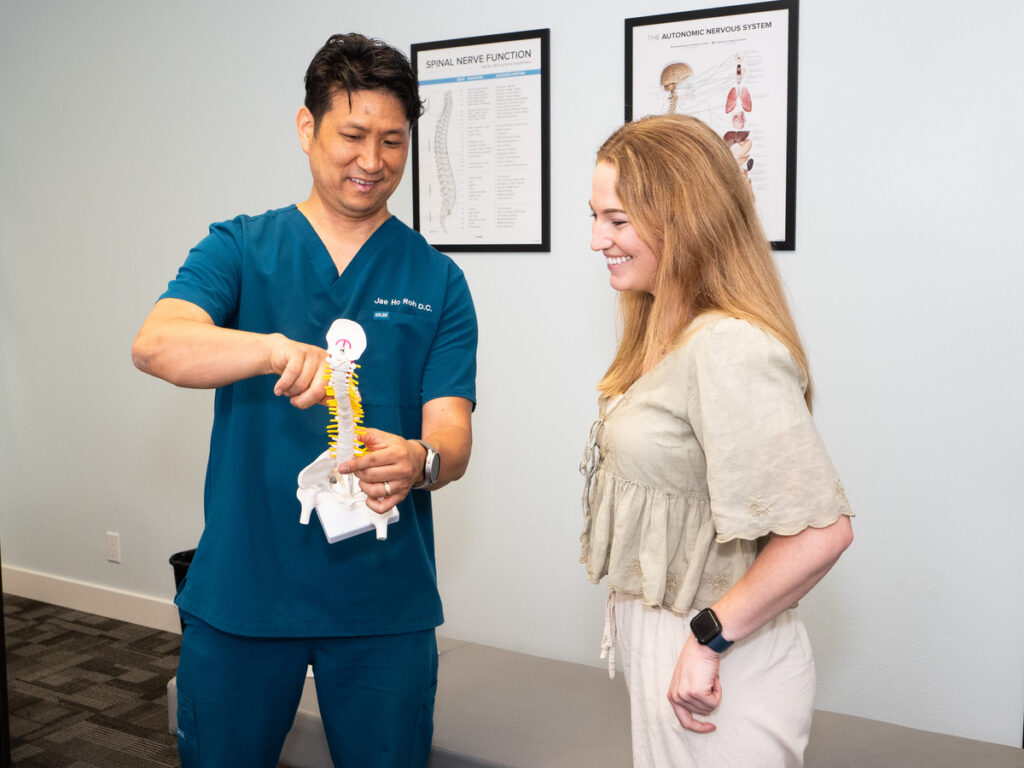
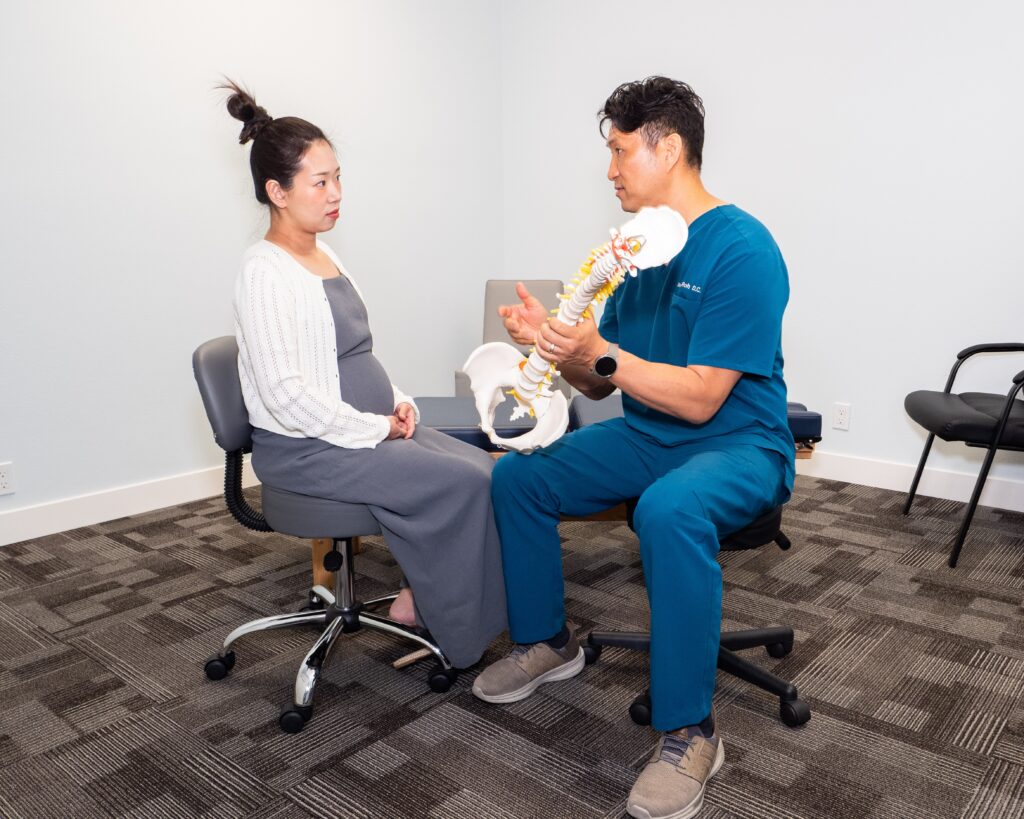
Chiropractic adjustments offer a hands-on approach to relieving chronic back pain without invasive procedures. When you visit a chiropractor, they'll assess your spine and overall posture, identifying misalignments that might be contributing to your discomfort. Through targeted adjustments, they'll help restore your spine's natural alignment, which can alleviate pressure on nerves and reduce pain.
These adjustments can improve your range of motion and enhance your overall mobility. You might notice immediate relief after a session, but consistent visits often yield the best long-term results.
Chiropractors often incorporate therapies like massage or stretching to complement the adjustments, further enhancing your recovery.
It's essential to communicate openly with your chiropractor about your pain levels and any concerns you have. They'll tailor their approach to meet your specific needs, ensuring you feel comfortable throughout the process.
While chiropractic care isn't a one-size-fits-all solution, many people find it an effective part of their pain management strategy.
## Physical Therapy Techniques
Effective physical therapy techniques play an indispensable role in managing chronic back pain. These techniques focus on strengthening muscles, improving flexibility, and enhancing overall function, which can markedly reduce pain and improve your quality of life.
One of the primary methods you might experience is targeted exercises designed to strengthen your core and back muscles. By building strength in these areas, you're better equipped to support your spine and mitigate pain.
Another crucial component is manual therapy, which includes hands-on techniques like stretching, joint mobilization, and soft tissue manipulation. These methods help to relieve muscle tension and improve mobility, allowing you to move more freely without discomfort.
Your therapist may also incorporate modalities like heat, ice, or electrical stimulation to further alleviate pain and promote healing.
Additionally, posture training is essential in preventing further injury. Your therapist will teach you how to maintain proper posture during daily activities, reducing strain on your back. They'll likely provide education on ergonomics, making sure your workspace is set up to support your body effectively.
Lastly, a personalized physical therapy program guarantees that your specific needs are addressed. Regular sessions offer ongoing assessment and adjustments to your treatment plan, keeping you on track toward your recovery goals.
Holistic Approaches to Pain Relief
When tackling chronic back pain, holistic approaches can make a significant difference.
By incorporating mindfulness and meditation techniques, you can enhance your mental resilience, while nutrition and lifestyle changes support your overall well-being.
Let's explore how these strategies can empower you to manage pain more effectively.
Mindfulness and Meditation Techniques
Mindfulness and meditation techniques offer powerful, non-invasive ways to manage chronic back pain. By focusing your mind and cultivating awareness, you can create a mental space that allows for relaxation and pain relief.
Integrating these practices into your daily routine can help you regain control over your body and mind.
Here are three effective techniques to contemplate:
- Breath Awareness: Sit comfortably, close your eyes, and take slow, deep breaths. Focus on the rise and fall of your abdomen. This simple practice calms your nervous system and reduces tension in your back.
- Body Scan Meditation: Lie down or sit comfortably and mentally scan your body from head to toe. Notice any areas of tension or pain, and consciously relax those muscles. This technique helps bring your awareness to areas needing attention.
- Guided Visualization: Picture a serene landscape or a comforting scene in your mind. Visualize warmth and healing light flowing into your back, easing discomfort. This imagery can foster a sense of peace and relaxation.
Incorporating these mindfulness techniques into your life can empower you to manage chronic back pain effectively.
Nutrition and Lifestyle Changes
Nutrition and lifestyle changes play an important role in managing chronic back pain holistically. When you focus on what you eat and how you live, you can greatly impact your overall well-being and pain levels.
A balanced diet rich in anti-inflammatory foods, like fruits, vegetables, whole grains, and healthy fats, can help reduce inflammation that contributes to back pain. Omega-3 fatty acids, found in fish and flaxseeds, are particularly effective.
Staying hydrated is also vital; water helps maintain the elasticity of your spinal discs. Regular physical activity, tailored to your abilities, strengthens your back muscles and improves flexibility. Low-impact exercises like swimming or walking are great options.
Moreover, prioritize sleep and stress management. Quality sleep allows your body to heal, while stress can exacerbate pain. Incorporate relaxation techniques, such as yoga or tai chi, into your routine to enhance your physical and mental health.
Lastly, consider avoiding habits like smoking and excessive alcohol consumption, as they can hinder recovery and increase pain sensitivity.
Innovative Technologies in Treatment
Innovative technologies are shaking up the landscape of chronic back pain treatment, offering patients effective non-invasive options.
You'll find that these advancements not only alleviate pain but also enhance your overall quality of life.
Let's explore three promising technologies making waves in this field:
- Transcranial Magnetic Stimulation (TMS): This non-invasive procedure uses magnetic fields to stimulate nerve cells in your brain. It can help reduce pain perception and improve your mood, making a significant difference in your daily life.
- Bioelectronic Medicine: This cutting-edge approach involves implanting small devices that deliver electrical pulses to specific nerves. These pulses can interrupt pain signals before they reach the brain, providing relief without the need for medication or surgery.
- Virtual Reality Therapy: By immersing you in a virtual environment, this technology helps distract your mind from pain. It also encourages relaxation and can even assist in physical therapy exercises, making rehabilitation more engaging.
These innovative solutions are paving the way for a future where chronic back pain doesn't dictate your life.
As you consider your options, remember that these technologies offer unique pathways to relief without invasive procedures.
Embracing these advancements could empower you to reclaim the activities you love, free from the burden of persistent pain.
Comparing Effectiveness of Treatments
When it comes to chronic back pain relief, understanding the effectiveness of various treatments is essential for making informed decisions. You'll find numerous non-invasive options, each with its unique advantages and limitations. To effectively compare these treatments, consider factors like pain reduction, duration of relief, and your personal lifestyle.
Physical therapy is often a go-to choice. It focuses on strengthening muscles, improving flexibility, and enhancing posture, which may lead to significant pain relief over time. Studies show that ongoing sessions can yield sustainable results, making it a solid option for many.
On the other hand, chiropractic care emphasizes spinal adjustments and alignment. Many patients report immediate relief after sessions, but the long-term effectiveness can vary. While some experience lasting benefits, others may need frequent visits to maintain results.
Acupuncture is another popular alternative. This ancient practice involves inserting needles into specific points on the body. Research indicates it can effectively reduce chronic pain for some individuals, although results can be inconsistent.
Finally, mindfulness and relaxation techniques, like yoga and meditation, have gained traction. These methods help address the psychological aspects of pain and can improve your overall well-being. However, they often require a commitment to practice regularly for the best results.
Conclusion
To summarize, exploring non-invasive solutions for chronic back pain can greatly enhance your quality of life. By integrating physical therapy, holistic practices, and innovative technologies, you can find relief without surgery or medication. Each approach offers unique benefits, and discovering what works best for you is key. Remember, addressing both the physical and psychological aspects of pain can lead to lasting results, so take charge of your recovery journey and embrace these effective alternatives.