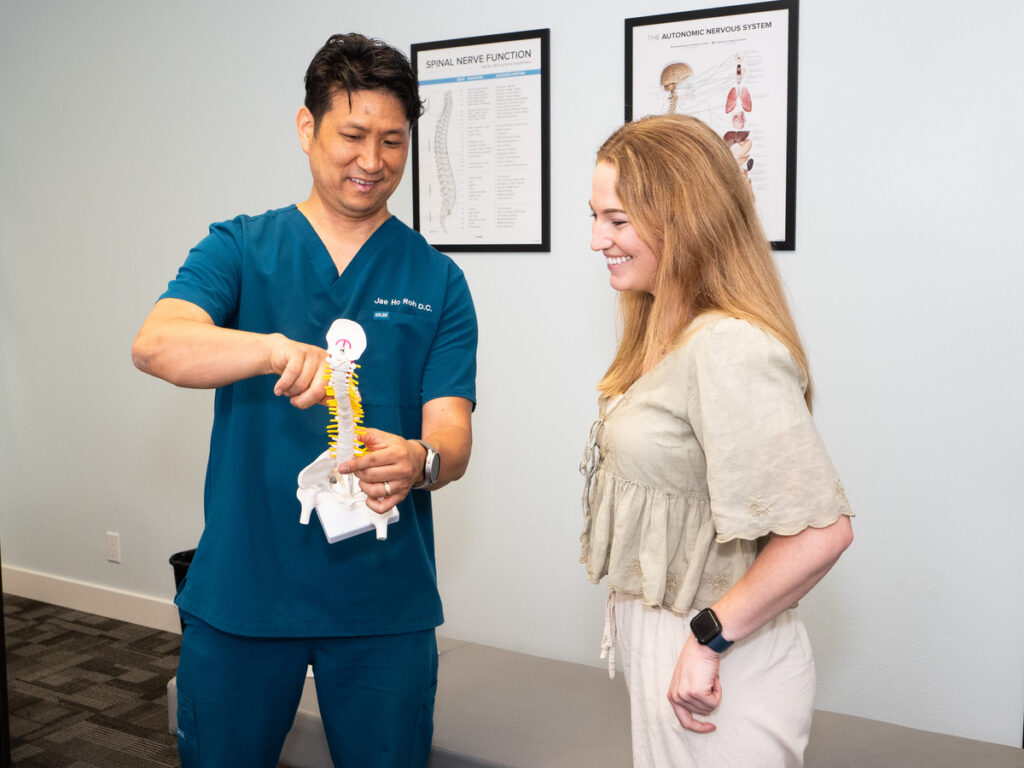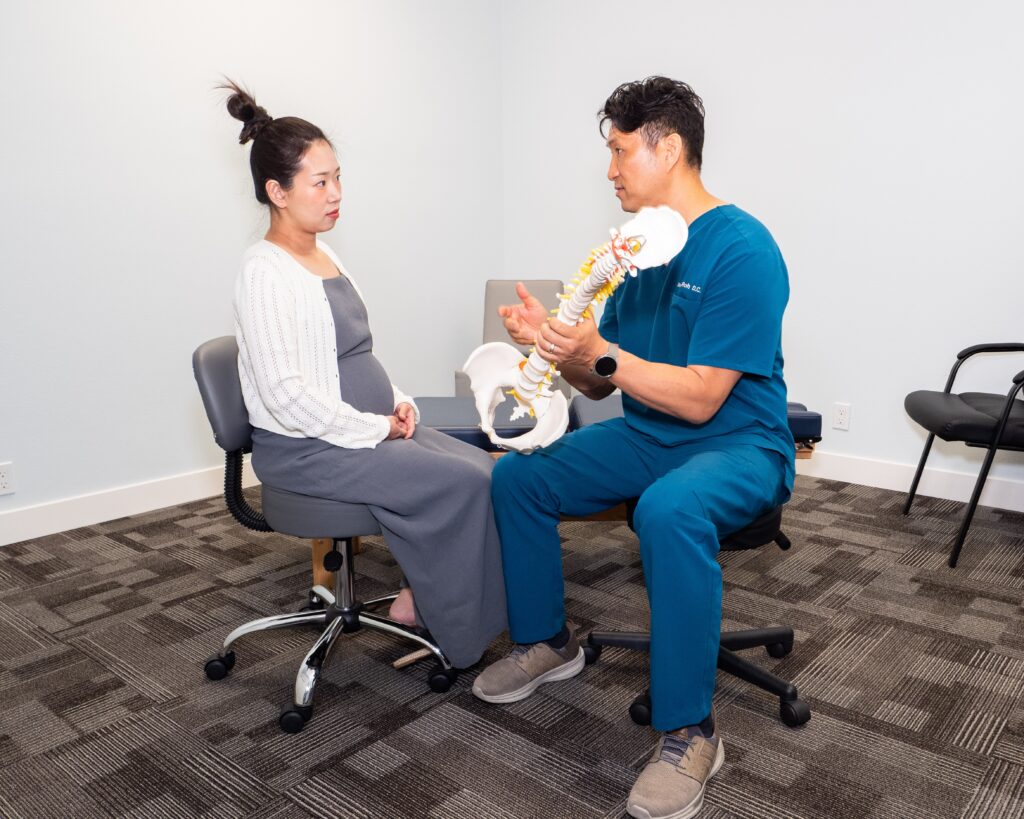

As a local chiropractor, I understand that dealing with back pain can significantly impact your daily life and overall well-being. It's important to recognize that simple changes in your posture, targeted exercises, and temperature therapy can play a crucial role in relieving discomfort. Many patients are surprised to learn how effective these natural techniques can be in not only easing their pain but also preventing future issues.
Let's explore some specific strategies that you can incorporate into your routine to help ensure lasting relief. By understanding how your body works and utilizing these approaches, you can take proactive steps toward a healthier, pain-free life. Remember, chiropractic care is here to support you on this journey to wellness.
Understanding Back Pain
As a local chiropractor, I want to help you understand the common issue of back pain that many people face at some point in their lives. Back pain can arise from a variety of sources, including muscle strains, poor posture, and even underlying medical conditions. It's crucial to uncover the root cause of your discomfort to find effective relief.
Take a moment to reflect on your daily activities. Are you lifting objects improperly? Do you find yourself sitting for long periods, hunched over a computer? These habits can lead to muscle fatigue and tension in your back. Your posture—whether sitting or standing—plays a significant role in maintaining the health of your spine.
In some instances, persistent back pain may be indicative of a more serious condition, such as a herniated disc or spinal stenosis. If your pain continues or intensifies, I encourage you to seek the guidance of a healthcare professional. As a chiropractor, I can help identify the exact cause of your pain and recommend natural treatment options that promote healing without the need for invasive procedures.
Additionally, let's consider the role of lifestyle factors in your back health. A lack of regular exercise can weaken your core muscles, which are essential for supporting your spine. Maintaining a healthy weight is also important, as carrying excess weight can place additional strain on your back.
In our practice, we focus on natural healing techniques to alleviate pain, improve posture, and enhance overall wellness. Together, we can work towards a healthier, pain-free back.
Importance of Good Posture
As your local chiropractor, I want to emphasize the significant role good posture plays in alleviating back pain and promoting overall health.
Proper alignment is crucial; it helps to minimize the strain on your muscles and joints, which can lead to discomfort and pain.
Let's discuss some practical tips for sitting correctly and some exercises that can enhance your posture, leading to a healthier, pain-free life.
Understanding these concepts is a vital step towards your journey of natural healing and wellness.
Benefits of Proper Alignment
As your local chiropractor, I want to emphasize the vital importance of proper alignment for your overall health and comfort. Many people aren't aware that maintaining good alignment can significantly reduce the risk of back pain. When your body is in alignment, it functions more efficiently, which leads to improved movement and flexibility. This means you'll be less likely to experience discomfort or strain in your everyday activities.
Good posture isn't just about looking good; it plays a crucial role in supporting your spine and promoting optimal organ function. When your body is aligned, it allows for better circulation and digestion, as your organs have the space they need to function properly. You may even notice that breathing becomes easier, facilitating better oxygen flow throughout your system.
Moreover, proper alignment can have a positive impact on your mood and energy levels. When you maintain correct posture, you're less likely to feel fatigued or stressed, which can enhance your mental clarity. Additionally, adopting a confident posture can boost your self-esteem, helping you feel more positive and engaged in social situations.
Ultimately, prioritizing proper alignment is essential not only for alleviating back pain but also for enhancing your overall well-being. By committing to good posture and considering chiropractic care, you're making an investment in a healthier, more active lifestyle.
Embrace the benefits of proper alignment, and you'll notice a significant difference in your daily life. If you have any questions or would like to learn more about how chiropractic care can help you achieve better alignment, please feel free to reach out.
Tips for Sitting Correctly
As a local chiropractor, I want to share some essential tips for maintaining a healthy posture while sitting, as it plays a crucial role in preserving the benefits of proper spinal alignment.
First and foremost, it's important to choose a chair that provides adequate support for your lower back. When seated, your feet should rest flat on the floor or on a footrest, with your knees positioned at or slightly below hip level. This alignment helps distribute your weight evenly and minimizes strain on your spine.
Make sure to keep your back straight and your shoulders relaxed—avoid slouching. Your elbows should stay close to your body, ideally forming a 90-degree angle while you're typing or using a mouse. This setup helps reduce tension in your shoulders and neck, which is vital for preventing discomfort.
Additionally, position your screen at eye level to avoid leaning forward, a common habit that can lead to pain over time.
Remember to take short breaks every 30 minutes to stand, stretch, or walk around. These breaks aren't just a good practice for relieving pressure on your spine; they also enhance circulation, which is important for overall health.
If you find yourself sitting for extended periods, consider using a lumbar roll or cushion to provide extra support for your lower back.
By following these simple tips, you can create a more supportive environment for your posture, significantly reducing your risk of back pain and promoting your overall well-being.
If you have any questions about how chiropractic care can further assist you in maintaining a healthy spine, feel free to reach out. Your health is our priority!
Exercises for Posture Improvement
As a local chiropractor, I want to emphasize the importance of posture for your overall health and well-being. Maintaining good posture isn't just about standing tall; it's about reducing strain on your back and ensuring your body is properly aligned. By incorporating specific exercises into your daily routine, you can strengthen the muscles that support your spine and enhance your posture.
Let's start with a great exercise called the wall angel. To perform this, stand with your back against a wall, keeping your heels about six inches away from it. Make sure to press your lower back, shoulders, and head against the wall. Then, raise your arms to form a "W" shape and slide them up and down while maintaining contact with the wall. Aim for 10-15 repetitions. This exercise can help open up your chest and improve your shoulder alignment.
Next, I recommend the cat-cow stretch, which is excellent for spinal mobility. Get on your hands and knees, ensuring your wrists are directly under your shoulders and your knees under your hips. Inhale as you arch your back and look up (this is the cow position), and then exhale as you round your spine and tuck your chin (the cat position). Repeat this cycle for about 10 rounds. This stretch can help relieve tension in your spine and promote flexibility.
Finally, let's talk about planks, which are fantastic for building core strength. To perform a plank, position yourself on your forearms and toes, keeping your body in a straight line from head to heels. Start by holding this position for 20-30 seconds, and as you build strength, gradually increase the duration. A strong core is essential for better posture and can significantly reduce your risk of back pain.
These exercises are simple yet effective ways to support your spine's health and improve your posture. Remember, taking care of your posture not only enhances your physical appearance but also plays a critical role in your overall health.
If you have any questions about these exercises or chiropractic care, feel free to reach out!
Stretching and Flexibility Exercises
As a local chiropractor dedicated to helping you achieve optimal health, I want to emphasize the importance of incorporating stretching and flexibility exercises into your daily routine.
These practices can be incredibly beneficial in alleviating back pain and enhancing your overall mobility. Stretching not only helps to release built-up tension in your muscles but also promotes better blood circulation and increases your range of motion.
Whether you're at home, in the office, or at the gym, investing time in these exercises can lead to significant improvements in how you feel.
Allow me to share four effective stretching and flexibility exercises that you can easily add to your routine:
- Cat-Cow Stretch: Begin on your hands and knees. As you inhale, arch your back, lifting your head and tailbone towards the sky (this is the Cow position). Then, exhale while rounding your spine, tucking your chin and pelvis under (the Cat position). This dynamic movement is excellent for mobilizing your spine and relieving tension.
- Child's Pose: Kneel on the floor, sit back on your heels, and reach your arms forward on the ground. Take deep breaths as you let your chest sink toward the floor. This stretch gently elongates the spine and offers a comforting release for your back.
- Seated Forward Bend: Sit with your legs extended straight in front of you. Inhale and raise your arms overhead, then exhale as you hinge at the hips to reach for your feet. This stretch effectively targets your hamstrings and lower back, helping to alleviate tightness.
- Torso Twist: Position yourself cross-legged or seated in a chair. Place your right hand on your left knee and gently twist your torso to the left. Hold this position for a few breaths before switching sides. This exercise enhances spinal flexibility and aids in relieving tension.
By incorporating these stretches into your daily regimen, you may find noticeable improvements in both your back pain and overall flexibility.
As your chiropractor, I'm here to support you on your journey to natural healing and wellness.
Strengthening Core Muscles
As a local chiropractor, I want to emphasize the importance of strengthening your core muscles in alleviating back pain and enhancing your overall stability. Many people mistakenly believe that their core is solely their abdominal muscles, but it actually encompasses a larger group of muscles, including those around the pelvis, lower back, hips, and abdomen.
When these muscles are strong, they provide crucial support for your spine, which can help reduce strain and prevent injuries.
To begin your journey towards a stronger core, consider incorporating specific exercises that target these essential areas. One excellent exercise is the plank. This simple yet effective move engages multiple muscle groups simultaneously.
To perform a basic plank, lie face down, prop yourself up on your forearms, and lift your body into a straight line from head to heels. Aim to hold this position for 20-30 seconds, gradually increasing the duration as your strength improves.
Another beneficial exercise is the bird-dog. Start on all fours, ensuring your back remains flat. Extend your right arm forward while simultaneously stretching your left leg back. Hold this position briefly, then switch sides.
This movement not only strengthens your core but also enhances your balance and coordination, which are vital for everyday activities.
Lastly, I encourage you to try pelvic tilts, which are straightforward yet effective. Lie on your back with your knees bent and feet flat on the floor. Tighten your abdominal muscles and gently tilt your pelvis upward to flatten your lower back against the floor.
Hold this position for a few seconds, then release.
Integrating these exercises into your routine can significantly improve your core strength, leading to better spinal support and a reduction in discomfort.
As always, if you have any questions or need personalized guidance, feel free to reach out during your next visit. Your journey to wellness is important, and I'm here to help!
Heat and Cold Therapy
As a local chiropractor, I want to share how heat and cold therapy can be invaluable in managing back pain. These methods aren't just simple remedies; they provide distinct benefits that can complement your overall healing process.
If you're seeking relief from tight muscles or looking to combat inflammation, understanding how to effectively use these techniques can make a significant difference in your recovery.
Heat therapy is excellent for relaxing tense muscles and improving circulation, while cold therapy is ideal for reducing swelling and numbing sharp pain.
By incorporating these natural approaches into your routine, you can enhance your body's ability to heal itself.
Let's delve deeper into how you can use heat and cold therapy to achieve the maximum relief you deserve.
Benefits of Heat Therapy
As a local chiropractor, I often recommend heat therapy to my patients seeking relief from back pain. It's a simple yet effective method that many may not be familiar with, but it can significantly enhance your comfort and support your recovery process.
When you apply heat to your back, it promotes better blood circulation, which in turn encourages healing and alleviates stiffness. This technique is particularly beneficial for individuals struggling with chronic pain or muscle tension.
Let me share with you four essential benefits of incorporating heat therapy into your routine for back pain relief:
- Muscle Relaxation: Heat therapy works wonders in soothing tight muscles, allowing them to unwind and consequently reducing discomfort.
- Enhanced Flexibility: The warmth from heat therapy helps your muscles and joints become more pliable, making movement easier and less painful.
- Effective Pain Relief: Heat can effectively dull pain signals, providing immediate relief from aches and soreness, which can be a game changer for those experiencing persistent discomfort.
- Psychological Comfort: The gentle warmth can have a calming effect on your mind, helping to reduce stress and improve your overall sense of well-being.
Utilizing heat therapy can be as easy as wrapping a warm towel around your back, using a heating pad, or enjoying a warm bath.
Just be sure to keep the heat at a comfortable level to avoid any burns. If you have any questions about how heat therapy can complement your chiropractic care, don't hesitate to ask!
Benefits of Cold Therapy
As a local chiropractor, I want to share with you the incredible benefits of cold therapy, especially for those managing back pain. Many of you may be familiar with heat therapy, which is wonderful for soothing discomfort, but cold therapy brings its own unique advantages that can play a vital role in your recovery.
When you apply cold therapy, it works to numb the affected area, providing immediate relief from pain and discomfort. This numbing effect is particularly beneficial after an injury or during a flare-up, allowing you to regain your mobility more quickly and comfortably.
One of the standout benefits of cold therapy is its ability to reduce inflammation. By constricting blood vessels, cold therapy helps limit swelling and can manage bruising that may accompany an injury. This is especially important for those of you dealing with recent injuries or chronic conditions like arthritis.
Additionally, cold therapy can be effective in preventing muscle spasms. The cold temperature helps relax tense muscles, providing a sense of relief and promoting overall relaxation, which is crucial for your healing process.
Incorporating cold therapy into your routine can lead to quicker recovery times and enhanced comfort.
Application Techniques Explained
As a local chiropractor, I want to help you understand how to effectively manage back pain using natural healing methods like heat and cold therapy. Each technique has its own set of benefits, and when used correctly, they can provide significant relief. Here's how to apply them effectively:
1. Cold Therapy: For immediate relief, especially after an injury, cold therapy is essential. You can use ice packs or even a bag of frozen vegetables wrapped in a towel.
Apply it to the painful area for 15-20 minutes, making sure to take breaks to avoid skin damage. This method helps reduce inflammation and numbs sharp pains, giving your body a chance to heal.
2. Heat Therapy: For ongoing discomfort, heat therapy can be incredibly beneficial. Use a heating pad, a hot water bottle, or a warm towel.
Apply heat for 15-30 minutes to promote blood flow and relax tight muscles. This is particularly helpful for chronic pain and tension in your back.
3. Alternate Methods: Don't hesitate to switch between heat and cold therapy. Begin with cold applications to tackle inflammation and then follow up with heat to help relax the muscles.
This combination can enhance your overall relief and improve your comfort levels.
4. Timing: Remember, timing is key. Use cold therapy right after an injury occurs, while heat therapy is best suited for ongoing pain or muscle tightness.
Pay attention to how your body responds, as this will guide you in determining the most effective timing for each method.
By incorporating these simple techniques into your routine, you can take an active role in managing your back pain naturally.
If you have any questions or need further guidance, don't hesitate to reach out!
Mindfulness and Relaxation Techniques
As your chiropractor, I want to emphasize the often-overlooked benefits of mindfulness and relaxation techniques in managing back pain. These practices can play a significant role in your healing journey by helping you become more in tune with your body and its sensations. By focusing on the present moment, you can develop a better understanding of your pain while reducing the stress that can often make it worse.
I recommend starting with mindfulness meditation. Dedicate a few minutes each day to find a quiet space where you can sit comfortably and close your eyes. Focus your attention on your breath and notice how your abdomen rises and falls. It's normal for your mind to wander, but when it does, gently guide your focus back to your breath. This practice not only helps to lower anxiety but also teaches you how to respond to pain with greater ease rather than tension.
Another technique I find beneficial is progressive muscle relaxation. This involves systematically tensing and then relaxing different muscle groups, starting from your toes and working your way up to your head. By doing this, you can release physical tension and gain insight into where you might be holding stress in your body, which is crucial for your overall well-being.
In addition, incorporating deep breathing exercises into your daily routine can make a noticeable difference. Take slow, deep breaths, inhaling through your nose and exhaling through your mouth. This practice calms your nervous system and can help alleviate muscle tension in your back, enhancing your recovery process.
Professional Treatments and Therapies
As a local chiropractor, I understand that many of you may be unfamiliar with how chiropractic care can play a vital role in your recovery from back pain. Seeking professional treatments and therapies is essential, and I'm here to explain how my approach can help you on your journey to relief.
- Chiropractic Care: At our clinic, we focus on hands-on spinal manipulation and various techniques to align your musculoskeletal structure. By correcting misalignments in your spine, we can relieve pressure on nerves and reduce discomfort. Chiropractic adjustments can be particularly effective in restoring mobility and alleviating pain.
- Personalized Treatment Plans: Each patient is unique, and I take the time to assess your specific needs. After a thorough examination, I develop a tailored treatment plan that may include adjustments, exercises, and lifestyle recommendations to support your recovery and overall well-being.
- Complementary Therapies: In addition to chiropractic adjustments, I often incorporate other natural healing methods such as therapeutic exercises and stretches to enhance your treatment. This holistic approach aims to strengthen the muscles surrounding your spine, improve flexibility, and promote long-term relief.
- Patient Education: I believe that understanding your body and the healing process is key to recovery. During our sessions, I'll educate you about your condition, explain the benefits of chiropractic care, and empower you with knowledge about maintaining a healthy spine.
If you're experiencing back pain, I invite you to explore chiropractic care as a natural and effective solution. Together, we can work towards a pain-free life and help you get back to doing the things you love.
Lifestyle Modifications
As a local chiropractor, I want to share with you some simple lifestyle modifications that can significantly enhance your back health and overall well-being.
First and foremost, let's talk about posture. It's essential to be mindful of how you sit, stand, and walk. Always keep your shoulders relaxed and your spine aligned. If you spend long hours at a desk, ensure that your chair offers adequate support, and make it a habit to take regular breaks to stretch and move around.
Next, let's discuss the importance of physical activity. Incorporating regular exercise into your daily routine can help strengthen your back and core muscles, which in turn reduces the risk of injury. I recommend focusing on low-impact activities such as swimming, walking, or yoga. These exercises are gentle on your body while promoting flexibility and strength.
Aim for at least 30 minutes of activity most days of the week to reap the benefits.
Nutrition also plays a crucial role in maintaining a healthy back. Eating a balanced diet that includes plenty of fruits, vegetables, whole grains, and lean proteins can assist in keeping your weight in check. Remember, excess weight can put additional strain on your back, so managing your nutrition is key.
Staying hydrated is equally important; proper hydration supports your spinal discs and overall joint health.
Let's not overlook the significance of sleep. Ensure you're resting on a supportive mattress and using a pillow that maintains alignment between your neck and spine. Establishing a regular sleep schedule can also promote more restful nights.
Lastly, managing stress is vital for your back health. Practices such as mindfulness, meditation, or deep breathing exercises can greatly reduce chronic stress, which often leads to muscle tension and exacerbates back pain.
When to Seek Medical Help
As a local chiropractor, I'm here to help you understand when it's crucial to seek professional assistance for your back pain. While many individuals find relief through natural remedies or lifestyle adjustments, certain signs indicate that it's time to consult a healthcare provider—especially one focused on holistic care like chiropractic.
Here are four essential signs that suggest you should reach out for a chiropractic evaluation:
- Severe Pain: If your back pain is so intense that it interferes with your daily life or doesn't improve with rest and over-the-counter medications, it's time to get help. Chiropractic care can provide targeted relief and address the underlying issues.
- Radiating Pain: Experiencing pain that travels down your legs or into your arms could indicate nerve involvement. This is a critical signal that shouldn't be ignored. A chiropractor can assess your condition and offer treatments to alleviate this discomfort and prevent further complications.
- Loss of Function: If you're finding it difficult to stand, walk, or move your legs, don't wait to seek help. Loss of function can be indicative of a more serious issue that requires immediate attention. Chiropractic adjustments can help restore mobility and improve your overall function.
- Other Symptoms: Pay attention to additional symptoms like fever, unexplained weight loss, or issues with bowel or bladder control. These may suggest underlying conditions that need prompt evaluation. A chiropractor can work with you to address these symptoms holistically.
Remember, your health is a priority. Don't hesitate to reach out for help when you notice any of these signs. Early intervention through chiropractic care can lead to more effective treatment options and a quicker recovery.
Together, we can work toward a healthier, pain-free life!
Conclusion
As a local chiropractor, I want to share some effective techniques that can significantly aid in managing your back pain. It's essential to incorporate these practices into your daily routine for optimal results. Start by prioritizing good posture—this can greatly alleviate undue stress on your spine. Engaging in regular stretching and core strengthening exercises will also help support your back's health.
Additionally, utilizing heat and cold therapy can be beneficial in soothing discomfort. Don't overlook the power of mindfulness and making lifestyle changes; these are crucial components of natural healing. If you find that your pain persists despite these efforts, I encourage you to seek professional assistance. Your well-being is our priority, and taking proactive steps can lead you toward a pain-free and more active life. Remember, chiropractic care offers holistic approaches that can enhance your journey to recovery.