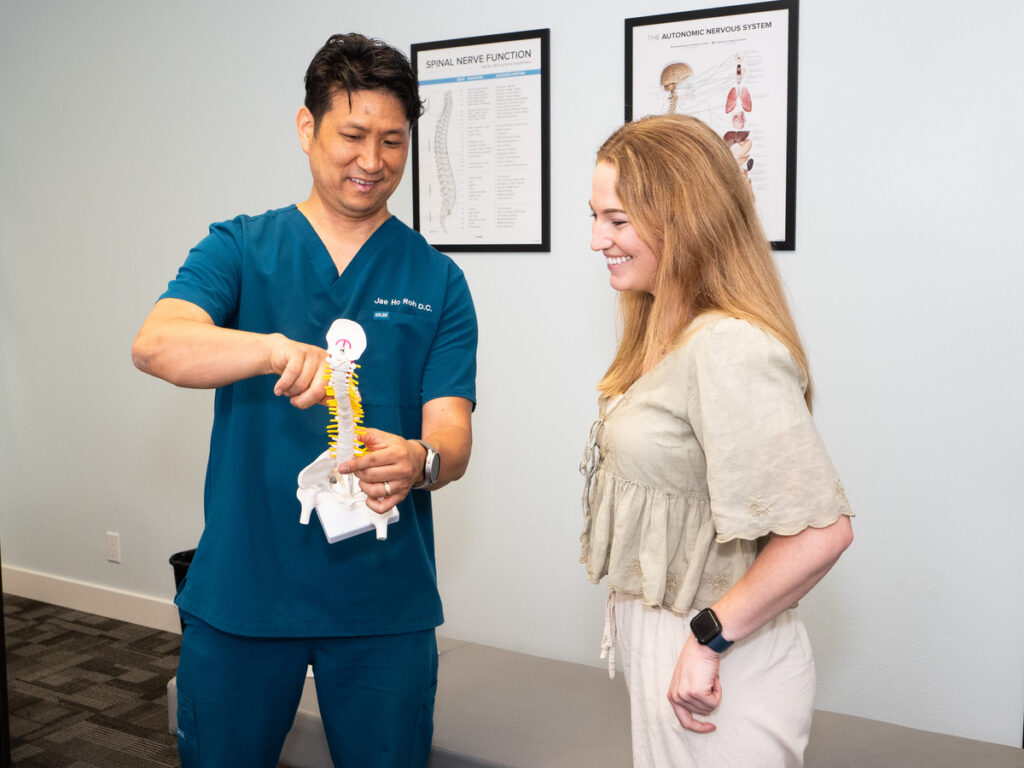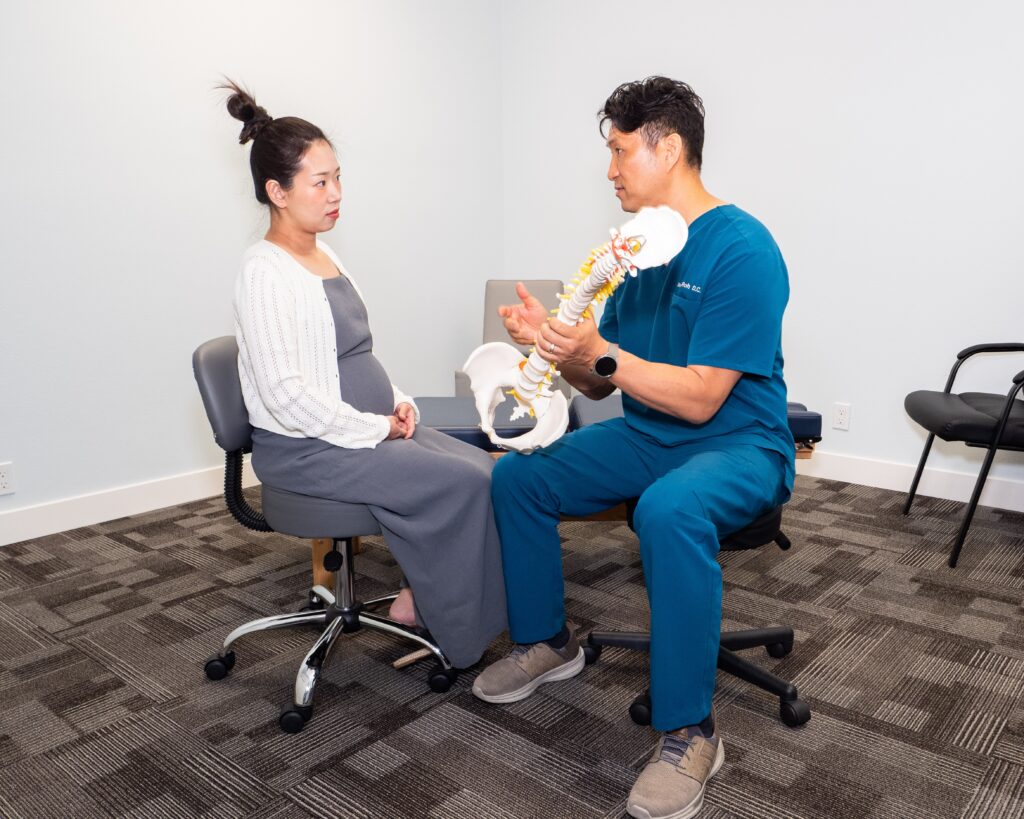

As a local chiropractor, I often see patients who are struggling with chronic back pain. It can be incredibly frustrating, but understanding the underlying causes is the first step toward finding relief. Many people are unaware that factors such as muscle strain, poor posture, and even certain lifestyle choices can significantly contribute to their discomfort. By identifying these issues, you can take proactive measures to alleviate your pain.
So, what can you do to promote long-term wellness? There are effective treatments and preventive strategies that I can guide you through, including chiropractic adjustments, exercises to strengthen your core, and tips to improve your posture. Let’s work together to explore these key aspects of natural healing and help you regain control of your health. Your journey to a pain-free life begins here!
Common Causes of Chronic Back Pain
As a local chiropractor, I want to shed some light on the common causes of chronic back pain and how understanding them can help you regain your comfort and mobility naturally.
One of the most frequent culprits is muscle or ligament strain. This often happens when people lift heavy objects or make sudden awkward movements. If you’ve had a fall or been in an accident, that trauma could also contribute to ongoing discomfort.
Another common issue is disc herniation. This occurs when the cushioning discs between your vertebrae bulge or rupture, putting pressure on nearby nerves.
Additionally, conditions such as arthritis can lead to inflammation and stiffness, making it challenging to move freely.
Structural issues like scoliosis or osteoporosis can also impact the strength and alignment of your spine, leading to pain.
It’s essential to consider lifestyle factors as well, such as obesity and a lack of exercise, which can put extra strain on your muscles and joints.
By identifying these underlying causes, we can tailor a treatment plan that addresses your specific needs.
Chiropractic care focuses on natural healing methods, helping to restore proper alignment and function to your spine and nervous system.
Together, we can work towards alleviating your pain and improving your quality of life.
The Role of Posture in Back Pain
As a local chiropractor, I want to emphasize the crucial role that good posture plays in both preventing and alleviating back pain. When you maintain proper alignment while sitting, standing, or moving, you help evenly distribute your weight across your spine and muscles. This practice significantly reduces strain on your back and promotes overall well-being.
Conversely, slouching or leaning can lead to muscle fatigue and discomfort, exacerbating any existing pain you may already be experiencing.
To cultivate good posture, it’s important to be aware of your body position throughout the day. When you sit, ensure your feet are flat on the floor and that your back is well-supported. If your day involves standing for extended periods, make a habit of shifting your weight between your feet and engaging your core muscles to provide stability.
Moreover, I encourage you to take regular breaks to stretch and move around, particularly if your work requires prolonged sitting.
Remember, improving your posture isn’t just about achieving immediate relief; it’s also a proactive measure to prevent future back pain. By incorporating these simple adjustments into your daily routine, you empower yourself to manage your discomfort and reduce the risk of chronic issues effectively.
As your chiropractor, I’m here to support you on this journey to better health through natural healing practices.
Injuries and Their Impact on Chronic Pain
As a local chiropractor, it’s important to understand how injuries can significantly influence the development of chronic back pain. Many people believe that once an injury heals, they can return to their normal activities without issue. However, this isn’t always the case.
After an injury, scar tissue can form, muscles may weaken, and the body often adopts compensatory movements to avoid pain. These adaptations can lead to new problems down the line.
If you’ve had an injury in the past, you might notice that certain activities still cause discomfort, even years later. This lingering pain is often a result of altered biomechanics, where your body compensates for the initial injury, placing chronic strain on surrounding muscles and joints.
Recognizing the connection between past injuries and ongoing pain is crucial for your overall well-being. As a chiropractor, I can help you address these issues through natural healing methods such as chiropractic adjustments, physical therapy, and targeted exercises.
Medical Conditions Associated With Back Pain
As a local chiropractor, I want to help you understand that chronic back pain can often stem from a range of medical conditions.
Common culprits like herniated discs, osteoarthritis, and spinal stenosis can significantly contribute to your discomfort.
By gaining insight into these issues, you can take proactive steps towards managing your pain and exploring natural healing options.
Chiropractic care focuses on addressing the root causes of your pain through gentle adjustments and holistic techniques, promoting your body’s ability to heal itself.
Together, we can work towards improving your quality of life and enhancing your overall well-being.
Herniated Disc Issues
As a local chiropractor, I understand how debilitating a herniated disc can be. This common condition can lead to chronic back pain that affects your daily life.
When the soft inner material of a spinal disc protrudes through a crack in the tougher outer layer, it can put pressure on nearby nerves, resulting in pain, numbness, or weakness in your back and limbs. You might find that certain movements make your discomfort worse, making even simple tasks feel challenging.
The good news is that there are natural treatment options available to help alleviate your symptoms. Chiropractic care focuses on restoring proper alignment and function to your spine, which can relieve pressure on nerves and promote healing.
Additionally, we may incorporate physical therapy exercises and lifestyle modifications to further support your recovery.
It’s essential to address these issues early on to manage your symptoms effectively and prevent further complications. If you suspect you have a herniated disc, I encourage you to consult with a healthcare professional—especially a chiropractor—to discuss your symptoms and explore the best path toward relief through natural healing methods.
Together, we can work towards restoring your health and improving your quality of life.
Osteoarthritis Impact
As a local chiropractor, I often see patients struggling with chronic back pain, and one of the common causes of this discomfort is osteoarthritis. This condition is a degenerative joint disease that occurs when the cartilage that cushions your joints begins to break down. In the back, this can lead to pain and stiffness, as the bones start to rub against each other when the cartilage wears away.
You may find that your back pain intensifies with movement or after sitting for extended periods. Osteoarthritis can also restrict your range of motion, making simple daily activities more difficult. It’s crucial to be aware of these symptoms and seek guidance on how to manage them effectively.
Through chiropractic care, we focus on natural healing methods that can help alleviate your pain and improve your mobility. Treatment options may include targeted adjustments, physical therapy, and lifestyle recommendations that aim to enhance your overall well-being.
Our goal is to help you regain your quality of life and minimize the impact of osteoarthritis on your back. If you’re experiencing these symptoms, don’t hesitate to reach out for a consultation!
Spinal Stenosis Factors
As your local chiropractor, I want to help you understand some important factors that contribute to spinal stenosis and how they relate to the back pain you may be experiencing.
Spinal stenosis is a condition where the spinal canal becomes narrowed, which can put pressure on the spinal cord and nerves. This narrowing can stem from various causes, with aging, herniated discs, and the development of bone spurs being among the most common.
If you have noticed degenerative changes in your spine, it’s essential to recognize how these can impact your mobility and comfort. Many of my patients report that activities like walking or standing for extended periods can exacerbate their pain.
Additionally, inflammation resulting from arthritis can further contribute to the narrowing of the spinal canal, creating a cycle of discomfort that can be quite challenging.
At our practice, we focus on natural healing methods to manage spinal stenosis. This often includes personalized physical therapy, chiropractic adjustments, and lifestyle modifications aimed at alleviating pressure on the spine.
In some severe cases, we may refer you to a specialist for further intervention. By understanding the factors that lead to spinal stenosis, you can take proactive steps to manage your back pain and enhance your overall quality of life.
Lifestyle Factors Contributing to Discomfort
As a local chiropractor, I often see patients who are unaware of how their lifestyle choices can significantly impact their back health. Many people don’t realize that poor posture—whether you’re sitting at a desk or lounging on the couch—can place undue stress on your spine, leading to increased discomfort.
If you find yourself hunched over or slouched, it’s time to reevaluate your posture to help alleviate some of that pain.
Additionally, a sedentary lifestyle can weaken your core muscles, which play a crucial role in supporting your back. If you’re spending most of your day inactive, you might notice that your discomfort worsens over time.
Incorporating regular physical activity can strengthen those essential muscles and enhance your overall back health.
Weight management is another key factor to consider. Carrying excess weight adds pressure to your spine, which can escalate your discomfort. It’s important to find a healthy balance that works for you.
Another aspect that often goes unnoticed is the impact of smoking. Smoking can diminish blood flow and oxygen to your spine, impairing its ability to heal.
Lastly, stress can take a toll on your body, often resulting in muscle tension that may contribute to your pain.
By addressing these lifestyle factors, you can make significant strides in reducing your discomfort and improving your overall well-being.
Treatment Options for Relief
As a local chiropractor, I want to share how effective treatment options for back pain can transform your recovery journey. Many of my patients are surprised to learn about the various natural approaches available to them, tailored specifically to their unique conditions and needs.
To begin with, over-the-counter pain relievers such as ibuprofen or acetaminophen can offer quick relief for mild to moderate discomfort. However, if your pain lingers, I highly recommend considering chiropractic care. Through gentle adjustments, I can help realign your spine and improve your overall function, which can relieve pressure on nerves and alleviate discomfort.
In addition to adjustments, physical therapy can be an excellent complement to your treatment plan. A trained therapist can guide you through specialized exercises focused on strengthening your back and enhancing your flexibility, which are crucial for long-term relief.
Don’t overlook alternative therapies either; many patients find significant benefits from acupuncture or other holistic methods that I can discuss with you during our consultations.
Moreover, simple heat or cold therapy can work wonders—applying a heating pad or ice pack can help ease your pain and promote healing.
In more severe cases, I may work with your healthcare provider to explore options such as prescription medications or targeted injections to address pain directly. It’s essential to consult with a professional, like myself, to ensure that any treatment aligns with your health needs and lifestyle.
Preventive Measures to Maintain a Healthy Back
As a local chiropractor, I want to take a moment to share some important insights on maintaining a healthy back. Understanding and implementing preventive measures can significantly decrease your chances of experiencing pain and injury.
By making a few lifestyle adjustments and being conscious of how you move, you can protect your back for many years. Here are three essential strategies that I encourage my patients to consider:
1. Prioritize Good Posture: It’s crucial to be mindful of your posture, whether you’re sitting at a desk for work or lifting items around the house.
Always aim to keep your spine straight and engage your core muscles. This not only provides support to your back but also helps to minimize unnecessary strain that can lead to discomfort.
2. Embrace an Active Lifestyle: Regular physical activity is vital for strengthening your back muscles and enhancing your flexibility.
Incorporating exercises such as swimming, walking, or yoga into your routine can be incredibly beneficial for keeping your back healthy and resilient.
3. Adopt Proper Lifting Techniques: When you need to lift something, remember to bend your knees and keep the object close to your body.
This technique is key to reducing the strain on your back and significantly lowers the risk of injury.
By integrating these strategies into your daily life, you can take proactive steps towards a healthier back.
If you have any questions or want to learn more about how chiropractic care can support your journey to wellness, don’t hesitate to reach out. Your back will thank you!