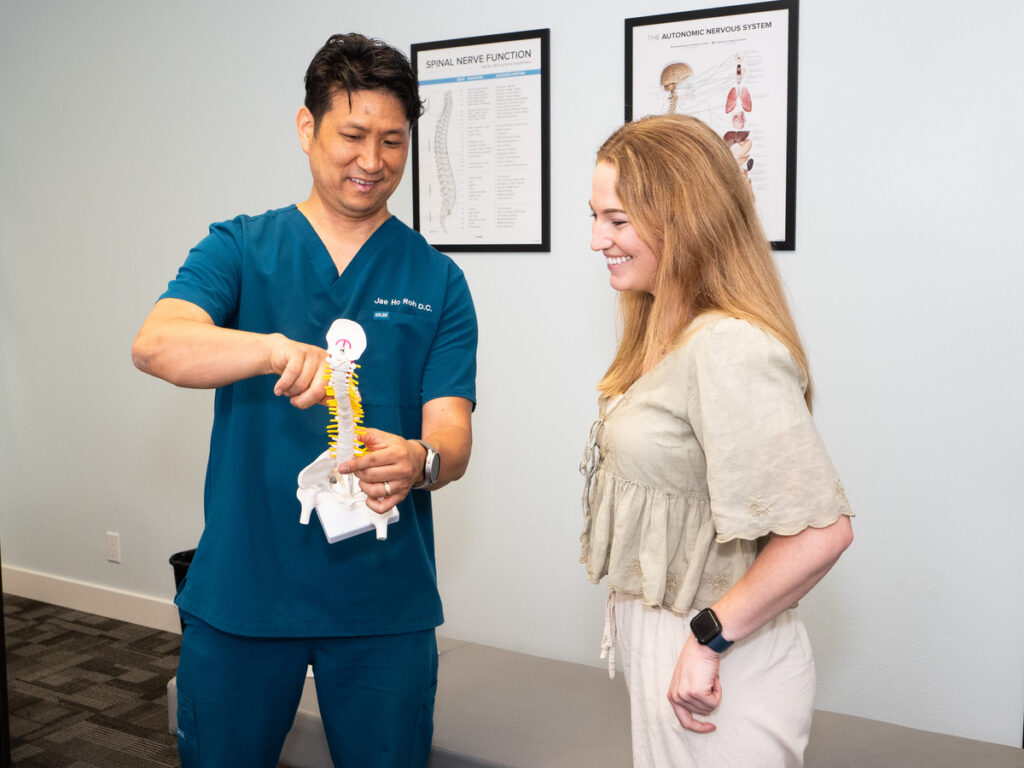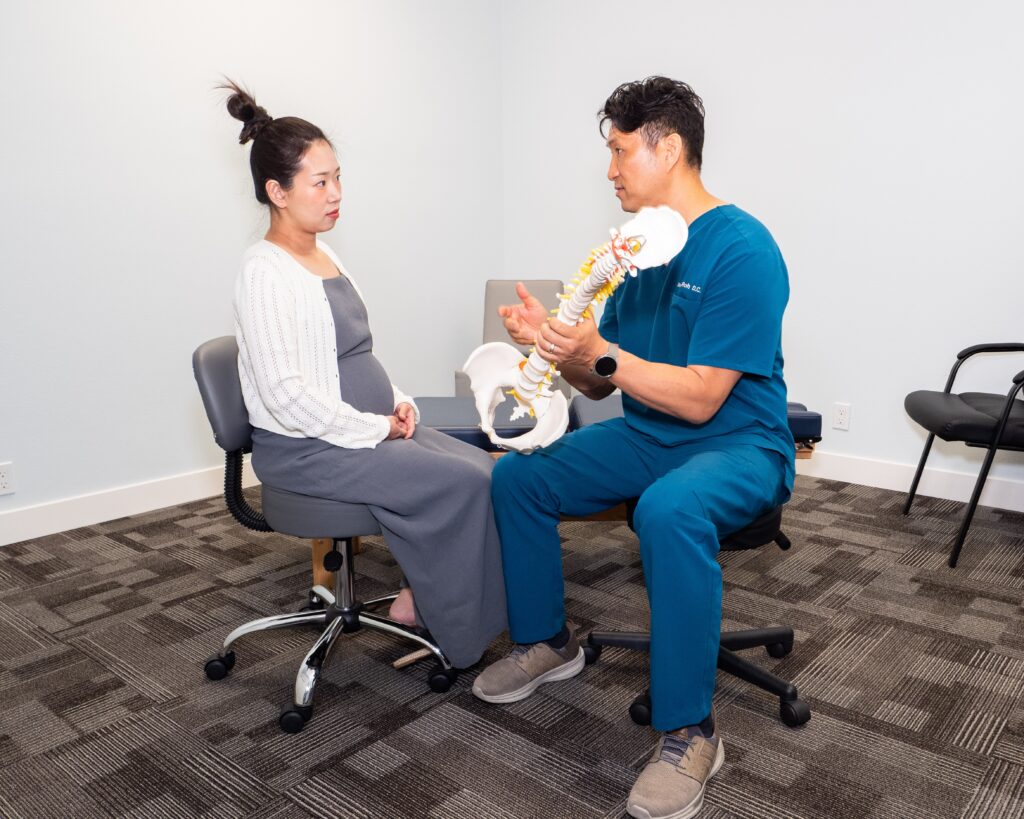

As a local chiropractor, I want to help you understand how chronic pain can significantly impact your life. Have you thought about how your daily habits might be essential in preventing such pain? By focusing on aspects like nutrition, exercise, and effective stress management, you can lay the groundwork for a healthier, pain-free life. This journey isn't solely about avoiding discomfort; it's about enhancing your overall wellness and quality of life.
In my practice, I've seen many patients find surprising links between their daily choices and their health. By incorporating chiropractic care alongside these lifestyle changes, you can take proactive steps to regain control over your health in ways you may not have considered. So, what initial steps will you take to prioritize your well-being?
Understanding Chronic Pain
Chronic pain is a common issue that affects many individuals, often interfering with daily activities and impacting overall well-being. As a chiropractor, I want to help you understand that this pain can manifest in various ways, such as a persistent ache, sharpness, or throbbing sensation that lasts longer than three months.
Unlike acute pain, which serves as a warning sign of injury, chronic pain can linger without a clear cause, making it particularly challenging to cope with. It may arise from conditions like arthritis, fibromyalgia, or even past injuries, and can affect any area of your body.
It's crucial to recognize that understanding chronic pain is key to managing it effectively. This pain doesn't just affect your physical health; it can also take a toll on your emotional and mental well-being. The ongoing discomfort can lead to feelings of frustration, anxiety, and even depression, which may result in social withdrawal.
By acknowledging that chronic pain is a complex interaction of physical, emotional, and psychological factors, you can empower yourself to seek the appropriate help, including chiropractic care.
As a chiropractor, I want to assure you that chronic pain isn't simply "in your head." While psychological factors can play a role in how you perceive pain, there are often physiological changes in your body that contribute to it. For example, issues such as altered nerve signaling and inflammation can worsen your pain experience.
Understanding this complexity is essential and can enhance your communication with healthcare providers, including myself, and help you make informed choices about your treatment options.
Taking proactive steps to learn about chronic pain can pave the way for a more empowered and informed approach to managing your condition. By educating yourself about chiropractic care and natural healing methods, you're laying the groundwork for a more effective pain management strategy that aligns with your body's natural healing processes.
Together, we can explore options that may significantly improve your quality of life.
Identifying Risk Factors
As a local chiropractor, I want to emphasize the importance of understanding the risk factors that can contribute to chronic pain.
Many people may not realize that their lifestyle choices, genetic makeup, and even their work environment can significantly influence their overall pain levels.
By identifying these factors, you can empower yourself to make healthier decisions and take proactive steps towards minimizing your risk of experiencing chronic pain.
Chiropractic care and natural healing approaches can play a vital role in addressing these issues, helping you achieve a pain-free life.
Let's work together to recognize and manage these risk factors for optimal health and well-being.
Lifestyle Choices Impacting Pain
As a local chiropractor dedicated to your well-being, I want to emphasize how your lifestyle choices can significantly influence your experience with pain. Many of my patients are often surprised to learn that factors such as diet, physical activity, and sleep quality can play a crucial role in their pain levels.
Firstly, let's talk about diet. If you find yourself consuming a lot of processed foods that are high in sugar and unhealthy fats, you may be unknowingly promoting inflammation in your body. This inflammation can manifest as chronic pain.
Instead, I encourage you to prioritize a balanced diet filled with plenty of fruits, vegetables, whole grains, and lean proteins. This can help reduce your risk of experiencing pain.
Next, consider your activity level. A sedentary lifestyle can lead to weakened muscles and joints, making you more vulnerable to discomfort. Incorporating regular physical activity, whether it's a simple walk, gentle stretching, or strength training, can enhance your strength and flexibility, ultimately supporting your body's natural alignment and reducing pain.
Sleep is another vital component of pain management. Insufficient rest can increase your sensitivity to pain, so aiming for 7-9 hours of quality sleep each night is essential for your body's healing processes. Quality sleep not only helps your body recover but also supports your overall health.
Lastly, managing stress is key. High stress can lead to muscle tension, which can exacerbate pain. Engaging in mindfulness practices, pursuing hobbies, or simply taking time to relax can greatly improve your pain tolerance and overall well-being.
Remember, the choices you make every day can have a profound impact on your pain levels. As your chiropractor, I encourage you to take proactive steps toward a healthier lifestyle to help prevent chronic pain from becoming a part of your life.
Together, we can work towards a more comfortable and pain-free future.
Genetic Predispositions and Risks
As a local chiropractor, I want to help you understand how your genetics can play a significant role in your experience with chronic pain. Many people may not realize that their genetic makeup influences how their bodies respond to injury, inflammation, and pain.
If you have a family history of chronic pain conditions like fibromyalgia or arthritis, it's important to consider how your genetic background could affect your own health.
It's also worth reflecting on how your body processes pain. Some individuals may have variations in the genes that are involved in pain perception, making them more sensitive to discomfort. For instance, certain genetic traits can amplify pain signals, while others may provide a higher threshold for pain.
By understanding these genetic factors, you can take proactive steps to manage your pain and enhance your overall well-being.
In chiropractic care, we focus on natural healing methods that can help you address pain without relying solely on medications. By recognizing your genetic predispositions, we can work together to create a personalized treatment plan that supports your unique needs and promotes optimal health.
Occupational Hazards to Avoid
As a local chiropractor, I want to emphasize the importance of identifying occupational hazards to help prevent chronic pain. Many work environments can expose you to risks that may aggravate discomfort. It's crucial to evaluate your workplace for physical hazards, such as repetitive movements, poor ergonomics, and heavy lifting.
If your job requires you to sit for long periods, it's essential to ensure that your chair and desk setup are properly aligned to support your posture.
In addition to physical factors, consider the environmental aspects of your workplace. Prolonged exposure to excessive noise, vibrations, or harmful substances can lead to chronic pain over time. If your job involves working with hazardous materials, wearing the appropriate protective gear is vital to safeguarding your health.
We also need to acknowledge psychological stressors. High-stress jobs can significantly contribute to tension and pain. It's essential to take breaks, practice stress management techniques, and communicate openly with your supervisors about any workload concerns that might be affecting your well-being.
Moreover, be aware of job-specific risks. For example, healthcare workers often face back injuries from lifting patients, while construction workers may be prone to falls. Understanding these specific hazards allows you to take proactive steps to mitigate them.
As your chiropractor, I encourage you to regularly educate yourself about safety practices and advocate for a safer work environment. By staying informed and making necessary adjustments, you can significantly reduce your chances of experiencing chronic pain related to your occupation.
Together, we can work towards a healthier and more comfortable work life!
The Role of Nutrition
As a local chiropractor, I want to help you understand how nutrition plays a crucial role in managing chronic pain. The connection between what you eat and how you feel can be quite profound. By making informed dietary choices, you may find relief from discomfort and enhance your overall well-being.
A well-balanced diet that emphasizes anti-inflammatory foods can significantly influence your health and pain levels. Incorporating items such as fatty fish, nuts, seeds, fresh fruits, and a variety of vegetables into your meals can help reduce inflammation in your body. These foods are known for their ability to combat inflammation and can be beneficial in managing pain.
On the other hand, consuming processed foods, sugars, and unhealthy fats can trigger inflammatory responses, which may lead to increased pain. It's important to be mindful of your food choices and focus on whole, nutrient-dense options. For example, adding sources of omega-3 fatty acids, like salmon or flaxseeds, into your diet can help diminish inflammation and support your pain management efforts.
Hydration is another key factor to consider. Drinking enough water is vital for maintaining joint health and ensuring your body operates efficiently. Aim for at least eight glasses of water each day to keep your joints well-lubricated and your body functioning optimally.
Let's not overlook the benefits of antioxidants, found abundantly in colorful fruits and vegetables. These powerful compounds can help fight oxidative stress and reduce inflammation. Try to include berries, spinach, and bell peppers in your daily meals.
Finally, being aware of your portion sizes and eating habits is essential. Overeating or consuming food too quickly can lead to digestive issues that may worsen your pain.
Importance of Regular Exercise
As a local chiropractor, I want to emphasize the vital role that regular exercise plays in your journey toward better health and pain management. Engaging in consistent physical activity can significantly help in preventing chronic pain while enhancing your overall well-being.
When you stay active, you not only improve your strength and endurance but also contribute positively to your mood and energy levels.
Incorporating exercise into your routine can complement chiropractic care by allowing your body to heal naturally and effectively. By understanding how movement impacts your health, you can take proactive steps to manage pain and improve your quality of life.
Benefits of Consistent Activity
As a local chiropractor, I want to emphasize the importance of consistent activity for your overall health and well-being. Regular exercise isn't just about staying fit; it plays a crucial role in preventing chronic pain and enhancing your quality of life.
When you engage in physical activities, you strengthen your muscles and improve your flexibility, which in turn supports your joints and reduces the risk of injuries. This strong foundation minimizes your chances of experiencing pain and boosts your endurance and energy levels.
It's essential to understand that maintaining a healthy weight through consistent activity can also alleviate pressure on your joints, lowering the risk of conditions such as arthritis.
Additionally, regular exercise can significantly improve your sleep quality, allowing your body to recover and recharge effectively.
As a chiropractor, I also want to highlight the emotional benefits of staying active. Exercise releases endorphins—your body's natural mood lifters—which help combat stress and anxiety. Mental well-being is intricately linked to physical health, and by staying active, you can support both.
Incorporating consistent activity into your routine is a vital part of a holistic approach to health that I encourage all my patients to embrace. Together, we can work towards a healthier, pain-free future.
Exercise and Pain Management
As your local chiropractor, I want to share how incorporating exercise into your daily routine can be a powerful tool for managing and preventing pain. Engaging in regular physical activity isn't just about improving your fitness levels; it's about actively supporting your body's natural ability to heal and feel better.
When you exercise, your body releases endorphins, which are natural pain relievers. This biochemical response can significantly alter your perception of pain and enhance your overall sense of well-being.
Furthermore, exercise is crucial for improving flexibility and strength, both of which are vital for maintaining healthy joints. By keeping your muscles and joints engaged through movement, you can help mitigate the risk of injuries that often lead to chronic pain.
Whether you prefer a brisk walk, yoga, or swimming, finding activities that you enjoy will make it easier for you to stay consistent with your routine.
Additionally, regular exercise enhances circulation, facilitating faster recovery from injuries and helping to reduce inflammation. Even short bursts of physical activity can yield impressive benefits for your body.
I recommend aiming for at least 150 minutes of moderate aerobic activity each week, along with strength training on two or more days.
Building Strength and Endurance
As a local chiropractor, I want to share the importance of building strength and endurance for maintaining an active and pain-free lifestyle. Regular exercise isn't just about staying fit; it plays a crucial role in preventing chronic pain by enhancing the muscle support around your joints. Strong muscles can absorb stress effectively, reducing the risk of injuries that often lead to discomfort.
Incorporating strength training into your weekly routine—ideally two to three times a week—is essential for overall health. I recommend focusing on exercises that target major muscle groups such as squats, lunges, and push-ups. These movements not only build functional strength but also help in performing everyday activities with ease.
In addition to strength training, don't overlook the importance of endurance exercises like walking, running, or cycling. These activities improve your cardiovascular health and boost your overall stamina.
As you work on developing your strength and endurance, you may notice an increase in energy levels and an uplifted mood. This positive change can serve as motivation to continue your exercise regimen. However, it's important to listen to your body. Gradually increasing the intensity of your workouts is key to avoiding overexertion and ensuring a safe experience.
At our practice, we believe in a holistic approach to health, which includes not only chiropractic care but also encouraging our patients to engage in regular physical activity to promote healing and well-being. By strengthening your body, you can enhance your resilience against pain and improve your overall quality of life.
Stress Management Techniques
As a local chiropractor, I want to emphasize the importance of managing stress for your overall health, particularly when it comes to preventing chronic pain. When stress accumulates, it can lead to muscle tension and inflammation, which are significant factors that contribute to ongoing discomfort. By incorporating specific stress management techniques into your daily life, you can maintain a balanced and healthy body.
One of the most beneficial practices I recommend is mindfulness. Focusing on the present moment can significantly reduce anxiety and enhance your well-being. Simple activities such as deep breathing, meditation, or yoga can cultivate this mindfulness. Even dedicating just ten minutes each day to these practices can have a profound impact on your stress levels.
Physical activity is another crucial technique for stress relief. Exercise not only releases endorphins—your body's natural pain relievers—but it also boosts your mood. I suggest aiming for at least 30 minutes of moderate exercise most days of the week. Find activities that you enjoy, whether it's walking, dancing, or cycling, to make it easier to stick to this routine.
Don't overlook the value of social support, either. Spending time with friends and family can provide emotional comfort and help you manage stress more effectively. Make it a priority to engage in social activities, even if it's just a brief phone call or sharing a cup of coffee with a loved one.
Lastly, I encourage you to try journaling. Writing down your thoughts and feelings is a powerful way to process emotions and release built-up stress. Set aside a few minutes each day to reflect on your experiences; this can be incredibly therapeutic.
Sleep Hygiene Practices
As your local chiropractor, I want to emphasize how crucial good stress management is for achieving better sleep quality, which plays a vital role in preventing chronic pain. To improve your sleep hygiene, I recommend starting with a consistent sleep schedule. Aim to go to bed and wake up at the same time every day, even on weekends. This consistency helps regulate your body's internal clock and enhances your overall sleep quality.
Next, consider creating a relaxing bedtime routine. Engaging in calming activities such as reading, taking a warm bath, or practicing gentle stretches can be very beneficial. It's also important to avoid screens and bright lights at least an hour before bedtime, as these can disrupt your body's natural production of melatonin, the hormone that facilitates sleep.
Your sleep environment is another critical factor. Make sure your bedroom is comfortable by keeping it dark, quiet, and cool. You might want to invest in blackout curtains, earplugs, or a white noise machine to minimize distractions. Additionally, a quality mattress and pillows that support your preferred sleeping position can make a significant difference in your sleep quality.
Be mindful of what you consume before bedtime. Large meals, caffeine, and alcohol in the hours leading up to sleep can disrupt your sleep cycle and lead to discomfort throughout the night.
Lastly, reflect on your daytime habits. Regular physical activity can greatly promote deeper sleep, but I recommend wrapping up any vigorous workouts a few hours before bedtime to allow your body to wind down.
Mindfulness and Meditation
As a chiropractor, I want to emphasize how incorporating mindfulness and meditation into your daily life can significantly enhance your overall well-being and assist in managing pain. These practices foster a deeper awareness of your thoughts, emotions, and physical sensations, empowering you to respond to discomfort with greater resilience.
Instead of instinctively reacting to pain, mindfulness encourages you to observe it without judgment, ultimately diminishing its emotional impact and intensity.
To get started, I recommend setting aside just a few minutes each day for meditation. Find a quiet spot where you feel comfortable, and concentrate on your breath. Pay attention to how each inhale and exhale feels in your body. If your mind starts to wander, gently redirect your focus back to your breath. This straightforward practice helps you cultivate presence, which can be particularly beneficial when managing chronic pain.
Additionally, you can integrate mindfulness into your everyday activities. Whether you're enjoying a meal, taking a walk, or even doing the dishes, make it a point to be fully aware of the sensations, aromas, and sounds around you. This practice not only anchors you in the present moment but can also serve as a distraction from pain, making it feel more manageable.
At our chiropractic practice, we believe in a holistic approach to health. By combining mindfulness and meditation with chiropractic care, you can create a powerful synergy that promotes healing and well-being.
Ergonomics and Posture
As a local chiropractor, I want to emphasize the importance of ergonomics and posture in preventing chronic pain. Many people don't realize that poor posture can lead to muscle strain, discomfort, and ultimately result in long-term pain.
To help protect yourself, I encourage you to assess your workspace. Ensure that your chair provides adequate support for your lower back and that your feet are resting flat on the floor. If you're working at a desk, it's crucial to have your computer monitor at eye level to avoid unnecessary strain on your neck.
Take note of how you sit throughout the day. Avoid hunching over or leaning too far forward. Instead, strive to maintain a neutral spine position—this means keeping your shoulders relaxed and your elbows close to your body. When typing, your wrists should remain in a neutral position, not bent upward or downward. Consider using a wrist rest to help maintain this proper alignment.
Another vital aspect is to take regular breaks. Remaining in one position for extended periods can lead to stiffness and pain. I recommend standing up, stretching, or walking around every hour. Simple stretches can alleviate tension and improve circulation, making a significant difference in how you feel throughout the day.
Finally, remember that your posture matters even when you're away from your desk. Whether you're standing, walking, or relaxing on the couch, it's essential to maintain a posture that supports your spine.
Building a Support System
As a local chiropractor, I want to emphasize the importance of building a strong support system for your overall well-being and to help prevent chronic pain. Surrounding yourself with individuals who understand the challenges you face can significantly enhance your resilience. Friends, family, and even coworkers can provide both emotional and practical support, making it easier to manage the stressors that may contribute to your discomfort.
Begin by identifying those in your life who uplift and motivate you. Reach out to people who share similar interests or health goals. This connection can foster a sense of community, which is vital for your healing journey.
I encourage you to consider joining local or online wellness groups, particularly those focused on natural healing methods like chiropractic care or chronic pain management. Sharing experiences and strategies with others can offer valuable insights and encouragement.
Don't overlook the benefits of seeking professional support. As your chiropractor, I can work with you to address physical issues, but it's also important to consider emotional well-being. A therapist or counselor can help you navigate emotional barriers that may be affecting your physical health.
Together, we can create a holistic approach to your wellness, incorporating coping strategies for stress and anxiety that often exacerbate chronic pain.
Communication is vital in your support network. Let those around you know what you need, whether it's someone to talk to or assistance with daily tasks. Being open about your difficulties can lead to deeper connections and a greater understanding of your journey.
Finally, remember the value of giving back. Supporting others in their healing journeys not only strengthens your relationships but also reinforces your own commitment to wellness.
Conclusion
As your local chiropractor, I want to share with you how you can achieve lasting wellness and prevent chronic pain through natural healing methods. By making proactive choices today, you can significantly improve your health. Start by embracing a balanced diet rich in whole foods, staying active with regular physical activity, and prioritizing quality sleep each night.
It's also important not to overlook the impact of stress management. Incorporating mindfulness practices, such as meditation or deep breathing exercises, can enhance your emotional resilience and overall well-being. Additionally, pay attention to your body's ergonomics—how you sit, stand, and move can greatly influence your spinal health and comfort.
Building a strong support system around you, whether it's friends, family, or healthcare professionals, can also be crucial in your journey toward wellness. By committing to these lifestyle changes, you can not only reduce your risk of chronic pain but also elevate your overall quality of life. Remember, chiropractic care can be a vital part of this journey, helping you align your body and support your natural healing processes.