
As a local chiropractor, I often encounter patients struggling with lower back pain, and many of you might be curious about the most effective treatments available. With so many options out there—from over-the-counter medications to physical therapy—it's easy to feel overwhelmed. However, I want to emphasize that chiropractic care and natural healing can play a vital role in your recovery journey.
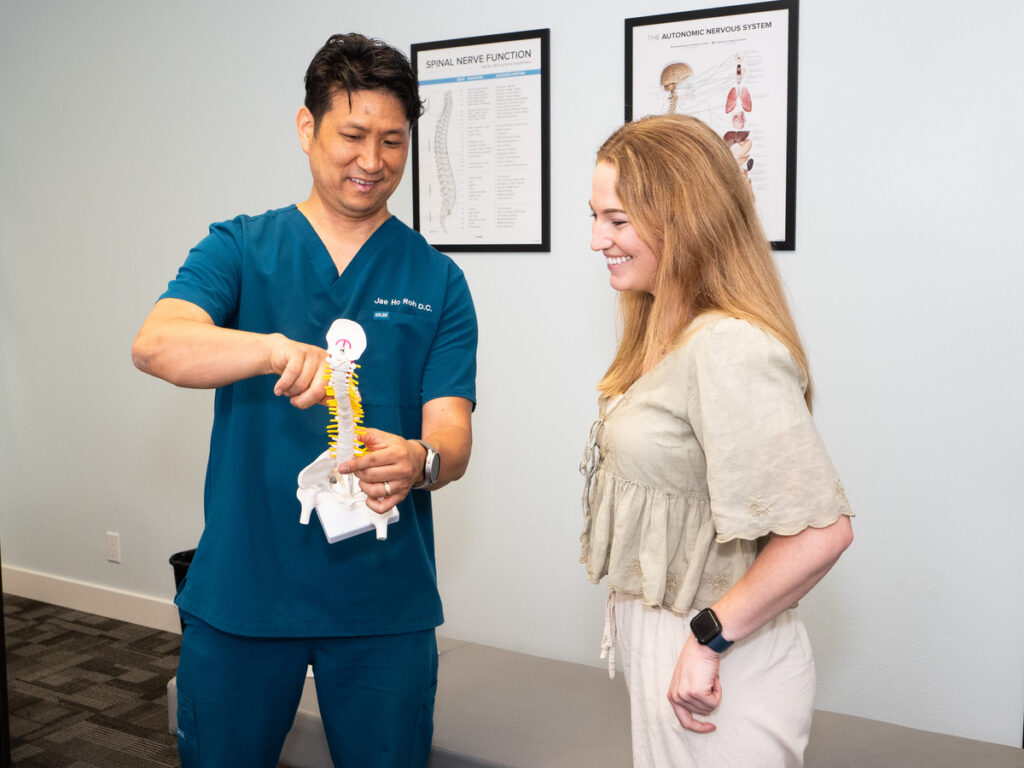
Chiropractic care focuses on the relationship between your spine and nervous system. By realigning the spine and addressing any misalignments, we can alleviate pain and improve function. This holistic approach not only targets the symptoms of lower back pain but also aims to uncover and address the underlying causes.
In addition to chiropractic adjustments, I often recommend complementary treatments such as targeted exercises, stretching, and lifestyle modifications. These strategies work together to strengthen your back and promote long-term healing.
As we explore these methods, I encourage you to keep an open mind. You might discover that a natural, chiropractic approach offers you the relief you've been seeking, allowing you to manage your lower back pain effectively and regain your quality of life.
Understanding Lower Back Pain
As a local chiropractor, I want to help you understand lower back pain, a common issue that impacts many of our daily lives and overall well-being. This discomfort can arise from various sources, such as muscle strain, herniated discs, or underlying conditions like arthritis. Identifying the root cause of your pain is crucial for finding effective, natural relief.
Many times, lower back pain results from awkward movements like bending, lifting, or twisting, which can strain the muscles and ligaments in your lower back. This strain may lead to inflammation and discomfort that can radiate down your legs. It's essential to listen to your body. If you're experiencing persistent pain, it may be a sign of a more serious condition that warrants a professional evaluation.
Your lifestyle choices significantly influence your experience with lower back pain. Factors like a sedentary lifestyle, poor posture, and being overweight can all add unnecessary strain to your back. By incorporating regular physical activity, maintaining a healthy weight, and practicing good posture, you can greatly reduce your risk of ongoing pain and promote better spinal health.
Furthermore, I want to emphasize the impact of stress on your lower back pain. Stress can lead to muscle tension, exacerbating any existing discomfort. Incorporating stress management techniques, such as relaxation exercises or mindfulness practices, can be incredibly beneficial for both your mental and physical health.
At our chiropractic office, we focus on holistic approaches to healing that address the root causes of your pain. We can work together to develop a personalized plan that may include spinal adjustments, exercises, and lifestyle modifications to help you achieve lasting relief and a healthier back.
Medications for Pain Relief
As a local chiropractor, I want to help you understand how medication can be just one piece of the puzzle when it comes to managing lower back pain.
While over-the-counter pain relievers and prescription medications can provide temporary relief, there are more holistic and natural approaches to consider.
Chiropractic care focuses on addressing the underlying issues causing your pain, promoting healing through adjustments and therapies that enhance your body's natural ability to heal itself.
By combining chiropractic care with lifestyle changes and alternative therapies, you can create a comprehensive pain relief plan tailored to your needs.
Let's explore these options together to find the best solution for your well-being!
Over-the-Counter Options
As a chiropractor, I understand how important it's for you to find relief from discomfort in your lower back. Many people seek out over-the-counter (OTC) options for pain relief, and while they can be effective, it's essential to understand their role in your overall health journey.
OTC medications are readily available at your local pharmacy and can provide temporary relief without the need for a prescription. However, they're best used as part of a comprehensive approach to managing pain. Here are some common OTC options that may be helpful:
- Acetaminophen: A popular choice for mild to moderate pain relief, this medication can help you manage discomfort.
- Nonsteroidal Anti-Inflammatory Drugs (NSAIDs): Medications such as ibuprofen or naproxen are effective in reducing inflammation and alleviating pain, which can be beneficial for acute injuries.
- Topical Analgesics: Creams or gels with ingredients like menthol or capsaicin can be applied directly to the affected area for localized relief.
- Combination Products: Some OTC medications combine acetaminophen with NSAIDs for a more potent effect on pain relief.
While these options can provide short-term relief, it's essential to use them wisely. Always read the instructions on the label and consult a healthcare professional, especially if you have pre-existing health conditions or are taking other medications.
As a chiropractor, I encourage you to consider the underlying causes of your lower back pain. While OTC medications can help manage symptoms, they don't address the root issues.
Chiropractic care focuses on holistic healing, helping to restore proper alignment and function to your spine and nervous system. This approach can lead to more sustainable relief and improved overall well-being.
Prescription Medications
If you've found that over-the-counter options aren't providing the relief you're looking for, it's important to consider other avenues for managing your pain, such as chiropractic care. As a chiropractor, I focus on natural healing methods to help alleviate discomfort and improve your overall mobility.
In many cases, patients experience pain due to muscle tension or joint misalignments. Through spinal adjustments and targeted therapies, we can reduce inflammation and relieve muscle spasms without the need for stronger medications. This approach not only addresses your immediate symptoms but also promotes long-term wellness.
While some healthcare providers may recommend medications like nonsteroidal anti-inflammatory drugs (NSAIDs) or opioids for pain relief, these options can have potential side effects and risks of dependency. Instead, I encourage a more holistic approach.
For instance, we might incorporate specific exercises, stretches, and lifestyle changes that support your body's natural healing processes. Additionally, it's worth noting that some patients find relief from chronic pain through alternative therapies, including massage or acupuncture, which can complement chiropractic adjustments.
It's essential to have an open dialogue about your symptoms and medical history, as this will help us create a personalized treatment plan tailored to your needs.
As you embark on your journey to recovery, please keep me informed about any changes in your condition or any concerns you might have. Together, we can monitor your progress and adjust your treatment plan as needed, ensuring you find the relief you deserve for your lower back pain through natural and effective methods.
Alternative Pain Relief
As a local chiropractor, I want to help you explore some alternative pain relief options that can enhance your journey towards managing discomfort more effectively.
Many of my patients have found that these methods complement traditional treatments and provide additional support for issues like lower back pain. Here are a few options worth considering:
- Acupuncture: This time-honored practice involves the insertion of fine needles into specific points on the body. It's known for its ability to relieve pain and promote healing through stimulating the body's natural response.
- Chiropractic care: As your chiropractor, my role is to help realign your spine and improve mobility. Through targeted adjustments, we can work to alleviate your pain and enhance your overall well-being.
- Massage therapy: Incorporating regular massages into your routine can significantly reduce muscle tension and improve circulation. This not only leads to a decrease in pain levels but also promotes relaxation and overall health.
- Herbal remedies: Many people are surprised to learn that certain herbs, like turmeric and willow bark, possess anti-inflammatory properties. These natural options can provide pain relief without the unwanted side effects often associated with conventional medications.
I encourage you to consider these alternative approaches as part of a holistic strategy to manage your pain and improve your quality of life.
Together, we can find the best combination of treatments to suit your needs.
Physical Therapy Options
As a local chiropractor, I want to share how chiropractic care can be a powerful ally in addressing lower back pain.
Our approach focuses on natural healing, harnessing the body's own ability to recover and thrive. Through a combination of exercise therapy and manual adjustments, we can help you regain strength and mobility effectively.
Exercise therapy is essential for building core stability, which is crucial for supporting your spine and reducing pain.
Meanwhile, our hands-on techniques, known as manual therapy, can offer immediate relief and help alleviate discomfort.
Exercise Therapy Techniques
As a local chiropractor, I want to help you understand how exercise therapy techniques can play a vital role in managing lower back pain. Incorporating these techniques into your routine can't only strengthen your muscles but also enhance your flexibility, leading to a reduction in discomfort and preventing future occurrences of pain.
By focusing on core stability, we can improve your posture and decrease strain on your back.
Here are some key exercise therapy techniques that I recommend for your consideration:
- Stretching: Gentle stretching is essential for relieving tension and increasing flexibility in your back and legs. It's a simple yet effective way to keep your muscles relaxed.
- Strengthening exercises: Strengthening your core, glutes, and lower back muscles provides essential support for your spine. This support is crucial in maintaining proper alignment and function.
- Aerobic conditioning: Engaging in low-impact activities such as walking or swimming can enhance blood flow and promote healing in your body. These activities are gentle on your back while still effective.
- Balance training: Including balance exercises in your routine can significantly improve your stability and reduce the risk of falls, which is especially important for overall safety and mobility.
Before you embark on any exercise program, I strongly recommend consulting with a physical therapist or healthcare provider. They can design a personalized routine tailored to your specific needs and ensure you're performing the exercises correctly.
By committing to exercise therapy, you take an active role in your recovery journey, leading to a more pain-free and fulfilling life.
Manual Therapy Benefits
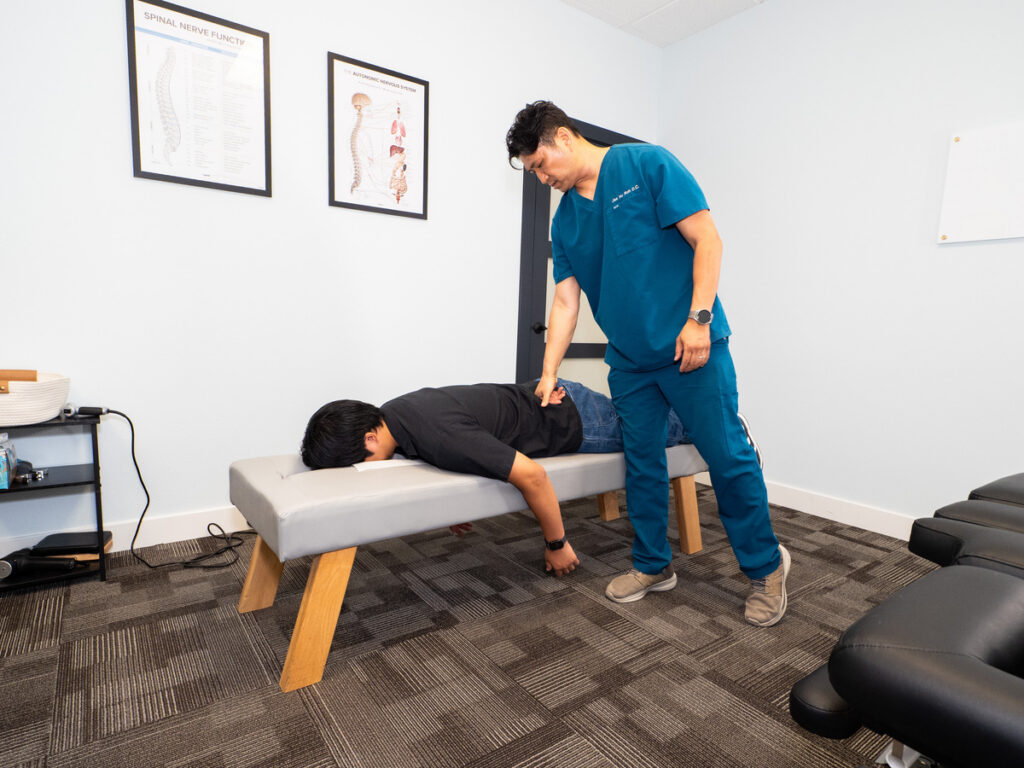
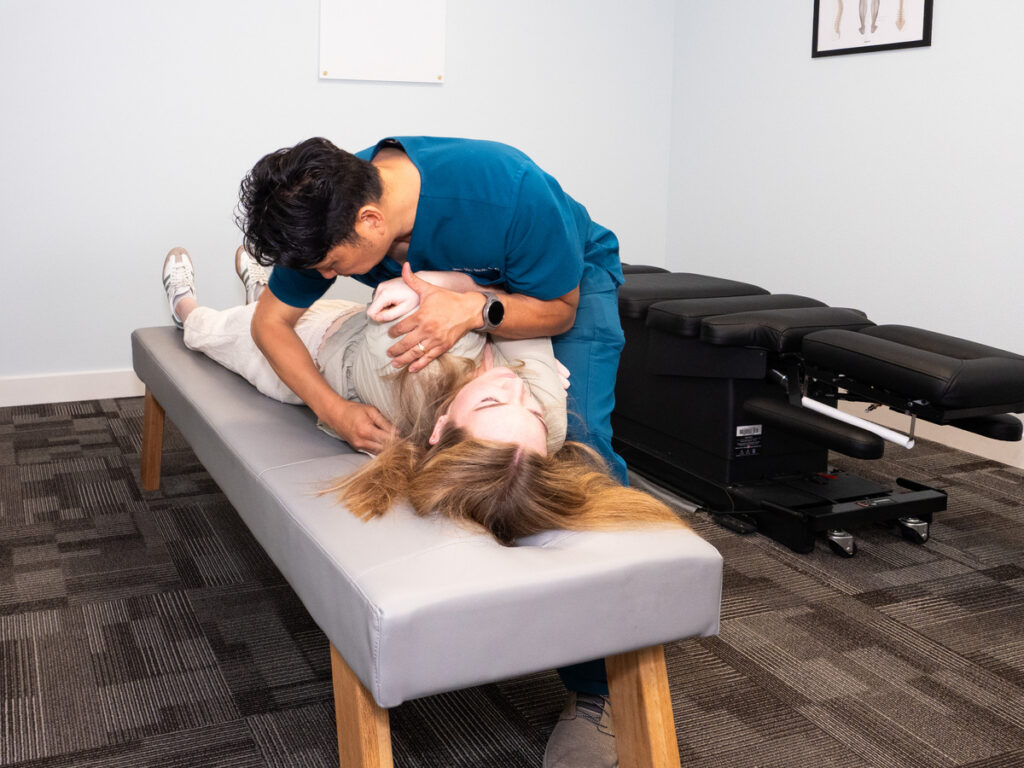
As a local chiropractor, I want to share how manual therapy can significantly aid in your recovery from lower back pain. Many individuals may not be familiar with the various techniques we utilize in chiropractic care, such as spinal manipulation, mobilization, and soft tissue therapy. These methods are designed to address the root causes of your discomfort, helping to enhance your mobility and overall comfort levels.
One of the standout advantages of manual therapy is its effectiveness in relieving muscle tension and reducing inflammation. When your muscles are relaxed, daily activities become much easier and more enjoyable, free from the burdens of pain.
Furthermore, manual therapy promotes better circulation, which can accelerate the healing of any injured tissues. You may be pleasantly surprised to experience immediate pain relief following a session. This relief can be incredibly motivating as you embark on your journey to recovery.
As you start to regain strength and flexibility, I may introduce complementary exercises that will help reinforce the positive effects of our manual therapy sessions. Incorporating manual therapy into your treatment plan is a proactive approach that not only addresses your current pain but also equips you with the tools to prevent future issues.
This holistic method can truly transform your experience with lower back pain, allowing you to reclaim control of your life and embrace a more active lifestyle. If you have any questions about how chiropractic care can help you, feel free to reach out—I'm here to help you on your path to wellness!
Alternative Therapies
As a local chiropractor, I want to share valuable insights about alternative therapies that can help manage lower back pain effectively. These therapies can work alongside traditional treatments to enhance your overall well-being and restore your mobility. While each person's experience may differ, many individuals discover significant relief by integrating these approaches into their pain management strategies.
Here are some alternative therapies that I often recommend to my patients:
- Acupuncture: This time-honored Chinese practice involves the insertion of fine needles at specific points on the body. It aims to relieve pain and promote better energy flow, which can be beneficial for those suffering from back pain.
- Chiropractic care: As a chiropractor, I specialize in spinal manipulation, which helps align the spine and alleviate pressure on nerves. This adjustment can lead to reduced pain and improved function, making it an effective option for many patients dealing with lower back issues.
- Massage therapy: Incorporating regular massage sessions into your routine can relax tense muscles, enhance blood circulation, and diminish stress. These benefits can all contribute to alleviating lower back pain.
- Yoga: Practicing yoga is a fantastic way to increase flexibility, strengthen your core, and foster relaxation. Many of my patients find that yoga not only aids in managing their back pain but also promotes a sense of well-being.
Before embarking on any alternative therapy, I strongly encourage you to consult with a healthcare professional. This step ensures that you choose the safest and most effective options for your unique situation.
Our goal is to find a personalized combination of treatments that work best for you. By exploring these alternative therapies, you can take an active role in managing your lower back pain and enhancing your quality of life.
Lifestyle Modifications
As a local chiropractor, I want to share some effective lifestyle modifications that can significantly aid in managing your lower back pain. One of the fundamental steps is to maintain a healthy weight. Carrying excess weight can put additional strain on your spine, which often leads to increased pain and discomfort. By embracing a balanced diet and incorporating regular physical activity into your life, you can't only shed those extra pounds but also provide better support for your back.
Exercise is vital in this journey. I recommend focusing on low-impact activities such as swimming, walking, or biking. These exercises can help strengthen your back muscles without putting undue strain on them. Aim for at least 30 minutes of exercise most days of the week.
Additionally, don't forget about your core muscles; strengthening them can offer greater support to your spine.
Posture is another critical element in maintaining back health. It's important to be aware of your posture whether you're sitting, standing, or lifting objects. Utilizing ergonomic furniture, taking regular breaks to stretch, and practicing proper lifting techniques can all help prevent unnecessary strain on your back.
Stress management is equally important when it comes to lifestyle modifications. High levels of stress can lead to muscle tension, which may exacerbate your pain. I encourage you to incorporate relaxation techniques into your daily routine.
Consider practices such as yoga, meditation, or deep breathing exercises to help alleviate stress.
Finally, don't underestimate the importance of quality sleep. A supportive mattress and pillows can greatly influence how well you rest and recover. Strive for 7-9 hours of quality sleep each night to allow your body to heal effectively.
Invasive Treatments
When conservative methods, like chiropractic adjustments and lifestyle changes, don't sufficiently alleviate your lower back pain, you might hear about invasive treatments as an alternative. While these options can provide faster and more pronounced relief for chronic or debilitating pain, it's essential to understand what they entail and how they differ from natural healing approaches.
As a local chiropractor, I want to help you explore these invasive treatments so you can make an informed decision about your health. Here are some common invasive options you may encounter:
- Epidural Steroid Injections: This procedure involves injecting steroids into the epidural space around the spinal nerves. While it can reduce inflammation and pain, it's important to consider the potential side effects and whether this aligns with a more holistic approach to healing.
- Radiofrequency Ablation: This technique uses heat to disrupt nerve fibers transmitting pain signals. Although it may provide longer-lasting relief for some, it's crucial to evaluate how it fits with natural methods that address the root cause of pain.
- Surgery: In more severe cases, surgical interventions like discectomy, laminectomy, or spinal fusion might be proposed. However, surgery can come with risks and a longer recovery time, which is why exploring non-invasive options should always be a priority.
- Spinal Cord Stimulation: This method involves implanting a device that sends electrical impulses to the spinal cord to interrupt pain signals. Again, while it may offer relief, it's important to consider whether this aligns with your personal approach to health and healing.
While these invasive treatments can be effective for some patients, they come with risks and may not be suitable for everyone.
As your chiropractor, I encourage you to engage in an open dialogue about these options with your healthcare provider, weighing the potential benefits against the possible side effects.
My goal is to support you in finding a treatment plan that prioritizes your well-being and aligns with natural healing principles. Remember, the aim is to alleviate pain and enhance your quality of life through safe and effective methods.
When to Seek Professional Help
As a local chiropractor, I want to help you understand the various options for managing lower back pain, particularly when it comes to natural healing methods.
It's crucial to recognize when it's time to seek professional assistance, as not all pain can be effectively managed at home. If you've been experiencing persistent lower back pain for more than a few weeks, it's important to consult with a healthcare provider, such as a chiropractor.
Our goal is to identify the underlying issues causing your discomfort and to help you find relief through non-invasive treatments. You should also consider reaching out if your pain is severe and doesn't improve with rest or over-the-counter medications.
If you notice that your back pain radiates down your leg or is accompanied by numbness, tingling, or weakness, don't wait to get help. These symptoms could indicate nerve compression or other serious conditions that require immediate attention.
Additionally, keep an eye out for any changes in bowel or bladder function, as these can signal serious issues like cauda equina syndrome. If your pain follows an injury, or if you experience fever, unexplained weight loss, or any other systemic symptoms, it's essential to seek an evaluation from a professional.
Lastly, if your pain is limiting your daily activities—like walking, lifting, or even sleeping—please don't hesitate to reach out for help. Chiropractic care can provide a thorough assessment to diagnose the source of your pain and offer natural treatment options, including spinal adjustments, physical therapy, and lifestyle modifications.
Conclusion
As a local chiropractor, I want to help you understand the best ways to manage lower back pain effectively. It's often necessary to combine various treatments tailored to your specific situation. I recommend starting with over-the-counter medications to relieve immediate discomfort, but don't overlook the benefits of physical therapy to strengthen your back muscles and improve flexibility.
Chiropractic care is an excellent option to consider for additional relief. It focuses on correcting spinal alignment and can help alleviate pain effectively. Acupuncture is another alternative therapy that many patients find beneficial for pain management.
In addition to these treatments, making lifestyle changes is crucial. Maintaining a healthy weight and practicing good posture can significantly impact your overall back health. If your pain continues despite these efforts, seeking professional guidance is essential. We can explore more advanced options to address your concerns. Take charge of your back health today, and let's work together towards a pain-free life!