
When it comes to managing your back pain, one-size-fits-all solutions often fall short. You might find that generic treatments don't take into account the unique nuances of your condition, lifestyle, or even personal health history. Tailored treatments, on the other hand, can address the specific causes of your pain and empower you to take an active role in your recovery. Understanding why this approach is essential can greatly impact your journey to better health. So, what are the key factors that make customized care so effective?
Understanding Back Pain
When you experience back pain, it's essential to understand its underlying causes. Back pain can stem from various sources, including muscle strain, disc issues, or even poor posture. Identifying the specific cause is important for effective treatment. You might find that your pain results from overexertion during physical activities or even prolonged sitting at a desk.
Muscle strains often occur when you lift something too heavy or twist your body awkwardly. In this case, you may experience sharp or aching pain that limits your movement. Disc problems, such as herniated discs, can also lead to intense pain, often radiating down your legs. Understanding this helps you realize that certain movements could exacerbate your condition.
Poor posture is another common culprit. If you slouch while sitting or stand with improper alignment, it can create tension in your back muscles over time. You mightn't even notice the gradual buildup of discomfort until it becomes debilitating.
Additionally, factors like age, weight, and physical activity level can influence back pain. For instance, as you age, your spine undergoes changes that may contribute to discomfort. Recognizing these factors can empower you to make lifestyle adjustments that could prevent pain from worsening.
Ultimately, understanding the various causes of your back pain is the first step towards finding a tailored treatment. By identifying the root of the issue, you can take proactive measures to alleviate your discomfort and improve your quality of life.
Limitations of Generic Treatments
While understanding the specific causes of your back pain is crucial, relying solely on generic treatments often falls short. Many people turn to over-the-counter medications, physical therapy, or standard exercise regimens, believing these one-size-fits-all solutions will alleviate their discomfort.
However, these approaches can miss the mark for various reasons:
- Underlying Conditions: Generic treatments may not address specific issues like herniated discs or sciatica, which require targeted interventions.
- Varying Pain Levels: What works for someone else mightn't work for you; pain tolerance and response to treatment can differ widely among individuals.
- Inadequate Focus: Generic treatments often fail to take into account your lifestyle, daily activities, and unique body mechanics, leading to ineffective solutions.
- Potential Side Effects: Over-relying on medications can lead to unwanted side effects, which might worsen your overall condition rather than improve it.
You might feel frustrated when these generic methods don't provide the relief you seek.
It's crucial to recognize that your back pain is unique, influenced by multiple factors that standard treatments can't effectively address.
By sticking with generic solutions, you risk prolonging your discomfort and missing out on the tailored strategies that could genuinely help you heal.
Understanding these limitations is the first step towards seeking more personalized care that targets your specific needs and promotes long-term recovery.
Benefits of Personalized Care
How can personalized care transform your experience with back pain? When you receive care tailored specifically to your needs, you're likely to see considerable improvements in your pain management and overall well-being. Unlike generic treatments that take a one-size-fits-all approach, personalized care focuses on your unique situation, including your medical history, lifestyle, and the specific characteristics of your back pain.
One of the main benefits is that it empowers you. You become an active participant in your treatment plan, which can enhance your motivation and commitment to recovery. You'll work closely with healthcare professionals who can craft a strategy that resonates with your individual goals and preferences, making the journey less intimidating.
Additionally, personalized care can lead to quicker and more effective pain relief. By addressing the specific factors contributing to your discomfort, you're more likely to experience targeted relief rather than temporary fixes. This focused approach can also help prevent chronic pain from developing, saving you time and potential future medical expenses.
Lastly, personalized care fosters a supportive environment. You'll likely find that your healthcare team is more invested in your recovery, providing ongoing assessments and adjustments to your treatment plan. This ongoing relationship allows for open communication, ensuring that your concerns and feedback are heard and acted upon.
In short, personalized care can considerably enhance your experience by providing tailored solutions, fostering empowerment, and building a supportive healthcare relationship.
Identifying Root Causes
To effectively manage your back pain, you need to identify its root causes.
Common triggers like poor posture, muscle strain, or underlying health conditions can play a significant role in your discomfort.
Understanding these factors is essential for accurate diagnosis and tailored treatment options.
Common Back Pain Triggers
Back pain can stem from a variety of triggers, making it essential to identify root causes for effective treatment. Understanding what might be causing your discomfort can lead to better solutions tailored to your specific needs.
Here are some common triggers you should be aware of:
- Poor Posture: Slouching or sitting for long periods can strain your back.
- Muscle Strain: Overexerting yourself during physical activities can lead to muscle pulls or tears.
- Injuries: Accidents or falls may result in immediate or delayed back pain.
- Underlying Health Conditions: Issues like arthritis or herniated discs can contribute to chronic pain.
Recognizing these triggers can help you take proactive steps in managing your back pain.
Whether it's adjusting your workstation, incorporating stretches, or seeking professional help, knowing the source of your discomfort is the first step toward relief.
By addressing these common triggers, you can begin to pave the way for a tailored treatment plan that suits your individual needs.
Importance of Diagnosis
While many people experience back pain, pinpointing the exact cause is vital for effective treatment. Without a proper diagnosis, you might end up treating symptoms rather than addressing the underlying issue. Different conditions—like herniated discs, muscle strains, or arthritis—require distinct approaches. If you don't know what's causing your pain, you could waste time and money on treatments that won't help.
A thorough evaluation often includes physical examinations, imaging tests, and a review of your medical history. This process helps identify the root cause, enabling healthcare providers to tailor a specific treatment plan just for you. For instance, if a muscle strain is the problem, physical therapy and rest might be recommended. On the other hand, if a structural issue is at fault, you might need more advanced interventions.
Investing time in diagnosis is essential. It not only offers clarity but also sets the stage for effective strategies—whether that's medication, therapy, or lifestyle changes.
Diverse Treatment Options
When it comes to managing back pain, you've got a range of treatment options to explore.
From medications and pain relief strategies to physical therapy techniques and alternative therapies, each approach can play a vital role in your recovery.
Let's break down these diverse options to find what works best for you.
Medication and Pain Relief
Finding the right medication for back pain can feel overwhelming, given the wide range of options available.
You've got to evaluate factors like the severity of your pain, any underlying conditions, and how your body reacts to different treatments.
Here are some common types of medications you might explore:
- Over-the-counter pain relievers: Nonsteroidal anti-inflammatory drugs (NSAIDs) like ibuprofen or naproxen can help reduce inflammation and alleviate pain.
- Prescription medications: If OTC options aren't effective, your doctor might suggest stronger medications, such as muscle relaxants or opioids, for short-term relief.
- Topical treatments: Creams or patches containing analgesics can provide localized relief without systemic side effects.
- Corticosteroid injections: For more severe pain, injections directly into the affected area can reduce inflammation and provide significant relief.
Always consult with a healthcare professional before starting any medication.
They can help tailor your treatment plan to your specific needs, ensuring you find the most effective solution for managing your back pain.
Physical Therapy Techniques
After evaluating medication options for back pain, you might consider incorporating physical therapy techniques into your treatment plan. Physical therapy can offer a personalized approach to relieve pain, improve mobility, and strengthen your back.
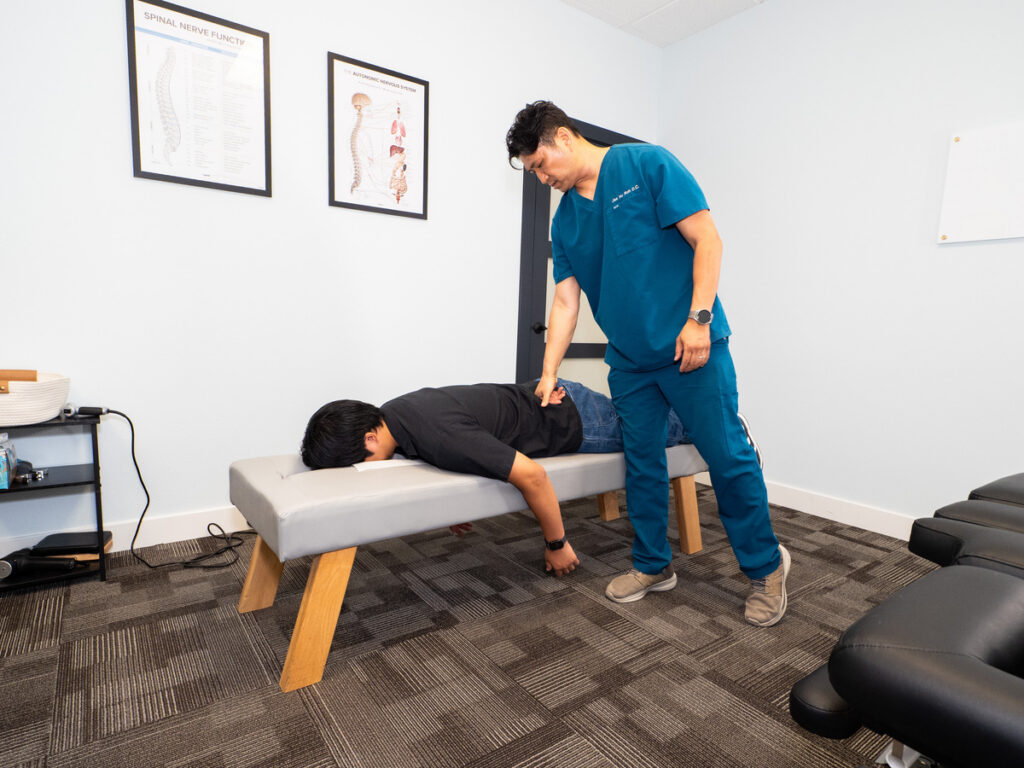
One effective technique is manual therapy, where a trained therapist uses hands-on methods to manipulate your spine and surrounding tissues. This can help reduce pain and improve your range of motion.
Stretching exercises are also essential; they enhance flexibility and reduce muscle tension, which can alleviate discomfort. Strengthening exercises target the muscles that support your spine. By improving these muscles, you can enhance stability and prevent future injuries.
Your therapist may also introduce postural training, helping you adopt better body mechanics during daily activities. Another beneficial approach is the use of modalities, like heat or cold therapy, to relieve pain and reduce inflammation.
Your therapist may tailor a combination of these techniques based on your specific condition and needs. By actively participating in your physical therapy, you empower yourself to take control of your back pain and work towards long-term relief.
Alternative Therapies Explained
Alternative therapies for back pain offer a diverse range of treatment options that can complement traditional approaches. These methods can help you manage pain, improve mobility, and enhance your overall quality of life. By exploring alternative therapies, you might discover new ways to relieve your discomfort.
- Acupuncture: This ancient Chinese practice involves inserting thin needles into specific points to alleviate pain and promote healing.
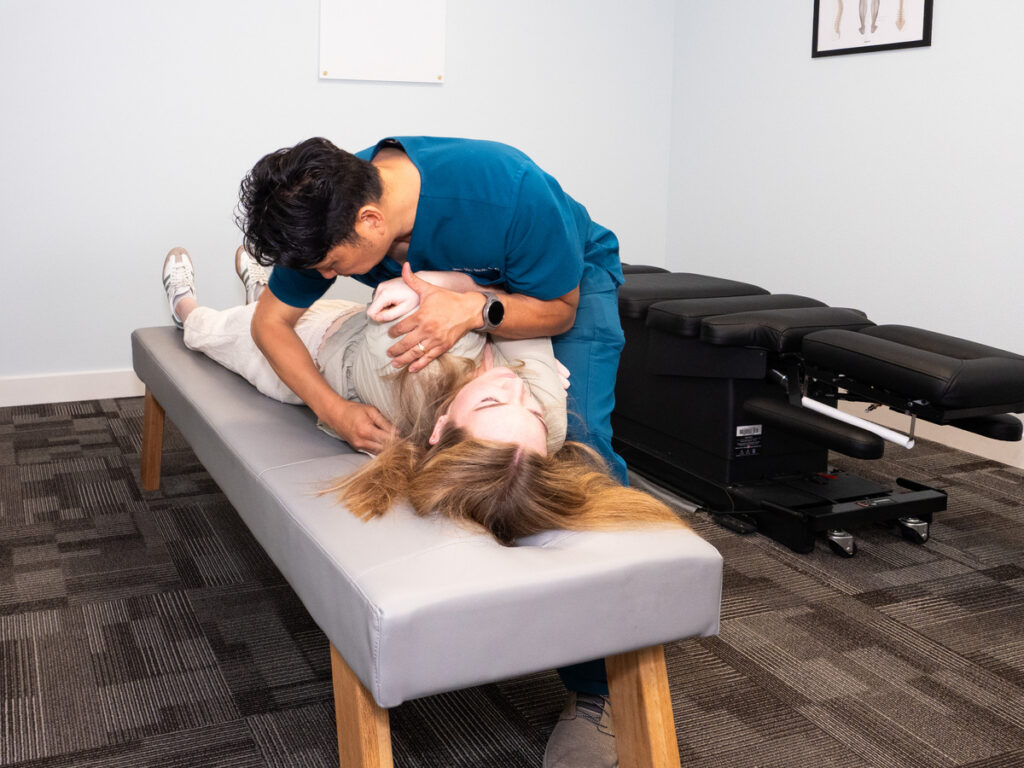
- Chiropractic Care: A chiropractor can manipulate your spine and joints, potentially restoring proper alignment and reducing pain.
- Massage Therapy: Therapeutic massage can relax tight muscles, improve circulation, and reduce stress, all of which can contribute to back pain relief.
- Yoga and Pilates: These practices focus on flexibility, strength, and posture, helping you develop a strong core and improve overall body mechanics.
Incorporating these alternative therapies into your routine can make a significant difference in your back pain management.
Always consult with a healthcare professional before starting any new treatment to ascertain it's suitable for your specific needs.
Embracing a holistic approach might just be what you need to find relief and regain control over your life.
Case Studies and Success Stories
When it comes to back pain, real-life experiences often provide the most compelling evidence of effective treatments. Take Sarah, for instance. After struggling with chronic lower back pain for years, she finally sought a tailored treatment plan that included physical therapy and acupuncture. Within weeks, she noticed significant improvements in her mobility and a decrease in pain levels. This personalized approach not only relieved her symptoms but also empowered her to engage in activities she once loved.
Then there's Mike, who faced debilitating pain due to a herniated disc. Instead of opting for surgery right away, he chose a combination of chiropractic adjustments and tailored exercise programs. Over several months, Mike built strength and flexibility, allowing him to return to his daily routine pain-free. His success story highlights the importance of individualized care, demonstrating that not every treatment fits every patient.
You might also find inspiration in Julia's journey. After years of relying on medication, she discovered that a holistic approach, including yoga and mindfulness practices, transformed her relationship with pain. Julia's experience emphasizes that understanding your body and mind can lead to effective, lasting relief.
These case studies illustrate how tailored treatments can lead to remarkable outcomes. Each person's journey is unique, but the common thread is that personalized strategies often yield the best results.
Professional Guidance and Support
Steering through the complexities of back pain can feel overwhelming, but professional guidance makes a world of difference.
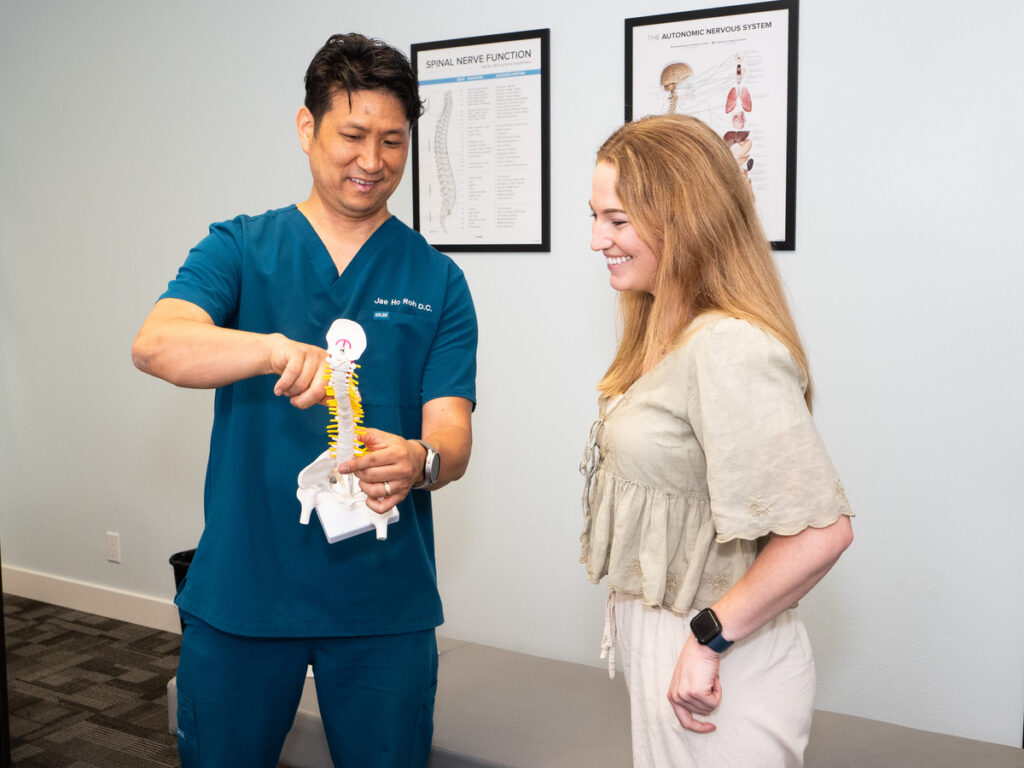
When you're dealing with discomfort, it's essential to seek help from qualified professionals who understand your unique situation. They can help you navigate the myriad of options available and tailor a plan that suits your specific needs.
Here are some key benefits of professional guidance in managing back pain:
- Accurate Diagnosis: A healthcare professional can pinpoint the root cause of your pain, guaranteeing that you address the right issue.
- Customized Treatment Plans: Instead of a one-size-fits-all approach, professionals create tailored strategies that align with your lifestyle, preferences, and medical history.
- Expert Monitoring: Regular check-ins with your healthcare team guarantee that your treatment is effective and allows for adjustments as needed.
- Emotional Support: Dealing with chronic pain can take a toll on your mental health. Professionals can provide the emotional support you need during your journey to recovery.
Enhancing Long-Term Wellness
Achieving long-term wellness involves not just managing your back pain but also integrating healthy habits into your daily life. To enhance your overall wellbeing, you need to establish a routine that supports your physical health, mental clarity, and emotional resilience.
Start by incorporating regular exercise tailored to your abilities. Activities like walking, swimming, or yoga can strengthen your back muscles and improve flexibility, helping to prevent future pain.
Nutrition plays an essential role in wellness, too. A balanced diet rich in anti-inflammatory foods, like fruits, vegetables, and whole grains, can help reduce pain and promote healing. Stay hydrated, as water is necessary for maintaining your body's overall function.
Don't underestimate the power of rest. Quality sleep allows your body to recover and manage stress, which can exacerbate pain. Create a sleep-friendly environment and aim for consistent sleep patterns to improve your restorative processes.
Mindfulness and stress management techniques, such as meditation or deep-breathing exercises, can also contribute considerably to your long-term wellness. They help you cope with pain and improve your mental state, making it easier to manage daily challenges.
Lastly, keep in touch with your healthcare providers. Regular check-ins can help you adjust your treatment plan as needed and confirm you're on the right track.
Conclusion
To summarize, tailored treatments for back pain aren't just beneficial; they're essential. By focusing on your unique situation, you can address specific causes and symptoms that generic approaches might miss. Embracing personalized care empowers you to take control of your recovery, leading to more effective pain management and a better quality of life. Remember, understanding your body and its needs is the key to enhancing your long-term wellness and preventing chronic pain from taking hold.